

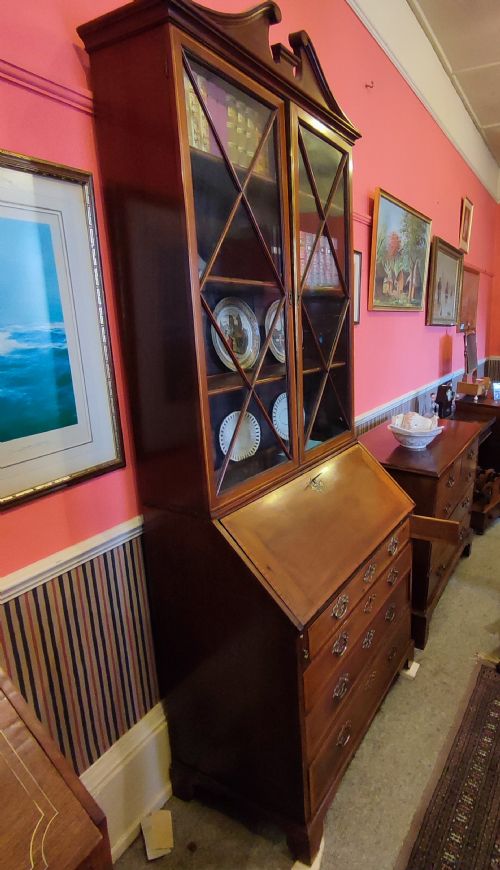


Traditional English Writing Desk
A traditional English writing desk brings centuries of cabinet-making heritage into daily use, offering fitted drawers and dedicated surfaces for correspondence.
Traditional English Writing Desk
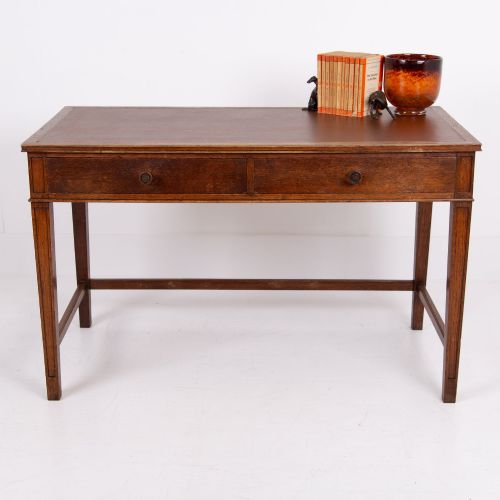
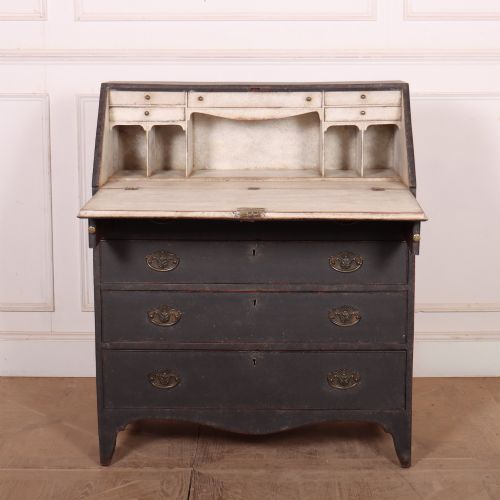
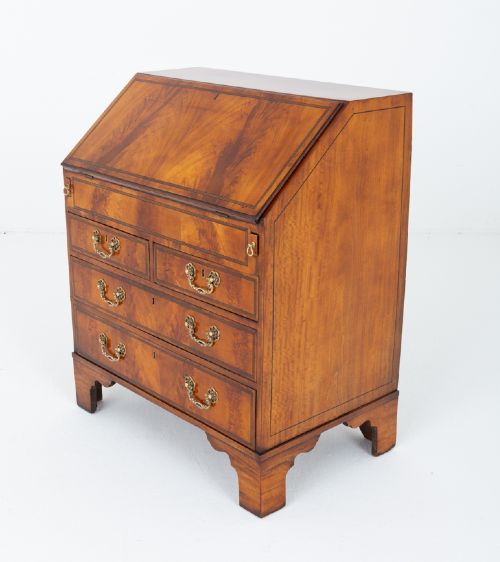
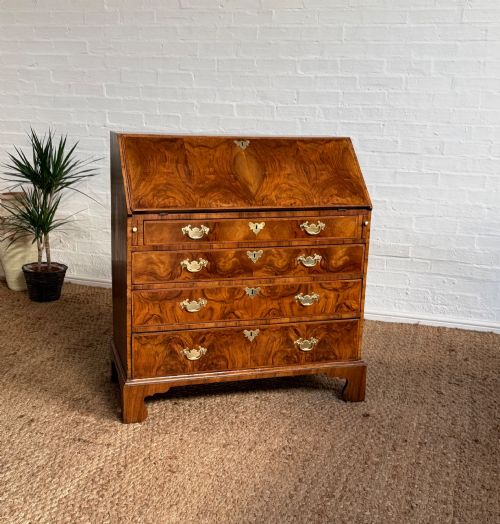
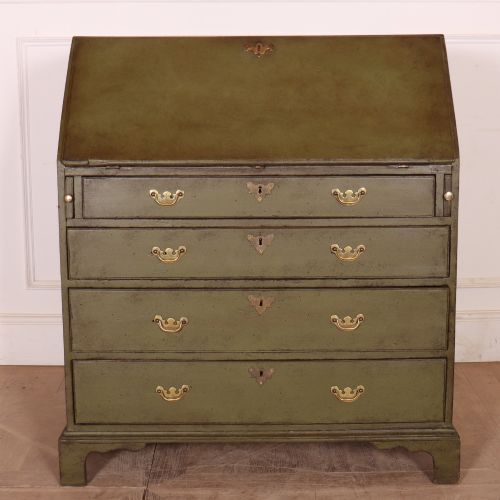
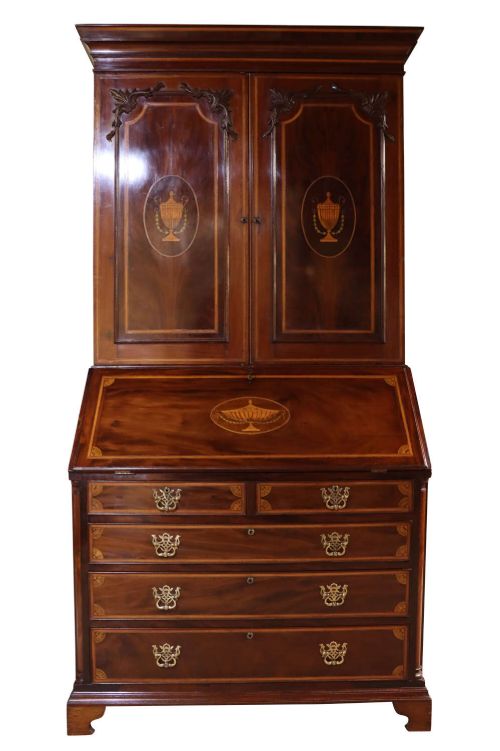
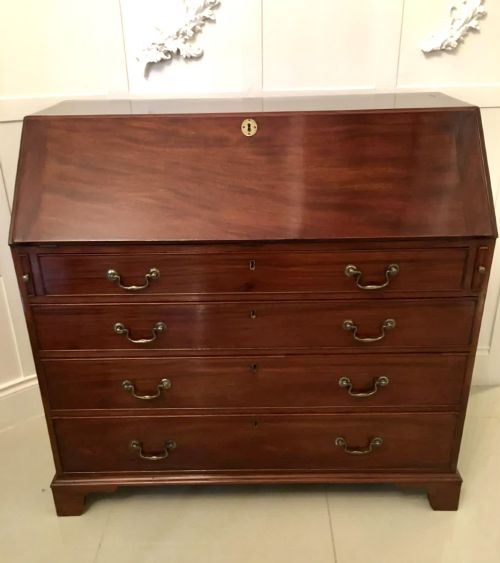
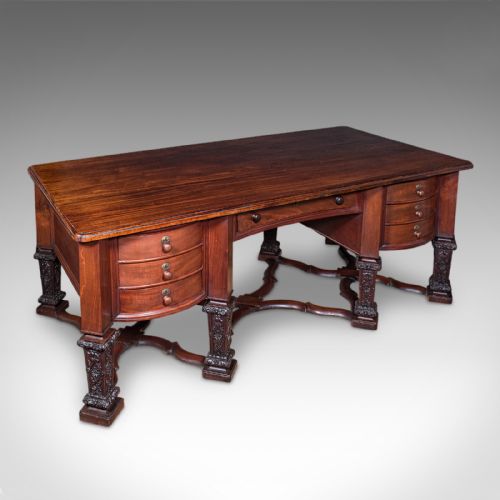
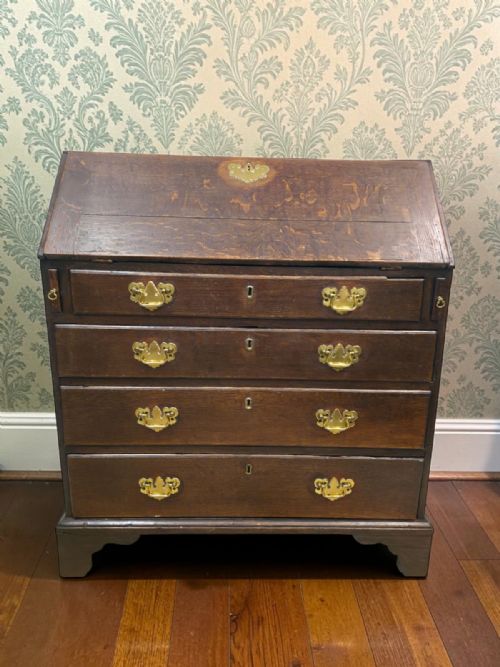
A traditional English writing desk encompasses a diverse group of domestic furniture designed for reading and letter writing, ranging from compact fall-front bureaux to grand partners desks and Davenport models.
The pieces encountered on this page span several centuries of British craftsmanship, with examples originating from the Georgian, Victorian, and Edwardian periods as well as later revival styles.
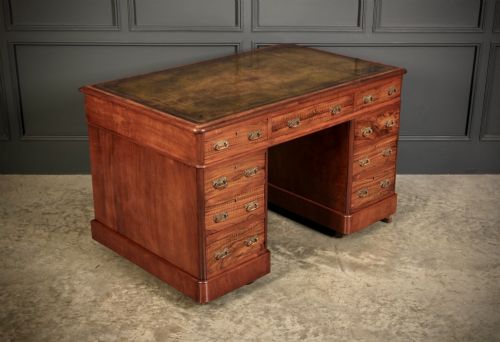
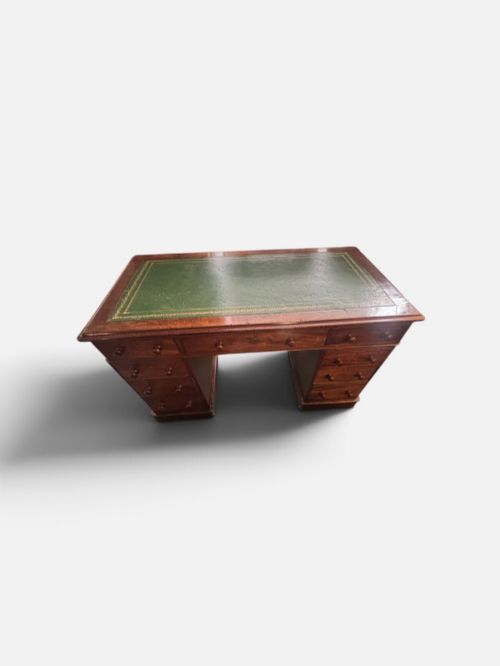
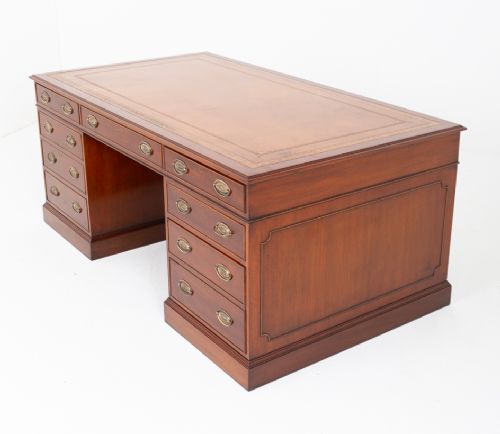
Buyers seeking this phrase most commonly meet pedestal desks with leather writing surfaces, oak or mahogany bureaux, and larger library or partners pieces intended for central room placement.
How they were made
Cabinet-makers relied heavily on dense timbers such as mahogany, oak, walnut, and satinwood, often selecting burr veneers and yew wood to create rich surface grain patterns.
Leather inserts provided a durable, smooth writing plane on pedestal tops and pull-out slides, frequently accented with blind or gilt tooling.
Structural integrity relied on dovetailed drawer construction and framed panels, complemented by cast brass handles, escutcheons, and occasional glass-fronted bookcase sections.
Traditional English Writing Desk Retail Price Guide 2026
Typical asking prices for traditional english writing desk among the pieces listed under this phrase on Sellingantiques today, from the lower quarter to the upper quarter. They describe what is for sale here now, not the wider market.
Listings feature structural timbers including mahogany, oak, walnut, satinwood, and yew wood, alongside brass hardware and leather writing surfaces.
What varies in quality
The caliber of a traditional English writing desk rests on the selection of timber, where heavily figured veneers and solid cabinet woods distinguish superior workshop output from simpler utilitarian pieces.
Refinement in internal joinery, such as secret compartments within bureau pigeonholes and finely dovetailed drawer linings, marks the distinction between standard and high-status commissions.
Proportion and decorative restraint dictate the visual success of a piece, with well-balanced pedestal proportions and crisp moulding details outweighing heavy-handed additions.
The Traditional English Writing Desk Glossary
- Bureau
- A writing cabinet featuring a sloping fall-front that opens to reveal a fitted interior of pigeonholes and small drawers. This form evolved significantly through the eighteenth century.
- Partners Desk
- A large double-sided pedestal desk designed to allow two people to work opposite one another. These pieces often feature banks of drawers on both sides.
- Fall-Front
- A hinged writing flap that drops from a vertical position to form a horizontal writing surface. It typically rests on lopers when lowered.
- Pedestal Desk
- A freestanding desk comprising two supporting pedestals of drawers with a central desktop. They frequently incorporate inset leather writing surfaces.
- Davenport
- A compact writing desk featuring a sloping top and side-opening drawers. This form gained popularity during the Victorian era.
- Kneehole Desk
- A domestic writing table featuring a central recess for the user's legs, flanked by smaller cupboards or tiers of drawers.
Traditional English Writing Desk: Frequently Asked Questions
What is a partners desk?
A partners desk is a large pedestal writing table finished on all sides to accommodate two people working opposite each other.
These pieces typically feature banks of drawers and cupboards facing both directions, making them suitable for placement in the centre of a room rather than against a wall.
How do I identify a Georgian bureau?
Georgian bureaux are characterised by a sloping fall-front lid that opens to disclose a fitted interior of small drawers and pigeonholes above lower storage drawers.
They are commonly constructed from mahogany, oak, or walnut, and often stand on bracket feet.
Where should I place a pedestal desk?
Pedestal desks with finished backs look effective placed outward in the middle of a study or library.
If the back is plain, position the desk against a wall where the finished front and pedestal sides remain the focal point.
What is a Davenport desk?
A Davenport is a small, highly compact Victorian writing desk featuring a sloping, hinged writing slope and a set of drawers accessed from the side.
They were designed for domestic correspondence in smaller rooms where a full-sized pedestal desk would occupy too much floor space.