

Traditional English Fusee Clock
A traditional english fusee clock delivers steady time through a spring-driven movement regulated by a fusee cone, making it a sought-after piece for precision and classical design.
Traditional English Fusee Clock
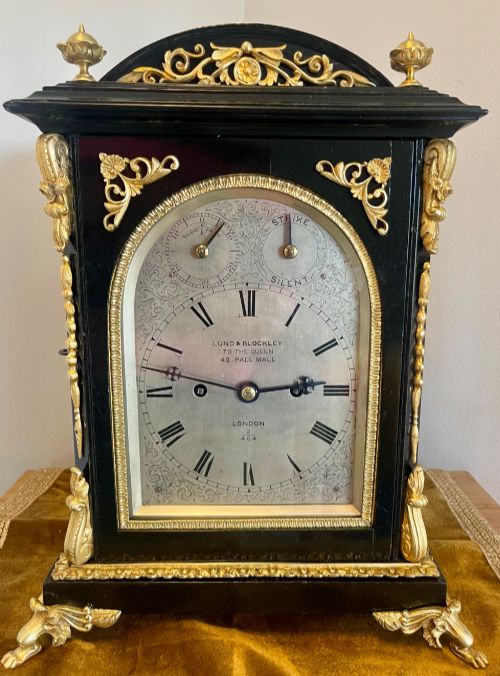
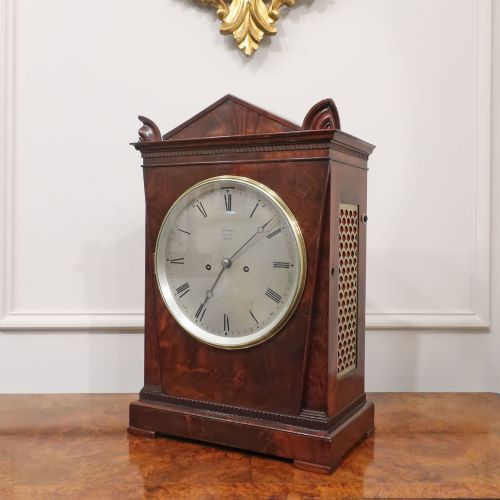
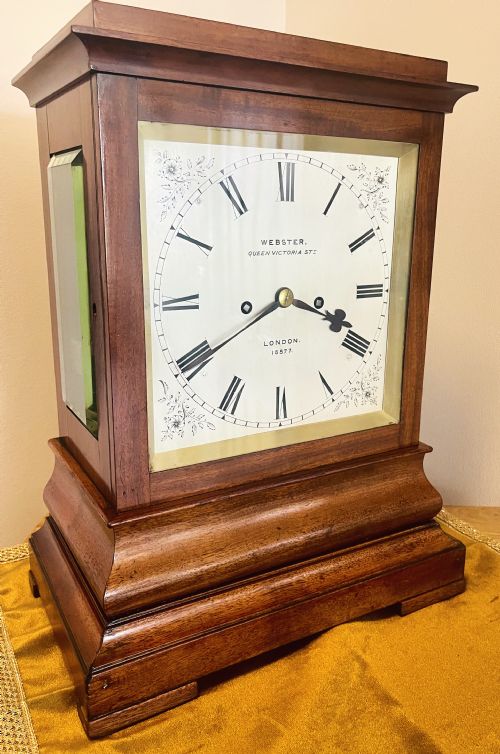
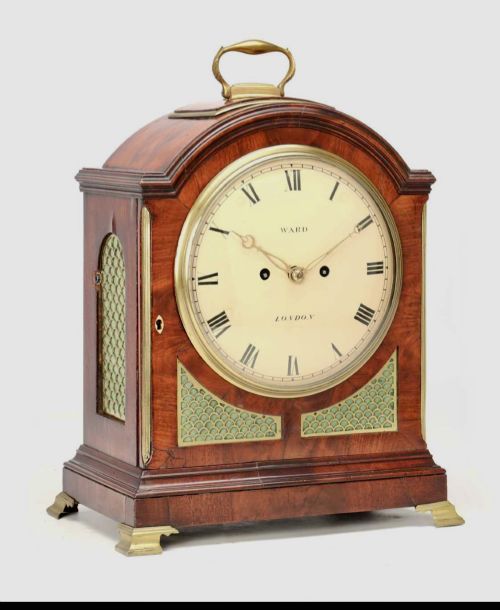
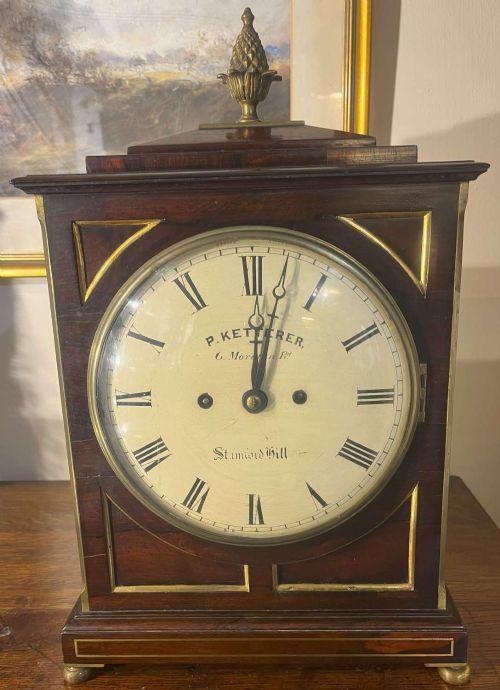
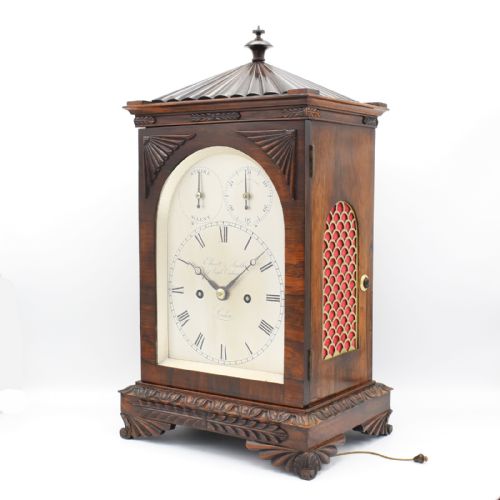
A traditional english fusee clock comprises wall clocks, bracket clocks, and mantel clocks originating from Georgian, Regency, and Victorian periods.
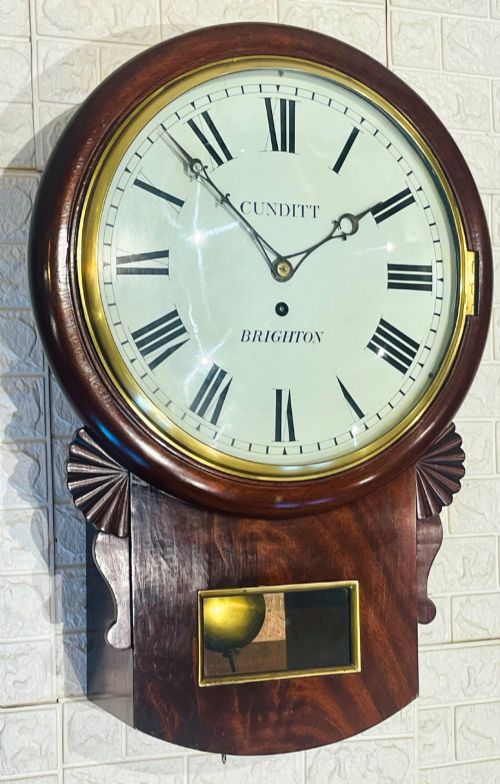
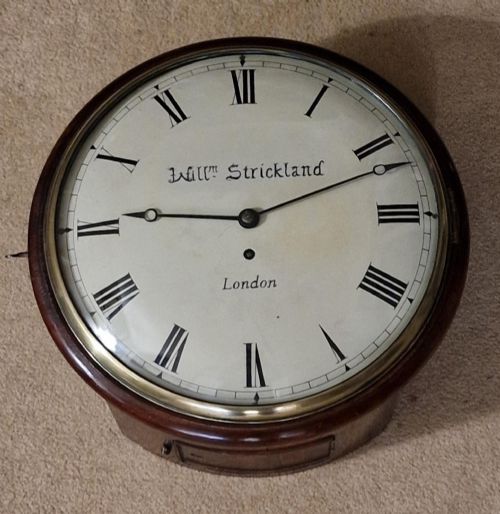
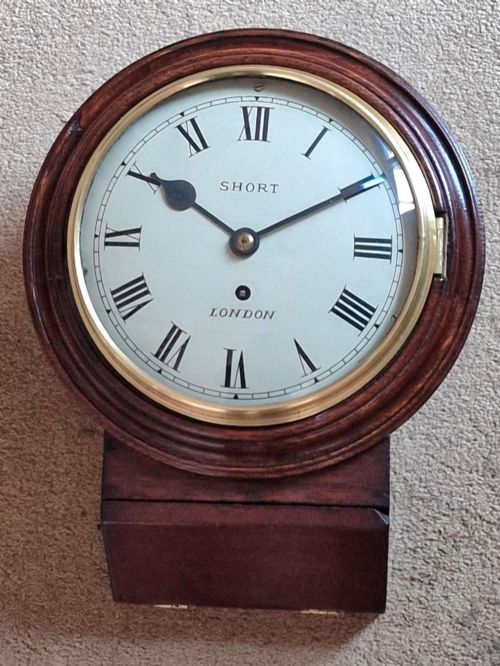
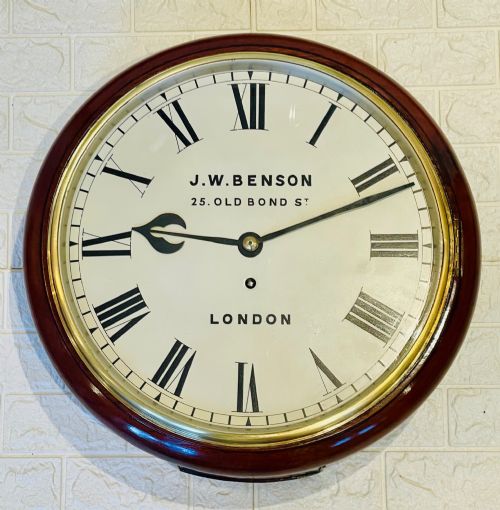
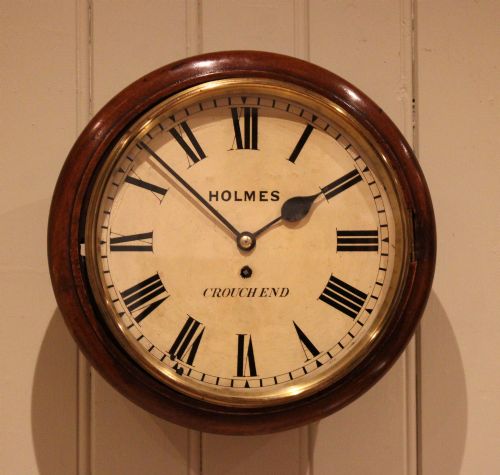
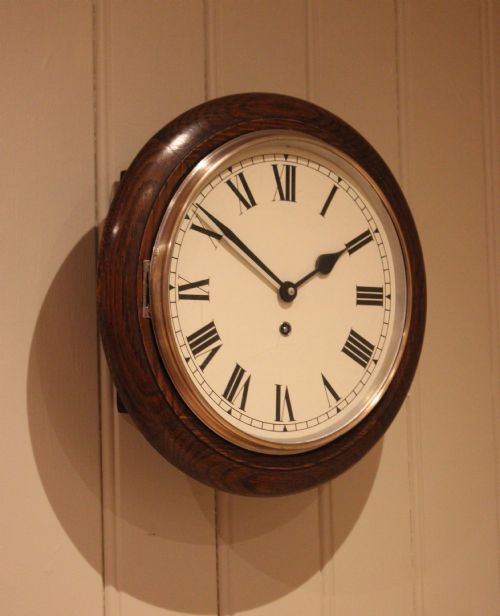
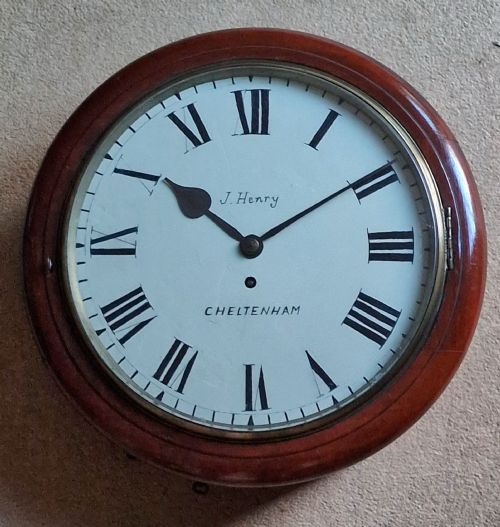
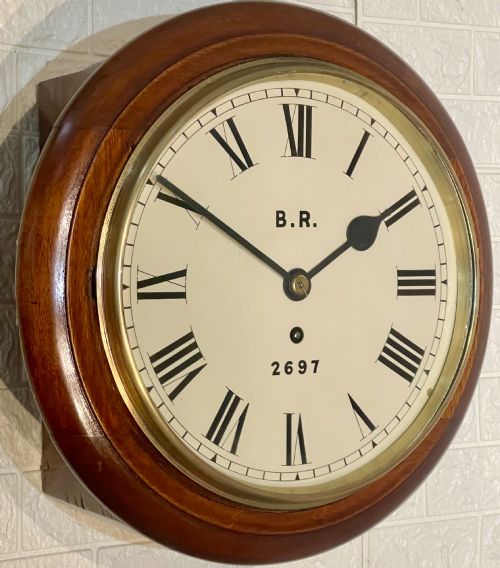
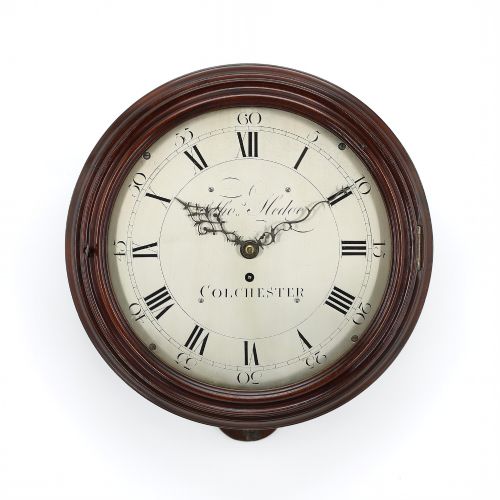
The version most commonly met on this page is the mahogany or oak dial wall clock, often featuring a round face behind glass and brass bezels.
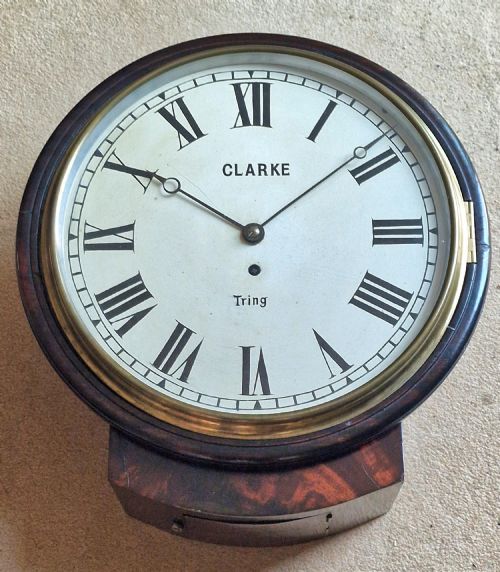
These timepieces also appear as drop-dial wall clocks and table clocks, spanning periods from the eighteenth century through to the early twentieth century.
How They Were Made
Cabinet makers utilised dense hardwoods such as mahogany, rosewood, and oak to construct sturdy cases that protect the internal mechanics.
The mechanical movement relies on brass components paired with iron, operating through a fusee cone and chain or cord to equalise the pull of the mainspring.
Dials were finished in painted metal or enamel, protected by hinged glass doors with brass surrounds, while specific models incorporated convex glass and carved pagodas.
Traditional English Fusee Clock Retail Price Guide 2026
Typical asking prices for traditional english fusee clock among the pieces listed under this phrase on Sellingantiques today, from the lower quarter to the upper quarter. They describe what is for sale here now, not the wider market.
Some nineteenth-century station clocks ticked so reliably that entire railway lines set their pocket watches by them before departure.
What Varies in Quality
The standard of timber selection and cabinet joinery dictates the initial distinction between standard workshop pieces and superior metropolitan examples.
The legibility and original condition of the painted or enamelled dial, along with signed movements from recorded makers, elevate the standing of a piece.
P Ketterer·Ellicott & Smith·Webster Cornhill London·Joseph Bird·Thomas Hedge·Mappin & Webb·Cording of London·Phillips Brothers·Barrett London·Butt Co Ltd Chester·John Wilson·J A Wheatley Carlisle·Budgen Croydon·Funnell of Brighton·Frodsham and Baker London
The Traditional English Fusee Clock Glossary
- Fusee
- A conical pulley used in spring-driven clocks to equalise the diminishing power of the mainspring as it unwinds. This mechanism ensures even torque is delivered to the gear train throughout the winding cycle.
- Dial clock
- A wall-mounted timepiece featuring a prominent circular face, frequently utilised in railway stations, schools, and offices during the nineteenth century. They typically possess a short wooden trunk or drop case below the bezel.
- Drop dial
- A wall clock design where the circular dial sits atop an extended wooden box or trunk, often accommodating a swinging pendulum. This form became popular during the Regency and Victorian eras.
- Bracket clock
- A portable spring-driven clock originally designed to sit on a bracket on the wall, though later placed on tables, shelves, or mantelpieces. They often feature elaborate wooden cases with carrying handles.
- Verge escapement
- An early type of clock escapement mechanism that controls the release of the gear train using a crown wheel and pallet. It represents a traditional method found in older horological examples.
Traditional English Fusee Clock: Frequently Asked Questions
What is a fusee clock?
A fusee clock is a mechanical timepiece driven by a spring that unwinds across a conical pulley. This clever cone ensures the clock receives steady power as the spring loses tension.
Such design provides remarkable timekeeping accuracy without requiring a hanging weight and pendulum drop.
How do I wind my clock?
Winding involves inserting a key into the dial aperture and turning it gently until resistance indicates the mainspring is fully tensioned. Care must be taken not to overwind the mechanism.
Most traditional English fusee models require winding once every eight days to maintain continuous operation.
Where should I hang a wall clock?
Wall clocks require a secure fixing directly into a solid wall or wall stud to bear the weight of the hardwood case and movement. Placement should avoid damp areas and direct sunlight.
Level positioning ensures the pendulum swings evenly and the escapement ticks in a steady rhythm.
How do I identify the period?
Dating relies on examining the timber choice, case silhouette, dial construction, and signature engravings on the brass movement plates. Georgian and Regency pieces show different proportions compared to later Victorian examples.
Maker signatures and recorded trade directories often provide a reliable window of production.