


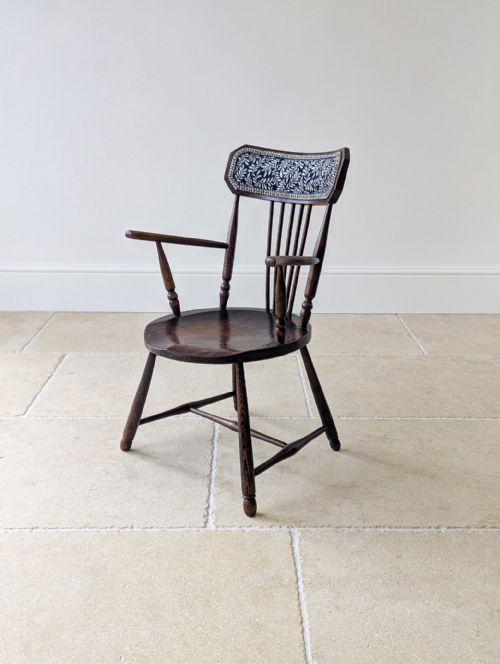
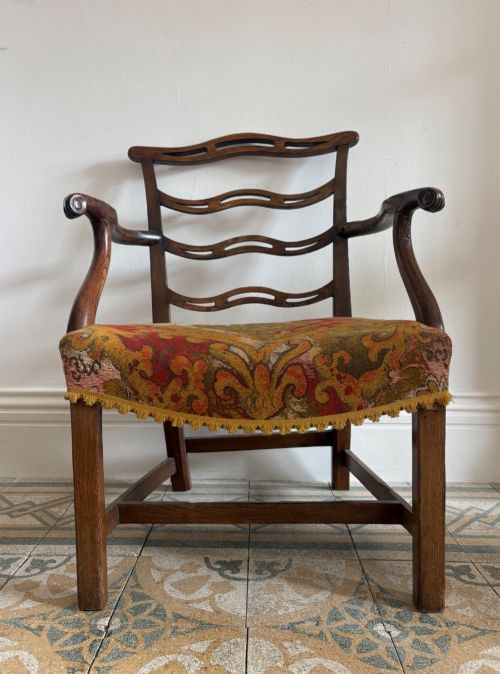
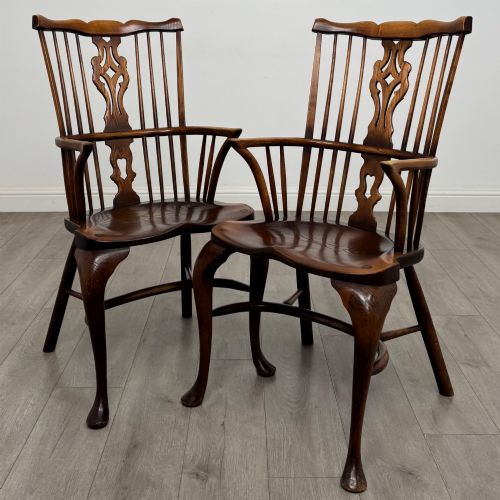
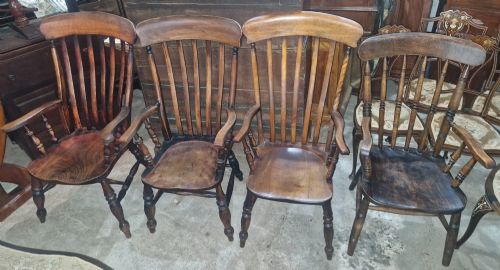
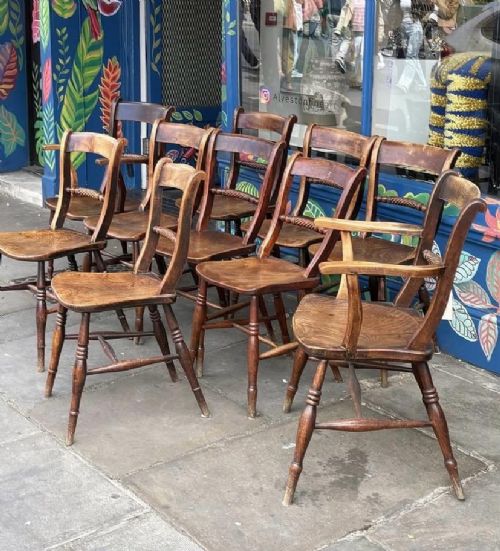
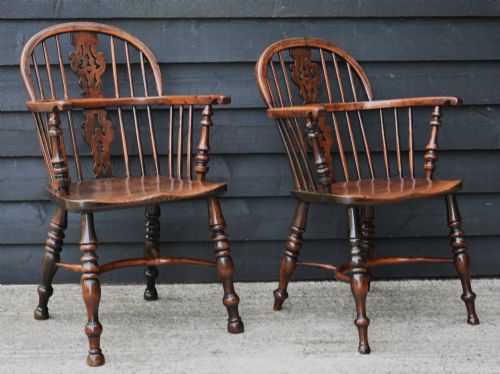
Traditional Elm Carver Chair
A traditional elm carver chair brings rustic warmth and robust vernacular seating to a room, rooted in centuries of English country craftsmanship.
Traditional Elm Carver Chair
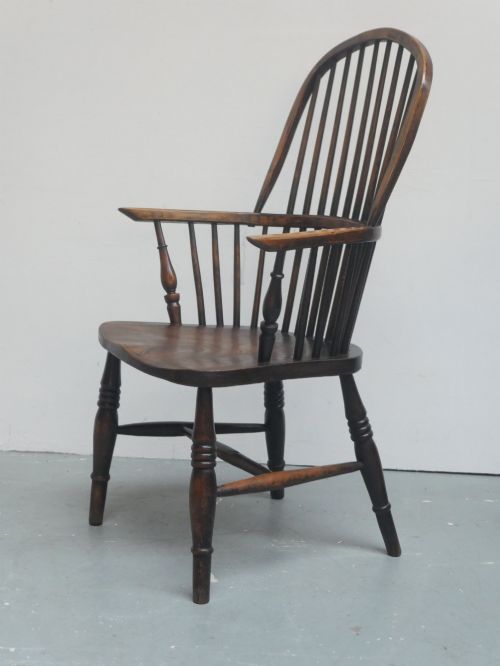
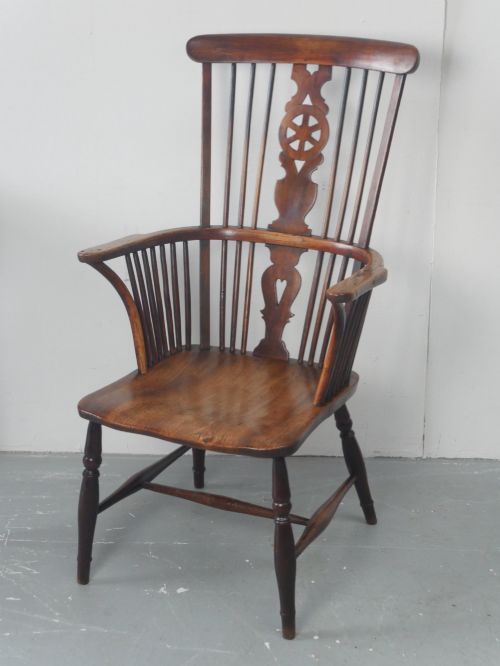
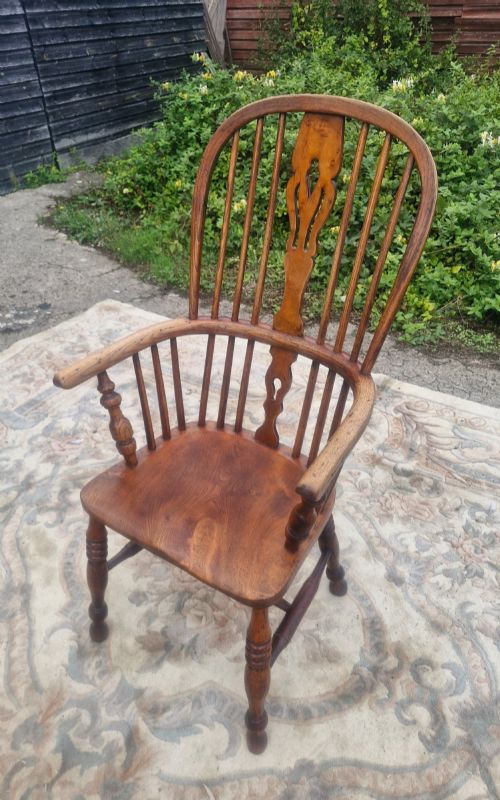
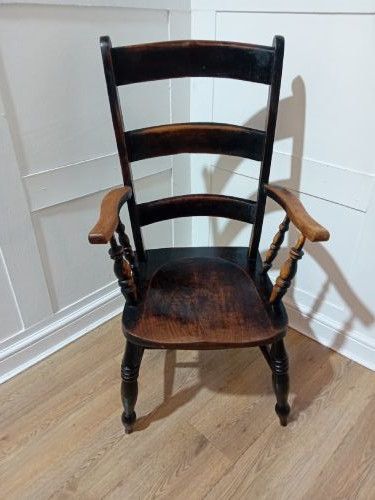
A traditional elm carver chair is a sturdy vernacular armchair designed for the head of a table or fireside use. These pieces embody English country traditions, spanning formal country styles and robust farmhouse seating.
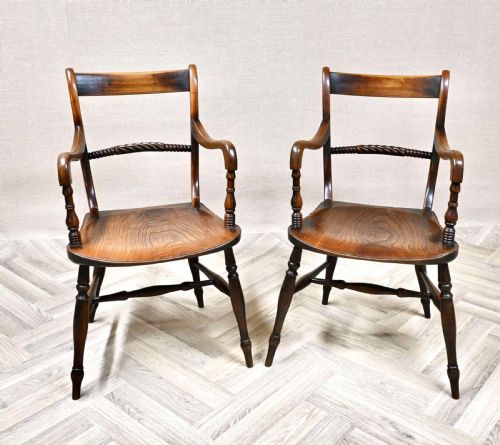
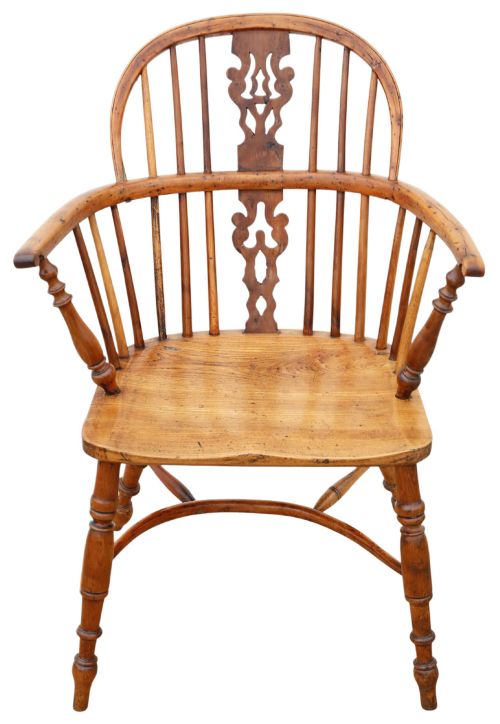
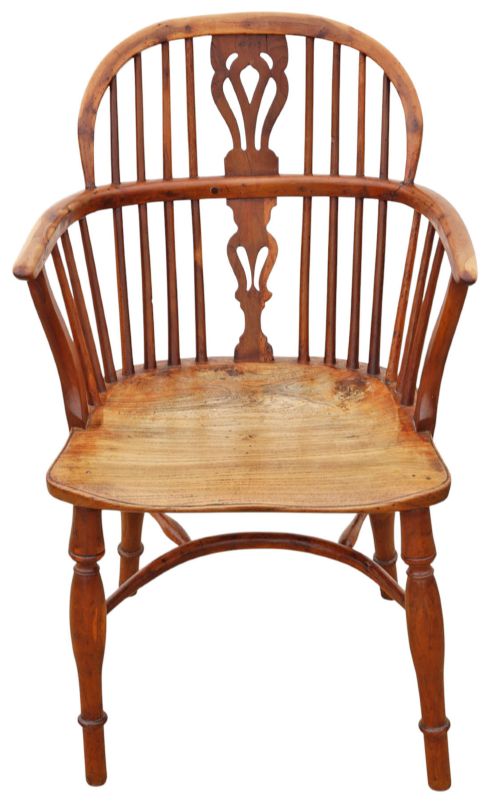
The selections here showcase distinct regional variations from the eighteenth, nineteenth, and early twentieth centuries. Buyers encounter wheelbacks, stickbacks, and comb backs alongside broader Windsor armchairs.
Makers utilised local timbers to build sturdy armchairs intended for daily domestic life. Elm frequently forms the generous seats, paired with ash, beech, or yew for structural parts.
How traditional elm carver chair examples were made
Constructing a traditional elm carver chair required a combination of turned spindles and solid, sculpted timber seats. Craftsmen bored holes into thick elm slabs to receive the legs and back stem components securely.
Makers paired elm with ash, beech, or yew, selecting each timber for specific structural strengths. Flexible ash or yew shaped the bowed backrests, while dense beech served for turned undercarriages and stretchers.
Many examples feature rush seating or solid plank construction finished with organic oils and waxes. Regional workshops relied on simple hand tools to shape comb backs, stick backs, and bar backs.
Materials across the selection include solid elm seats paired with rush pads, fruitwood, and laburnum.
What varies in quality
The quality of a traditional elm carver chair rests in the grain figure of the wood and the integrity of the original construction. Thick, well-figured elm seats show depth and character that thin or replacement panels lack.
Proportion and comfort dictate desirability among regional forms, from Thames Valley variants to provincial wheelbacks. Retaining an original finish and early surface patination elevates an example above stripped or heavily restored pieces.
The Traditional Elm Carver Chair Glossary
- Carver chair
- An armchair designed to match a set of dining chairs, typically positioned at the table ends. These seats feature supportive armrests integrated into the upper frame.
- Windsor chair
- A wooden chair built with a thick solid seat into which the legs and back spindles are independently tenoned. Regional variations include comb backs, stick backs, and wheelbacks.
- Crinoline stretcher
- A bowed or curved stretcher connecting the legs of a chair to provide rigidity and structural stability. This detail often appears on eighteenth and nineteenth century Windsor forms.
- Vernacular furniture
- Objects made by local provincial craftsmen following traditional regional designs rather than formal metropolitan pattern books. These pieces prioritise functional utility using native timbers.
- Rush seat
- A seating surface woven from dried marsh rushes twisted into cords. This traditional method creates a textured, flexible pad supported by an underlying frame.
Traditional Elm Carver Chair: Frequently Asked Questions
What is a traditional elm carver chair?
A traditional elm carver chair is a wooden armchair featuring a sculpted elm seat and a supportive backrest. These pieces originated in English country workshops for domestic dining and parlour use.
Craftsmen built them using a combination of native timbers like ash, beech, and yew. They serve as functional seating with distinct regional styles developed across the eighteenth and nineteenth centuries.
How do I date a traditional elm carver chair?
Dating involves examining the construction methods, tool marks, wood species, and overall form. Earlier eighteenth-century pieces often display comb backs or vernacular Windsor designs, while Victorian examples introduce bar backs and mixed beech framing.
Patina, wear patterns, and joinery techniques also help determine the age of an armchair. Comparing the specific regional design traits to documented country furniture timelines clarifies the period.
Were these chairs used for dining?
These armchairs served multiple domestic purposes, including dining at the head of a table and general seating by a hearth. Their sturdy construction suited daily family life in farmhouses and country homes.
Dining sets often included a pair of carvers alongside matching side chairs. The integrated armrests provided added comfort during long meals.
How do I care for elm and rush furniture?
Care requires maintaining stable indoor humidity and applying occasional natural wax to nourish the wood surface. Direct sunlight and extreme heat sources should be avoided to prevent timber splitting.
Rush seats benefit from gentle dusting and protection from excessive moisture. Keeping the environment stable preserves the original finish and structural integrity of the timber.