


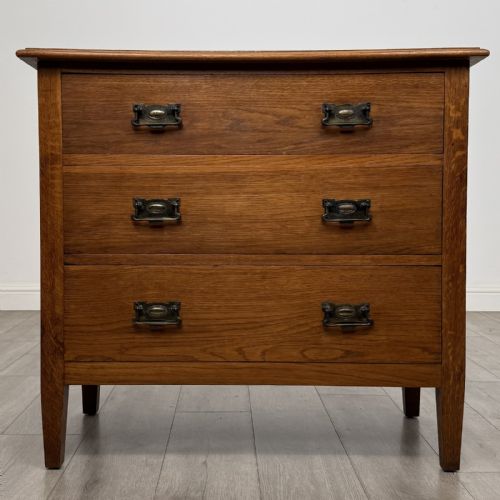
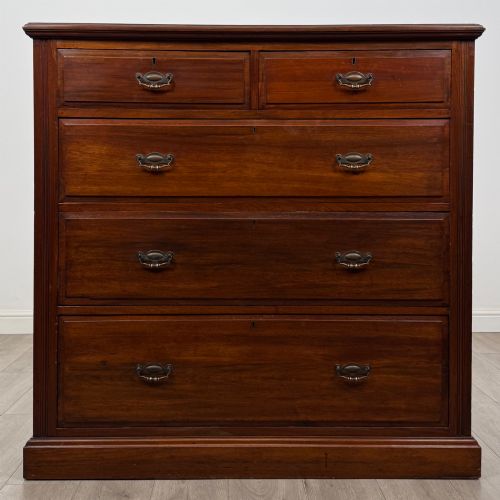
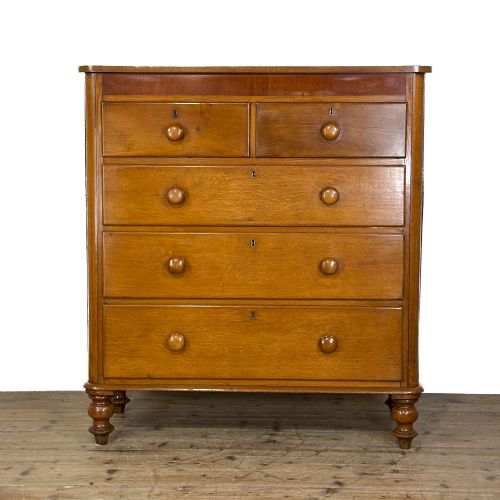
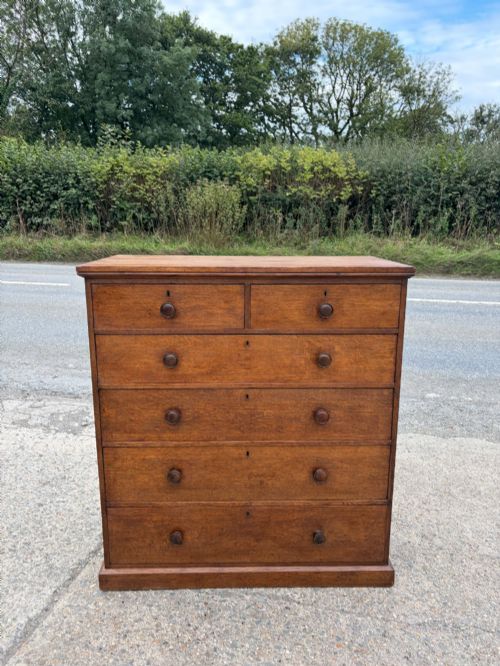

Traditional Drawer Unit
When you search for a traditional drawer unit, you are looking at chest of drawers forms spanning Georgian, Victorian, and Edwardian periods in oak, mahogany, and pine.
Traditional Drawer Unit
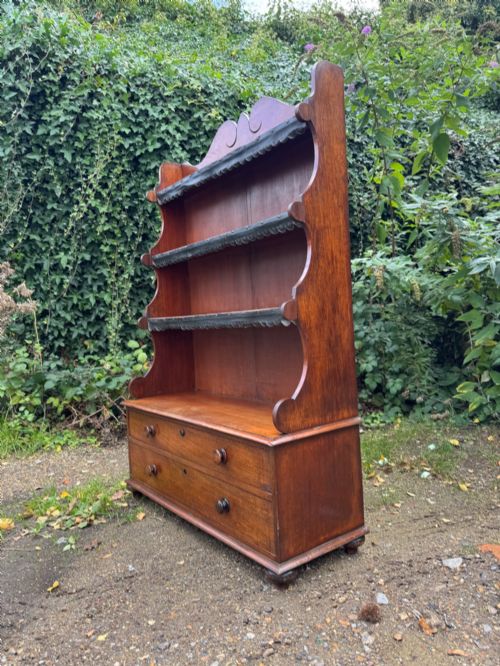
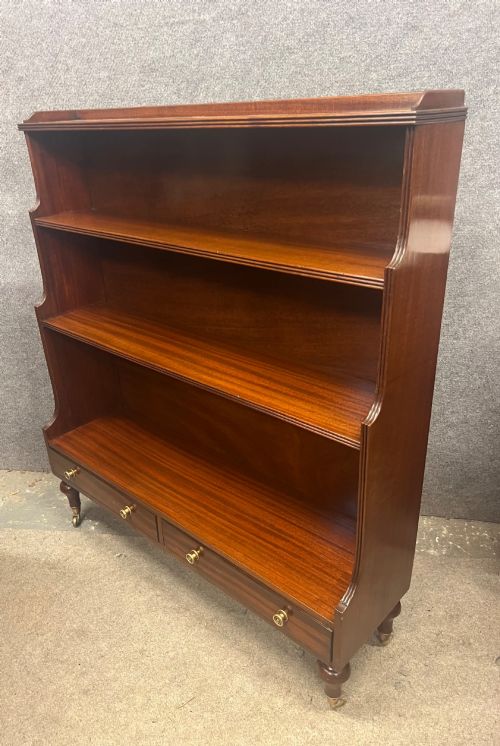
A traditional drawer unit primarily takes the form of a chest of drawers, alongside related pieces such as dressers, apothecary cabinets, and bookcases with lower drawers. These items emerge from periods including the 18th century, Georgian, Victorian, Edwardian, and the early 20th century.
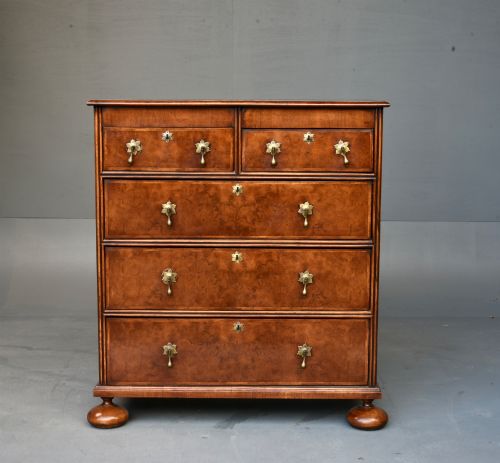
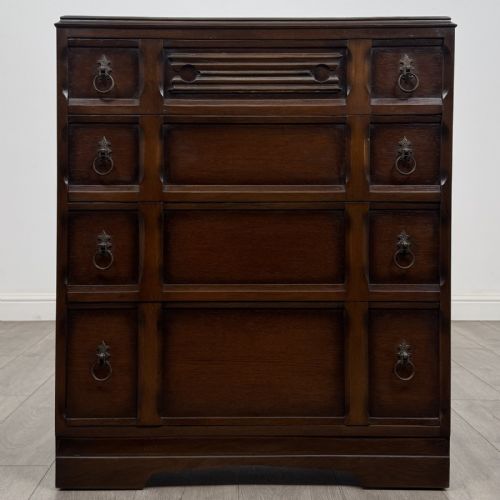
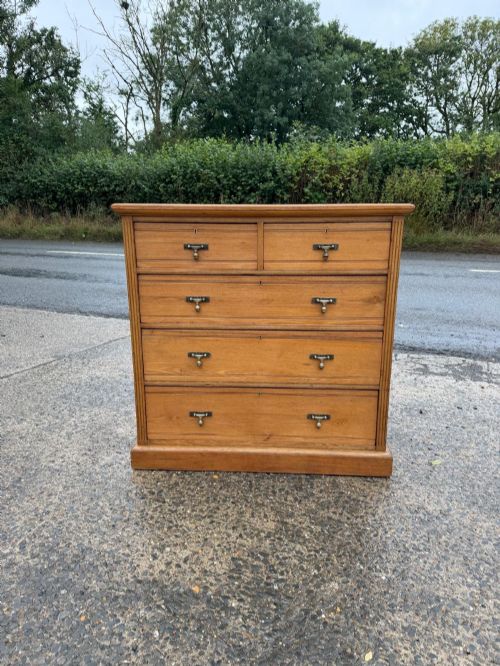
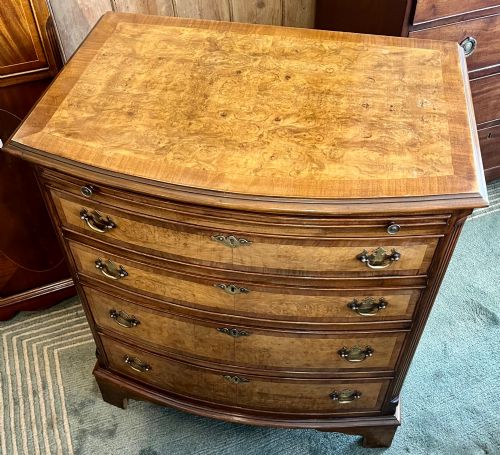
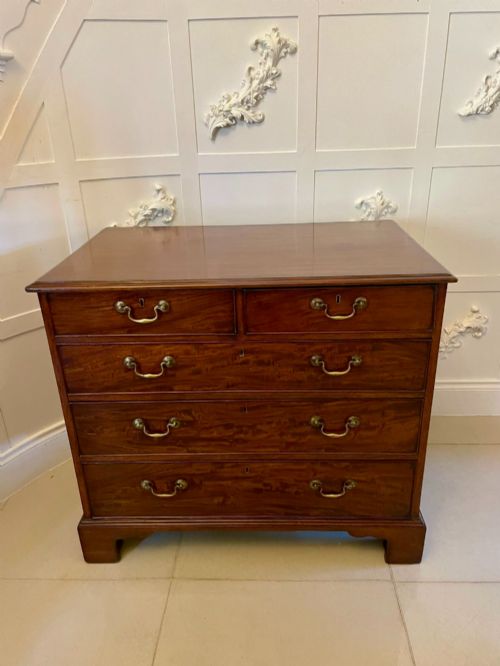
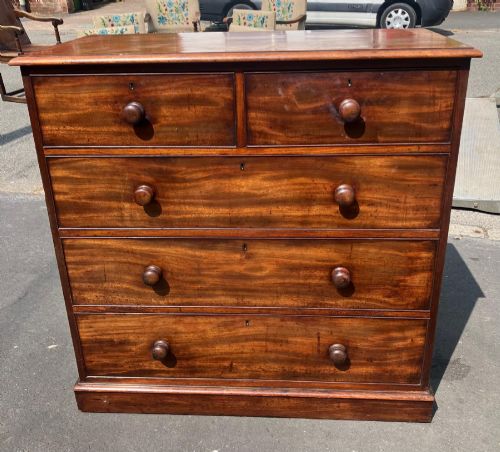
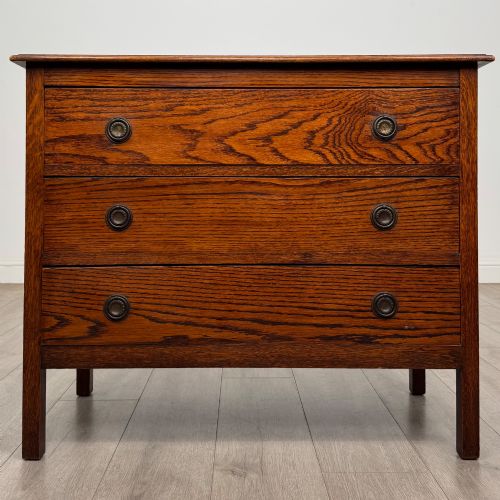
The most common version you will encounter on this page is the wooden chest of drawers, configured in various arrangements like two-over-three or graduated formats. They originate from English, Victorian country, and regional traditions, utilising timber frames built for domestic storage.
Beyond standard chests, the selection extends to specialised forms like Chinese medicine cabinets with numerous small compartments, bachelor chests, and low golden oak storage units. Each variation reflects the prevailing domestic storage needs of its respective century.
How they were made
Construction relies heavily on traditional hardwoods and softwoods, predominantly oak, mahogany, and pine, often accented with walnut, burr walnut, yew wood, and brass for handles and galleries. Cabinet makers utilised solid timbers alongside figured veneers, particularly on 19th-century and Edwardian pieces.
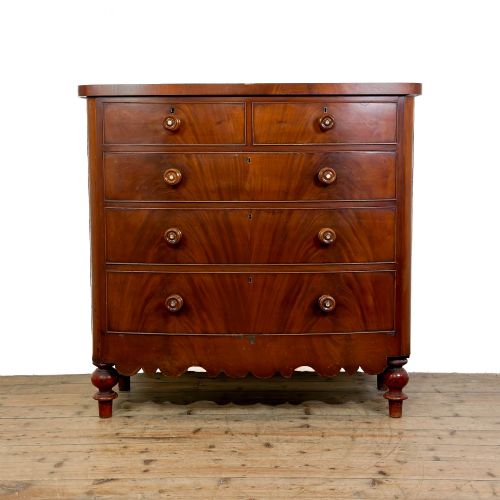
Surface finishes and joinery methods define the physical build of these units, ranging from waxed pine surfaces to polished flame mahogany and carved oak details. Hardware such as original brass acorn handles and turned wooden knobs complete the construction of the drawer fronts.
Traditional Drawer Unit Retail Price Guide 2026
Typical asking prices for traditional drawer unit among the pieces listed under this phrase on Sellingantiques today, from the lower quarter to the upper quarter. They describe what is for sale here now, not the wider market.
Listings feature oak, mahogany, pine, and walnut across Georgian, Victorian, and Edwardian periods.
What varies in quality
Quality in a traditional drawer unit rests on the selection of timber figures, such as flame mahogany or burr walnut, and the integrity of the original hardware like brass handles and turned legs. Finer examples display carefully matched wood grain across graduated drawer fronts and clean structural proportions.
The Traditional Drawer Unit Glossary
- Graduated drawers
- A series of drawers in a single unit that decrease in depth from the bottom to the top. This arrangement provides stable weight distribution and visual balance.
- Bow-front
- A cabinet front that curves outward in a convex shape. This style became popular during the Georgian and later periods for chests and sideboards.
- Raised gallery
- A low decorative railing or superstructure fitted to the top surface of a cabinet or chest. It prevents items placed on top from sliding off.
- Flame mahogany
- A veneer cut from the fork of the mahogany tree where the branch meets the trunk. It creates a distinctive, fiery flame-like pattern across the wood surface.
- Apothecary cabinet
- A multi-drawer storage unit historically used by pharmacists to organise herbs, medicines, and dry ingredients. They feature numerous small drawers, sometimes numbering in the dozens.
Traditional Drawer Unit: Frequently Asked Questions
What periods do these drawer units come from?
The pieces span the 18th century, Georgian, Victorian, Edwardian, and early 20th century eras.
Craftsmanship and timber choices shift noticeably across these timelines, moving from Georgian mahogany and 18th-century pine to Victorian oak and Edwardian walnut variants.
How do I identify a Georgian chest of drawers?
Georgian pieces often feature straight-front or bracket-foot designs executed in solid mahogany or oak.
They rely on clean proportions and understated hardware, distinguishing them from the more heavily carved or turned styles of the later Victorian period.
What woods are most common in these units?
Oak, mahogany, and pine form the vast majority of the timber seen across these listings.
Finer decorative pieces additionally employ walnut, burr walnut, yew wood, and flame mahogany veneers to enhance the visual grain.
Where were these drawer units originally used?
They served as primary domestic storage furniture in bedrooms, hallways, kitchens, and studies.
Specialised variants like apothecary cabinets and bachelor chests fulfilled specific commercial or personal functions in professional and domestic spaces.