

Traditional Double Wardrobe
A traditional double wardrobe provides generous storage in timber, spanning periods from the Georgian era to the twentieth century.
Traditional Double Wardrobe
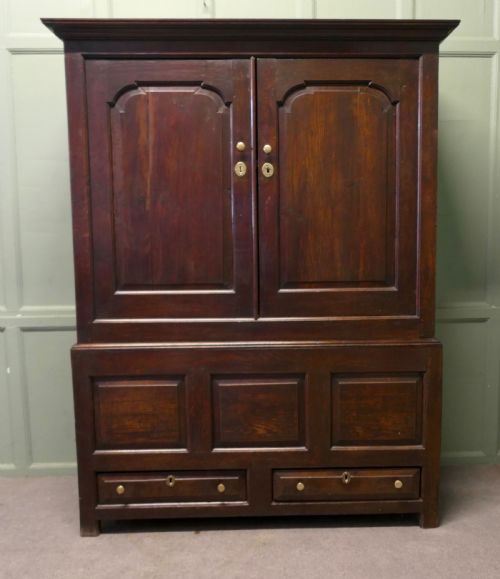
When searching for a traditional double wardrobe, buyers encounter large storage pieces designed for hanging garments or folding linens. The items appearing on this page span several centuries, including Georgian, Victorian, and later pieces from the nineteenth and twentieth centuries.
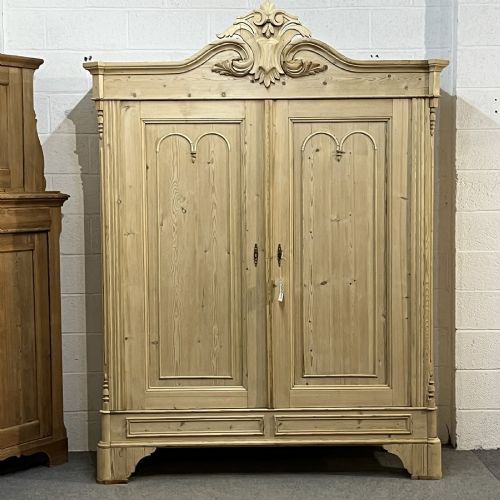
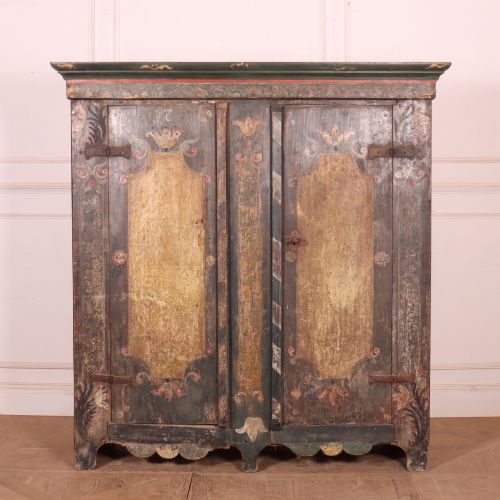
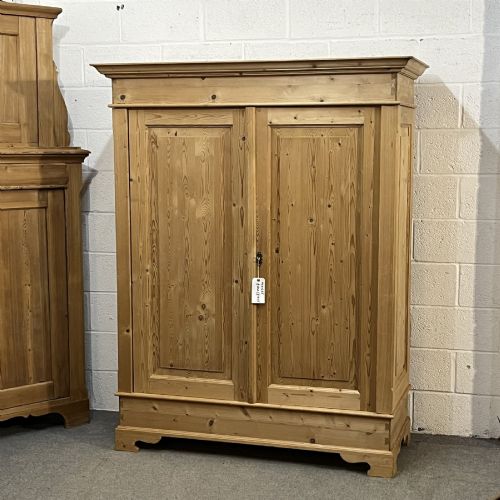
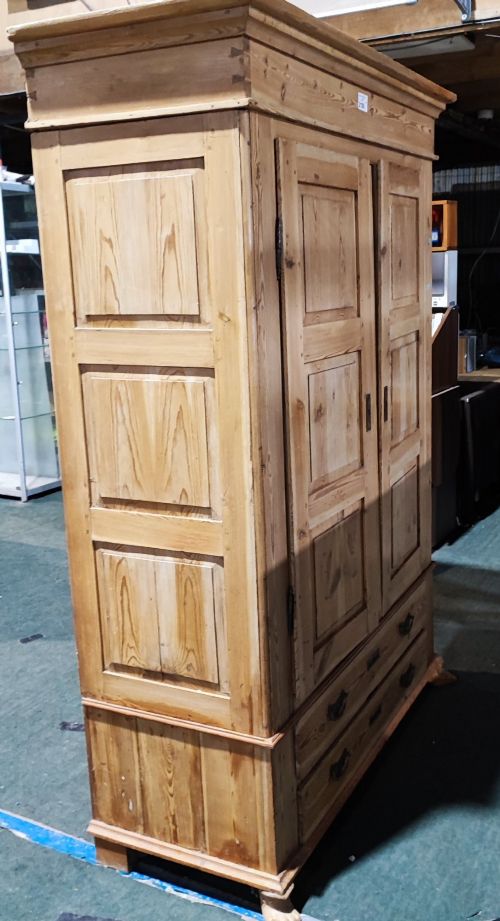
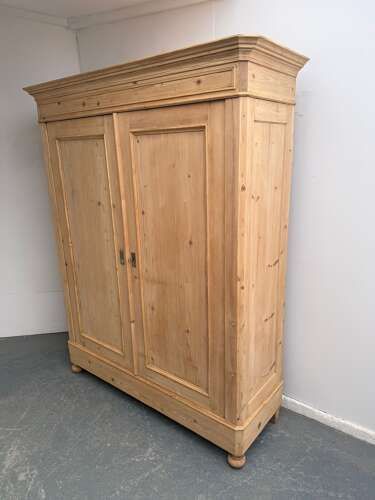
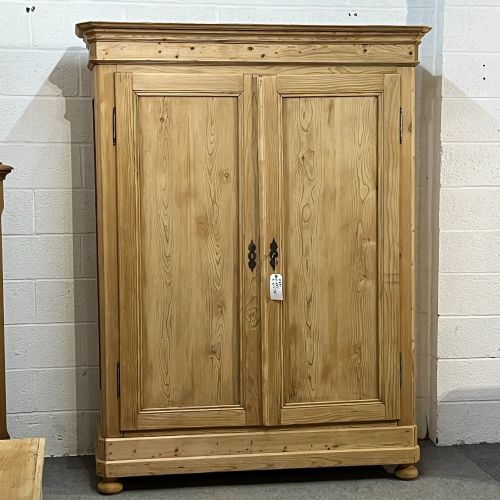
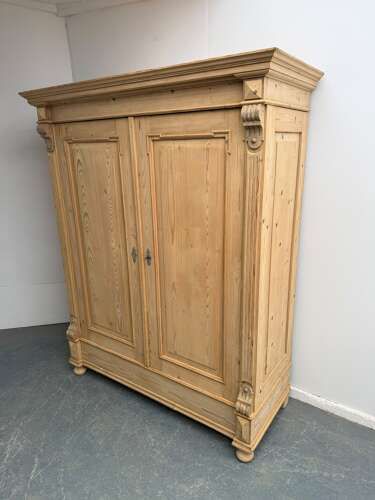
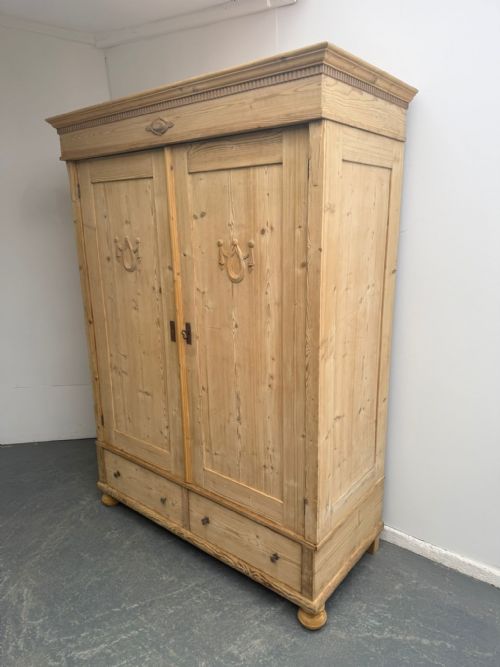
Pine examples dominate the selection, often found in knockdown forms that dismantle for transport, alongside hardwood alternatives in mahogany, oak, and walnut. Regional variations include French armoires and English country cupboards, which utilise local timbers and traditional construction methods.
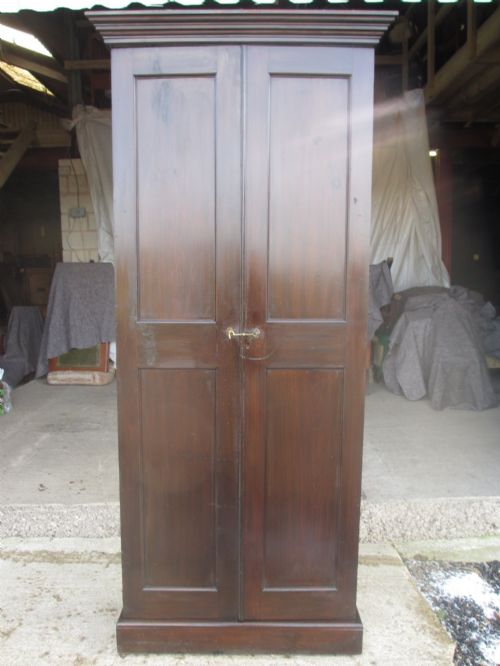
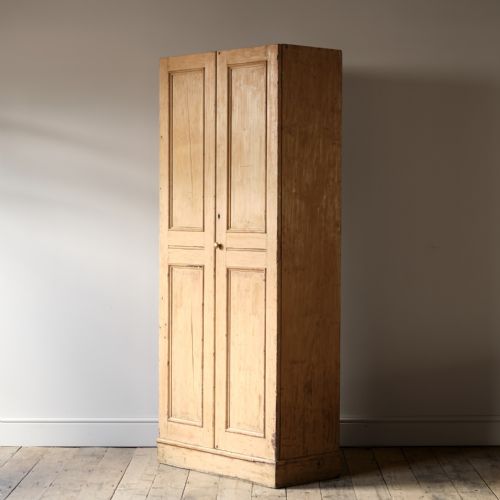
Forms range from simple two-door cupboards and linen presses to grand architectural armoires fitted with internal shelving or hanging space. These pieces serve domestic storage needs while displaying the distinct proportions and mouldings of their respective periods.
How they were made
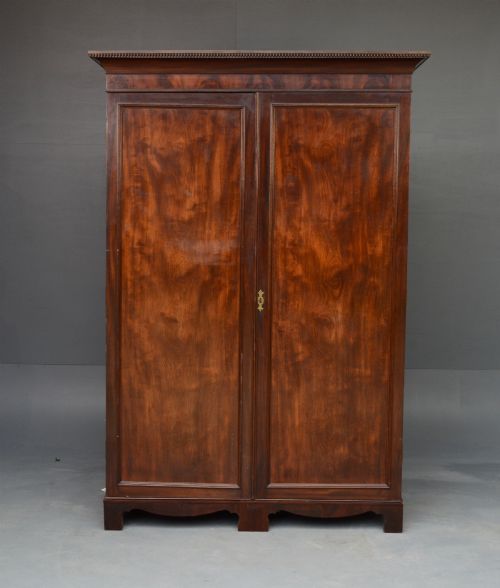
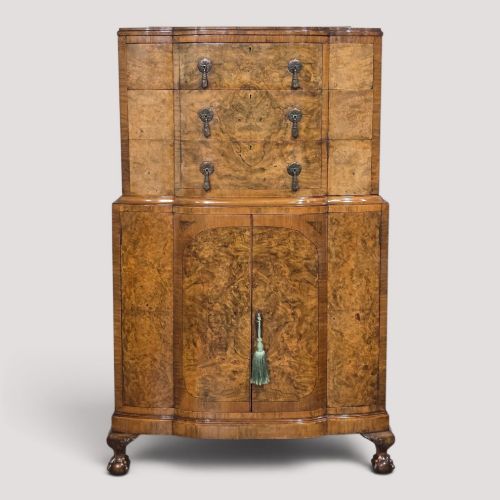
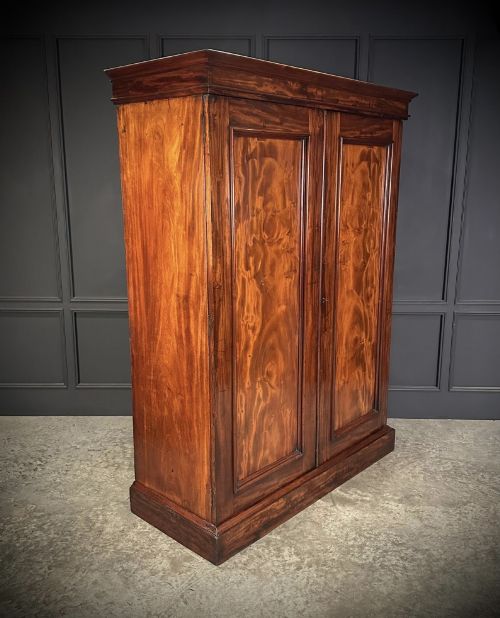
Joiners constructed these wardrobes using solid timbers such as pine, oak, and mahogany, frequently applying flame mahogany veneer to decorative surfaces on higher-status pieces. Brass and iron hardware, including hinges, locks, and handles, secured the heavy doors and internal fittings.
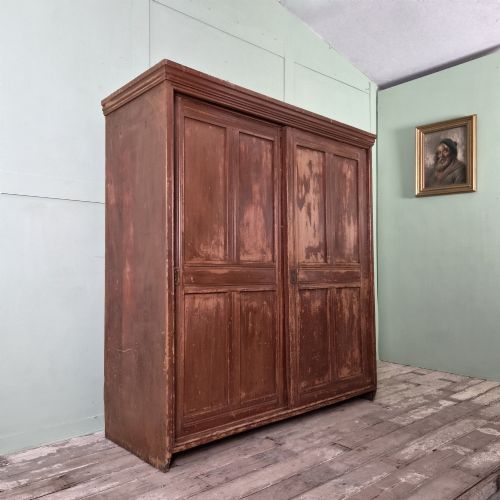
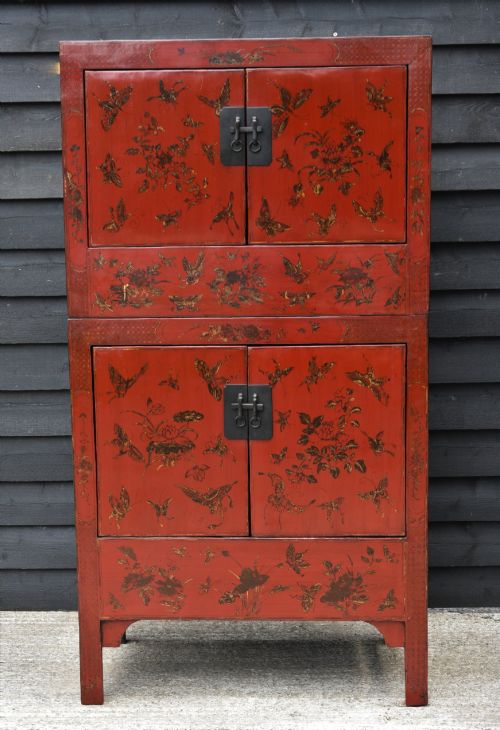
Many nineteenth-century examples utilise knockdown construction, allowing the carcase to separate into manageable sections for moving between rooms. Surface treatments vary from natural waxed finishes to painted surfaces, including traditional red lacquer and light grey paint.
Traditional Double Wardrobe Retail Price Guide 2026
Typical asking prices for traditional double wardrobe among the pieces listed under this phrase on Sellingantiques today, from the lower quarter to the upper quarter. They describe what is for sale here now, not the wider market.
Regional variations include French oak armoires, Swedish ragwork pine cupboards, and English country housekeeping cabinets alongside standard double wardrobes.
What varies in quality
The choice of primary timber and secondary wood dictates the underlying quality of the piece, with dense hardwoods and burr walnut veneers representing finer production than utilitarian softwoods. Cabinetmaking skill shows in the precision of the joinery, the execution of applied mouldings, and the integration of fielded panels.
Proportion and architectural presence separate standard storage cupboards from superior examples, particularly in Georgian and Victorian pieces where classical details are correctly scaled. The survival of original brass hardware, working locks, and interior shelving or hanging rails also influences the standing of an individual wardrobe.
The Traditional Double Wardrobe Glossary
- Knockdown
- A piece of furniture designed to dismantle into separate panels and sections for easier transport and assembly. This method is particularly common in nineteenth-century pine wardrobes.
- Linen press
- A tall cupboard featuring sliding trays or shelves in the upper section for storing folded textiles, often sitting above a base with wider drawers. Georgian and Victorian examples frequently use mahogany or oak.
- Armoire
- A large freestanding cupboard or wardrobe of continental European origin, typically featuring double doors and deep internal storage. French examples in oak and pine appear frequently.
- Flame mahogany veneer
- A thin slice of mahogany timber cut from the fork of the tree to create a distinctive flickering flame pattern. This decorative surface treatment appears on fine case pieces.
- Housekeeper cupboad
- A large storage cabinet traditionally used in country houses for provisions and household linens. These substantial pieces are typically constructed from oak or pine.
Traditional Double Wardrobe: Frequently Asked Questions
What is a knockdown wardrobe?
A knockdown wardrobe is built to be taken apart into separate panels, cornices, and bases rather than standing as one fixed carcase. This construction method helped installers move large furniture up narrow staircases.
Most nineteenth-century pine wardrobes on this page use this system, secured with interior wooden pegs or metal bolts.
Are these wardrobes supplied waxed or painted?
The pieces appear in various finishes, including bare pine ready for finishing, traditional clear wax, and original painted surfaces. Some listings note options to wax or paint the exterior to match domestic interiors.
Unfinished pine furniture often benefits from a protective wax coat to nourish the timber.
How do I date a traditional wooden wardrobe?
Dating relies on examining the timber species, construction techniques, hardware, and stylistic mouldings. Georgian pieces show classical proportions and mahogany veneers, while Victorian examples often feature heavy pine carcases or moulded cornices.
Twentieth-century items typically display simpler internal fittings and lighter construction.