
Traditional Dining Table Lighting
Traditional dining table lighting comprises sturdy brass candlesticks and silver plated candelabras designed to illuminate communal meals.
Traditional Dining Table Lighting
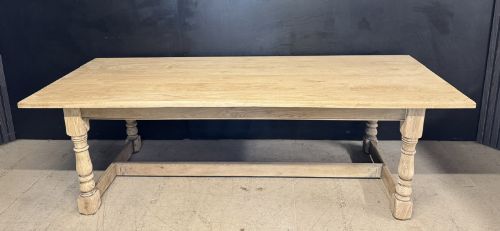
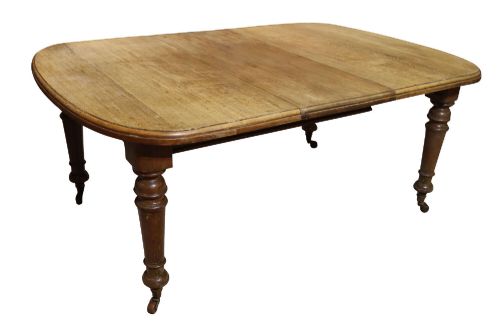
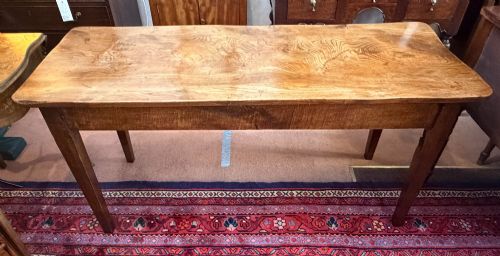
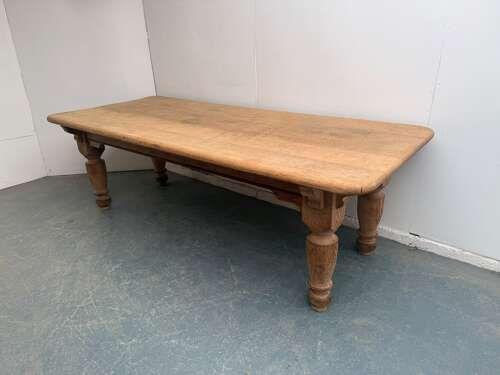
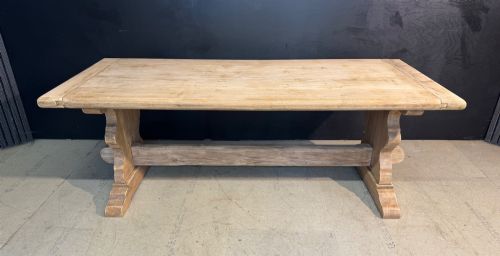
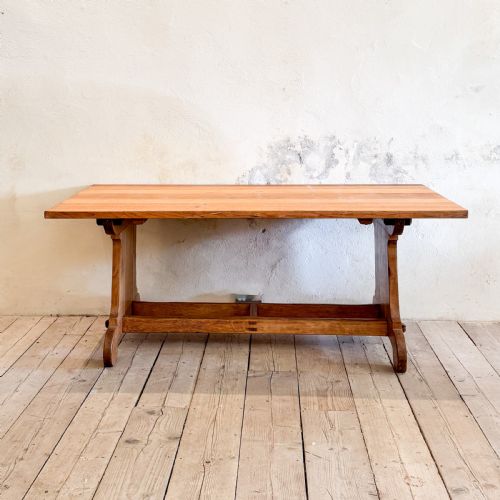
Traditional dining table lighting centres upon brass candlesticks and silver plated or sterling silver candelabras that bring functional illumination to surface settings. These pieces accompany large oak dining tables and refectory forms originating across the nineteenth and twentieth centuries.
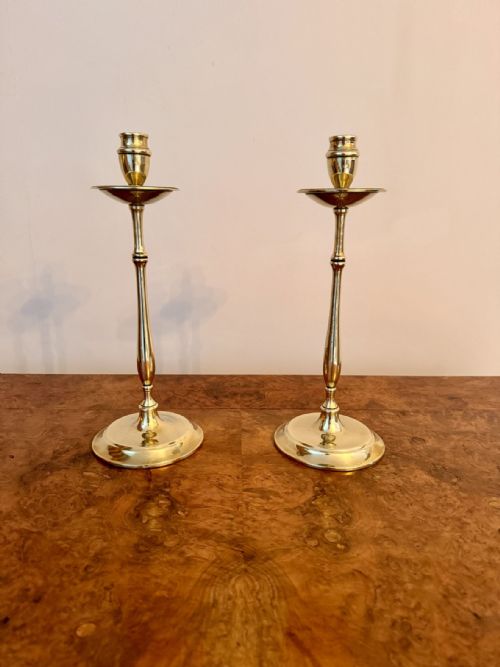
Buyers meeting this phrase most frequently encounter pairs of heavy brass candlesticks alongside multi-branch candelabras dating from the Victorian and Edwardian eras. Such lighting items create the characteristic ambience associated with period dining spaces.
The selection ranges from rustic iron forms to refined Georgian style silver pieces manufactured in continental workshops or English centres. Each object reflects the domestic lighting traditions of its specific period of production.
Materials and construction methods
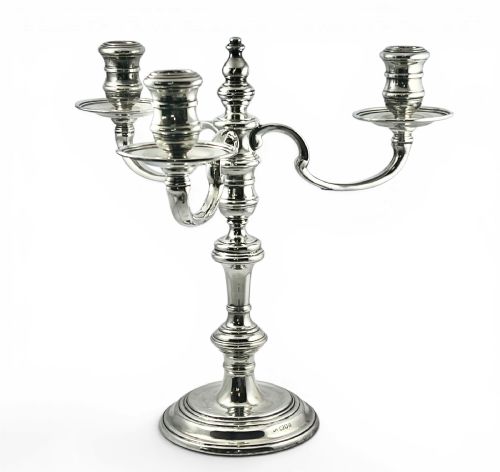
Metalwork forms dominate this category, utilising cast and turned brass alongside silver plate and solid sterling silver. Candelabras often feature multiple branches constructed to hold several candles simultaneously.
Makers employed traditional casting and smithing techniques to shape durable brass into baluster stems and ornate bases. Silver pieces received careful plating or solid construction, reflecting the prevailing craftsmanship of the nineteenth and twentieth centuries.
Current listings feature metal lighting items spanning the Victorian, Edwardian, and mid-twentieth-century periods, constructed from brass, silver plate, and sterling silver.
Assessing quality in period lighting
Quality rests upon the weight of the metal casting and the precision of the turning work on stems and bases. Superior brass and silver pieces display crisp detail in their ornamentation rather than soft, worn edges from repetitive polishing.
Proportion and balance dictate the architectural success of larger candelabras, where multi-branch assemblies must remain stable and upright. Pieces demonstrating robust construction and clear hallmarks or maker marks occupy the upper tier of the range.
Barker Ellis
The Traditional Dining Table Lighting Glossary
- Candelabra
- A branched lighting fixture designed to hold multiple candles at once. These large table centrepieces often feature three or more individual lights.
- Baluster
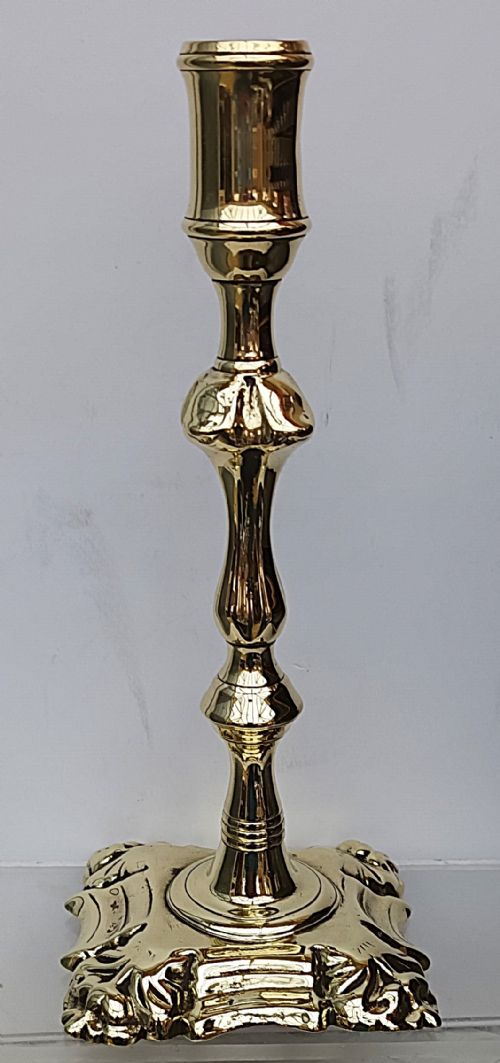
- A moulded shaft with a swelling lower portion resembling a classical column. This shape frequently appears in the stems of Victorian and Edwardian brass candlesticks.
- Silver Plate
- A thin layer of silver bonded to a base metal core such as copper or brass. This technique allowed makers to produce items with the appearance of solid silver at a lower cost.
- Refectory
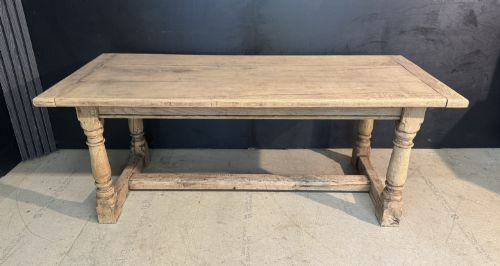
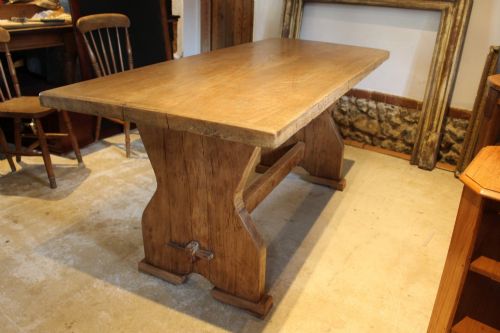
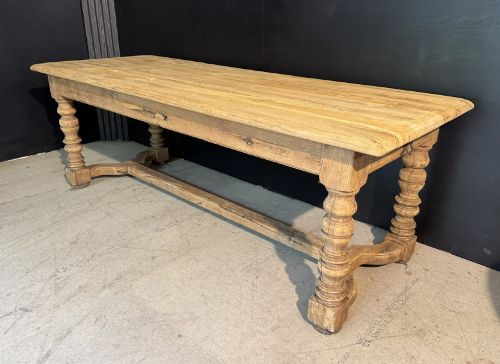
- A long dining table style originating from monastic dining halls. Such sturdy tables frequently provide the surface upon which these traditional lighting pieces sit.
- Sterling Silver
- An alloy consisting of silver and other metals to ensure durability for domestic objects. Items bearing this designation meet strict purity standards.
Traditional Dining Table Lighting: Frequently Asked Questions
What is traditional dining table lighting?
Traditional dining table lighting consists of portable candle holders such as brass candlesticks and silver plated candelabras placed directly on dining surfaces. These objects provided the primary illumination for meals before the widespread adoption of electric lighting.
Items in this category span the nineteenth and twentieth centuries, incorporating styles from Georgian revivals to Arts and Crafts designs. They serve both a practical lighting function and a decorative role in historic dining settings.
How were candelabras used on dining tables?
Candelabras were placed centrally on large refectory and farmhouse dining tables to cast light across communal meals. Multi-branch designs allowed multiple candles to burn simultaneously, illuminating larger gatherings.
In prosperous households, matched pairs of candelabras created symmetrical arrangements that enhanced the formality of the dining room. Their height was calculated to provide illumination without obstructing the view across the table.
How do I identify Victorian candlesticks?
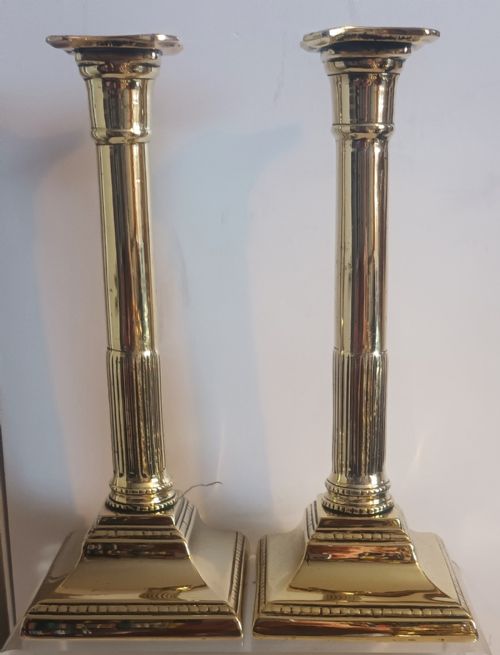
Victorian candlesticks often feature heavy brass casting with baluster stems and substantial square or stepped bases. They reflect the period's preference for robust construction and ornate, classical revival detailing.
Comparing the weight, casting crispness, and overall proportions helps distinguish nineteenth-century examples from later twentieth-century reproductions. Makers during this era utilised durable brass alloys designed to withstand frequent polishing.
How do I care for silver plated candelabras?
Care for silver plated candelabras requires gentle cleaning with specialised silver cloths to prevent wearing through the thin plated layer to the base metal underneath. Regular, careful dusting preserves the finish without abrasive friction.
Avoiding harsh chemical dips protects the integrity of soldered joints and decorative surface chasing. Storing pieces in stable, dry environments prevents accelerated tarnish accumulation.