




Traditional Diamond Ring
A traditional diamond ring combines enduring metals with precious stones from periods spanning the Victorian era to the mid-century.
Traditional Diamond Ring
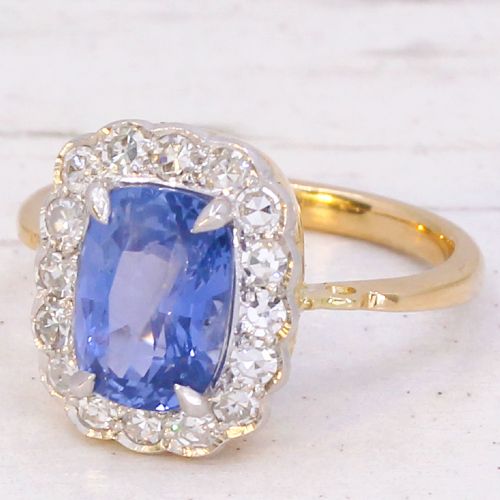
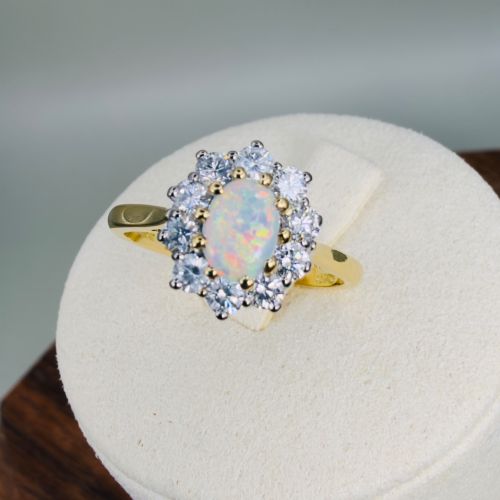
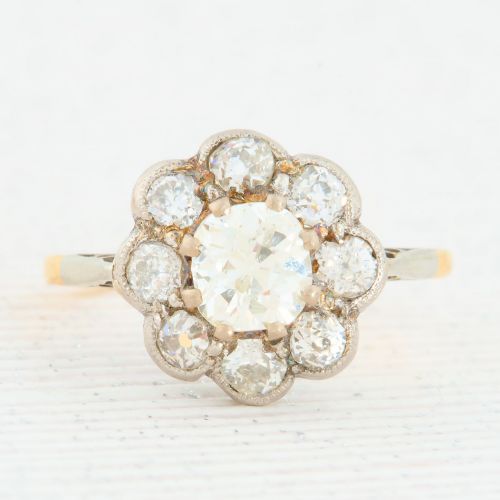
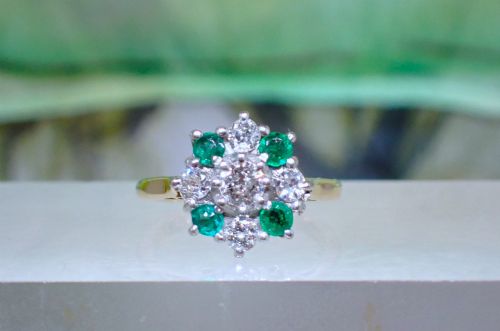
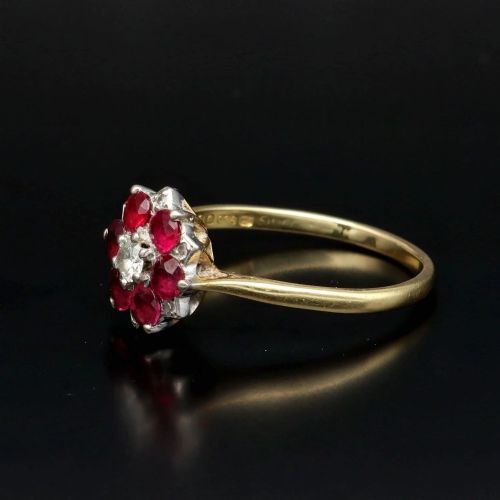
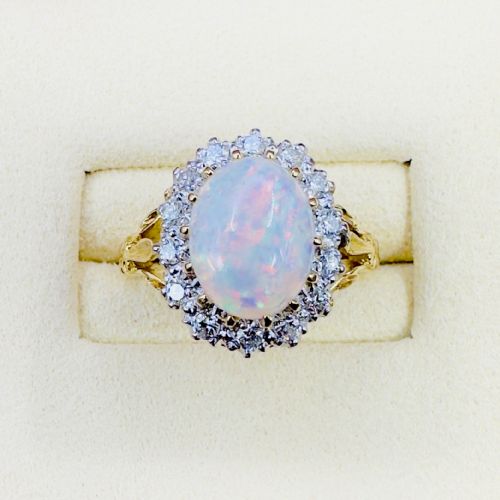
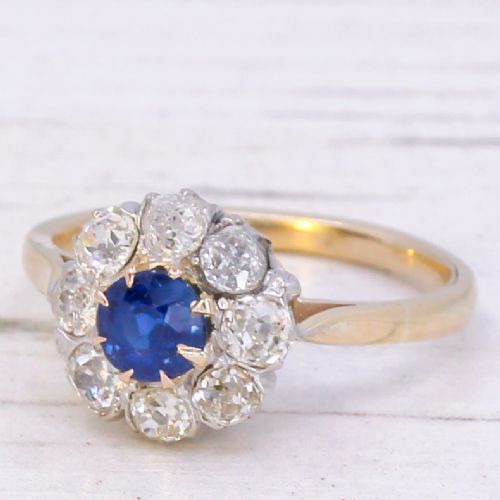
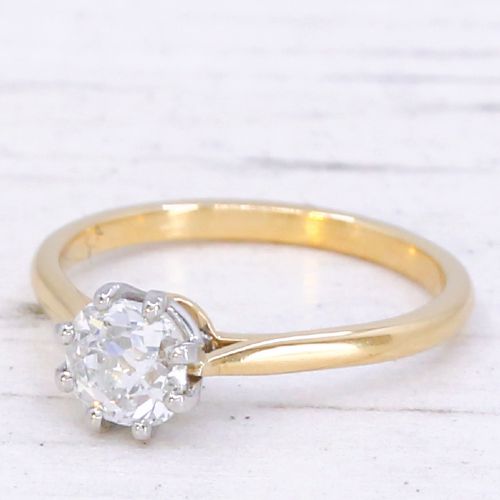
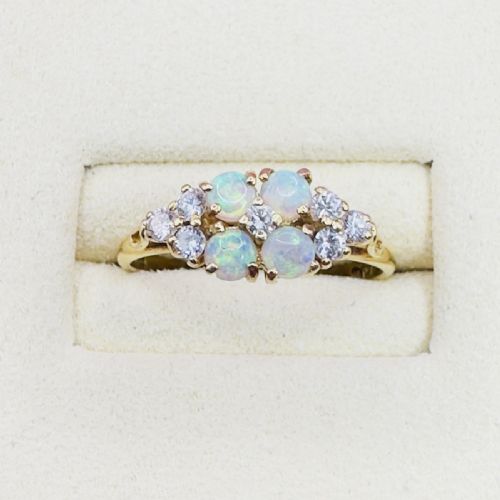
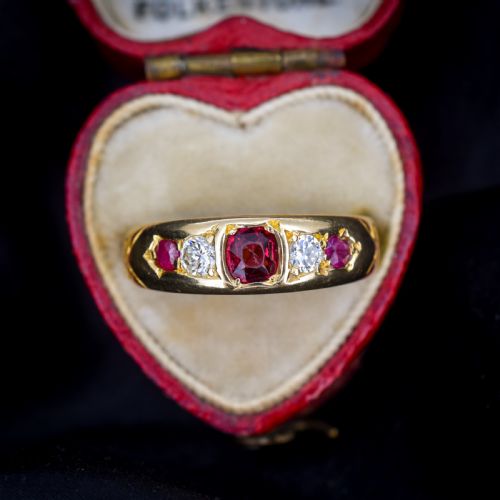
Cluster configurations featuring central diamonds surrounded by sapphires, rubies, emeralds or opals appear frequently alongside single stone solitaires. The designs draw upon classic styles that emphasise symmetrical gemstone arrangements and precious metal mountings.
Origins trace across various decades, with pieces originating from the late nineteenth century through to the nineteen-sixties. Buyers find both antique examples featuring old cut stones and vintage mid-century specimens.
How they were made
The construction of these items relies upon precious metals including eighteen carat yellow gold, eighteen carat white gold, nine carat gold, platinum and occasionally twenty-two carat gold. Goldsmiths mounted stones using illusion settings, claw settings and band integrations suited to each specific era.
Gemstones such as diamonds, rubies, sapphires, emeralds and opals are shaped into old cuts, old cushion cuts, mine cuts, cabochons and round cuts. Metalwork combines casting and hand-finishing techniques typical of historic jewellery workshops.
Listings incorporate items from the Victorian period, nineteen-twenties, nineteen-thirties, nineteen-fifties and nineteen-sixties in gold and platinum.
What varies in quality
Quality differences stem from the clarity, carat weight and cut of the primary diamonds, alongside the depth of colour found in accompanying stones like sapphires, rubies or opals. Stone proportions and the precision of the setting technique separate exceptional examples from standard production.
The integrity of the precious metal mount, the preservation of original gemstone facets and the presence of independent gem reports contribute significantly to the standing of each piece.
The Traditional Diamond Ring Glossary
- Cluster ring
- A ring featuring a central gemstone surrounded by a border of smaller stones. This design format maximises visual presence on the hand.
- Solitaire ring
- A piece set with a single gemstone, typically a diamond. This form places total visual focus upon the central stone.
- Old cut diamond
- A diamond cut using historical hand methods prior to modern standardised faceting. These stones exhibit distinctive softer light return.
- Cabochon
- A gemstone shaped and polished with a smooth, rounded surface rather than faceted edges. Opals frequently utilise this form.
- Half eternity ring
- A band set with gemstones across the upper half of the circumference. This style offers comfortable everyday wear.
Traditional Diamond Ring: Frequently Asked Questions
What periods do these rings date from?
The inventory includes items originating from the Victorian and Edwardian eras, through the nineteen-twenties and nineteen-thirties Art Deco period, up to mid-century nineteen-fifties and nineteen-sixties designs.
Each period exhibits distinct mounting styles and gemstone cutting techniques that help identify its era of origin.
Which metals are used in these mountings?
Mountings utilise eighteen carat yellow gold, eighteen carat white gold, nine carat gold, twenty-two carat gold and platinum.
Platinum and white gold appear frequently in twentieth-century pieces, while yellow gold spans both Victorian and later vintage eras.
Are coloured gemstones combined with diamonds?
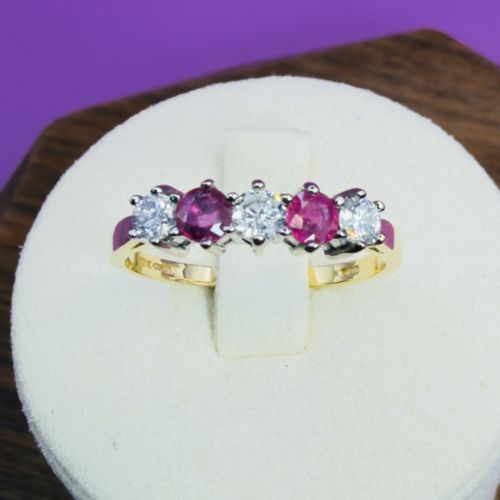
Many designs pair diamonds with rubies, sapphires, emeralds or opals within cluster and multi-stone configurations.
These coloured stones provide contrast against the central or surrounding diamonds within the metal setting.