

Traditional Crimson Carpet
A traditional crimson carpet brings grounded warmth and centuries of weaving heritage directly onto the floor.
Traditional Crimson Carpet
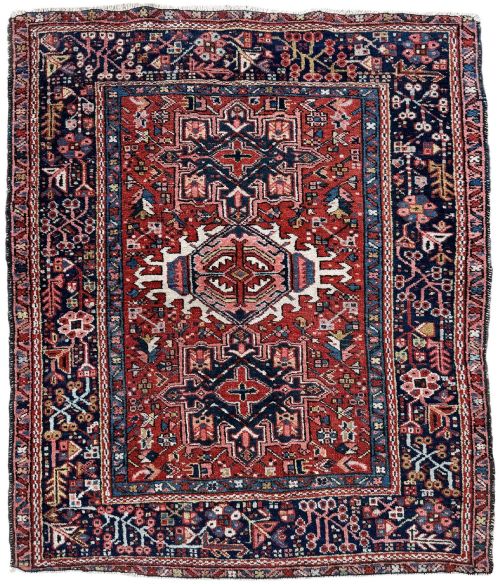
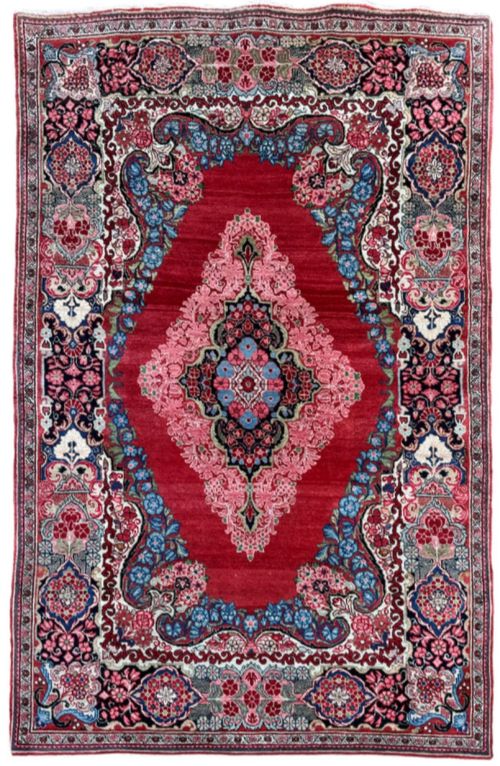
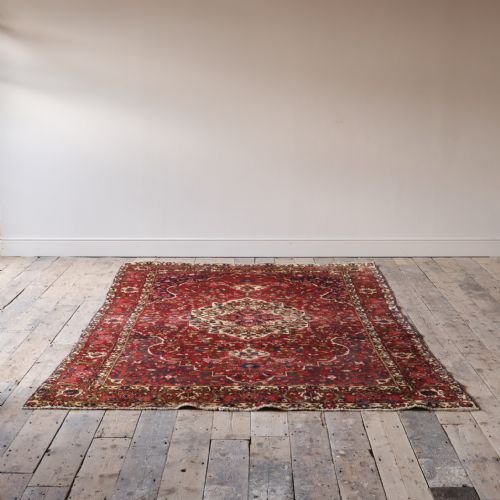
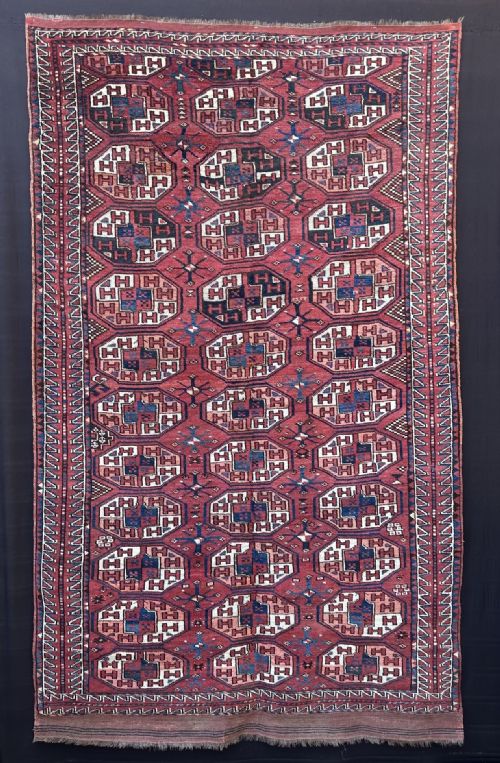
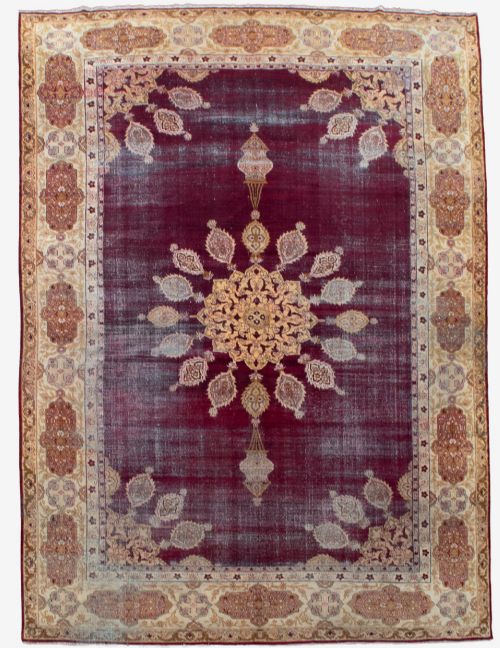
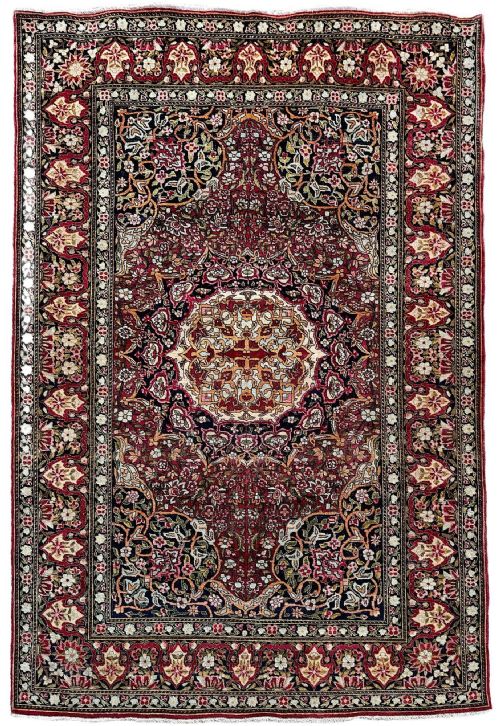
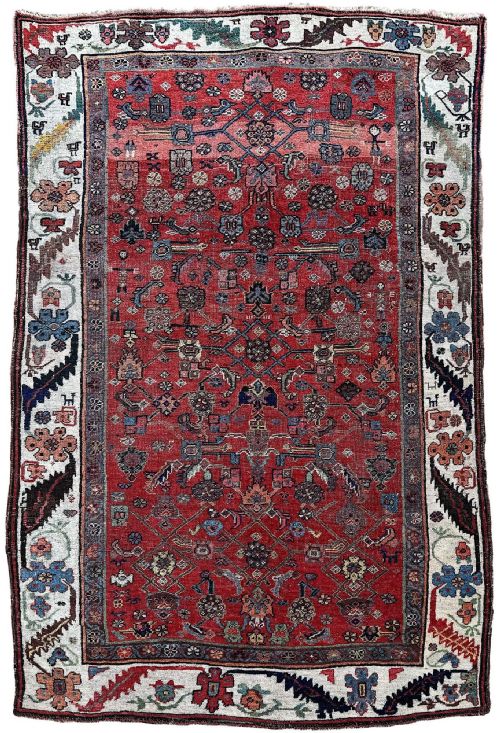
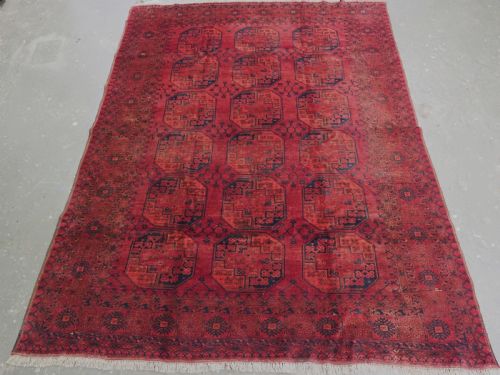
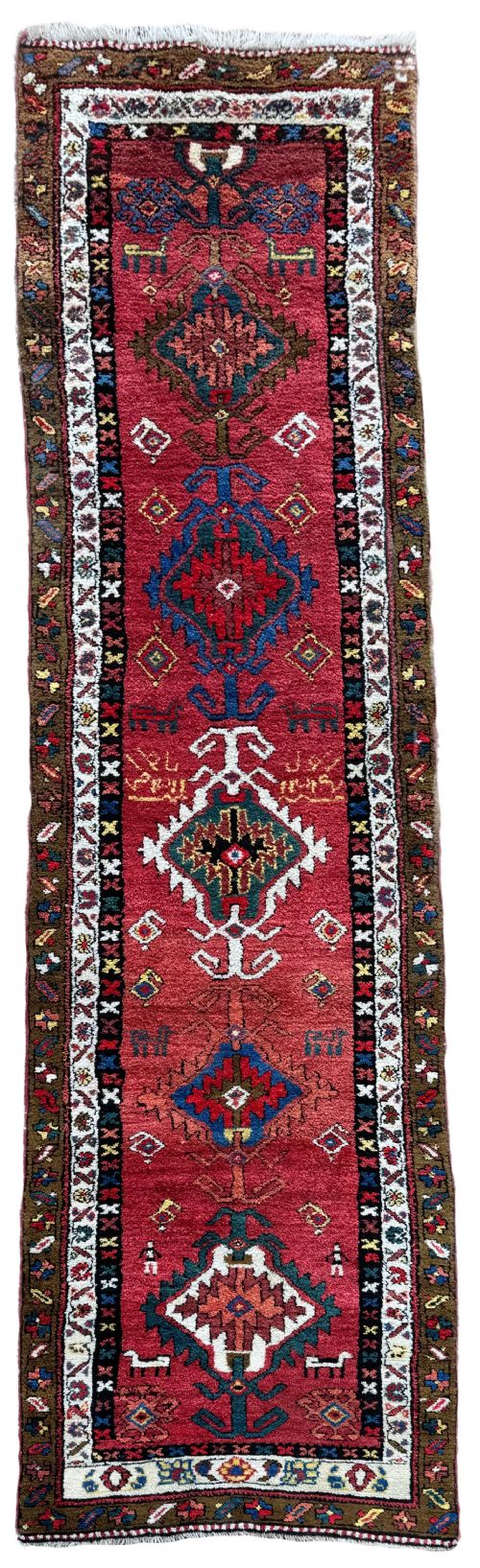
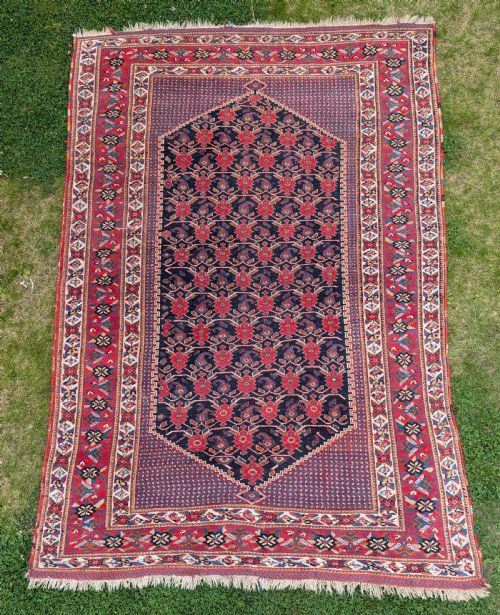
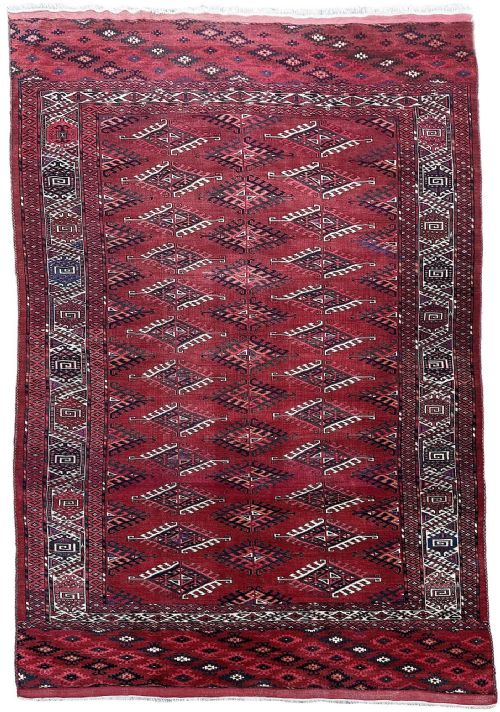
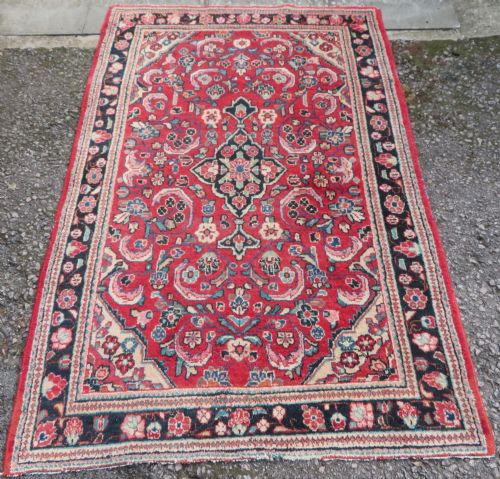
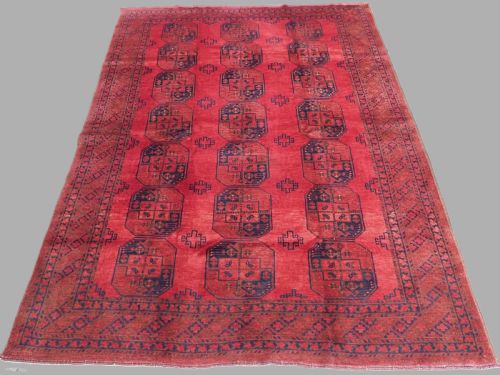
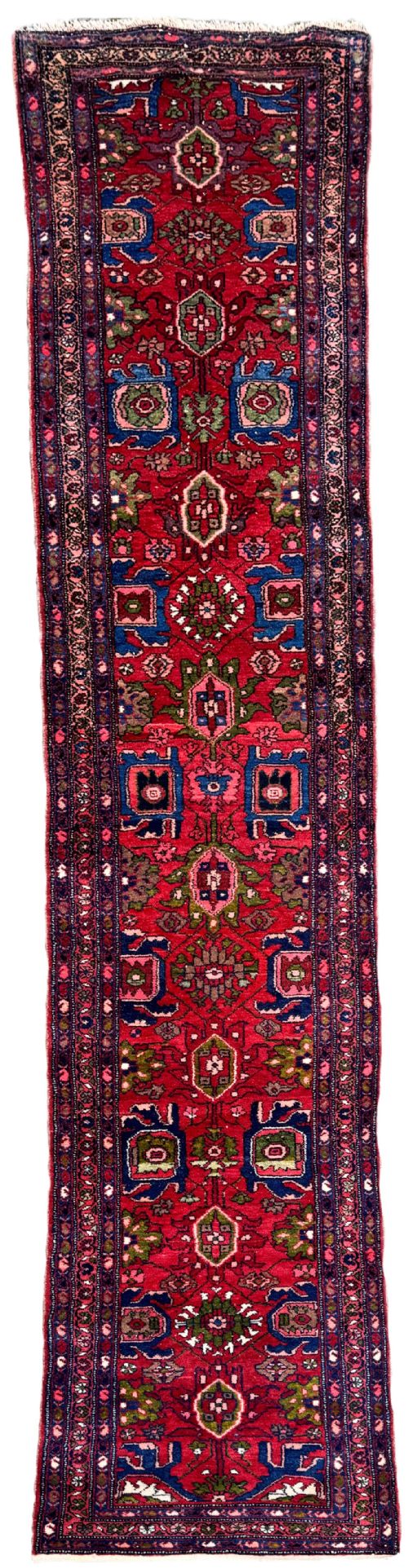
When searching for a traditional crimson carpet, buyers encounter hand-knotted floor coverings spanning the nineteenth and early twentieth centuries. These pieces originate predominantly from Persian weaving centres and Central Asian tribal regions, encompassing styles such as Heriz, Kashan, Hamadan, and Turkmen.
The selection ranges from intimate village rugs and saddle covers to large country house and palace carpets. Examples include runners suited for long halls alongside rectangular area carpets defined by deep red and crimson tones.
Tribal pieces from groups such as the Tekke, Yomut, and Ersari sit alongside established town productions like Isfahan, Sarouk, and Bidjar. Each item reflects the specific regional palette and knotting traditions of its maker.
Materials and construction
These textiles rely on natural foundations of wool, cotton, and occasionally silk, paired with hand-spun wool for the pile. Natural dyes impart the characteristic crimson and warm red shades seen across the inventory.
The weaving process involves hand-knotting techniques executed on vertical or horizontal looms. Many pieces incorporate sturdy cotton or wool warps and wefts to ensure structural durability.
Several nomadic saddle covers and storage bags preserve their original plain weave backs after more than a century.
Distinctions in quality
Knot density and structural tightness dictate the refinement of the weave, particularly in tribal torbas and village rugs. Finer execution allows for crisper geometric or floral detailing.
The depth and nuance of the natural dyes distinguish superior examples, as well-preserved crimson and madder red hues retain their vibrancy over decades of use.
The Traditional Crimson Carpet Glossary
- Gul
- A primary octagonal medallion motif frequently repeated in Turkmen carpets. This design element serves as a tribal identifier for specific groups.
- Torba
- A small storage bag or trapping produced by Turkmen and Central Asian tribes. These items often feature intricate guls and fine weave structures.
- Warp
- The vertical foundation threads stretched lengthwise on the loom. Weft threads are interlaced across these to secure the knots.
- Prayer rug
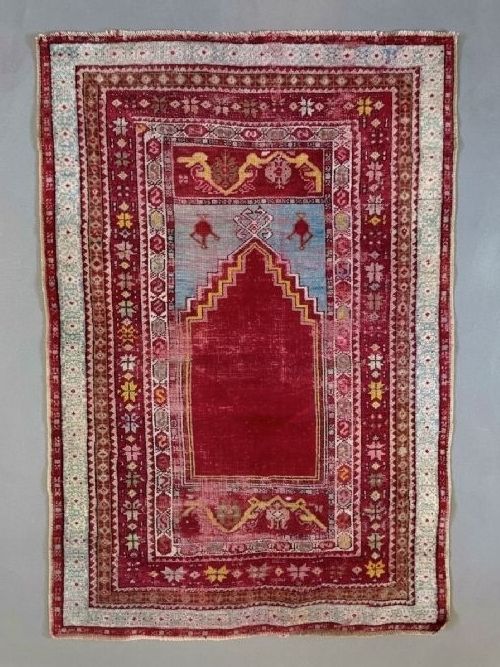
- A small rug featuring a mihrab or arch design used for daily prayers. These formats typically display directional floral or geometric compositions.
- Madder
- A natural dye derived from the root of the Rubia plant. It yields the enduring red and crimson tones characteristic of these textiles.
Traditional Crimson Carpet: Frequently Asked Questions
How are traditional crimson carpets cleaned?
These handmade textiles require gentle surface cleaning or specialist antique rug washing rather than immersion in water. Professional care preserves the natural wool pile and prevents dye migration.
Regular light vacuuming without a rotating power brush helps remove embedded dust without stressing the historic foundation threads.
Can I place these rugs in high traffic areas?
Many sturdy village and tribal carpets, including Heriz and Hamadan runners, were built for heavy domestic use. Their dense hand-spun wool construction handles everyday foot traffic well.
Placing a quality underlay beneath the carpet prevents slipping and reduces friction between the fibres and the floorboards.
How do I identify Persian versus tribal carpets?
Persian town and village carpets such as Kashan or Isfahan typically display refined curvilinear floral patterns and intricate medallion layouts. In contrast, tribal pieces like Yomut or Ersari carpets favour geometric guls and repeated octagonal motifs.
The choice of palette and border complexity also guides attribution toward specific regional workshops or nomadic groups.
What does palace size mean in antique rugs?
Palace size indicates exceptionally large carpets woven for substantial nineteenth or early twentieth-century reception rooms and halls. These grand formats often exceed standard domestic dimensions and require expansive floor space.
Such pieces demand careful room planning to ensure the entire design remains visible and balanced within the interior.