

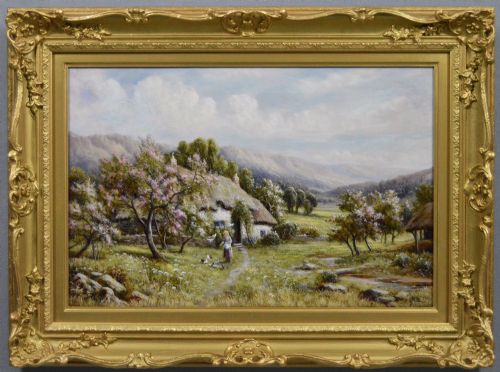
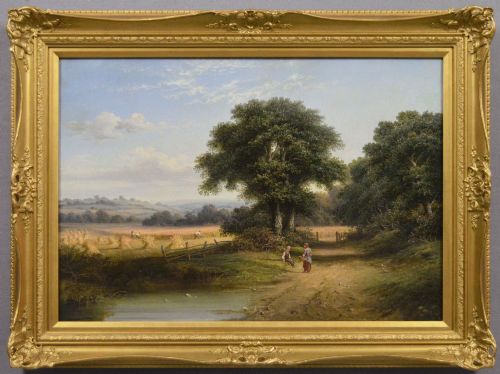
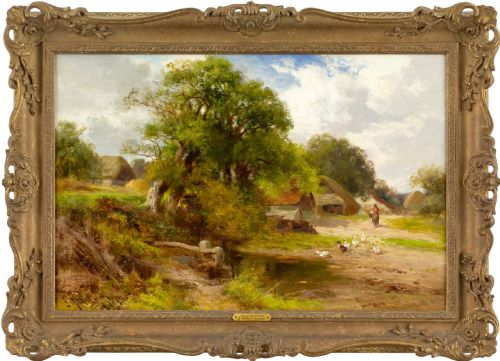
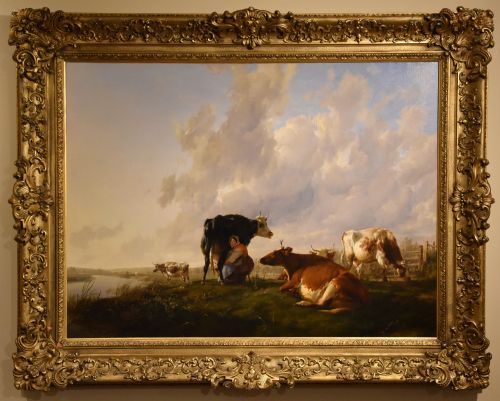

Traditional Country Landscape Canvas
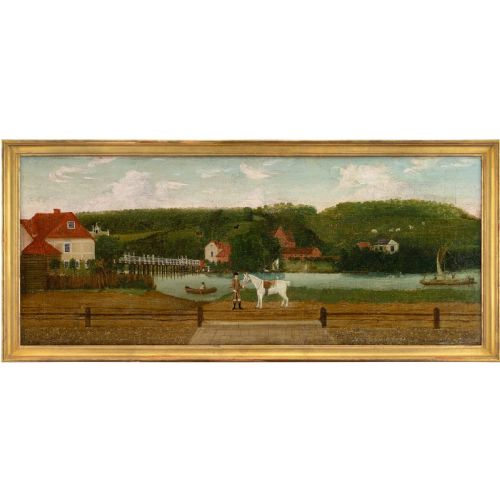
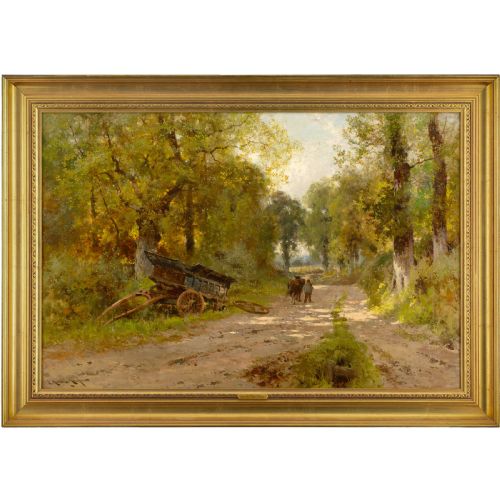
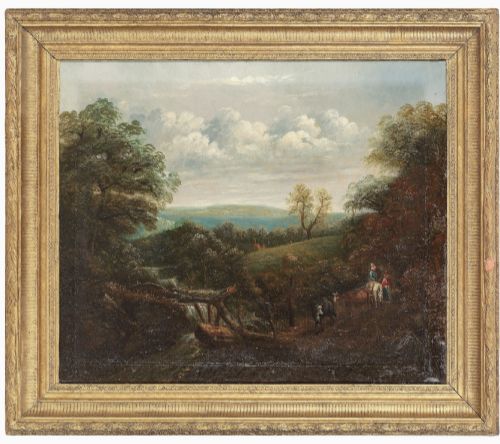
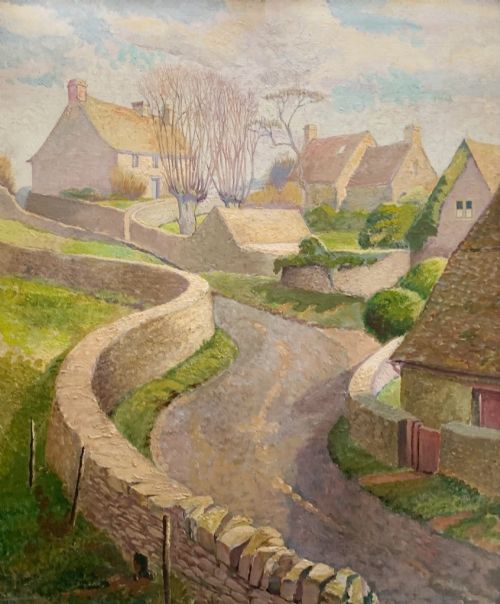
A traditional country landscape canvas captures rural life, pastoral scenes and working animals through oils laid on stretched fabric.
Traditional Country Landscape Canvas
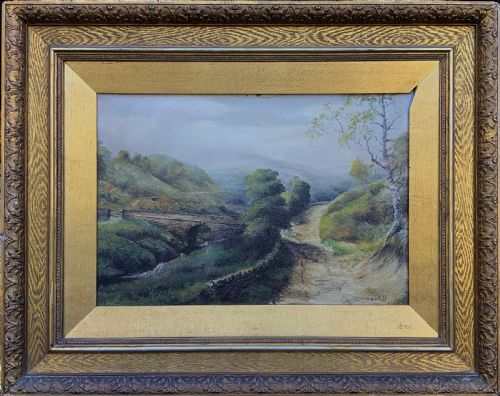
When browsing a traditional country landscape canvas, buyers encounter framed oil paintings depicting rural vistas, agricultural scenes, cottages and livestock. These works range from Victorian pastoral views to mid-twentieth-century English and Scottish countryside scenes.
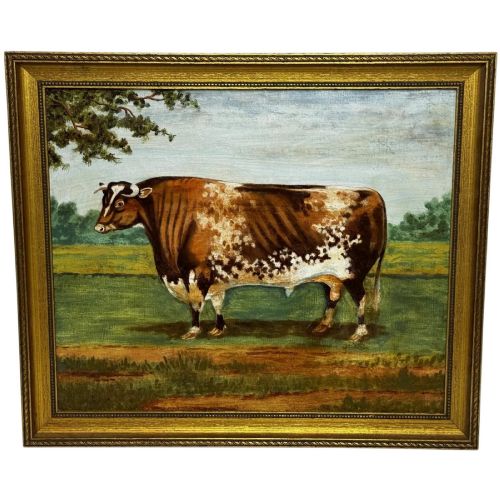
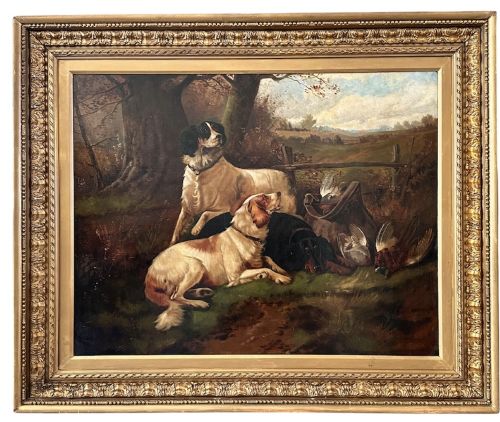
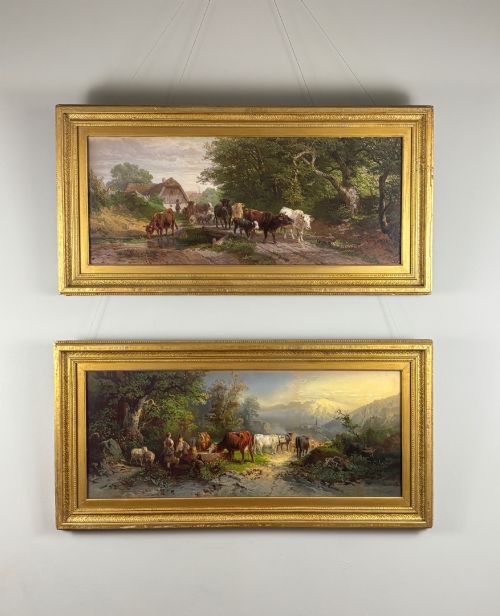
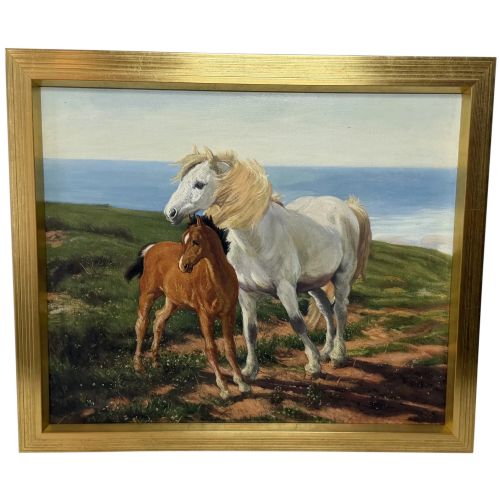
The most common pieces on this page are nineteenth-century and early twentieth-century oil paintings on canvas, frequently housed in gilt wood or gesso frames. Subjects lean heavily towards agricultural life, featuring shire horses, cattle, shepherds with flocks and rural cottages by rivers or paths.
How They Were Made
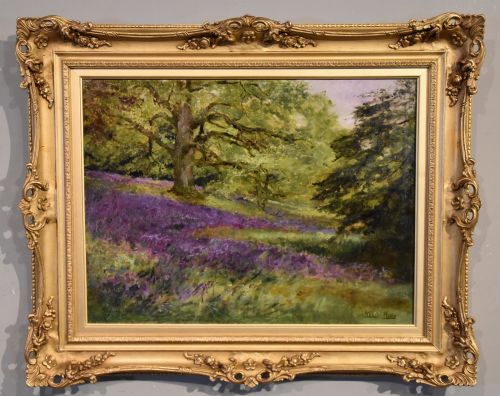
These works are executed primarily in oil paint applied directly onto woven canvas, sometimes supported by wood stretchers or later laid onto board. Artists utilised traditional pigments and brushwork to build depth in pastoral skies, foliage and animal coats.
Framing forms an integral part of the construction, employing carved wood, giltwood and gesso frames that complement the period aesthetic of the paintings.
Several canvases feature remarkably stern prizeworthy bulls staring down the viewer with absolute rural dignity.
What Varies in Quality
Quality in these rural scenes rests upon the surety of the brushwork, the anatomical accuracy of livestock and horses, and the handling of atmospheric light. Master painters capture movement and texture in animal hair and fabric with distinct economy and confidence.
The integrity of the canvas support and the preservation of the original paint surface without heavy overpainting dictate the higher tiers of the range, alongside the quality and period compatibility of the gilt frame.
John Horace Hooper·Thomas Sidney Cooper·Henry Yeen King·Johann Friedrich Voltz·Owen Bowen·Charles Walter Simpson·Samuel Joseph Clark·George Armfield
The Traditional Country Landscape Canvas Glossary
- Canvas
- A heavy woven fabric stretched across a wooden frame to provide the primary support for oil paintings. It has served as the standard ground for European easel painting since the Renaissance.
- Gesso
- A traditional paint mixture consisting of a binder mixed with chalk, gypsum or pigment, applied to wooden frames to create a smooth surface for gilding. It gives antique frames their crisp relief and reflective sheen.
- Pastoral
- A genre of art depicting the rural lives of shepherds, farmers and agricultural workers in idyllic countryside settings. These scenes idealised agrarian existence and domestic animals.
- Giltwood
- Wood that has been coated with a thin layer of gold leaf or gold paint, commonly utilised for nineteenth-century picture frames. It adds warmth and contrast to dark oil canvases.
- Stretchers
- The internal wooden frames upon which an artist's canvas is secured and pulled taut. Original wedges placed in the corners allow the fabric tension to be adjusted over time.
Traditional Country Landscape Canvas: Frequently Asked Questions
What subjects appear on a traditional country landscape canvas?
These works typically feature rural British and European countryside views, including harvest fields, rivers, thatched cottages and rural paths. Domestic and working animals frequently take centre stage alongside human figures.
Common motifs involve shire horses ploughing, cattle by streams, sheep flocks with shepherds, and hunting dogs within pastoral settings.
How do I date a nineteenth-century landscape painting?
Dating relies upon stylistic markers, costume details of any figures present, framing techniques and artist signatures or biographical records. Canvas stamps and stretcher construction also offer clues to the decade of creation.
Victorian and Edwardian works often exhibit specific tonal palettes and brush techniques characteristic of nineteenth-century realism and early British impressionism.
How should I hang and light an oil painting?
Oil paintings on canvas require stable indoor environments away from direct sunlight and dramatic humidity swings. Hang them securely using appropriate wall fixings matched to the weight of the frame.
Directional picture lights or modern LED art lamps mounted above the frame highlight the impasto and colour depth without generating damaging heat.
Are original gilt frames important?
Original or period-appropriate frames enhance the historical context and visual impact of an antique oil painting. Giltwood and gesso frames from the Victorian era complement the darker tones typical of nineteenth-century landscape art.
While frames can be replaced or restored, matching a canvas to its period frame preserves its overall integrity and aesthetic balance.