



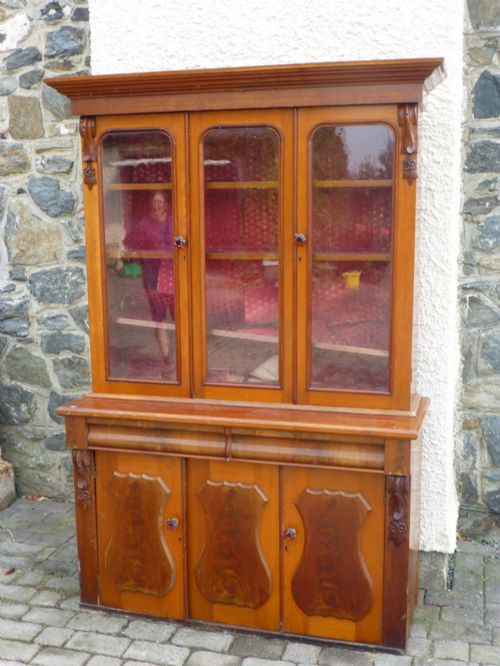

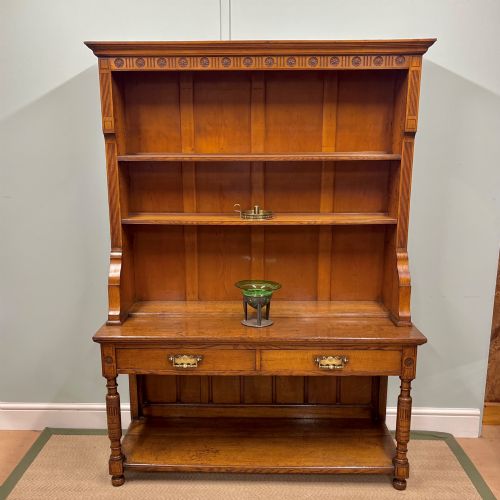
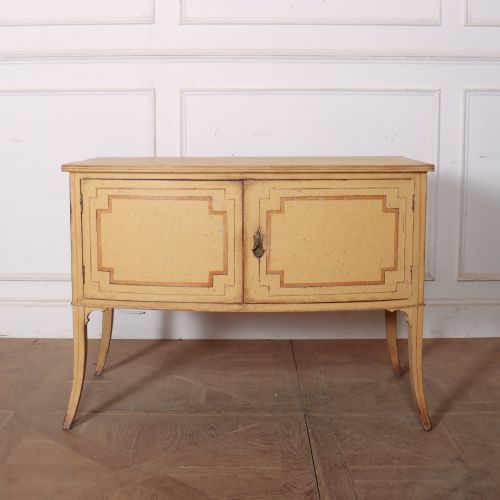


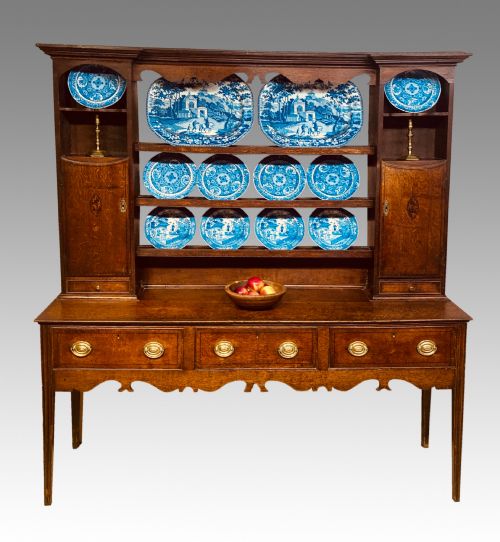


Traditional Country House Sideboard
A traditional country house sideboard anchors a room with timber built for decades of family life and practical service.
Traditional Country House Sideboard
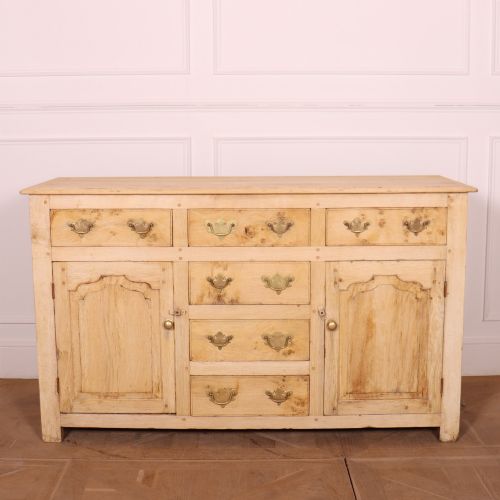
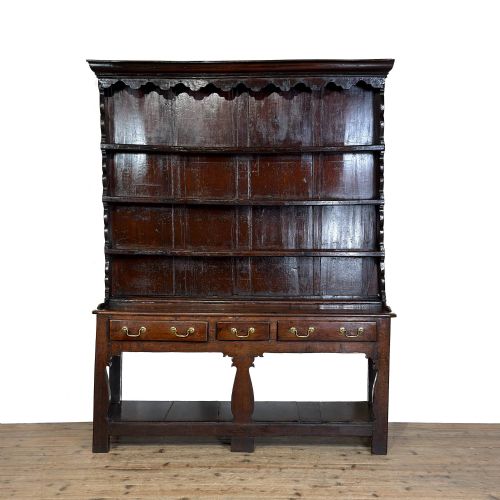
When you search for a traditional country house sideboard, you encounter sturdy pieces designed for utilitarian service in domestic spaces. These include oak dresser bases, serving tables, and potboard servers that originated in regions such as Wales, Shropshire, and the broader English countryside. Most examples date from the eighteenth and nineteenth centuries, reflecting the robust joinery required for everyday estate and kitchen use.
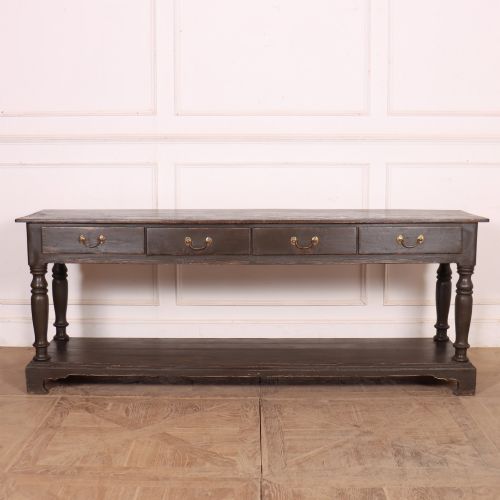
The assortment relies heavily on regional vernacular forms, spanning from simple pine washstands and painted cupboards to grand oak dressers with fitted plate racks. A typical piece combines ample surface area for serving with deep drawers or enclosed cupboards beneath, often featuring open potboards near the floor for storing heavy crockery. These forms demonstrate how rural craftsmen prioritised utility without sacrificing architectural proportion.
How they were made
Timbers like solid oak, elm, and pine provide the structural backbone for these pieces, chosen for their durability and local availability. Craftsmen frequently combined oak frames with secondary woods such as mahogany or fruitwoods, finishing surfaces with traditional paints, washes, or clear wax.
Hardware typically consists of forged iron or cast brass handles and hinges, securing heavy doors and deep drawers built with hand-cut dovetail joints. Potboards and serving surfaces were constructed from thick planks designed to withstand the heavy wear of country house kitchens and estate rooms.
Traditional Country House Sideboard Retail Price Guide 2026
Typical asking prices for traditional country house sideboard among the pieces listed under this phrase on Sellingantiques today, from the lower quarter to the upper quarter. They describe what is for sale here now, not the wider market.
One listed nineteenth-century Welsh dresser carries the specific memory of dogs from Café Snowdon.
What varies in quality
Construction integrity distinguishes the finest examples, seen in the tightness of timber joints and the retention of original brass or iron hardware. Superior pieces display thoughtful proportions and careful timber selection, where boards match harmoniously across drawer fronts and top surfaces.
Originality of surface finish and structural components heavily influences the standing of a piece. Retaining original plate racks on dressers, untouched painted finishes, and minimal replacement timber mark the upper tier of surviving country furniture.
The Traditional Country House Sideboard Glossary
- Potboard
- An open slatted lower shelf fitted beneath a dresser base or serving table, traditionally used for storing heavy pots and pans off the damp flagstone floor.
- Dresser Base
- The lower section of a kitchen dresser, functioning as a sideboard with drawers and cupboards beneath a flat top used for food preparation and service.
- Enfilade
- A suite of rooms aligned with each other, or in this context, a long cabinet featuring three or more doors designed to stand against a substantial dining or drawing room wall.
- Vernacular
- Architecture and furniture built by local craftsmen using regional materials and traditional techniques, prioritising everyday utility over academic high-style design.
- Plate Rack
- The tiered wooden shelving unit mounted above a dresser base, designed to display ceramic plates upright against the wall.
Traditional Country House Sideboard: Frequently Asked Questions
How were these sideboards used?
Historically, these pieces served as central staging areas for preparing food, organising table linens, and serving meals in busy kitchens and dining halls. The top surface held serving dishes, while drawers and cupboards stored cutlery, dry goods, and kitchen implements.
Open lower potboards accommodated heavy cookware and earthenware, keeping essentials within easy reach of domestic staff. Over time, their role shifted from utilitarian workspace to decorative statement furniture in domestic interiors.
How do I style a sideboard at home?
Integrating a traditional sideboard into a modern interior involves balancing its strong timber presence with complementary lighting and display items. Placing ceramic bowls, pewter platters, or books on the surface highlights its historical character without cluttering the room.
Because these pieces vary in scale from compact serving tables to monumental oak bases, measuring available wall space ensures the furniture grounds the room correctly. Pairing the timber tones with neutral walls lets the grain and original hardware take centre stage.
How do I date an antique sideboard?
Dating relies on examining construction methods, tool marks, and timber characteristics visible inside drawers and along the underside. Hand-sawn boards, pegged joinery, and hand-cut dovetailing generally point towards eighteenth or early nineteenth-century craftsmanship.
Style shifts also offer clues, moving from heavy Jacobean revival elements and plain Georgian utility to more elaborate Victorian vernacular interpretations. Comparing hardware fixings and secondary woods helps confirm the period of manufacture.