
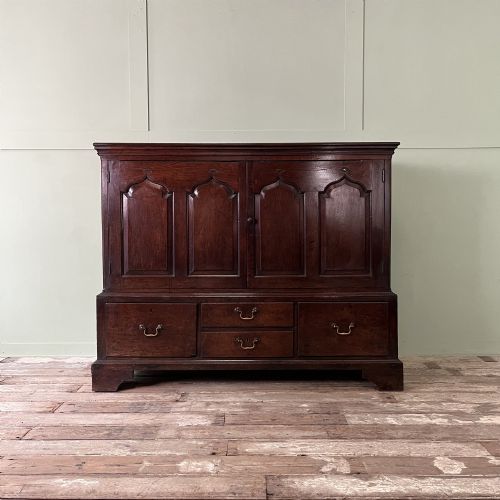
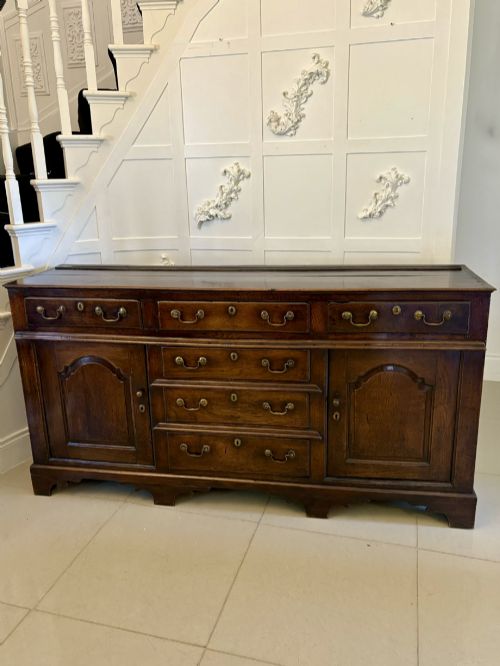
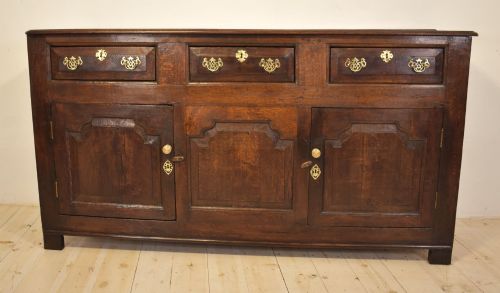
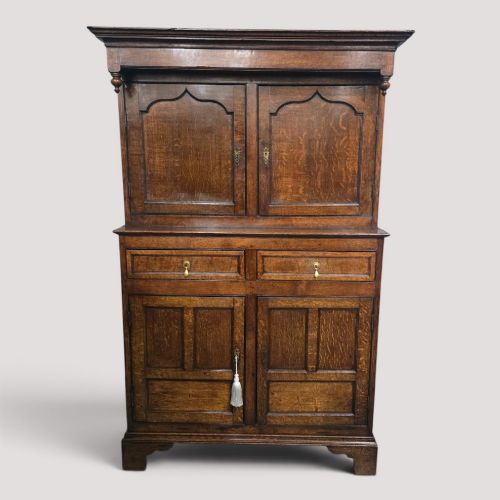
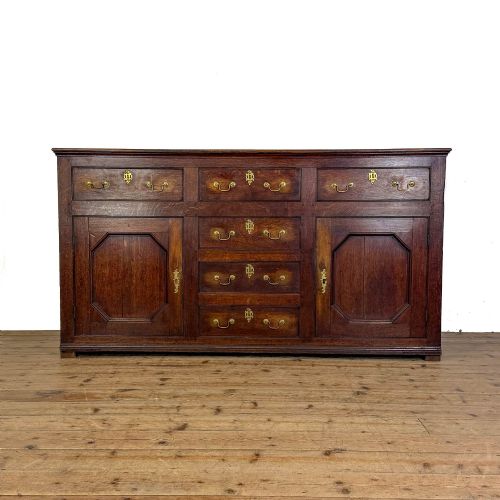
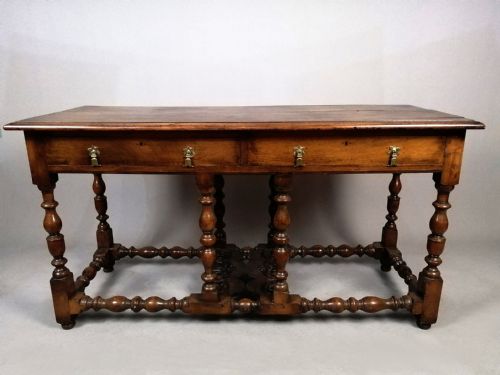
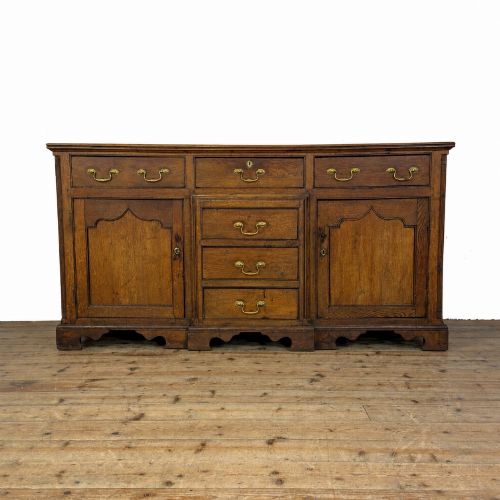
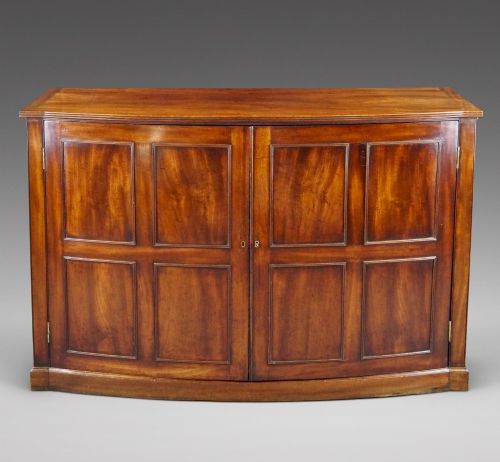
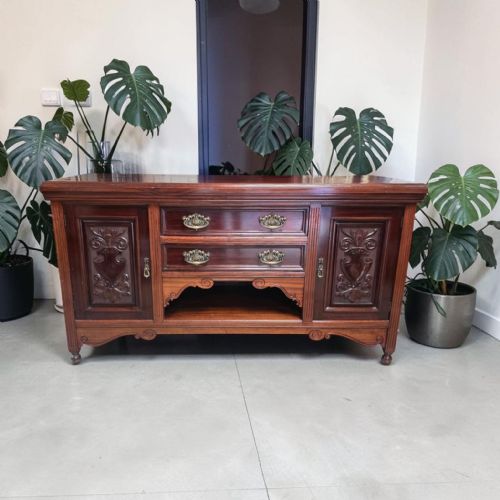


Georgian Panelled Sideboard
A georgian panelled sideboard brings solid timber construction and historic practicality to a room, offering generous storage alongside centuries of character.
Georgian Panelled Sideboard
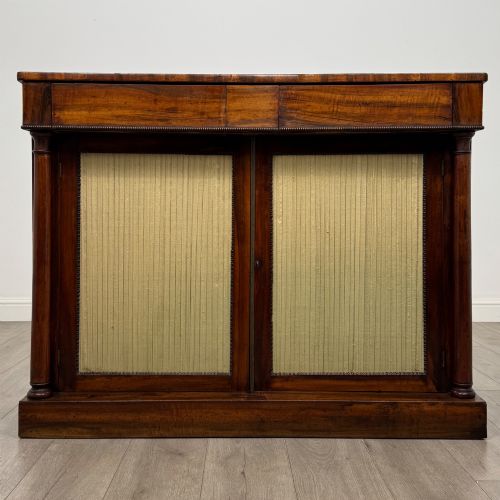
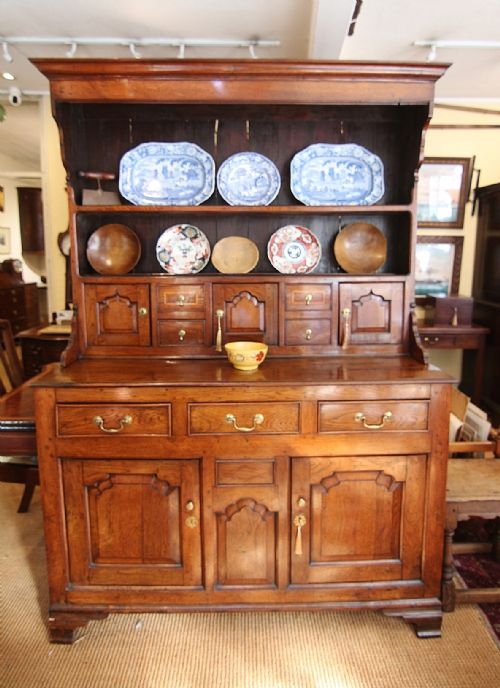
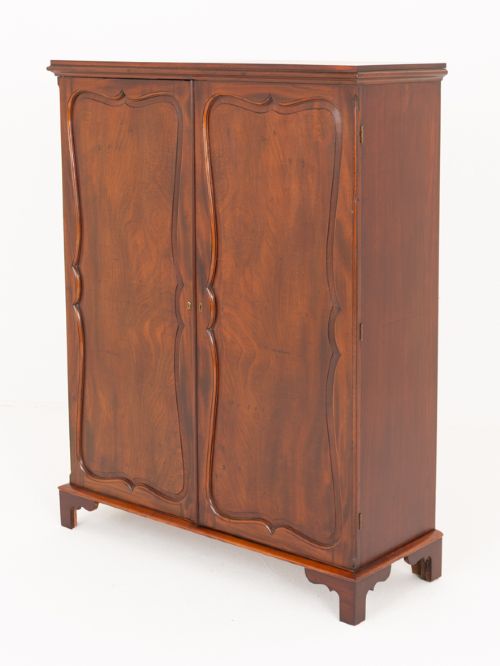
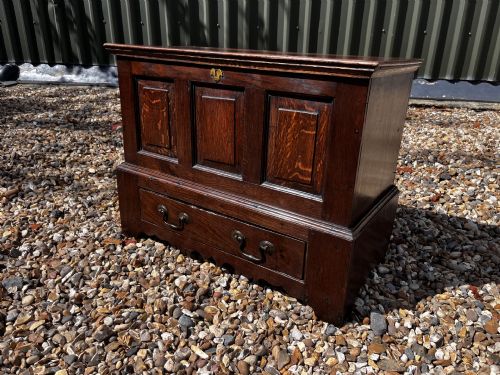
The versions most common on this page rely heavily on vernacular and country house traditions rather than urban formality. Oak and mahogany dominate the forms, often presenting panelled doors, moulded fronts, and sturdy timber construction built to endure generations of daily use.
Many examples incorporate regional characteristics, such as Welsh dresser bases and Snowdonia craftsmanship, which distinguish provincial furniture from metropolitan output. Buyers select these pieces for their honest utility, patinated surfaces, and architectural timber panels.
Materials and construction methods
Cabinet makers relied predominantly on native oak and imported mahogany, selecting timber for strength and grain pattern. Wood panels were fitted into grooved framing to accommodate natural seasonal movement without splitting the primary structure.
Joinery techniques combined pegged mortise and tenon joints with hand-planed boards, forming rigid carcasses that required minimal metal hardware. Iron and brass fittings such as hinges and drawer pulls were added selectively to secure doors and drawers.
Surfaces finished with natural waxes and oils developed rich patinas over centuries of handling. Carved details and applied mouldings were executed by hand using gouges and chisels directly onto the solid timber framework.
Several cupboards include secret panels designed to hide family silver from tax collectors.
Distinctions in quality and execution
Quality rests upon the selection of timber and the integrity of the original construction rather than decorative excess. Pieces retaining their original boards, uncompromised panel work, and harmonious proportions represent the upper tier of the range.
Integrity diminishes when later timber replacements alter the primary structure or when panels from different periods are forced into an older carcass. Superior examples maintain a consistent relationship between the hardware, timber age, and regional style.
M. D. Miller & Sons
The Georgian Panelled Sideboard Glossary
- Dresser base
- A low wooden storage unit featuring drawers and cupboards beneath a solid top surface, often originating from farmhouse kitchens and dining rooms.
- Panelled
- Construction method where flat wooden boards are fitted within a surrounding frame, allowing the wood to expand and contract with humidity changes.
- Carcass
- The primary structural framework of a cabinet or sideboard, excluding doors, drawers, and removable mouldings.
- Patina
- The deep, lustrous surface sheen developed on timber through decades of oxidation, light exposure, and polishing.
- Vernacular
- Furniture designed for local domestic use by regional craftsmen, prioritising practical utility over academic architectural styles.
Georgian Panelled Sideboard: Frequently Asked Questions
What is a georgian panelled sideboard used for today?
These pieces function effectively in modern dining rooms, hallways, and living spaces as storage credenzas or serving surfaces. Their deep cupboards and drawers accommodate tableware, linens, and modern media equipment while retaining historic character.
The sturdy top boards provide a practical platform for lamps, books, or decorative displays, integrating traditional furniture into contemporary interior schemes without losing utility.
How do I distinguish oak pieces from mahogany ones?
Oak furniture displays a pronounced, open grain with visible medullary rays, often showing a warm straw or deep honey tone that darkens over centuries. It aligns closely with early vernacular and country house styles.
Mahogany exhibits a tighter, reddish-brown grain that takes a high polish and tends to appear in later 18th-century and Regency designs. The material choice usually reflects the geographic origin and social context of the workshop.
Where were these sideboards originally placed in a home?
Historic sideboards and dresser bases stood primarily in dining rooms, service corridors, and large farmhouse kitchens where food preparation and tableware storage took place. They acted as central staging points for meals before the formal dining room layout evolved.
In country houses, lower press cupboards and side cabinets managed the overflow of household textiles and provisions, keeping everyday items accessible yet contained behind solid wood doors.
How should I care for historic timber surfaces?
Maintain the wood by applying natural beeswax sparingly and buffing with a soft cloth to preserve the breathable finish. Avoid modern silicone polishes that build up sticky residues and trap moisture against the ancient grain.
Keep pieces away from direct heat sources and radical humidity shifts to prevent timber shrinkage, panel cracking, and the loosening of traditional pegged joinery.