

Traditional Country Dresser Base
A traditional country dresser base anchors a room with sturdy proportions and generous storage, offering low work surfaces and deep drawers built for utility.
Traditional Country Dresser Base
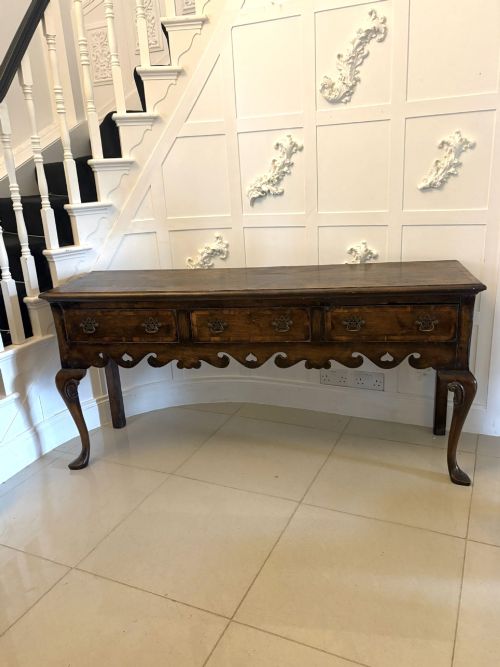
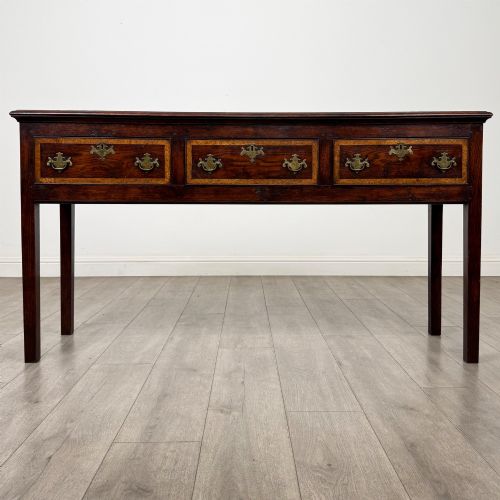
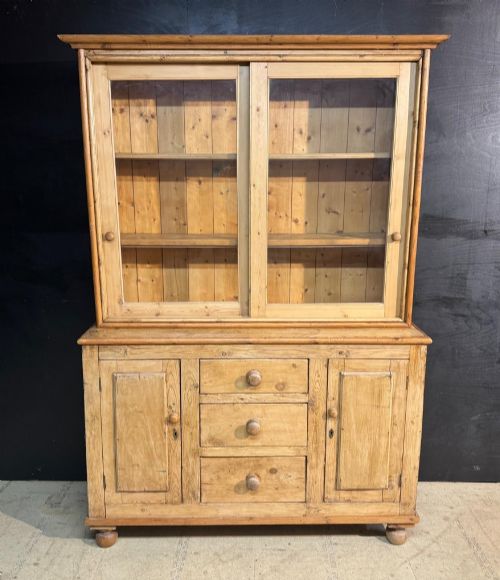
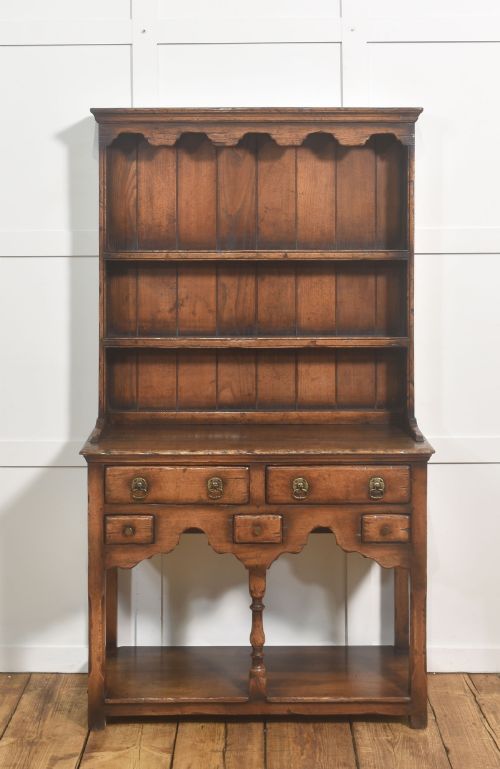
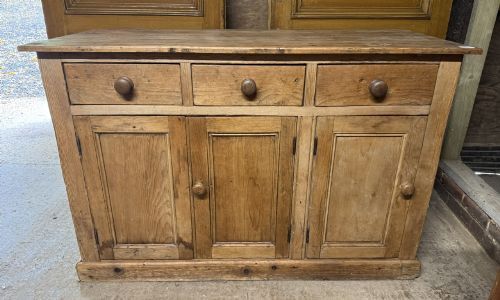
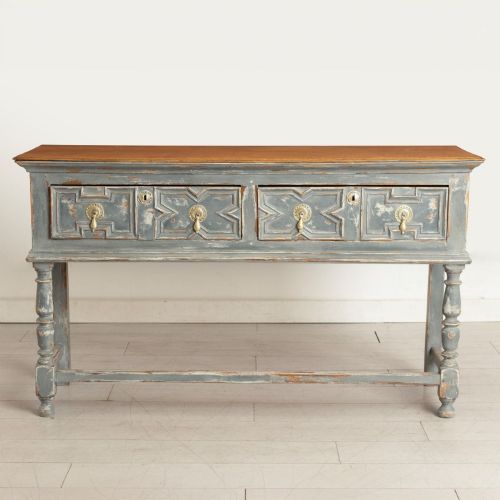
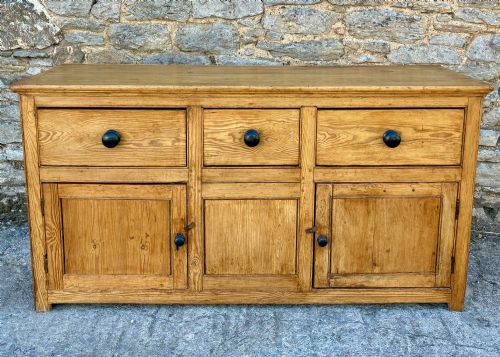
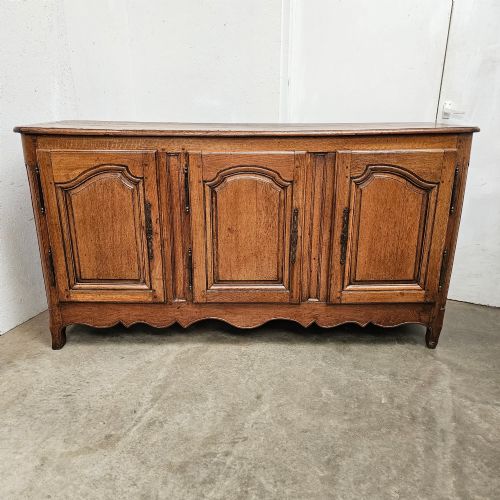
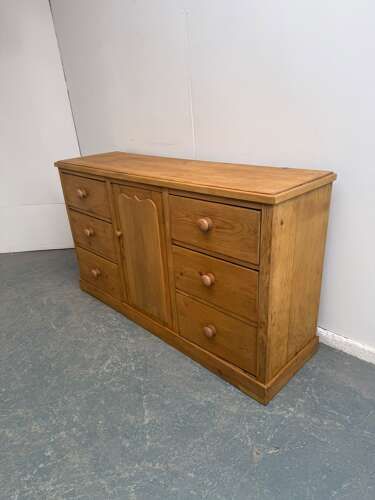
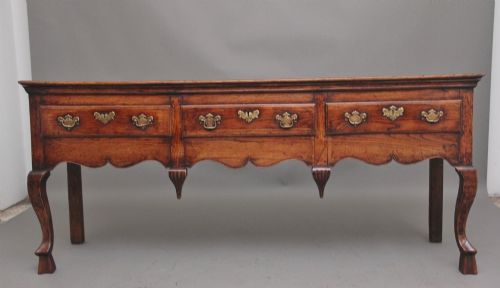
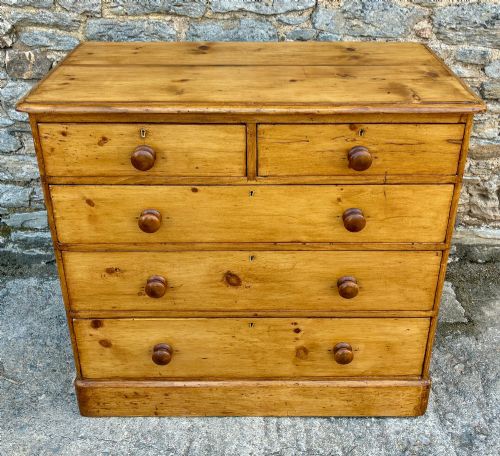
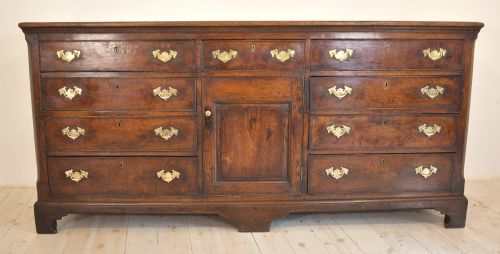
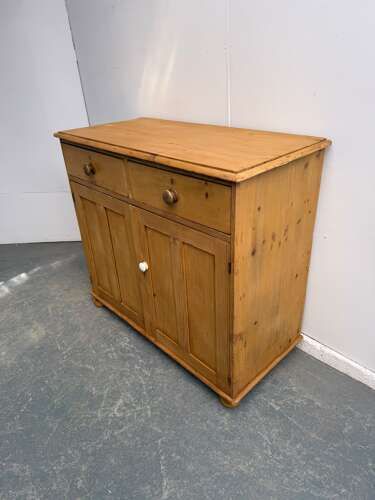
When you search for a traditional country dresser base, you encounter heavy utilitarian furniture designed for domestic storage and food preparation in farmhouses and provincial homes. The examples available span centuries of domestic use, ranging from eighteenth-century oak pieces to nineteenth-century pine iterations.
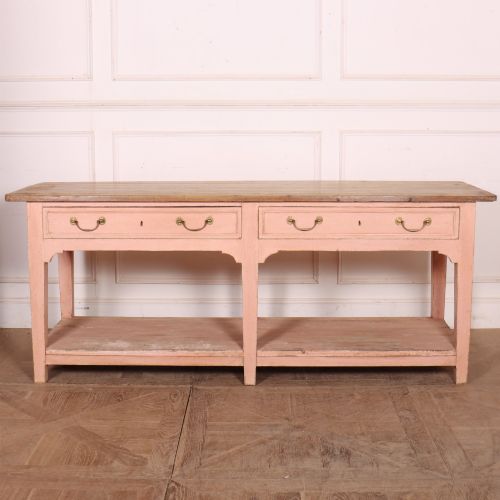
You are most likely to meet low oak or pine tables featuring banks of drawers and lower potboards or cupboards. These surfaces reflect regional variations from English, Welsh, Scottish, and French provincial workshops.
The form prioritises practical storage over ornamental delicacy, providing flat timber tops and sturdy legs that support heavy daily use in kitchens and dining rooms.
Materials and Construction
Joiners built these pieces primarily using solid native timbers like oak, pine, and elm, selecting durable woods that withstood rigorous kitchen environments. Carpenters joined structural members with traditional methods such as mortise and tenon joints.
Hardware typically consists of iron or brass handles and hinges fixed to drawers and doors. Surfaces finished with natural wax, paint, or retained original patination protect the timber while showing the grain of the wood.
Several pine cupboards bear the quiet scars of generations of family life, including flour dust trapped deep in the drawer joints.
Assessing Quality and Character
The grade of timber and the integrity of the original construction dictate the standard of a piece. Finer examples retain their original boards, uncompromised drawer linings, and genuine period hardware without extensive timber replacement.
Proportion and surface patination distinguish superior specimens from heavier or altered furniture. Depth of colour in waxed oak and honest wear on kitchen pine signal genuine age and careful preservation over generations.
The Traditional Country Dresser Base Glossary
- Potboard
- An open lower shelf built into the base of a dresser to store pots, pans, and heavy kitchen utensils. This lower platform provides structural stability to the legs.
- Enfilade
- A long sideboard or buffet featuring a continuous line of cabinets or doors. This form originates from French provincial dining rooms.
- Housekeeper's cupboard
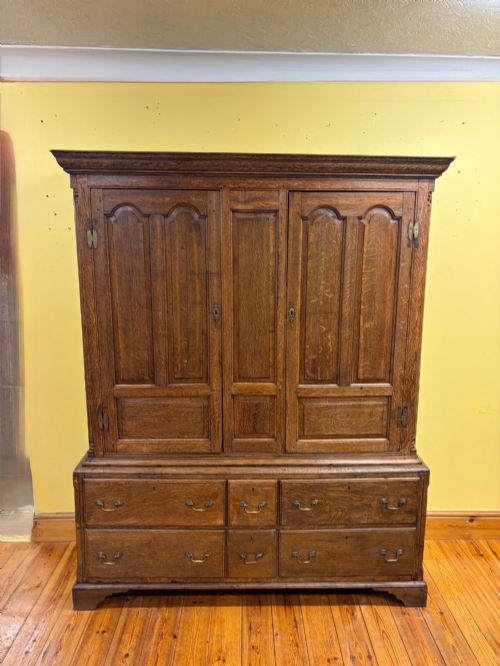
- A large tall storage cupboard with multiple doors and internal shelving for linens and provisions. These substantial pieces served central roles in large domestic kitchens.
- Cabriole leg
- A furniture leg that curves outward and then tapers inward with a pad or foot at the base. This design draws inspiration from animal limbs and appears on revival styles.
- Patina
- The surface sheen and colour developed by timber over years of handling, waxing, and exposure to light. Collectors value this natural ageing process.
Traditional Country Dresser Base: Frequently Asked Questions
What is a traditional country dresser base?
A traditional country dresser base is a low wooden storage unit featuring drawers and cupboards, historically used in kitchens for food preparation and storing utensils.
Unlike tall dressers with upper plate racks, these base units offer a flat top surface and robust lower storage designed for heavy domestic labour.
How were these dressers used historically?
Households utilised these heavy timber units for rolling pastry, preparing meals, and organising pots, pans, and dry goods.
The deep drawers and lower potboards kept essential kitchen equipment within arm reach in busy farmhouse kitchens.
How do I style a dresser base at home?
You can position a dresser base in a kitchen, dining room, or hallway as a sideboard to display ceramics and store tableware.
The sturdy top surface accommodates lamps, books, or decorative objects while the internal cupboards hide away clutter.