



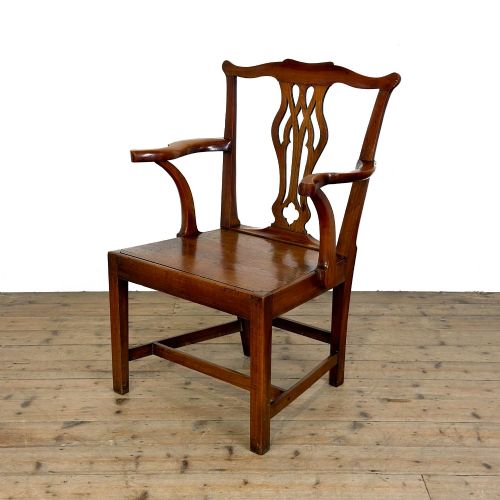
Traditional Country Carver Armchair
A traditional country carver armchair brings honest vernacular craftsmanship and tactile timber warmth straight into a modern interior.
Traditional Country Carver Armchair
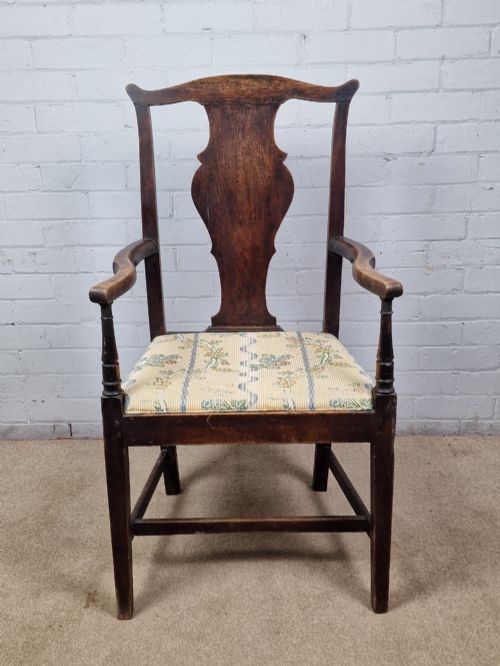
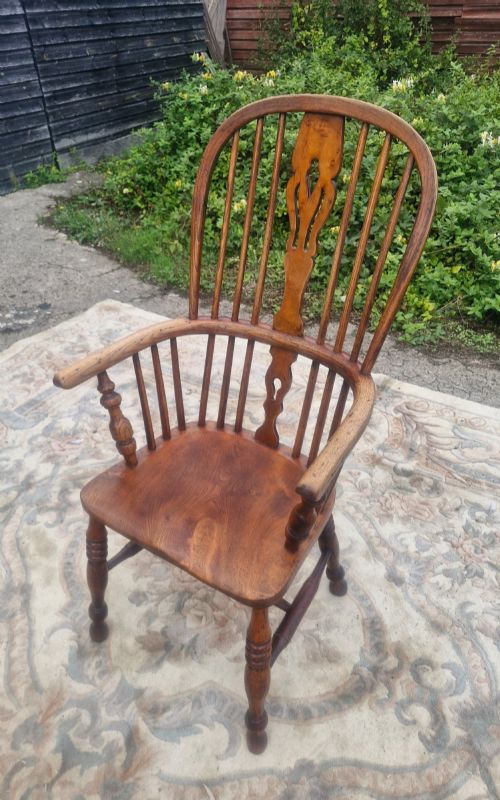
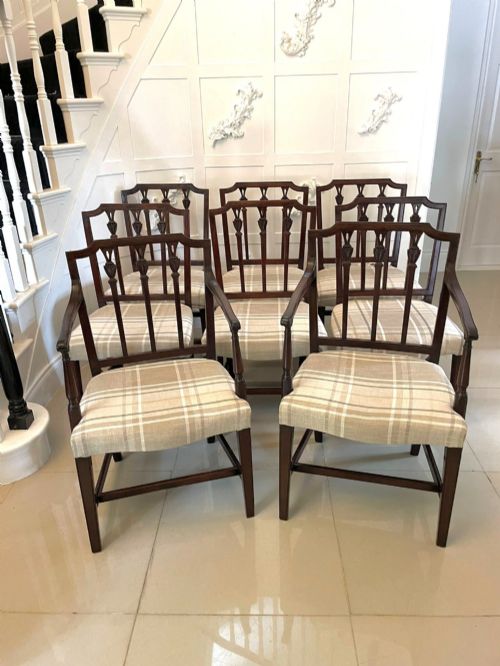
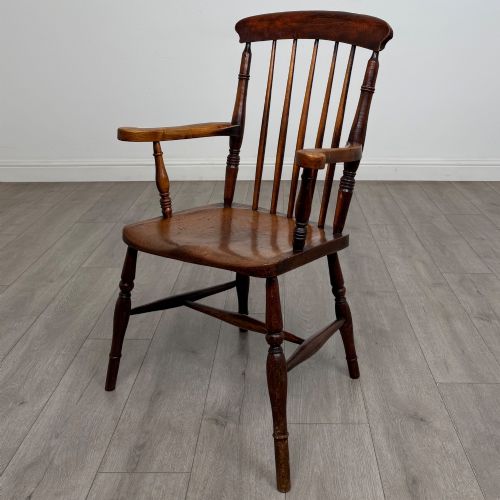
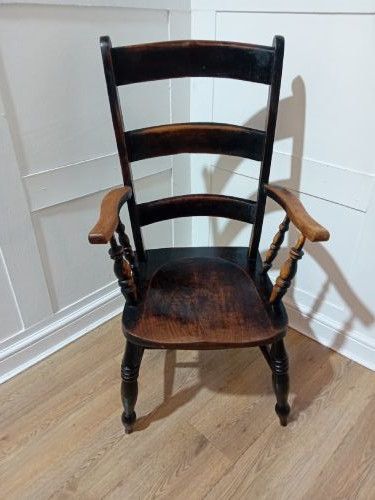
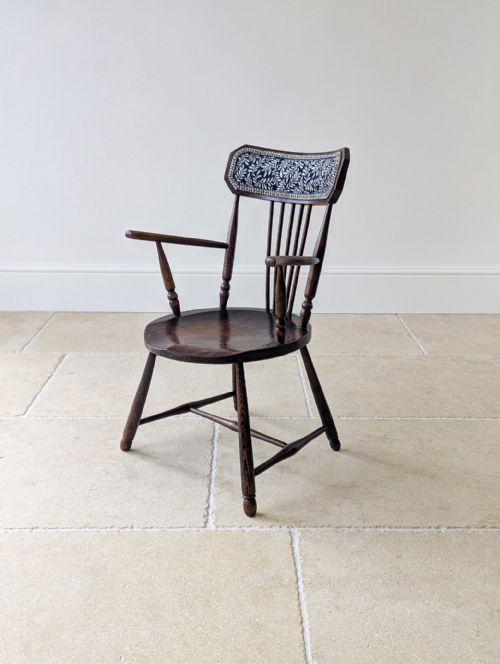
A traditional country carver armchair is a sturdy seating form rooted in rural English domestic life, designed for comfort and enduring utility. Buyers seeking a traditional country carver armchair encounter robust timber frames shaped by generations of regional joiners and chairmakers.
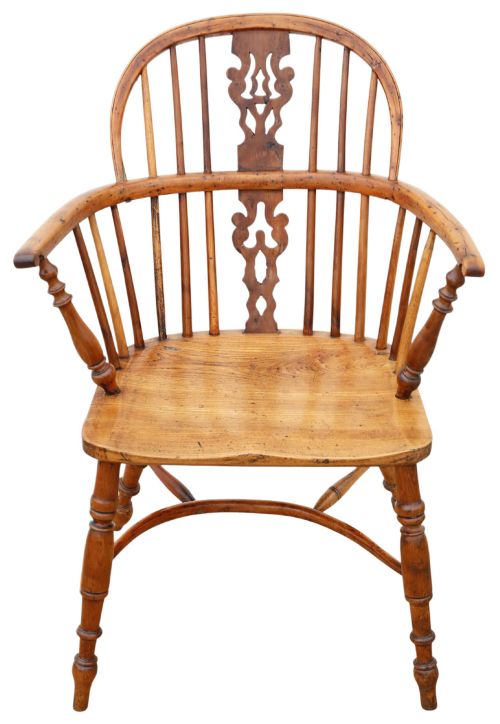
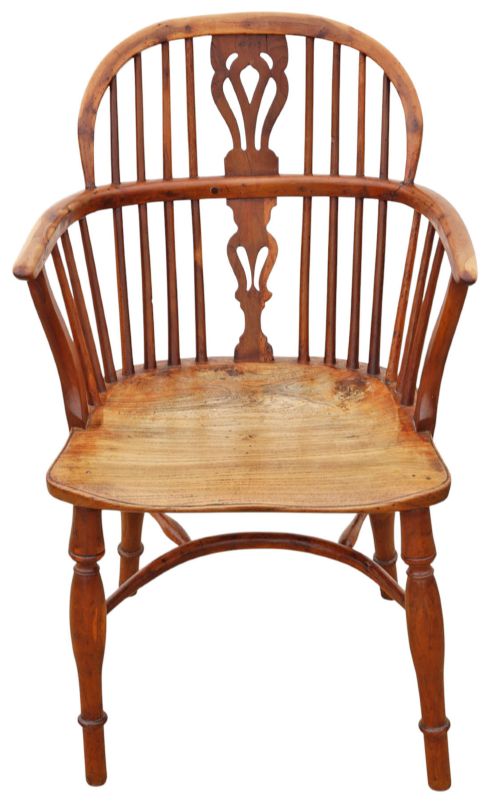
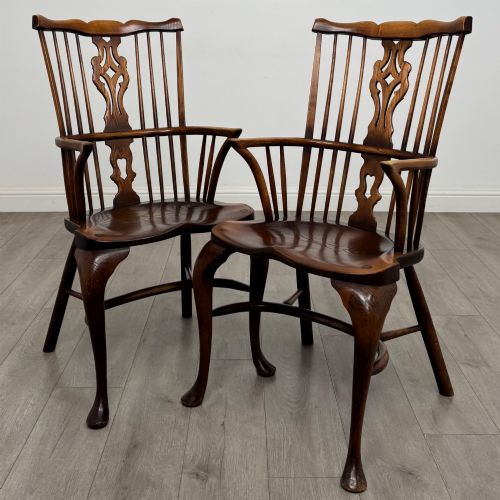
The pieces appearing on this page span several distinct eras, drawing heavily from 18th century, Georgian, and Victorian periods. Most examples belong to the vernacular Windsor tradition, featuring characteristic spindle backs and solid plank seats.
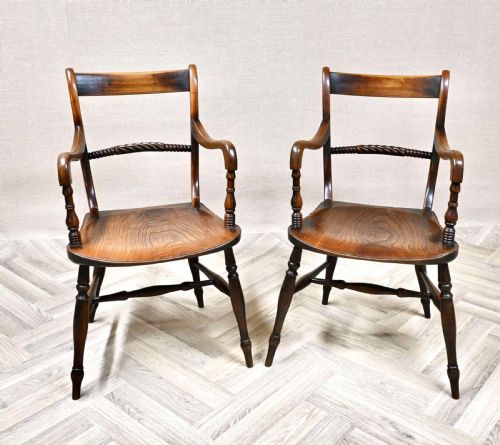
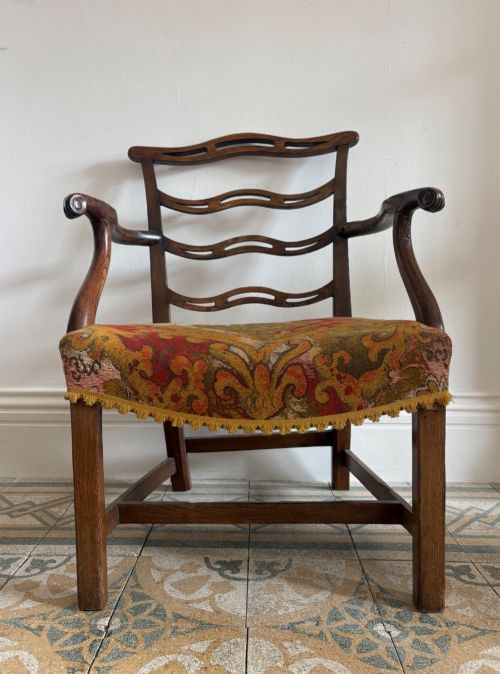
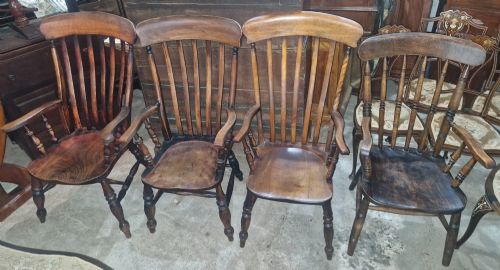
Alongside classic Windsor designs, the selection includes ladder-back chairs with rush or tapestry seats, high-back kitchen chairs, and regional variations such as Thames Valley Oxford chairs. These forms served various roles in farmhouses, cottages, and country houses.
How they were made
Maker workshops relied on a combination of local timbers, pairing dense hardwoods like elm and yew for seats with ash, beech, or oak for bent components and legs. This multi-wood construction exploited the specific mechanical properties of each tree, using flexible ash for steam-bent hoops and stable elm for carved saddle seats.
Traditional construction methods avoided metal fasteners in favour of wedged tenon joints and turned spindles driven straight into bored seat planks. Surfaces were finished simply, often retaining original patinas developed through decades of domestic use and polishing.
Listings feature woods such as elm, ash, beech, oak, yew, fruitwood, laburnum, and mahogany across multiple eras.
What varies in quality
Quality in these armchairs rests upon the integrity of the timber selection and the harmony of the proportions. Superior examples display carefully matched grain patterns in the elm seat planks alongside finely turned arm supports and well-balanced spindle arrangements.
The distinction between a standard utility chair and a finer piece lies in the subtlety of the shaping, such as deeply sculpted saddle seats and slender, elegant comb backs or hooped frames that retain their original structural tension.
Philip Clissett
The Traditional Country Carver Armchair Glossary
- Carver armchair
- An open armchair, often larger than a standard dining chair, traditionally placed at the head of a table.
- Windsor chair
- A chair built with a solid wooden seat into which the legs, back sticks, and arm supports are fitted directly.
- Vernacular
- Objects designed by local makers using regional traditions and readily available materials rather than following academic architectural styles.
- Comb back
- A Windsor chair design where the vertical spindles of the back extend upward into a horizontal top rail resembling a hair comb.
- Rush seat
- A woven seating surface made from dried marsh grasses twisted into cords and hand-plaited across the chair frame.
Traditional Country Carver Armchair: Frequently Asked Questions
How do I tell a Windsor chair apart?
A Windsor chair is defined by its thick wooden seat slab, which holds the legs and back spindles without a traditional frame. Look for turned legs and a distinct bow or hoop back.
Regional variations include comb backs, bar backs, and high-backed kitchen styles from different English counties.
Which woods were used for these chairs?
Makers selected native timbers for specific structural tasks. Elm and yew were commonly chosen for comfortable, carved seats.
Ash, beech, and oak provided the strength needed for slender spindles, bentwood hoops, and sturdy legs.
How do I live with a rush-seated chair?
Rush-seated chairs require stable indoor humidity to keep the natural dried marsh grass from becoming brittle. Protect the woven surface from sharp objects and heavy localized pressure.
Regular light dusting helps preserve the natural fibres and the integrity of the weave over time.