



Traditional Corner Storage Cupboard
A traditional corner storage cupboard brings utilitarian charm to an empty room, making clever use of awkward spaces with period character.
Traditional Corner Storage Cupboard
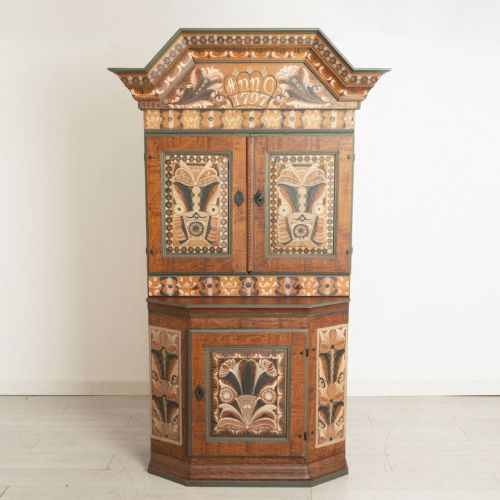
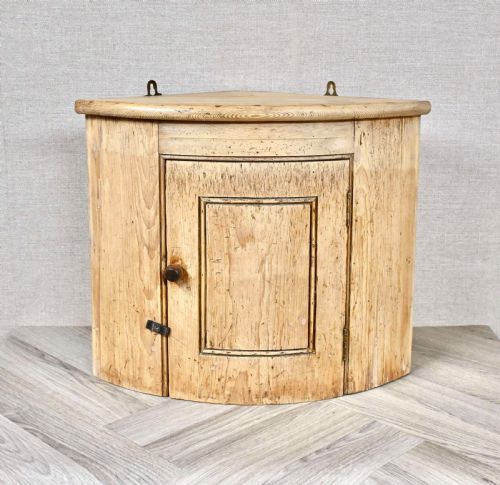
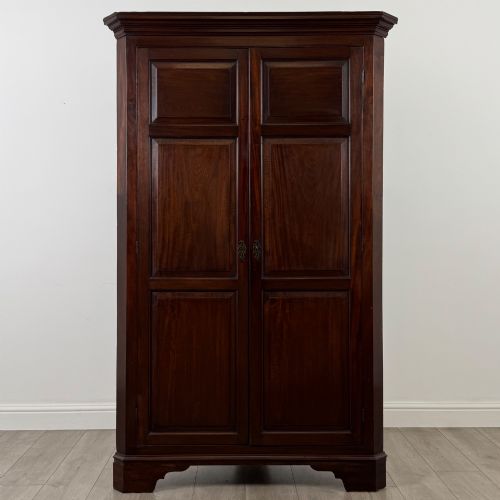
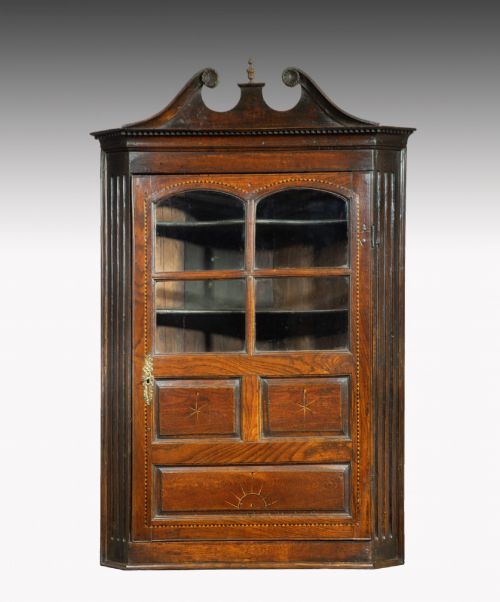
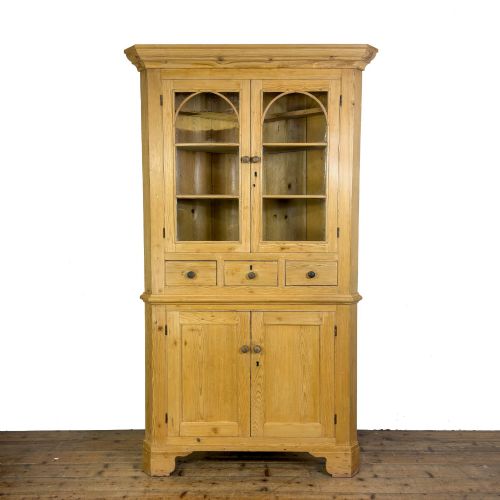
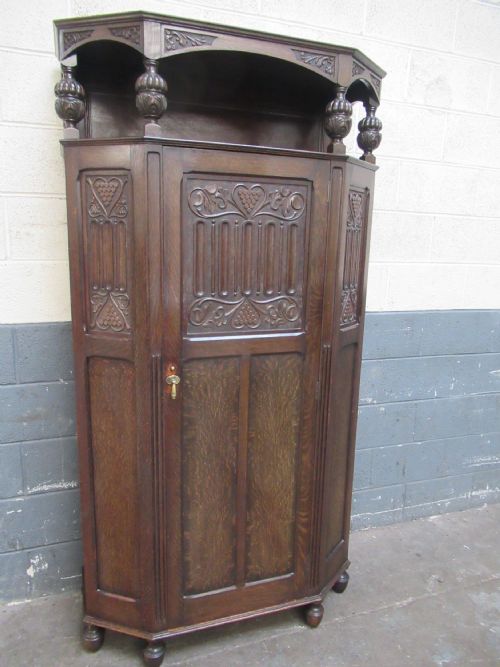
A traditional corner storage cupboard is a dedicated cabinet designed to fit neatly into the ninety-degree angle of a room, transforming overlooked space into practical storage. You will encounter various configurations on this page, ranging from wall-mounted units to substantial floor-standing pieces and cabinets raised upon stands.
The selections span several distinct eras, with eighteenth-century Georgian examples appearing alongside nineteenth-century Victorian pieces, Edwardian designs, and rustic farmhouse interpretations. Oak and pine dominate the simpler country iterations, while mahogany and satinwood frequently define the more formal Georgian and Edwardian specimens.
How they were made
Cabinetmakers constructed these cupboards primarily using solid timbers like oak, mahogany, and pine, often incorporating contrasting stringing in boxwood or satinwood for decorative emphasis. Panels were typically framed and panelled to accommodate the natural movement of wood across changing seasons, ensuring the structure remained stable over centuries.
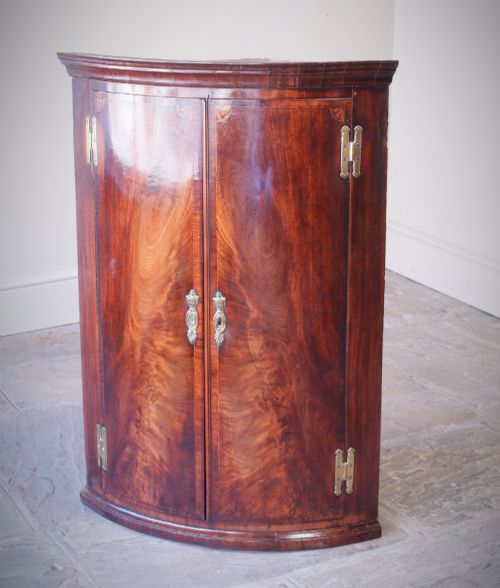
Hardware played an essential functional and decorative role, with brass hinges and escutcheons securing panelled doors that occasionally feature curved or bow fronts. Interior shelving was shaped to follow the internal geometry of the cabinet, sometimes accompanied by lower drawers integrated into the base of the stand or cupboard body.
Traditional Corner Storage Cupboard Retail Price Guide 2026
Typical asking prices for traditional corner storage cupboard among the pieces listed under this phrase on Sellingantiques today, from the lower quarter to the upper quarter. They describe what is for sale here now, not the wider market.
The listings here feature oak, mahogany, pine, and satinwood materials across Georgian, Victorian, and Edwardian periods.
What varies in quality
The distinction between ordinary and superior pieces often lies in the choice of timber and the sophistication of its preparation, such as figured mahogany grain matching or cleanly cut oak panelling. Finer examples display meticulous attention to internal joinery and thoughtful proportions that maintain structural harmony when placed against angled walls.
Decorative restraint and harmonious proportions separate utilitarian workshop items from elevated cabinetmaking, where subtle stringing, brass detailing, and shaped interior shelves elevate a functional container. The integration of stands or the preservation of original hardware further distinguishes pieces that retain their integrity from those altered over time.
The Traditional Corner Storage Cupboard Glossary
- Bow front
- A convex, outwardly curved front facade that softens the rigid geometry of a standard cabinet. This technique requires considerable woodworking skill to shape timber smoothly.
- Standing corner cupboard
- A tall, floor-resting cabinet designed to occupy a room corner without requiring wall suspension. These units often feature substantial cupboard space below and display shelving above.
- Corner cupboard on stand
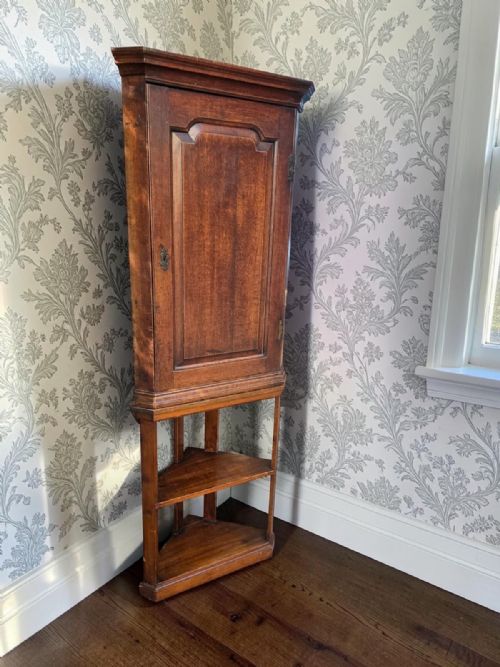
- A cabinet elevated upon a separate or integrated leg frame, creating a lighter visual profile. The stand frequently incorporates an additional drawer beneath the main storage compartment.
- Welsh corner cupboard
- A regional variant combining characteristic local timber selection and construction methods, often pairing oak and mahogany elements. These pieces reflect specific stylistic preferences found within Welsh cabinetmaking traditions.
Traditional Corner Storage Cupboard: Frequently Asked Questions
Where should I place a corner cupboard?
These cabinets suit dining rooms, hallways, and living spaces where standard rectangular furniture interrupts the flow of foot traffic. Their geometric design turns neglected ninety-degree angles into focal points.
Ensure the chosen corner allows the doors to swing open fully without obstruction from skirting boards or adjacent furniture placement.
How do I tell Georgian from Victorian pieces?
Georgian examples often utilise finely figured mahogany or clean oak with restrained classical proportions and subtle mouldings. Victorian versions frequently embrace rustic pine, heavier carvings, or revival styles.
Examining the internal construction methods and timber preparation helps clarify the chronological origin of each cabinet.
Are these cupboards suitable for small rooms?
Wall-mounted versions utilise vertical wall space efficiently without occupying floor area, making them ideal for compact interiors. Floor-standing variants anchor a room visually while hiding considerable storage.
Measuring the diagonal depth and wall clearance accurately ensures the chosen cabinet fits comfortably within the intended space.
Can I store heavy items inside them?
Solid timber construction provides robust durability for everyday household storage requirements. The fixed or shaped interior shelves are engineered to support standard domestic loads.
Distributing weight evenly across the shelves preserves the internal wooden supports and keeps the cabinet stable.