

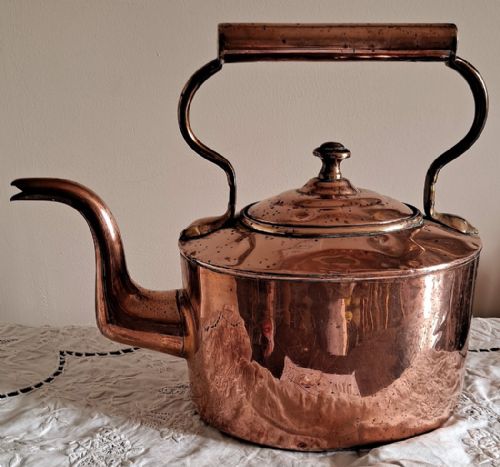
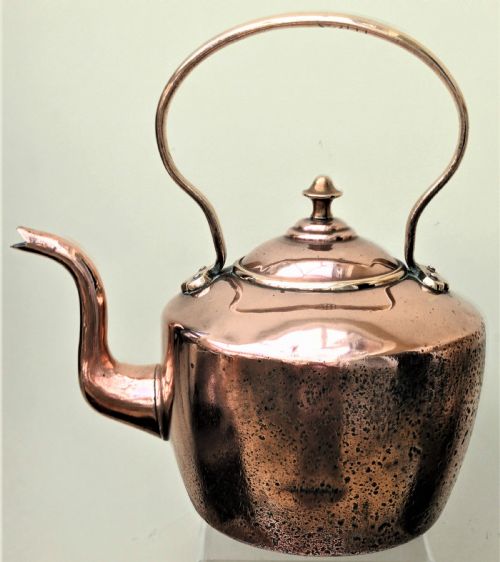

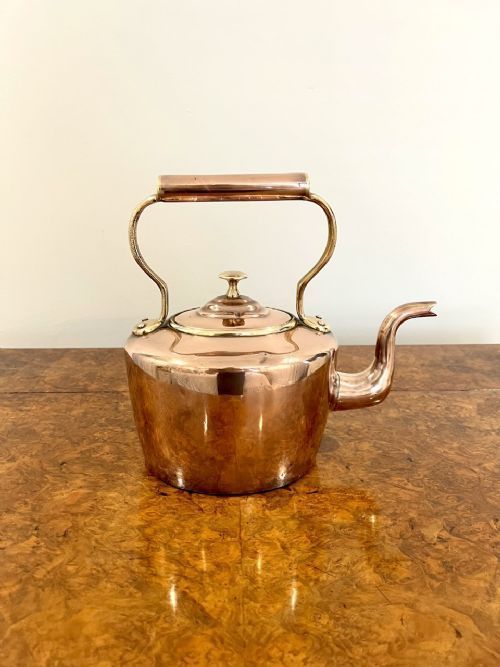


Traditional Copper Water Kettle
These traditional copper water kettle examples offer a genuine slice of historical utility, forged in enduring metals to serve boiling water for centuries.
Traditional Copper Water Kettle
When you search for a traditional copper water kettle, you encounter items shaped by domestic needs across the Georgian and Victorian eras. These vessels include standard tea kettles alongside related forms such as coffee pots, samovars, and tea urns.
The versions most frequently met on this page span the 1800 period, the nineteenth century generally, and the eighteen-eighties specifically. English origins dominate the listings, sitting alongside occasional Middle Eastern examples.
The assortment ranges from small domestic pieces to large polished items designed for heavy hearth use. Each object reflects the utilitarian standards of its respective period without modern manufacturing shortcuts.
How they were made
Metals form the core of these constructions, utilising heavy-gauge copper paired with brass fittings for taps, handles, or mounts. The juxtaposition of copper and brass creates a functional contrast seen across multiple listings.
Handles and insulators frequently incorporate wood or ebonised wood to protect the hand from heat during daily use. These organic elements are shaped to fit the hand, secured carefully to the main metal body.
Traditional Copper Water Kettle Retail Price Guide 2026
Typical asking prices for traditional copper water kettle among the pieces listed under this phrase on Sellingantiques today, from the lower quarter to the upper quarter. They describe what is for sale here now, not the wider market.
Materials recorded across the inventory include copper, brass, wood, and ebonised wood.
What varies in quality
The distinction between standard utility items and finer pieces lies in the weight of the metal and the precision of the construction. Heavier gauge copper and careful finishing separate the superior examples from ordinary workshop output.
Details such as the integration of brass components and the turning of wooden handles indicate the level of craftsmanship invested in the object. Finer specimens display harmonious proportions and clean lines across the body and spout.
The Traditional Copper Water Kettle Glossary
- Copper
- A malleable, reddish-brown metal that conducts heat efficiently and forms the primary body of these vessels. It develops a rich patina through age and handling.
- Brass
- A yellow alloy of copper and zinc utilised for structural mountings, taps, and handles on kettles and samovars. It offers durability and a bright contrast against darker copper surfaces.
- Ebonised wood
- Timber treated to imitate ebony, providing a deep black finish for kettle handles and knobs. This material resists heat while offering a refined grip.
- Samovar
- A heated metal urn traditionally used to boil and heat water for tea. These large vessels often incorporate intricate brass spigots and stands.
- Georgian
- A design period spanning the reigns of the first four Georges, noted here through pieces dated around eighteen hundred. Workmanship from this era prioritises robust utility.
Traditional Copper Water Kettle: Frequently Asked Questions
What is a traditional copper water kettle used for?
These vessels were designed to boil water efficiently over an open hearth or stove for daily tea and domestic tasks. Their heavy metal construction ensured the water stayed hot for extended periods.
Today, collectors appreciate them primarily as decorative kitchenalia or historical display pieces rather than daily kitchen tools.
How do I date a traditional copper water kettle?
Dating relies on observing construction methods, handle materials, and prevailing styles from periods like the Georgian and Victorian eras. Listings often reference specific years or broader centuries based on these design cues.
Examining the joining techniques and the presence of brass or ebonised wood helps narrow down the timeframe of manufacture.
How should I clean a traditional copper water kettle?
Maintenance depends entirely on whether you prefer a bright polished finish or an aged dark patina. Many collectors choose to leave the natural oxidation untouched to preserve the historical appearance.
If polishing is desired, standard non-abrasive copper cleaners can be applied gently to avoid damaging the underlying metal.