
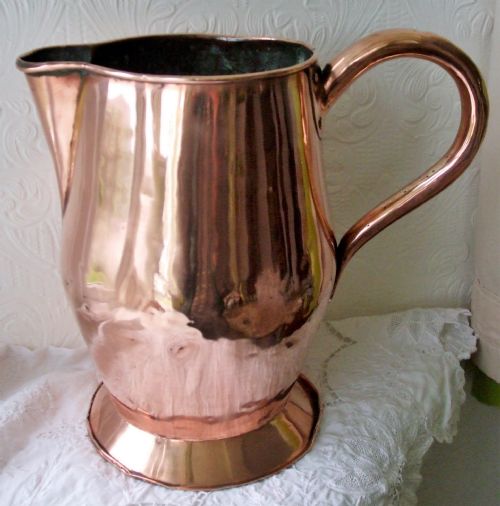
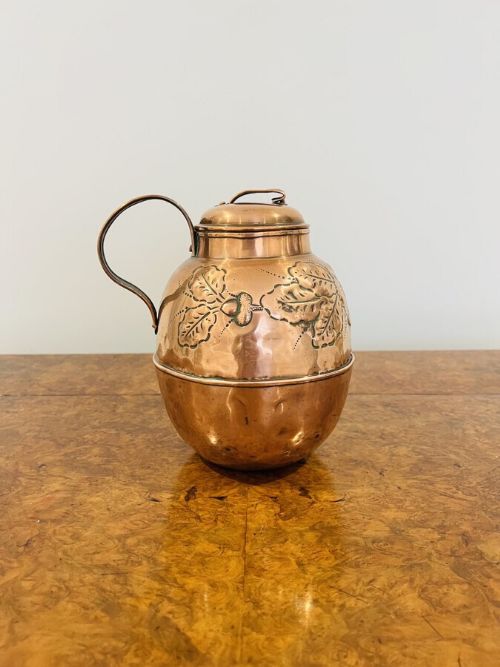
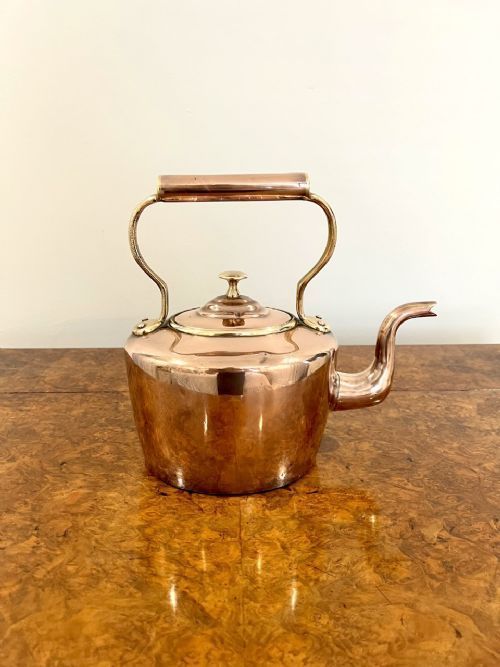
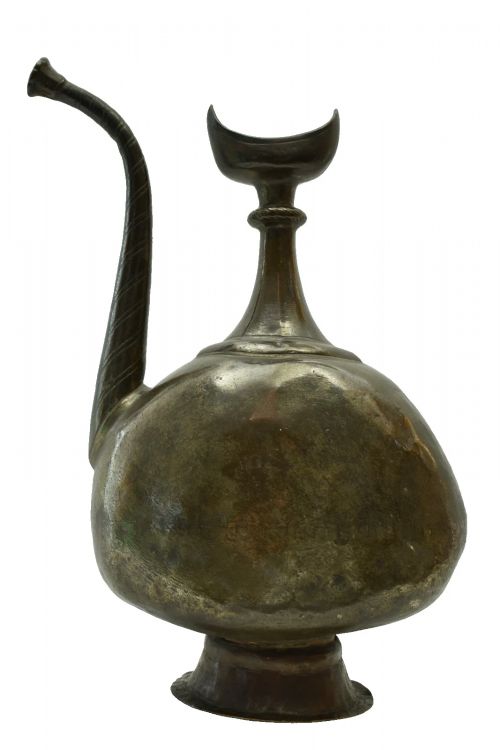


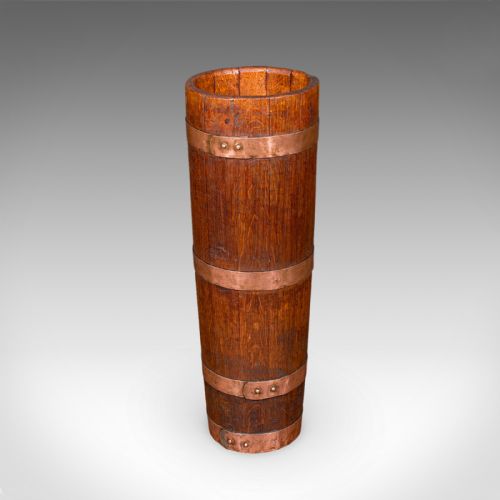


Traditional Copper Vessel
A traditional copper vessel brings warmth and heavy metal utility to a room through centuries of hearthside form.
Traditional Copper Vessel
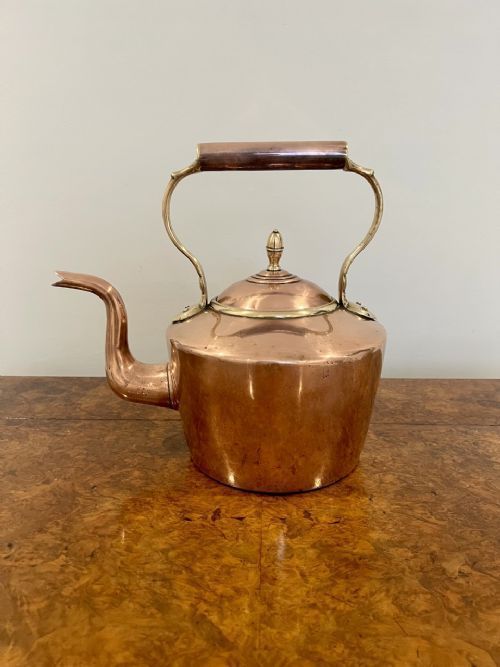
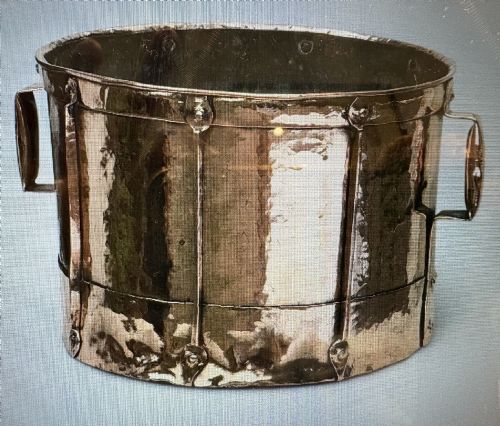
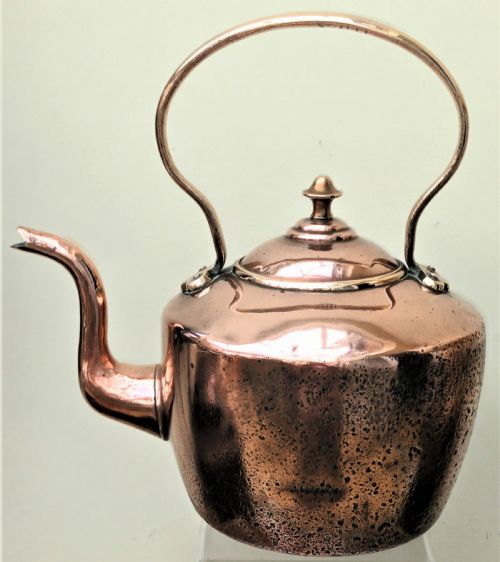
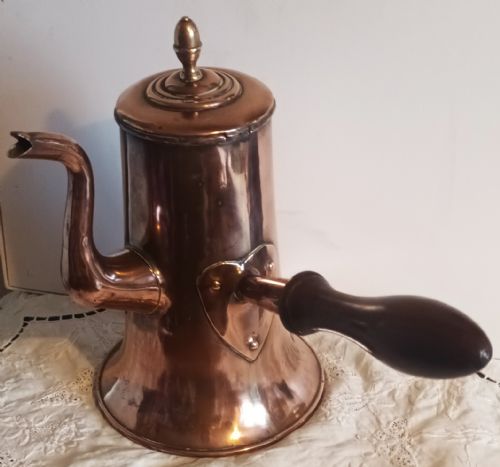
A traditional copper vessel spans domestic kitchenware, hearth furniture, and utilitarian measures originating from Georgian and Victorian workshops. Buyers seeking these items encounter kettles, jugs, pitchers, preserving pans, and log bins forged for heavy daily service.
The pieces emerge from distinct regional traditions, ranging from English country houses to French provincial farmhouses and Ottoman workshops. Kettle forms dominate the current selection, alongside tall jugs, lidded pitchers, and milk churns.
Datings stretch from the eighteenth century through the nineteenth century, capturing Georgian precision and Victorian industrial scale. Each object reflects the utilitarian demands of its period, whether boiling water over a coal fire or measuring dry goods in a market.
Materials and construction
Makers shaped heavy sheet copper by hand, joining seams with dovetail joints or heavy riveting and reinforcing rims with iron or brass wire. Handles often combine wrought iron, brass, or wood to insulate against heat.
Surface finishes display the honest marks of the workshop, from hand-beaten hammering to turned lathe lines on cast elements. Internal tinning protects the copper base from acidic contents in cooking and beverage vessels.
Listings feature items from the eighteenth, nineteenth, and Victorian periods, constructed primarily in copper, brass, iron, and oak.
Evaluating distinction
The calibre of a traditional copper vessel rests on the thickness of the original metal sheet and the integrity of its hand-formed seams. Heavy gauge walls resist denting and hold heat longer than thin commercial stampings.
Proportion and decorative restraint separate standard utility gear from finer exhibition pieces. Subtle details such as cast brass feet, dovetailed spouts, and balanced swing handles elevate the form.
J Bower·Hodges and Sons
The Traditional Copper Vessel Glossary
- Aftaba
- An Islamic ewer or pitcher featuring a long spout and handle, traditionally used for ritual washing.
- Ferrat grain measure
- A standardised French container utilised for measuring dry agricultural produce like grain.
- Haystack measure
- A distinctively shaped British liquid measure with a tapered body resembling a stacked pile of hay.
- Ale muller
- A specialised vessel fitted with a long handle, designed to be heated directly in hot coals for mulling spiced beer.
- Samovar
- A heated metal urn traditionally utilised to boil and maintain water for tea preparation.
Traditional Copper Vessel: Frequently Asked Questions
How do I clean antique copper?
Maintain the surface with a gentle metal polish only when necessary, leaving the dark oxidation that builds up in crevices over generations.
Avoid abrasive scouring pads that strip away the original hand-hammered texture and leave bright, unnatural streaks.
Can I use these kettles on a modern stove?
Most antique kettles are best displayed as decorative objects rather than boiled on modern induction or gas hobs.
Thin historic base plates and historic interior linings may not withstand intense modern thermal shock without sustaining damage.
How do I date an old copper piece?
Examine the construction methods, noting whether seams are hand-riveted, dovetailed, or machine-welded.
Georgian and early Victorian items typically feature irregular hand-beaten surfaces and dovetail joints, whereas later pieces show uniform industrial rolling.
Where should I place a log bin?
Position large lidded bins beside a fireplace or in an entryway to hold firewood, umbrellas, or walking sticks.
The substantial metal presence grounds rustic and traditional interiors alike while offering functional storage.