

Traditional Conference Table
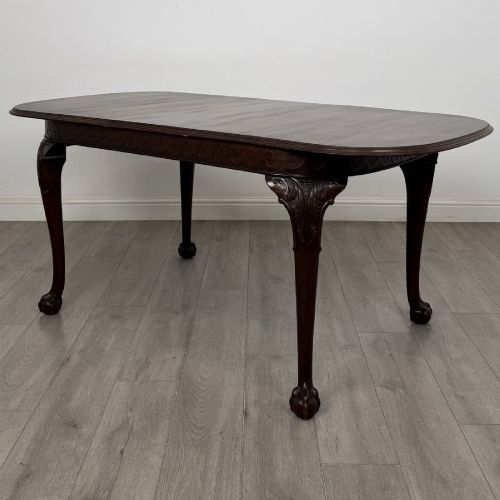
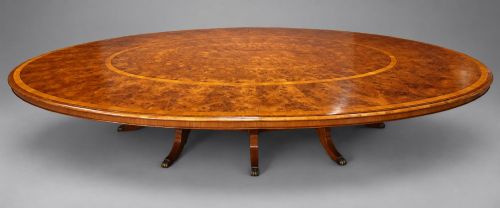
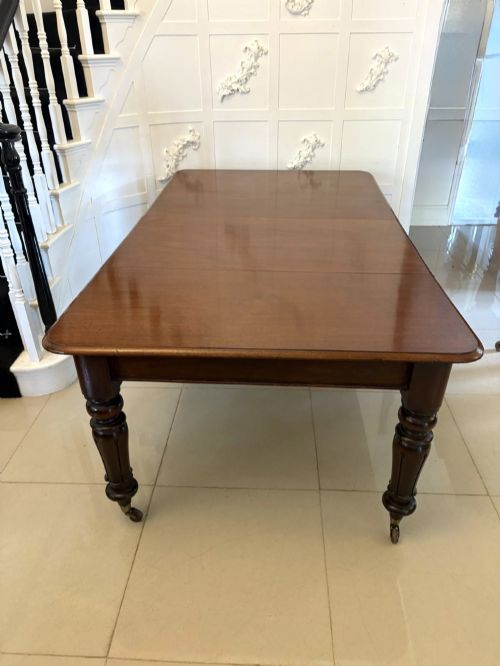
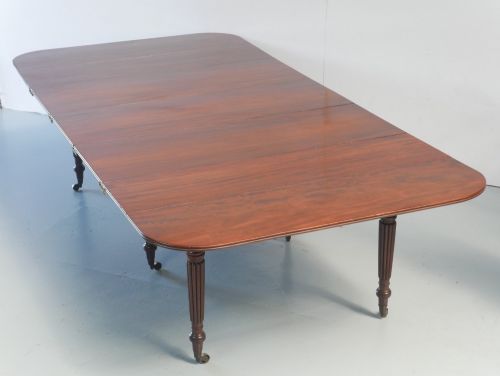
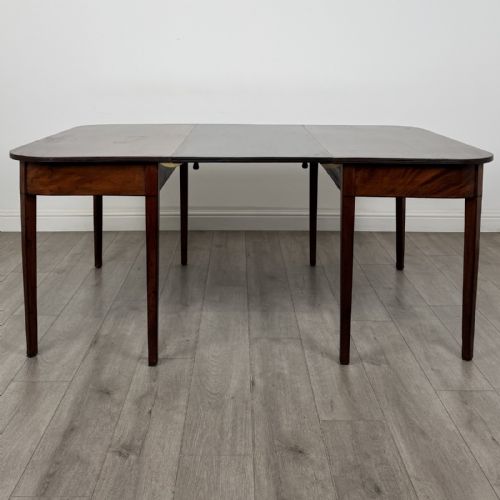
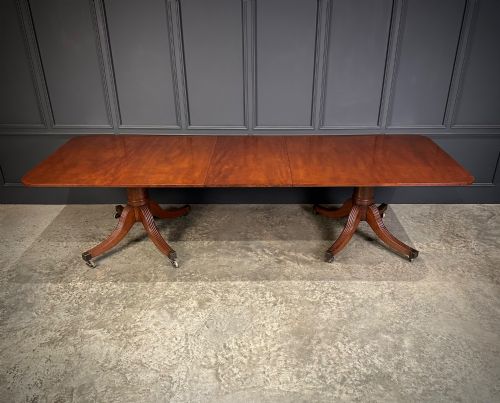
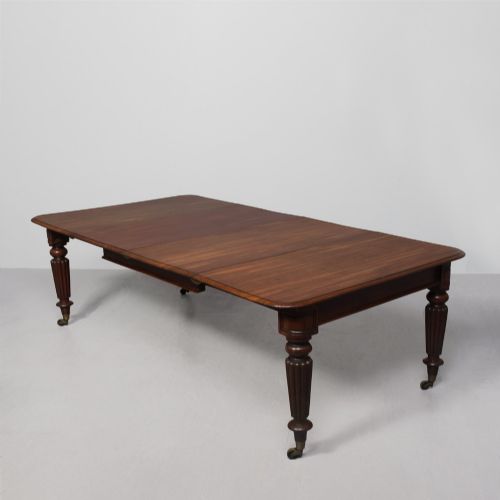
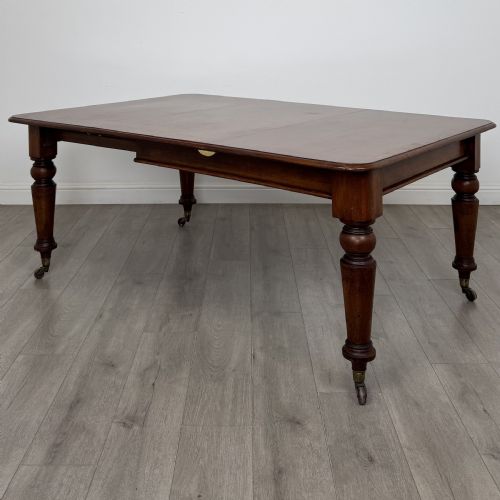
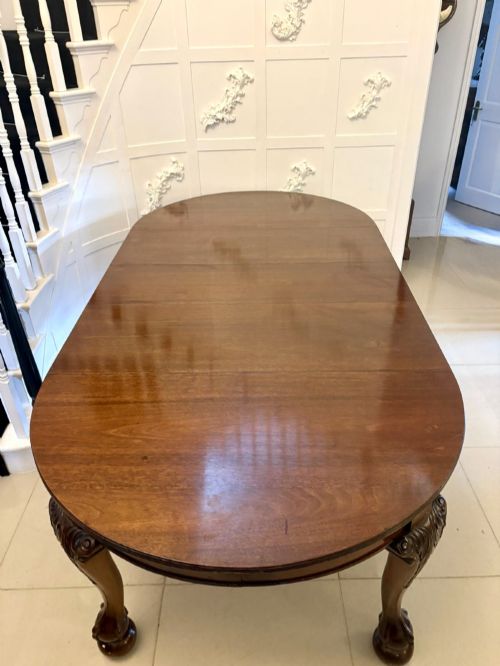
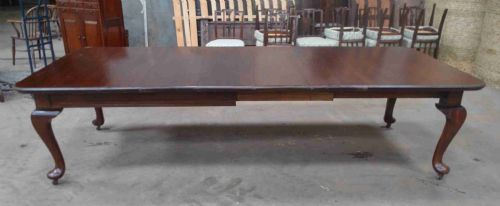
These traditional conference tables, found here as large extending dining and boardroom tables, offer generous seating capacity for grand gatherings.

Traditional Conference Table
When you search for a traditional conference table, you are looking at large timber surfaces designed to seat many people for dining or meetings. The pieces listed on this page primarily take the form of extensive dining tables and boardroom tables originating from the nineteenth and early twentieth centuries.
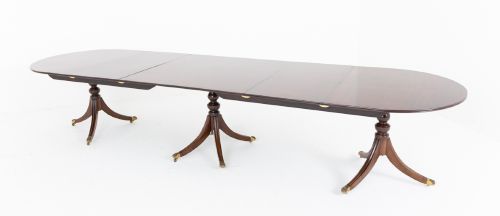
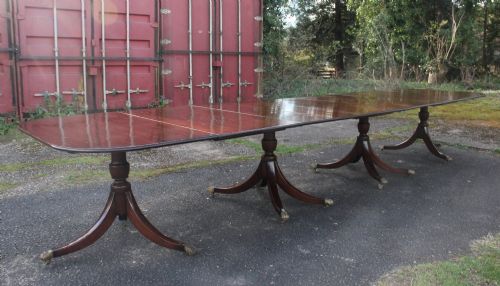
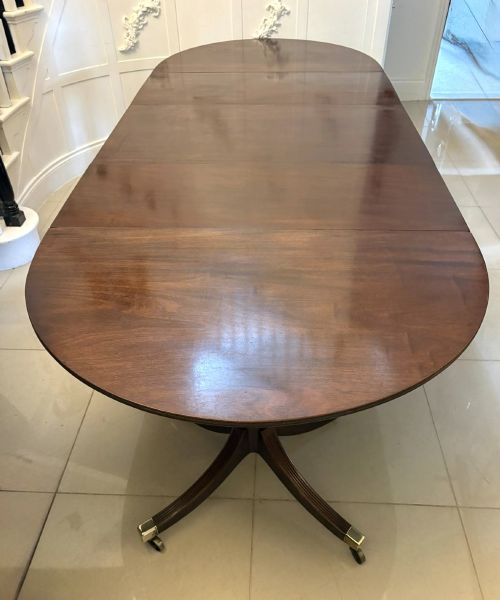
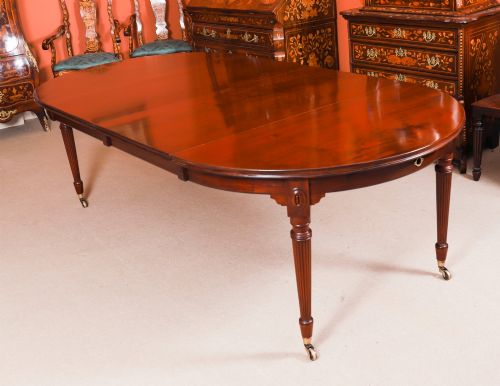
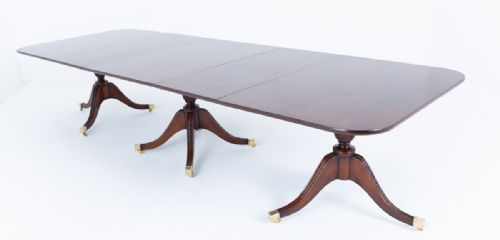
You will most commonly meet multi-pedestal extending tables on this page, often supported by twin, triple, or four pillars with removable leaves. These pieces span periods from the Georgian and Regency eras through to the Victorian, Edwardian, and later revival styles, accommodating anywhere from ten to over twenty-four seats.
Materials and construction
These tables are constructed predominantly from mahogany, alongside oak, walnut, pollard oak, and rosewood timber. Cabinet makers utilised solid woods and figured veneers for the top surfaces, incorporating additional brass components such as castor fittings and pillar mechanisms.
Extending capabilities rely on robust pillar and pedestal supports combined with leaf-insertion systems. Many pieces incorporate reeded legs, inlaid details, and fabric upholstery on accompanying chairs where dining sets are included.
Traditional Conference Table Retail Price Guide 2026
Typical asking prices for traditional conference table among the pieces listed under this phrase on Sellingantiques today, from the lower quarter to the upper quarter. They describe what is for sale here now, not the wider market.
Listings feature mahogany, oak, walnut, pollard oak, and rosewood across nineteenth-century and early twentieth-century periods.
Factors of quality
Quality in these large tables is determined by the selection of figured timber veneers and the precision of the pillar and leaf-extending mechanisms. Pieces featuring dense mahogany grain, substantial timber thickness, and balanced multi-pedestal proportions stand apart from simpler iterations.
The sophistication of the joinery and the integration of multiple leaves to maintain structural stability across extended lengths separate standard production from finer cabinet work.
The Traditional Conference Table Glossary
- Pedestal
- A central column support that holds the main weight of the table top. Multi-pedestal formats use two, three, or four of these pillars to support long extending surfaces.
- Extending table
- A table designed with removable leaves and internal tracks to lengthen the top surface. This mechanism allows the seating capacity to adjust for varying numbers of guests.
- Figured mahogany
- Timber selected for its decorative grain patterns such as flame or curl. Cabinet makers placed these veneers on top surfaces to create visual depth.
- Reeded legs
- Legs carved with parallel convex mouldings running vertically. This decorative turning appears frequently on Regency and revival dining furniture.
- Refectory table
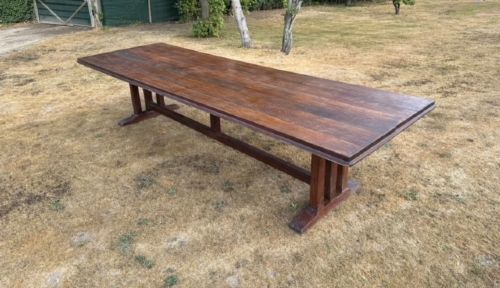
- A long, narrow table form traditionally used for communal dining. Examples on this page appear in Edwardian walnut constructions.
Traditional Conference Table: Frequently Asked Questions
How many people do these tables seat?
The seating capacity ranges widely depending on the number of inserted leaves. Many tables accommodate ten to twelve diners, while larger multi-pedestal examples seat up to twenty-four or twenty-six people.
Buyers should check the dimensions and leaf count in each specific listing to ensure adequate legroom and chair clearance for their intended meeting or dining space.
How do extending mechanisms work?
Extending dining tables typically use a runner system or independent pillar supports that separate to accept additional timber leaves. These leaves drop into the centre and lock in place to lengthen the surface.
This modular design allows the table to shrink for daily use and expand fully when hosting large gatherings or boardroom meetings.
What periods do these tables represent?
The listings span from the Georgian, Regency, and William IV periods through the Victorian and Edwardian eras. You will also find early twentieth-century pieces built in Georgian and Regency revival styles.
Each period brings distinct stylistic cues, from reeded pillar legs to figured mahogany veneers and walnut refectory forms.
Can these tables be used as office boardroom tables?
These large timber tables function effectively as boardroom surfaces due to their substantial length and formal aesthetic. Historic dining tables and dedicated boardroom tables share similar proportions and grand scale.
Their sturdy pedestal construction and vast timber tops provide practical workspace for meetings while maintaining traditional character.