

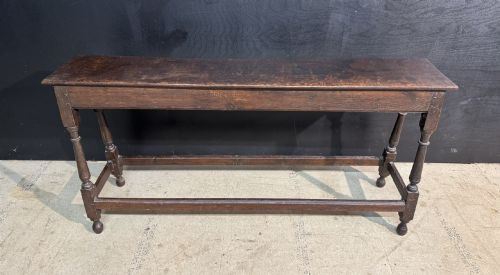
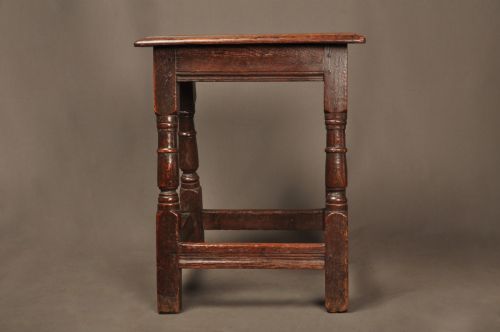
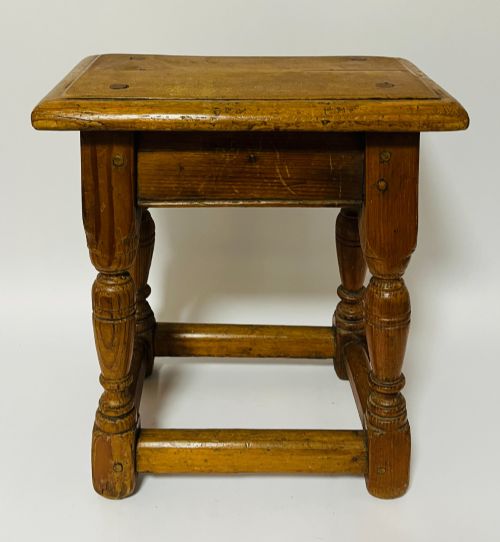


Traditional Coffin Stool
These traditional coffin stool examples are sturdy wooden seats built for durability, offering a practical piece of history for any interior.
Traditional Coffin Stool
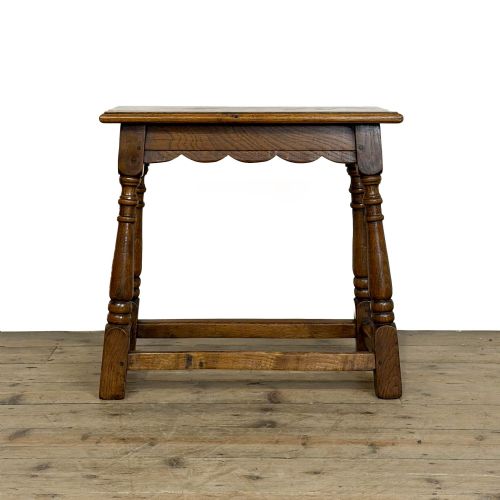
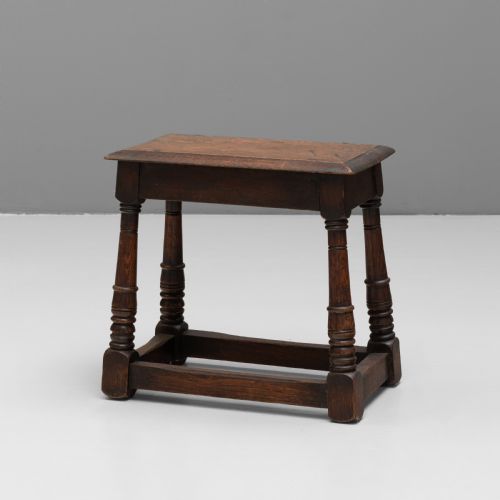
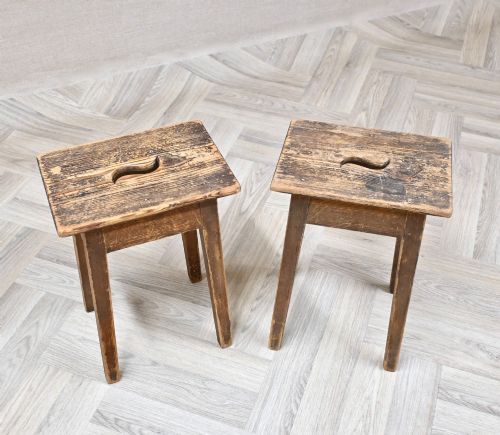
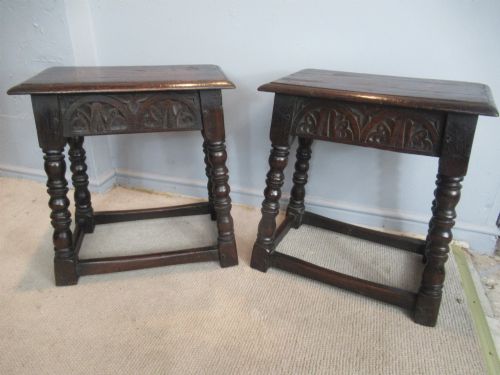
When you search for traditional coffin stool, you are looking at low wooden seating units often designated as joint stools or stands. These sturdy items emerge in oak, pine, and yew wood across periods spanning from the seventeenth century through to the twentieth century.
Most pieces encountered on this page display heavy revival characteristics, such as Jacobean Revival and rustic country styling. They function readily as small side tables or additional seats within domestic spaces.
The historical forms mirror early construction methods designed for stability and everyday utility rather than delicate ornamentation. Buyers frequently find examples dating from the Georgian era up to the Edwardian period and the early twentieth century.
How they were made
Traditional coffin stools rely heavily on solid timber construction, utilising oak as the primary material alongside occasional pine and yew wood. Joinery techniques employ pegged joints rather than metal fixings, ensuring the frame withstands substantial weight.
Woodworking methods reflect the period of origin, ranging from seventeenth-century hand-tool traditions to later nineteenth-century country craftsmanship. Surfaces often display straightforward finishing techniques that highlight the natural grain of the timber.
Traditional Coffin Stool Retail Price Guide 2026
Typical asking prices for traditional coffin stool among the pieces listed under this phrase on Sellingantiques today, from the lower quarter to the upper quarter. They describe what is for sale here now, not the wider market.
Listings feature oak, pine, and yew wood pieces spanning the seventeenth century to the twentieth century.
What varies in quality
The standard of a traditional coffin stool depends on the integrity of its wooden frame and the fidelity of its period construction. Pieces that retain their original timber without extensive replacement parts command greater interest from discerning buyers.
Proportion and execution set individual items apart, particularly in the hand-turned legs and the thickness of the top boards. Subtle differences in joinery execution distinguish simple utilitarian items from more ambitious revival pieces.
The Traditional Coffin Stool Glossary
- Joint stool
- A type of sturdy wooden stool constructed using mortise and tenon joints held together by wooden pegs. This method creates a rigid frame capable of heavy daily use.
- Jacobean Revival
- A design style mimicking the architecture and furniture of the early seventeenth century. Makers applied these heavy, ornate motifs to pieces produced during the Victorian and Edwardian eras.
- Mortise and tenon
- A primary woodworking joint where a projecting tongue fits snugly into a corresponding cavity. It provides exceptional strength without requiring modern adhesives.
Traditional Coffin Stool: Frequently Asked Questions
What is a traditional coffin stool used for?
These pieces function primarily as compact seats or small occasional tables within a room. Their flat tops and sturdy frames make them suitable for holding objects or providing extra seating.
Historically, such low wooden stands served various domestic purposes alongside seating. Today, owners place them in hallways, living areas, or bedrooms as decorative accents.
How do I identify older wooden stools?
Examination of the timber grain, tool marks, and construction methods reveals the likely period of manufacture. Hand-pegged joinery and surface wear patterns indicate older craftsmanship.
Comparing the style details against known revival periods helps determine whether a piece dates to the seventeenth century or a later nineteenth-century revival.
Are these stools made of solid oak?
Many examples utilise solid oak throughout their construction, though pine and yew wood also appear in the listings. Timber selection dictates the weight and overall durability of the piece.
Solid wood construction ensures the frame maintains its structural integrity across centuries of use.
How do I care for antique wooden furniture?
Maintaining wooden stools involves keeping them away from direct heat sources and extreme humidity fluctuations. Regular dusting preserves the surface finish without chemical buildup.
Applying natural wax occasionally helps nourish the timber and protects the grain from drying out.