
Traditional Coat Tree
These traditional coat tree pieces offer practical storage for hats and coats, bringing period character directly into your hallway.
Traditional Coat Tree
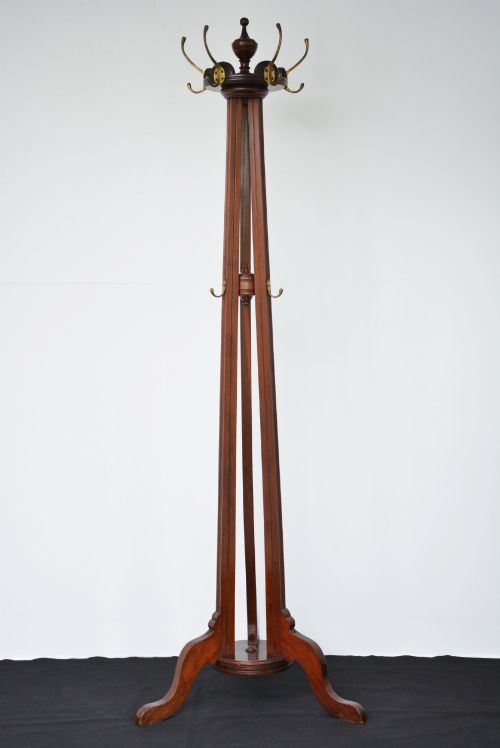
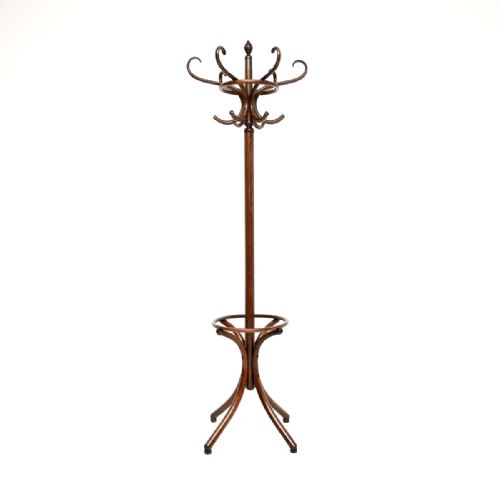
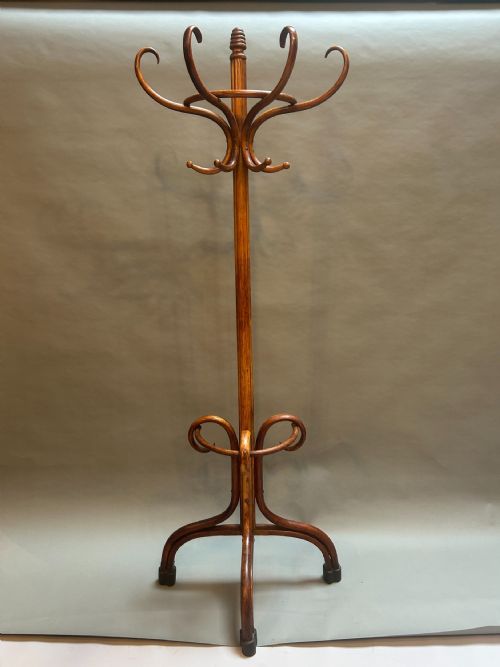
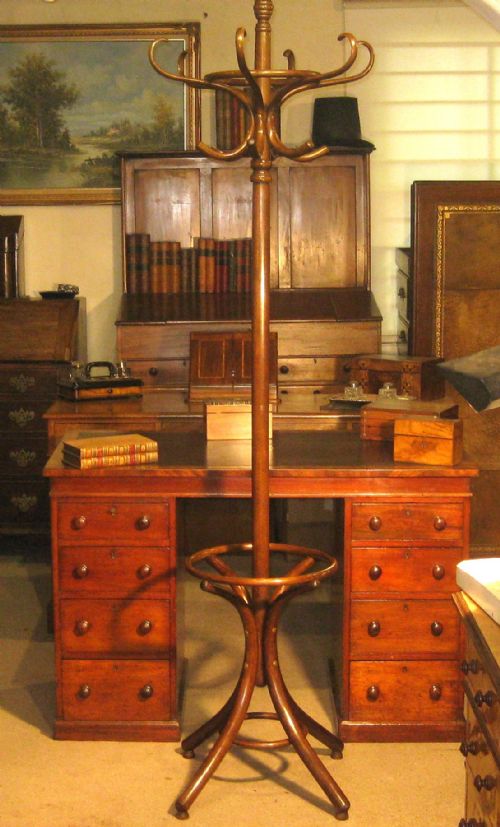
A traditional coat tree stands upright in hallways, providing multiple curved hooks for hanging garments and hats within easy reach. These hall stands and hatstands appear across various periods, including Victorian, Edwardian, and mid-century decades.
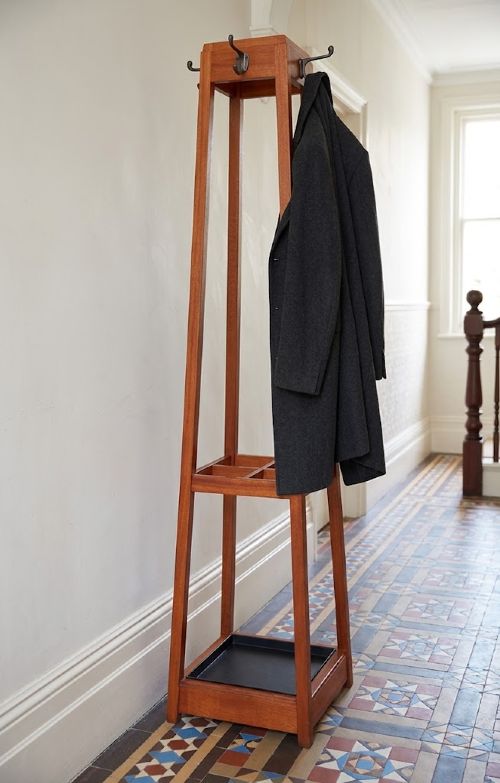
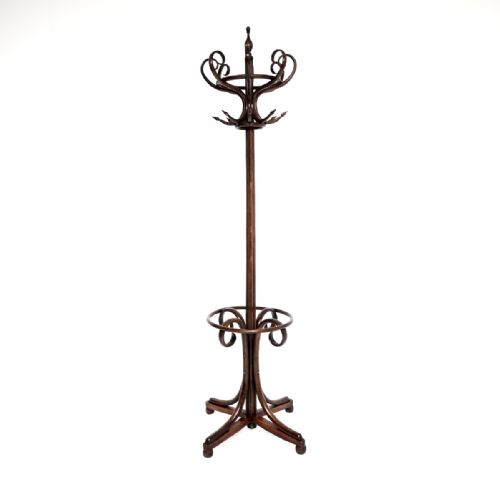
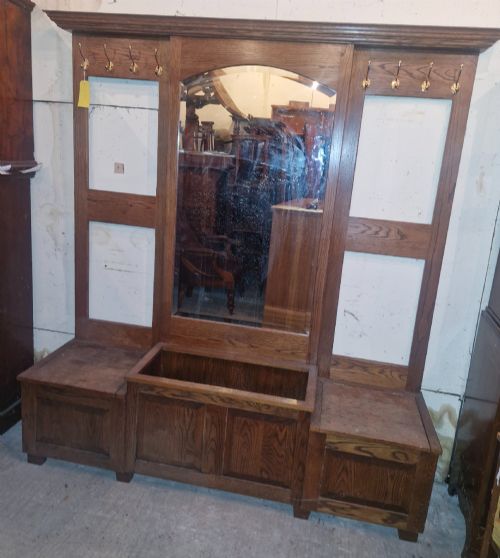
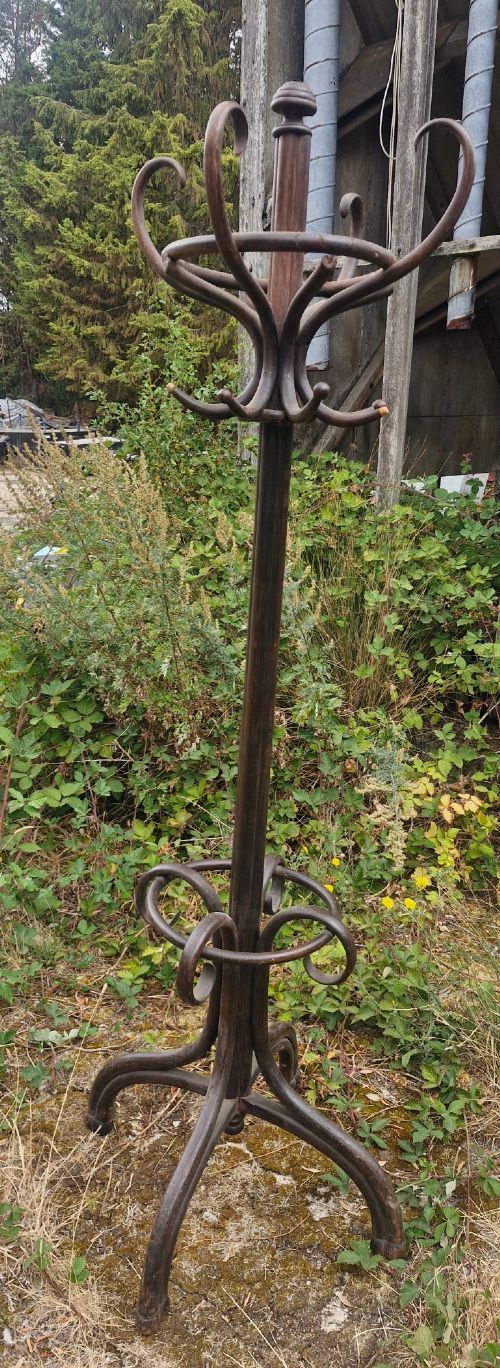
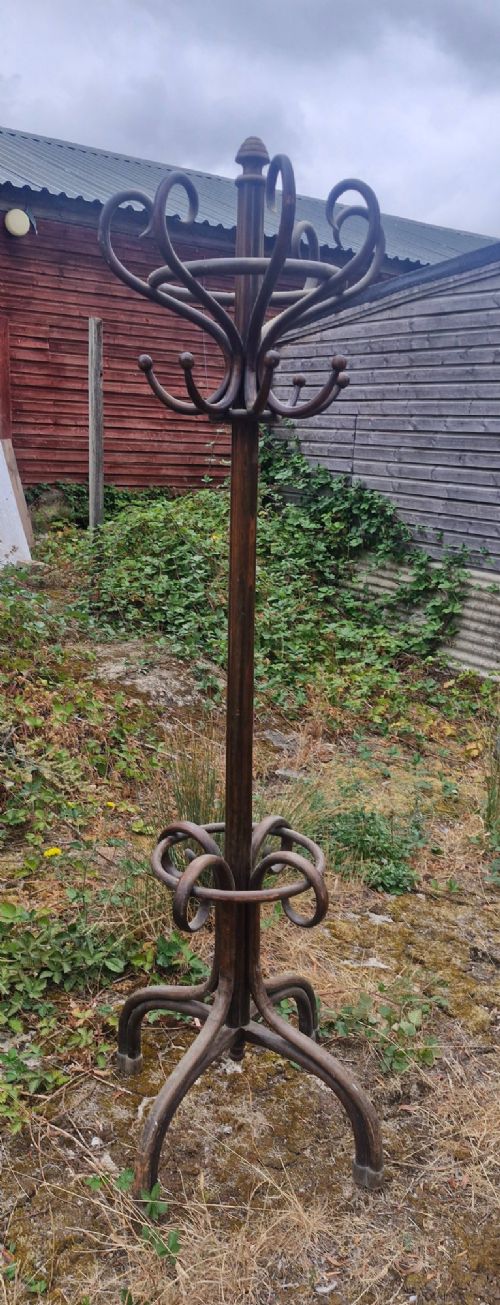
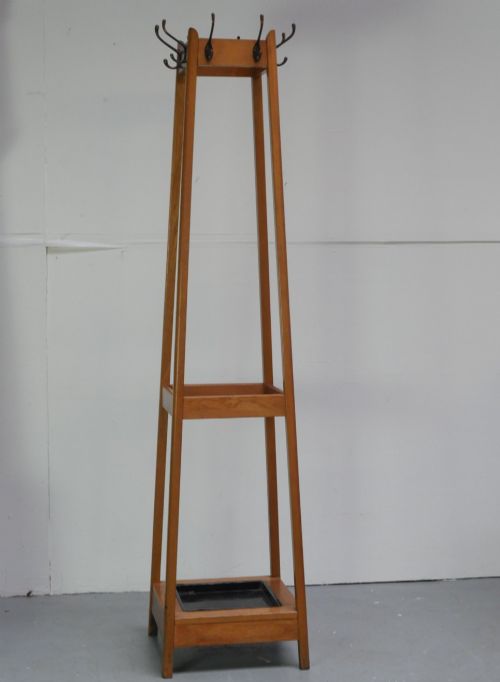
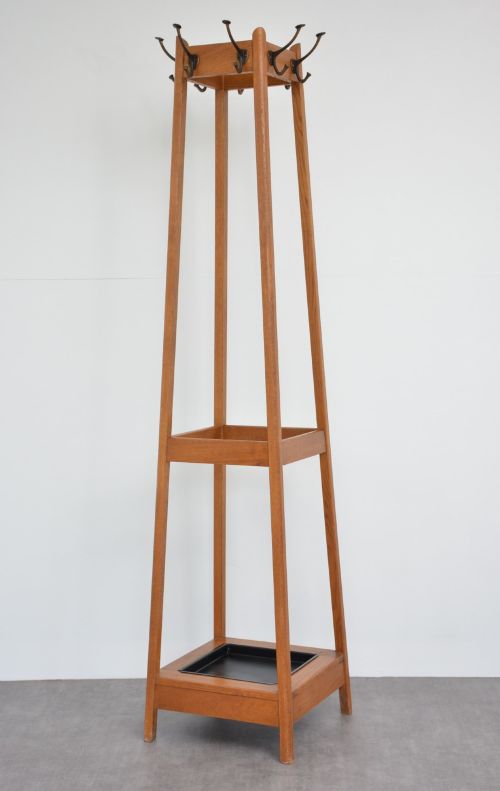
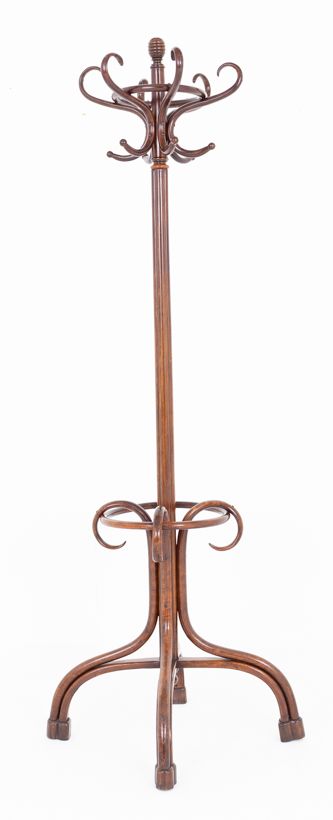
The selections include freestanding bentwood designs alongside oak and mahogany hall stands equipped with integrated umbrella holders and drip trays. Many examples utilise steam-bent beechwood to create lightweight yet sturdy upright structures.
How they were made
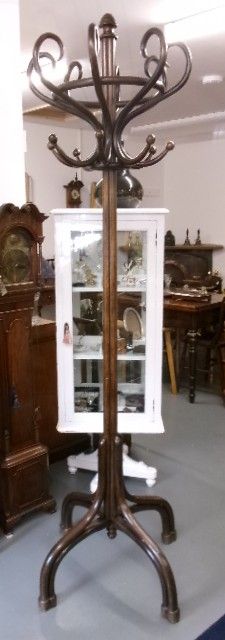
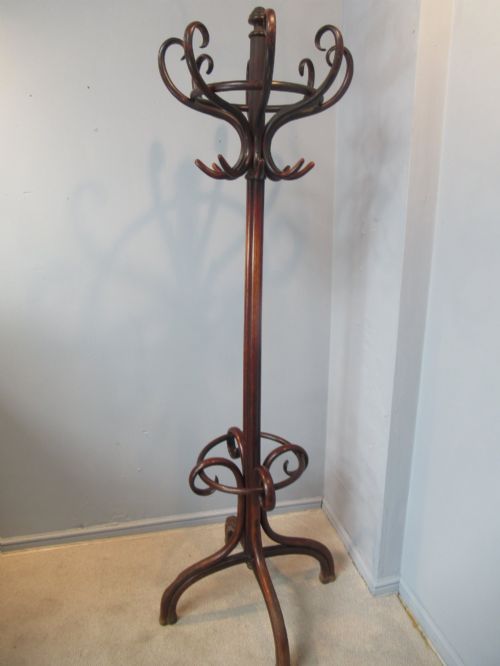
Craftsmen utilised steam-bending techniques on beech and beechwood to form the characteristic curved loops of bentwood coat stands. Solid woods like oak, walnut, and mahogany provide the heavy framework for larger hall seat stands.
Metal components such as brass hooks and iron drip trays add functional durability to wooden frames. Glass elements occasionally appear in hardware or decorative mirror inserts on period hall stands.
The listings show pieces spanning from the Victorian era through the 1960s, constructed primarily in beech, oak, mahogany, and walnut.
What varies in quality
The integrity of the bentwood curves and the original stability of the central stem separate standard items from superior pieces. Heavier framing timbers and integrated components like multi-functional umbrella holders distinguish more substantial hall stands.
The refinement of turned wooden details and the preservation of original metal hooks influence the overall character of the piece.
Jas. Shoolbred
The Traditional Coat Tree Glossary
- Bentwood
- Wood shaped by applying steam to soften the fibres before bending them into curves. This technique defines the lightweight frames of many turn-of-the-century hatstands.
- Hall Stand
- A substantial piece of hall furniture combining coat hooks, a mirror, and a seat with umbrella storage. These items served busy Victorian and Edwardian entrances.
- Demi Lune
- Half-moon shape used for the footprint or table surface of specific hall stands. This design allows the furniture to sit flat against an entrance wall.
- Drip Tray
- A metal or ceramic basin positioned at the base of a coat stand to catch water from wet umbrellas. It protects the wooden flooring beneath the stand.
Traditional Coat Tree: Frequently Asked Questions
What is a traditional coat tree?
A traditional coat tree is a freestanding vertical piece of furniture designed with multiple arms or hooks for hanging hats, coats, and scarves. These items typically occupy entrance halls to keep daily outerwear organised.
Versions range from lightweight bentwood poles to heavy oak and mahogany hall stands featuring integrated umbrella holders and mirrors.
How do I care for a bentwood coat stand?
Bentwood stands require stable indoor humidity levels to prevent the steam-bent beech timber from drying out or warping over decades of use. Regular dusting with a dry cloth keeps the polished wooden surface in good condition.
Avoid placing these freestanding items in damp entranceways or areas subject to direct thermal heat sources that might stress the bent joints.
Where were these pieces used?
These pieces served primarily in domestic entrance halls, vestibules, and corridors where family members and guests removed outdoor garments upon entering the home. Larger multi-functional stands provided a seat for putting on shoes alongside storage for umbrellas.
Commercial establishments and offices also utilised sturdy bentwood stands to accommodate visitor hats and coats.
How do I identify an Edwardian coat stand?
Edwardian coat stands often feature lighter construction and simpler decorative turning compared to heavily carved Victorian furniture. The period spans the early twentieth century, showing up frequently in beech bentwood and oak.
Revolving top sections and integrated mirror panels also signal this era of domestic hallway design.