



Traditional Coastal Landscape
When you search for a traditional coastal landscape, you are looking at maritime art depicting harbours, shores and fishing vessels.
Traditional Coastal Landscape
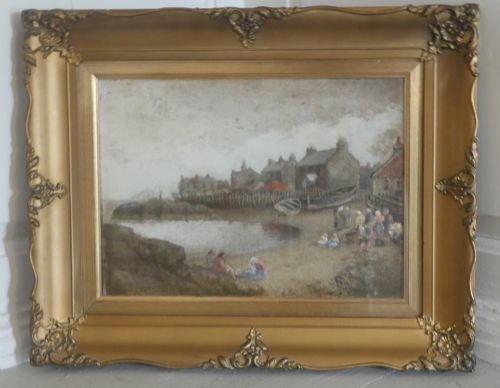
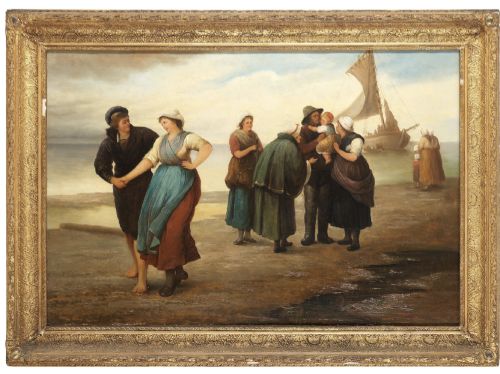
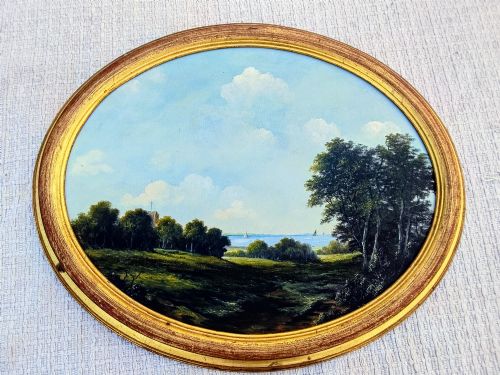
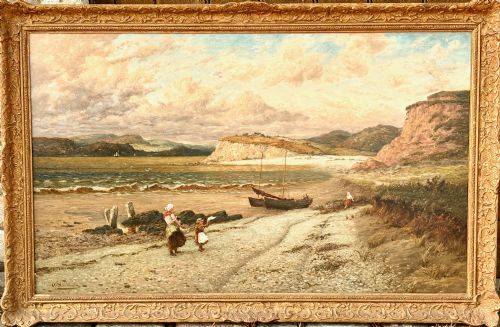
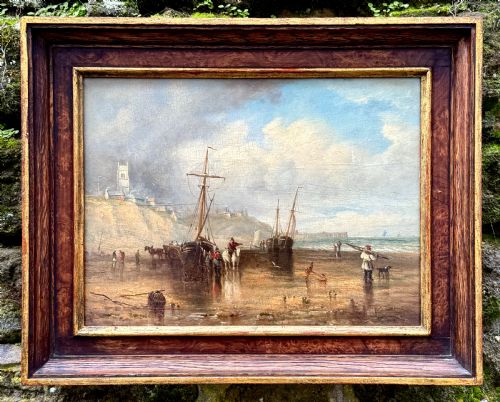
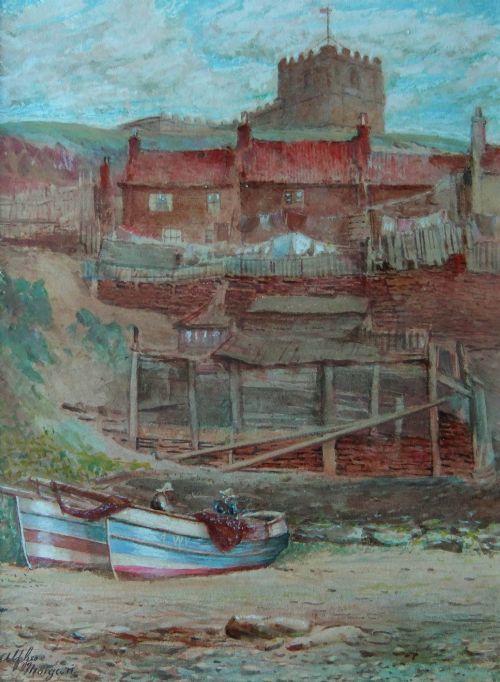
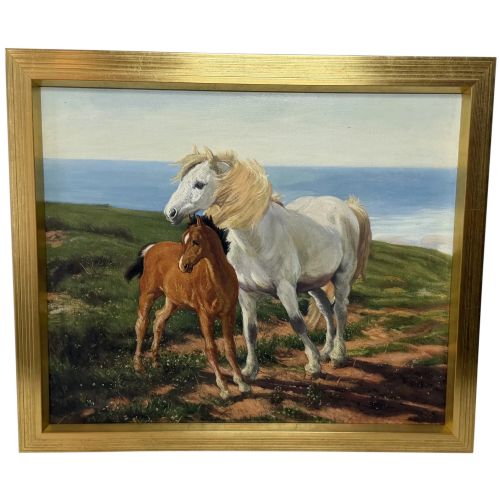
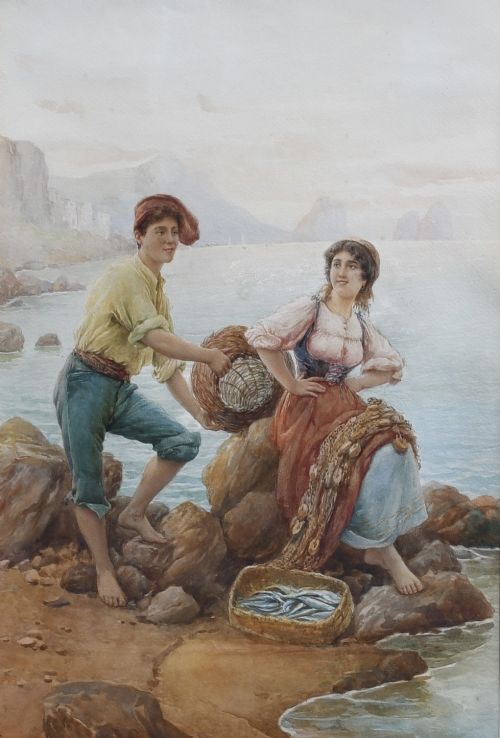
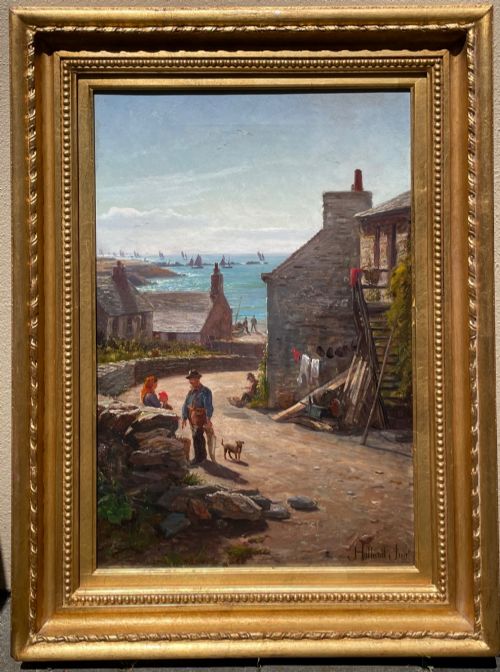
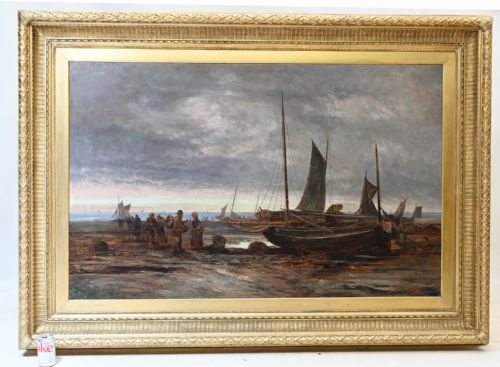
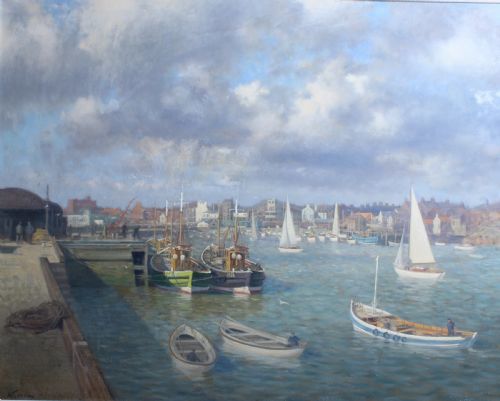
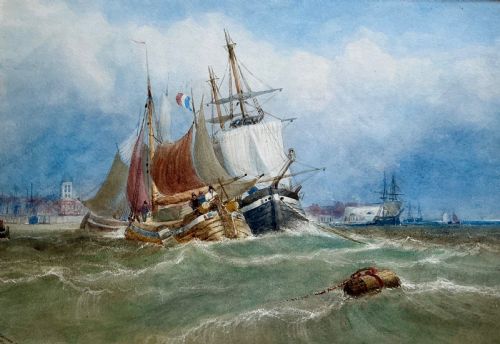
Traditional coastal landscape works capture maritime views, harbours, and shores, often featuring fishing boats and coastal figures. These pieces range from Victorian works to mid-twentieth-century examples.
You will frequently encounter watercolours and oil paintings on canvas or panel, capturing specific locations from St Ives and Whitby to foreign ports. The subjects merge inland scenery with open water, recording local maritime life.
The category spans nineteenth-century British realism and impressionism through to later twentieth-century interpretations, presented in frames that often match the period of the art.
How They Were Made
Artists utilised oil paint on canvas or board to build rich textures of sea and sky, alongside watercolour applied to paper for lighter atmospheric effects. These media were housed in gilt wood frames that protected the edges and complemented the composition.
Painters recorded topographical details on location or within studios, layering pigments to capture changing light over water and cliffs. Paper supports for watercolours required careful mounting beneath glass to preserve the delicate pigments.
Several artists clearly battled sea spray to finish their watercolours on windy Yorkshire piers.
What Varies in Quality
The strength of the composition and the artist's ability to render light and movement across water distinguish the pieces. Confident brushwork and accurate topographical detail elevate a work above standard topographical illustration.
The handling of maritime atmosphere, from choppy seas to serene coastal sunsets, determines the artistic merit. Original framing and clear provenance from known Victorian or Edwardian painters also influence the standing of a piece.
William Banks Fortescue·Thomas Creswick·Alfred G. Morgan·Henry Barlow Carter·Thomas Bush Hardy
The Traditional Coastal Landscape Glossary
- Seascape
- A work of art depicting the sea, coastlines, and maritime activity. These subjects were particularly popular during the nineteenth century.
- Watercolour
- A painting method where water-soluble pigments are suspended in a water-based solution on paper. It allows for translucent washes of colour.
- Oil on canvas
- Pigment mixed with drying oil applied to stretched woven fabric. This medium dominated fine art production across the Victorian and Edwardian periods.
- Gilt wood
- Timber frames finished with a thin layer of gold leaf or metallic gilt paint. They provided traditional ornamentation for framed paintings.
Traditional Coastal Landscape: Frequently Asked Questions
What is the difference between oil and watercolour?
Oil paintings utilise slow-drying paint on canvas or board, allowing for thick textures and deep colour blending. Watercolours use translucent pigments on paper, creating bright, luminous atmospheric effects.
Oils are typically displayed without glass, whereas watercolours require glass protection to prevent moisture damage to the paper support.
Where should I hang a coastal landscape?
These paintings suit rooms with stable humidity levels, away from direct sunlight that could fade watercolours or discolour oil varnishes. Pairing the piece with traditional wall art or period furniture enhances the display.
Ensure the weight of the framed oil painting is supported by appropriate fixings suited to your wall type.
Are these works signed by the artist?
Many pieces feature artist signatures, monograms, or contemporary inscriptions on the front or reverse detailing the depicted harbour or coastline. Unsigned works frequently emerge from recognised schools or periods.
Attributions are made by comparing style, technique, and subject matter with documented works by known painters from the era.