
Traditional Club Chair
A traditional club chair brings deep-seated comfort and enduring leather or fabric character to a room, built to last generations.
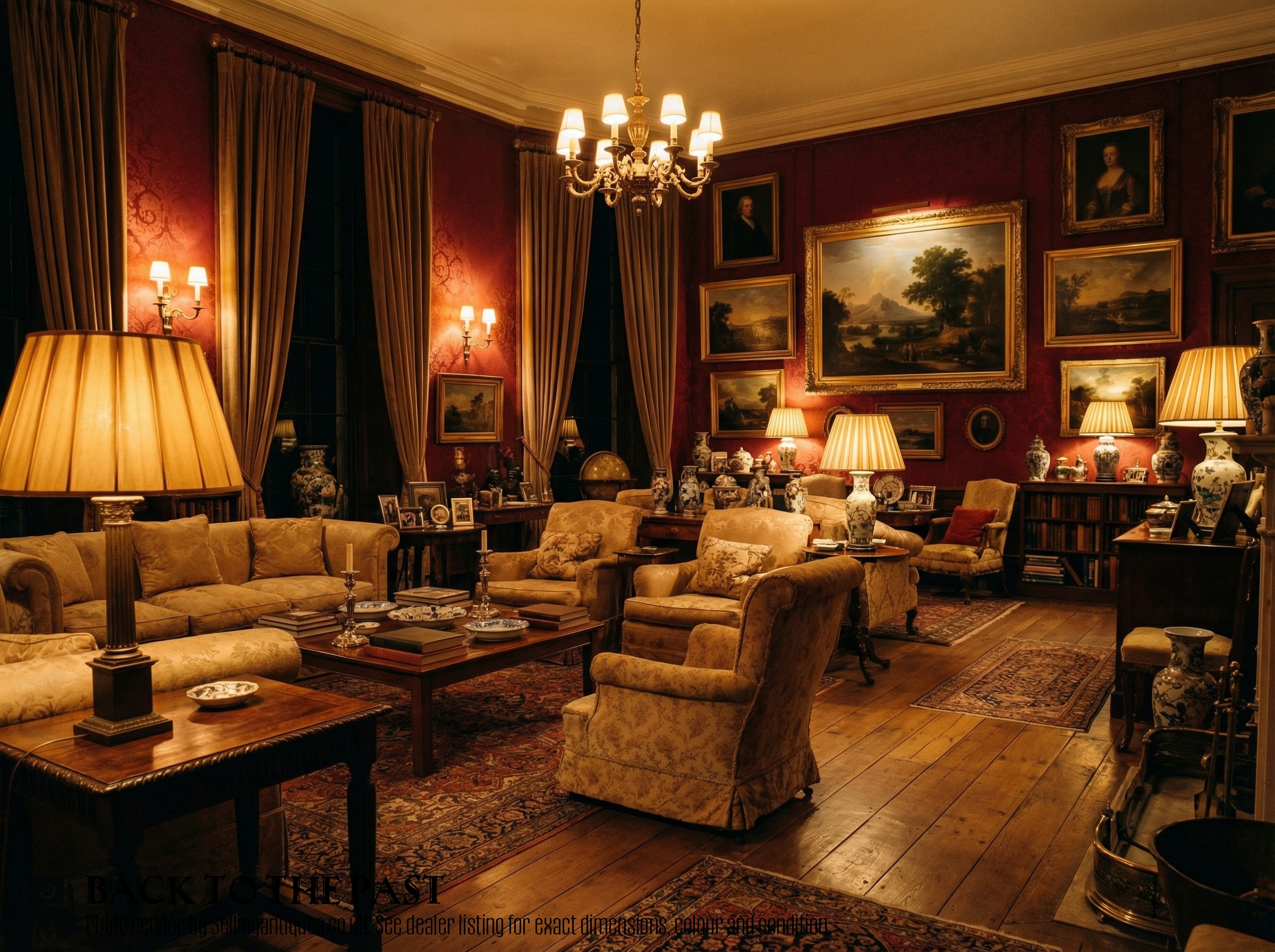
Traditional Club Chair
A traditional club chair represents deep-seated, upholstered comfort originating largely from the nineteenth and early twentieth centuries. These pieces encompass Victorian, Edwardian, and later iterations designed primarily as low, roomy armchairs for libraries, drawing rooms, and studies.
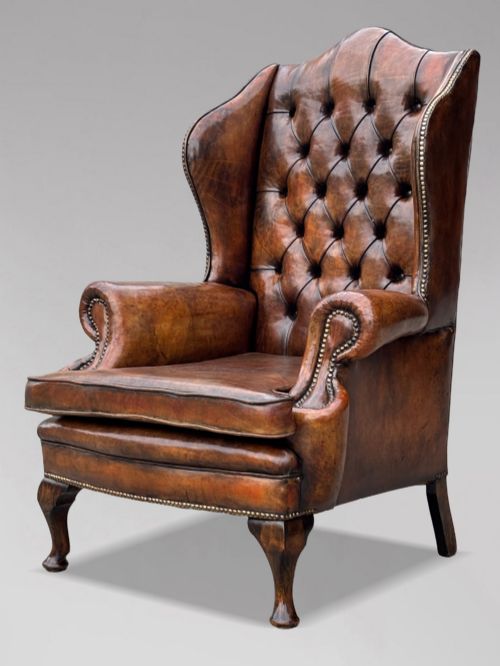
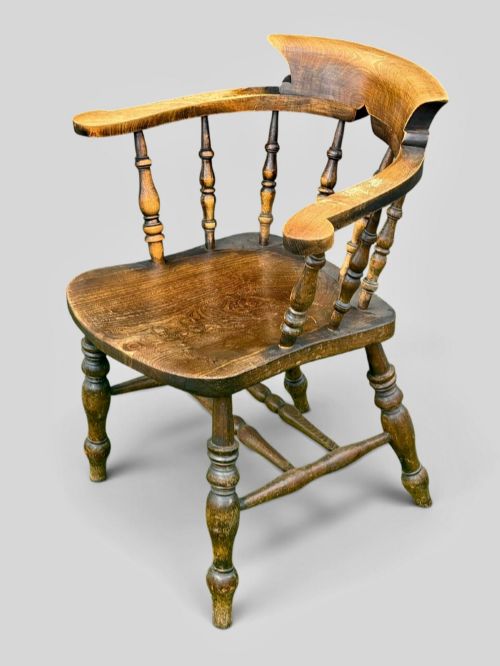
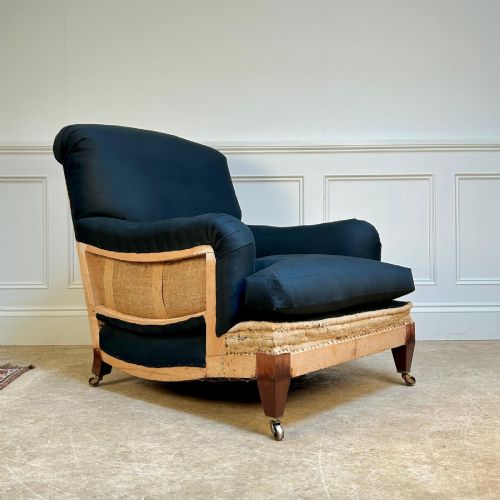
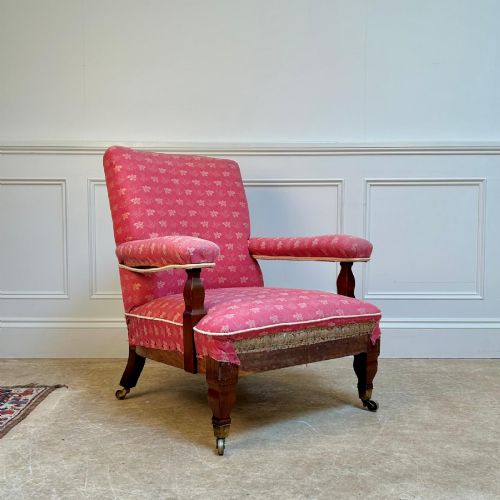
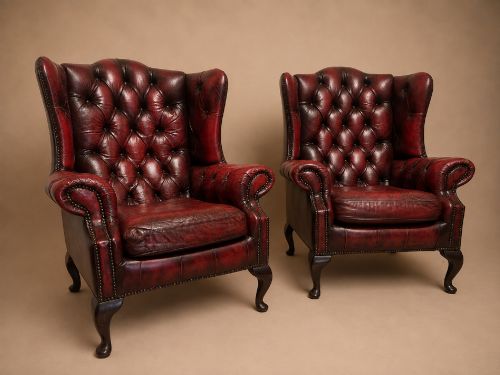
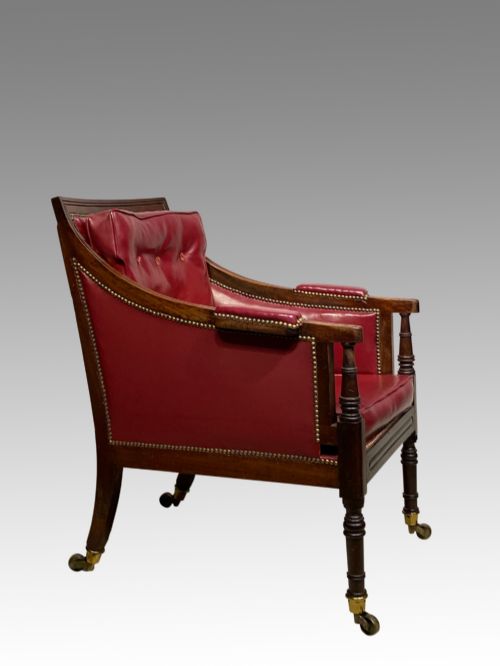
The selections span distinct styles, ranging from robust Chesterfield wing chairs and tailored Bridgewater frames to distinct Howard and Sons designs. Buyers frequently encounter variations in leather upholstery, buttoning, and exposed wooden frames constructed from mahogany, walnut, oak, beech, and elm.
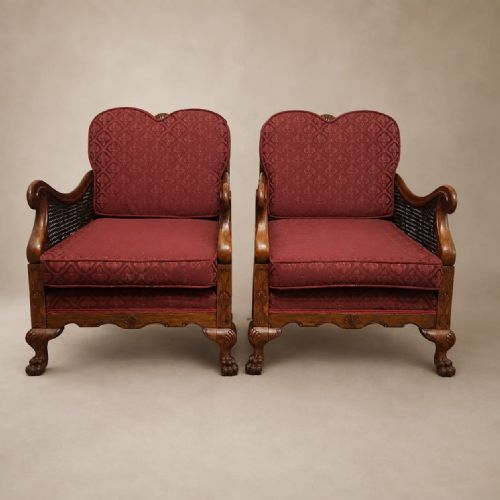
Origins stretch across English country house aesthetics and French revival pieces, occasionally featuring split cane bergere panels or open arms. These seating forms prioritize substantial padding and relaxed proportions over rigid formality.
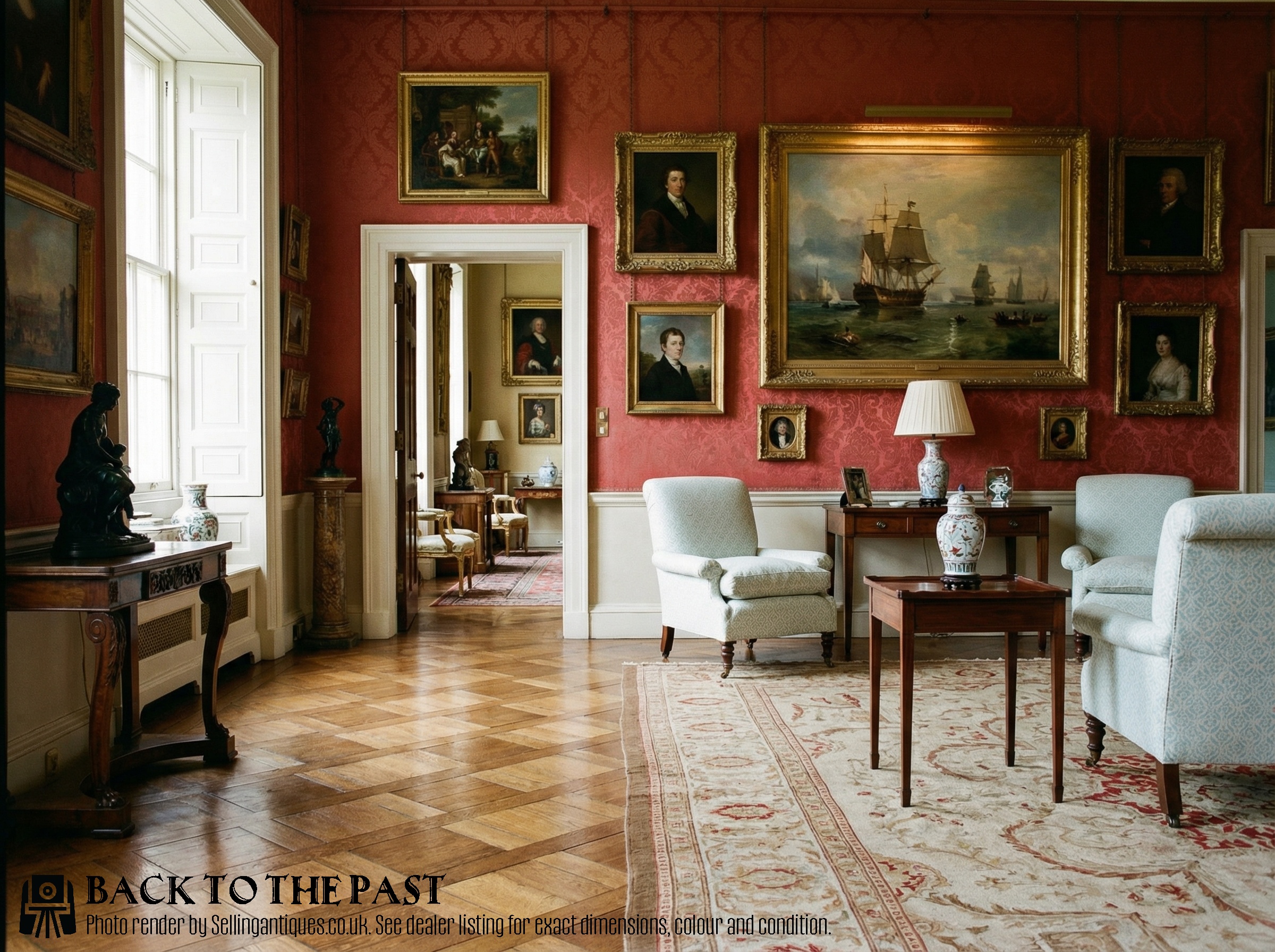
Materials and construction methods
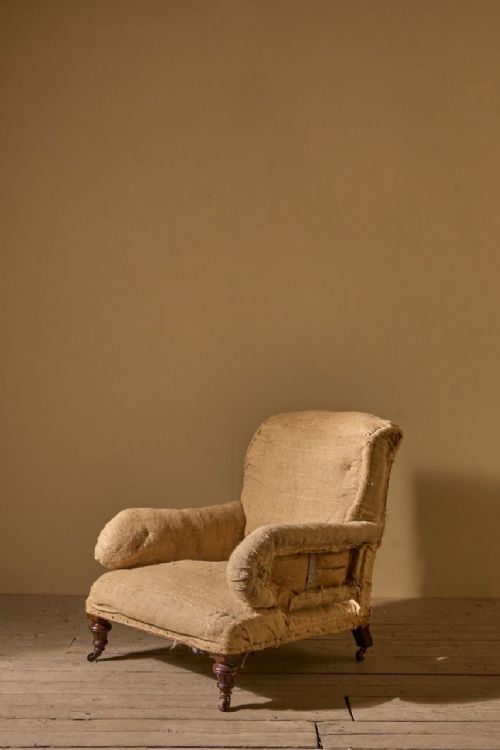
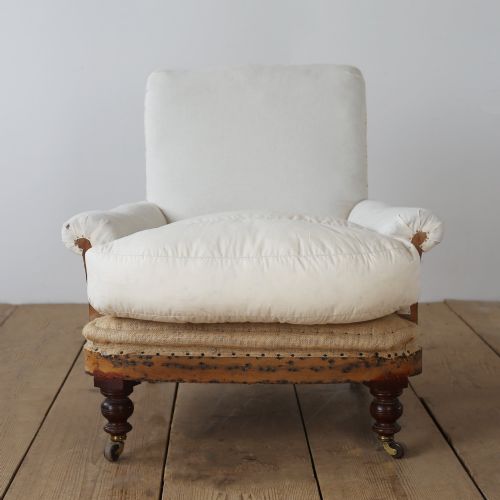
Frames rely on sturdy timbers such as mahogany, walnut, oak, beech, and elm, providing structural integrity for heavy use. Upholstery layers typically involve traditional foundations like hessian, calico, and supportive webbing beneath outer coverings.
Outer surfaces combine rich leather with woven fabrics, velvet, and wool plaids, complemented by brass detailing where appropriate. Construction techniques emphasise robust joinery and deep upholstery stuffing to achieve the characteristic low, cushioned silhouette.
Traditional Club Chair Retail Price Guide 2026
Typical asking prices for traditional club chair among the pieces listed under this phrase on Sellingantiques today, from the lower quarter to the upper quarter. They describe what is for sale here now, not the wider market.
Listings feature periods spanning the Victorian and Edwardian eras alongside 1920 and 1930 traditional designs.
Judging quality in traditional club chairs
Quality rests upon the structural integrity of the underlying timber frame and the resilience of the traditional upholstery stuffing. Finer examples maintain firm spring support and balanced proportions that retain their intended comfort over decades of use.
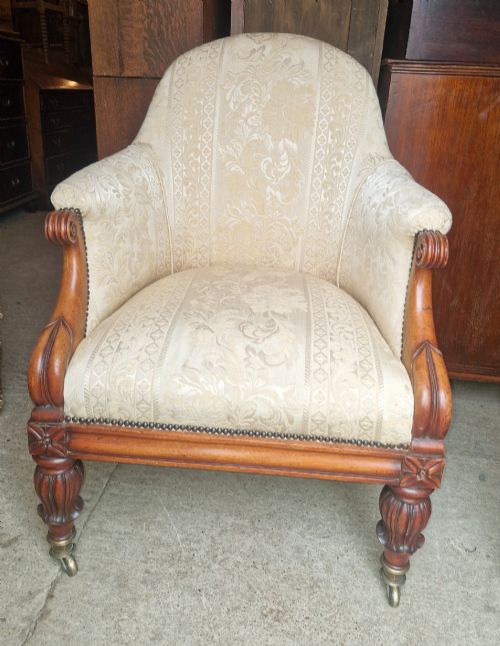
The choice of covering material and the precision of stitching or buttoning further separate standard pieces from superior workshops. Patina on leather and the finesse of turned wooden legs or brass castors indicate the level of craftsmanship invested in the piece.
Howard and Sons·Whytock and Reid·George Jack For Morris and Co·SF Cullen
The Traditional Club Chair Glossary
- Wingback
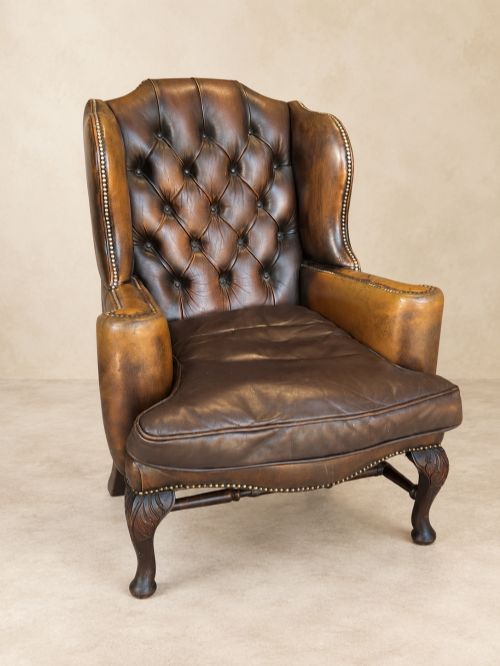
- An armchair featuring protective side panels designed to shield the sitter from draughts. These upholstered wings extend upward from the arms to frame the back.
- Bergere
- A classically styled French armchair featuring an enclosed wooden frame with cane or wickerwork sides and back panels. It frequently incorporates a loose seat cushion for added comfort.
- Chesterfield
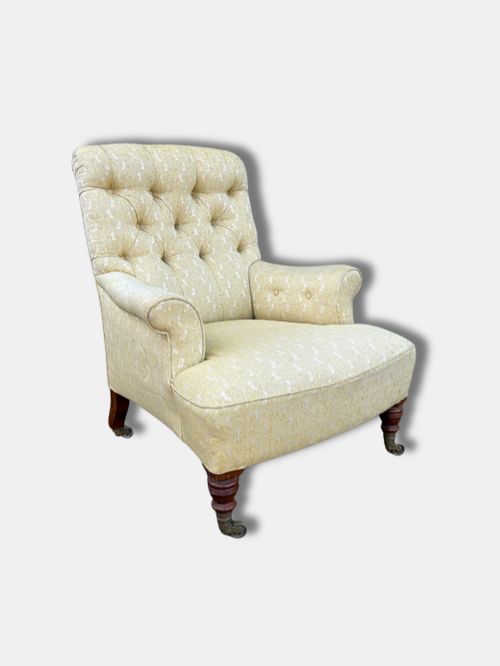
- A traditional upholstered seating style characterised by deep button tufting and rolled arms that sit at the same height as the back. This form is traditionally executed in leather.
- Bridgewater
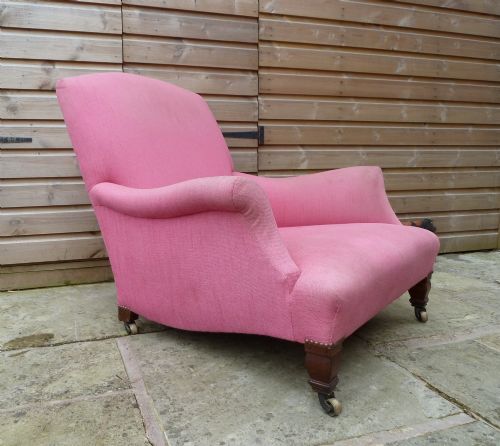
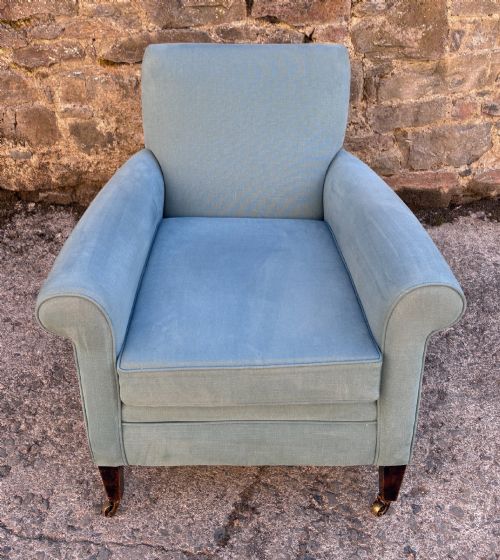
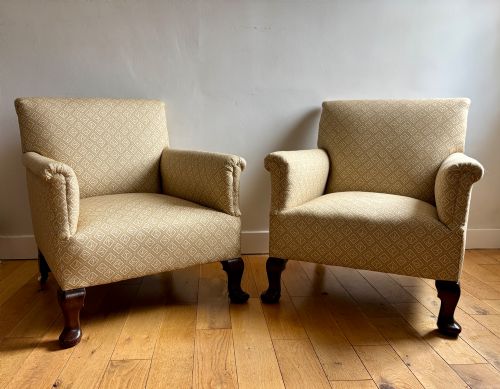
- A relaxed armchair design defined by low-set arms, a tailored skirt or exposed legs, and a deep, accommodating seat. This style prioritises informal comfort.
- Hessian
- A coarse woven fabric utilised historically as a foundational layer beneath outer upholstery to hold stuffing securely in place. It forms part of the hidden internal structure.
Traditional Club Chair: Frequently Asked Questions
What defines a traditional club chair?
A traditional club chair is a low, deep-seated armchair designed for relaxation, typically upholstered in leather or heavy fabric. These pieces emerged strongly during the nineteenth and early twentieth centuries.
They emphasise generous proportions and sturdy wooden frames, often associated with English country houses and libraries. The category includes wingbacks, Bridgewater styles, and notable maker designs.
How do I identify an Edwardian club chair?
Edwardian examples often feature lighter proportions, sometimes utilising walnut or mahogany frames with refined turned legs. They may incorporate split cane panels or elegant upholstery.
Compared to heavier Victorian pieces, these chairs frequently lean towards refined aesthetics while maintaining deep, comfortable seating arrangements.
Where were leather club chairs used?
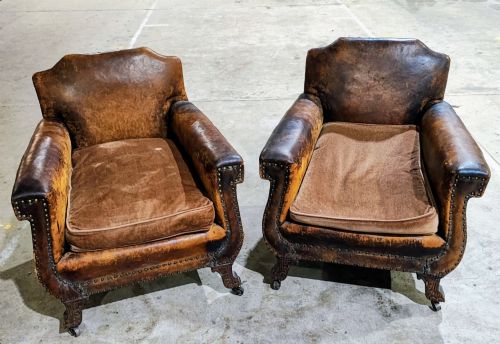
Leather club chairs historically found places in gentlemen's clubs, libraries, and studies where durable seating was required. Their robust hides withstood heavy daily use.
Over time, these comfortable armchairs transitioned into domestic drawing rooms and living spaces as versatile lounging furniture.
How should I care for antique leather upholstery?
Antique leather requires gentle maintenance to preserve its natural flexibility and prevent the surface from drying out. Avoid placing the chair near direct heat sources or strong sunlight.
Regular dusting and appropriate leather treatments help maintain the historic patina without altering the original character of the hide.