


Traditional Chinoiserie Furniture
Traditional chinoiserie furniture brings together striking lacquer, hardwood, and intricate Oriental decoration for interiors that demand character.
Traditional Chinoiserie Furniture
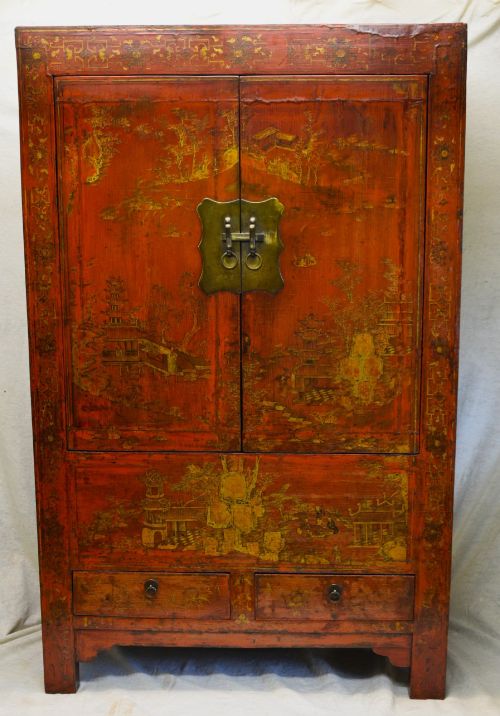
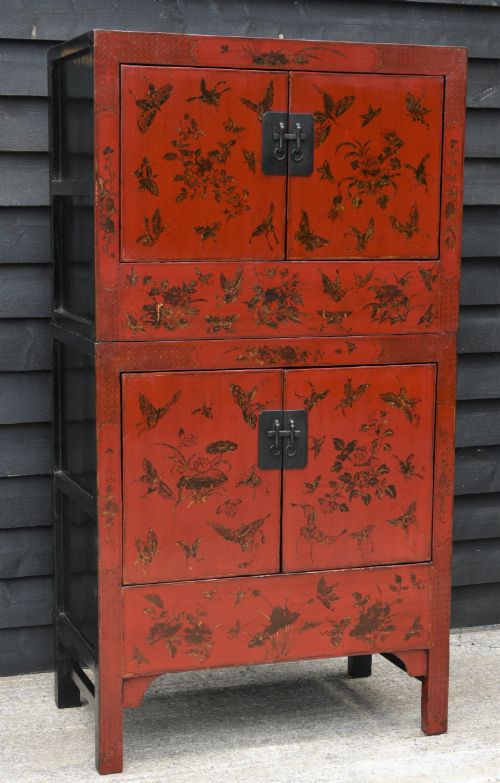
Traditional chinoiserie furniture encompasses decorative seating, cabinets, and beds inspired by Chinese motifs and executed with European or Asian craftsmanship. When you explore traditional chinoiserie furniture, you encounter distinct pieces ranging from red and black lacquer wedding cabinets to canework chairs and japanned settees.
The selections span the nineteenth century, the Edwardian era, and the nineteen-thirties, reflecting both Chinese Qing Dynasty pieces and later revival styles. Cabinets, corner cupboards, and armchairs dominate the forms, offering functional storage and seating with elaborate painted or carved ornamentation.
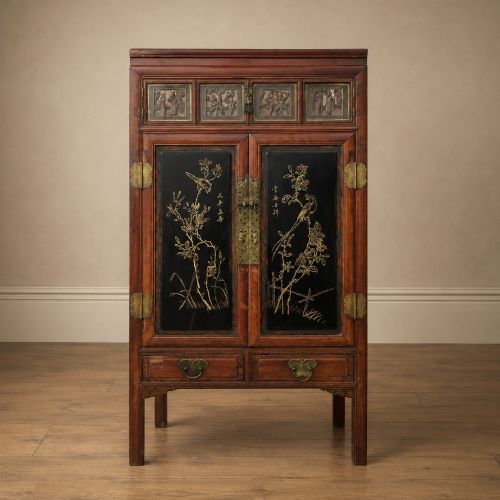
Buyers seeking traditional chinoiserie furniture gravitate towards pieces that display birds, flowers, and Oriental scenes in striking colour palettes. The variety includes sturdy hardwood frames, bamboo structures, and elaborate lacquer finishes enriched with brass and gilt highlights.
How traditional chinoiserie furniture was made
Makers utilised wood, hardwood, and bamboo as the structural base for these cabinets, chairs, and beds, ensuring durability alongside intricate visual appeal. Lacquered wood and applied lacquer finishes provided the smooth canvases necessary for detailed painting.
Craftspeople incorporated canework for seating panels and added brass fittings or gilt highlights to enhance the visual depth of the woodwork. Artisans painted birds, flowers, and traditional scenes directly onto the prepared surfaces, creating the characteristic aesthetic of the style.
The listings feature pieces spanning the nineteenth century, the Edwardian era, and the nineteen-thirties, constructed from lacquer, hardwood, cane, and bamboo.
What varies in quality
The execution of the lacquer and painted decoration distinguishes one piece from another, with finer examples showing greater depth and precision in the depiction of birds and flowers. The clarity of the carving on wooden and bamboo elements also marks the distinction between standard production and exceptional work.
Structural integrity depends on the original timber used, with dense hardwoods and well-preserved canework holding up more robustly than lighter or more fragile assemblies. The harmony between the form of the cabinet or chair and its decorative scheme dictates the overall visual success of the piece.
The Traditional Chinoiserie Furniture Glossary
- Lacquer
- A durable resin or varnish applied to wooden surfaces in multiple coats to create a smooth, glossy finish that accepts painted decoration. It protects the underlying timber while providing a rich background for Oriental motifs.
- Japanned
- European-made lacquerware produced in imitation of Asian imports, typically featuring raised metallic designs on a dark background. This technique was widely utilised during revival periods.
- Canework
- Woven cane or rattan material used for the seats and backs of chairs, offering a flexible and lightweight support. It appears frequently on nineteenth-century Oriental and revival seating.
- Qing Dynasty
- The final imperial dynasty of China, spanning from sixteen-forty-four to nineteen-home-and-twelve, known for producing distinctive red and black lacquer cabinets.
- Gilt
- A thin layer of gold leaf or gold paint applied to surfaces to highlight carved details or decorative borders. It adds luminous contrast against red and black lacquer backgrounds.
Traditional Chinoiserie Furniture: Frequently Asked Questions
What is traditional chinoiserie furniture?
Traditional chinoiserie furniture consists of decorative cabinets, seating, and beds that incorporate Chinese motifs and lacquer techniques into domestic furnishings. These pieces range from authentic Qing Dynasty imports to Edwardian and nineteen-thirties revival interpretations.
Buyers find these items appealing for their rich visual narratives, featuring painted birds, flowers, and Oriental scenes on wood, hardwood, and bamboo structures.
How do I date a chinoiserie cabinet?
Dating a cabinet involves examining the timber species, the construction methods of the carcass, and the specific style of the lacquer decoration. Nineteenth-century examples often display deep red or black lacquer with traditional regional Chinese characteristics.
Revival pieces from the Edwardian period or the nineteen-thirties typically utilise domestic hardwoods and European construction techniques while mimicking older Asian styles.
Where were these pieces used?
Historically, these items served practical storage and seating functions in grand drawing rooms, bedrooms, and reception spaces. Red lacquer wedding cabinets were used in Chinese households for storing garments and valuables.
In Western interiors, settees, hall chairs, and corner cupboards acted as focal points, bringing exotic colour and pattern into traditional rooms.
How do I care for lacquer furniture?
Maintaining lacquer requires keeping pieces away from direct sunlight and maintaining stable indoor humidity to prevent the finish from cracking. Dusting should be done gently with a soft, dry cloth without harsh chemical polishes.
Careful handling ensures that the delicate painted details and gilt highlights remain preserved over time.