




Traditional Chinese Dining Chair
These traditional chinese dining chair options bring structural elegance and timber warmth to a room, offering distinct regional forms that draw the eye.
Traditional Chinese Dining Chair
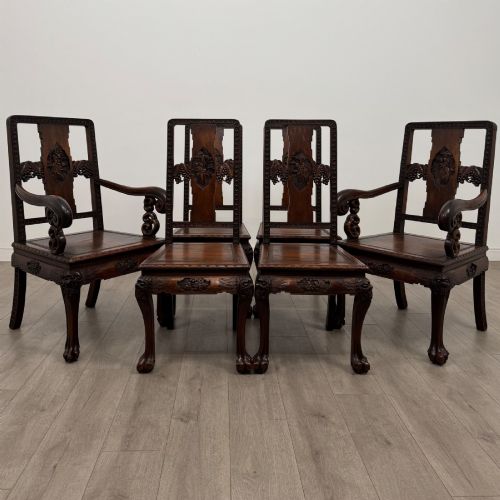
A traditional chinese dining chair selection encompasses seating shaped by historic cabinet-making traditions, appearing in forms such as side chairs, armchairs, hall chairs, and concubine chairs. The items listed span periods from the nineteenth century through the Edwardian era, incorporating styles like the Qing Dynasty, Chinese Ming Style, and Chinese Chippendale.
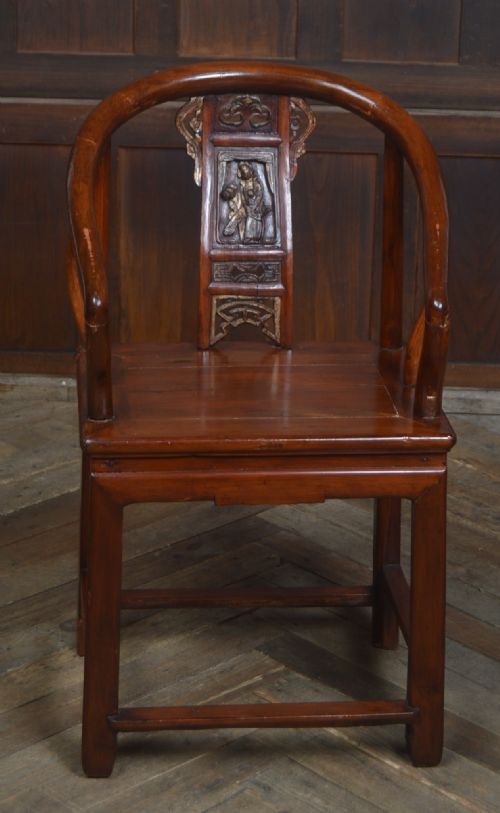
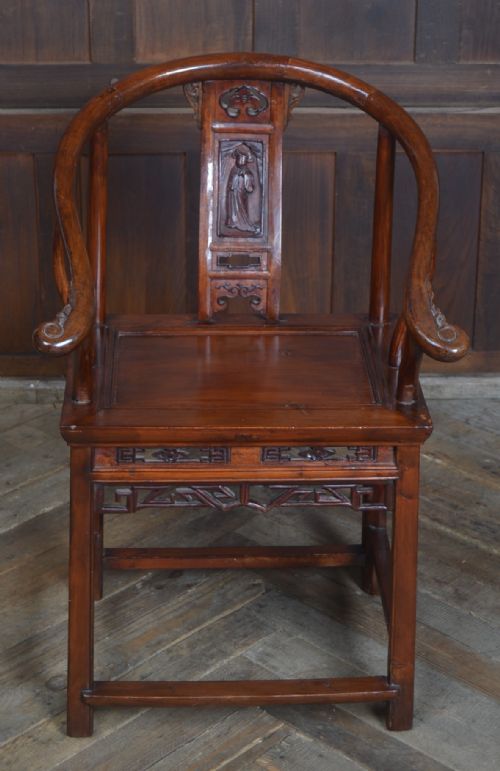
Buyers encountering this search phrase find timber frames constructed for dining and formal reception use, including horseshoe armchairs, yoke-back scholars chairs, and lamp hanger designs. The origins and aesthetic influences bridge traditional Chinese craftsmanship and revival interpretations.
How they were made
Construction relies heavily on timbers such as elm, mahogany, and hardwood, frequently shaped into curved rails and upright splats. Artisans utilised traditional joinery methods to build sturdy frames without relying on modern metal fasteners.
Surfaces receive various finishes, including lacquer, painted wood, and pickled treatments, which protect the underlying grain while adding visual depth. Fabric upholstery appears on specific seating variants to provide cushioned comfort alongside exposed wood structures.
The object forms recorded on this page range from yoke-back scholars chairs and horseshoe armchairs to dining chairs and hall chairs.
What varies in quality
The degree of refinement in carved details and the integrity of the timber frame separate standard examples from finer works. Superior pieces display crisp joinery and balanced proportions that reflect deliberate planning by the maker.
The condition of surface treatments, such as layered lacquer or painted decoration, influences the overall visual impact. Original finishes that retain their intended sheen hold greater aesthetic cohesion than heavily altered surfaces.
The Traditional Chinese Dining Chair Glossary
- Yoke-back chair
- A traditional seating form featuring a creilt rail that resembles a ox yoke, offering ergonomic support for the upper back. This design is frequently associated with scholars and officials in historic households.
- Horseshoe armchair
- A continuous, curved top rail that sweeps downward to form armrests, named for its distinctive rounded silhouette. Such pieces require advanced woodworking skill to join curved timber sections seamlessly.
- Elm
- A durable hardwood native to temperate regions, prized for its interlocking grain pattern and structural resilience. Cabinet-makers utilised this timber extensively for chairs requiring robust frame longevity.
- Lacquer
- A protective and decorative coating derived from tree sap, built up in multiple layers and polished to a smooth finish. This technique creates a hard, lustrous surface that resists moisture and wear.
Traditional Chinese Dining Chair: Frequently Asked Questions
How do I clean a lacquer chair?
Dust the surface regularly with a soft, dry cloth to prevent particulate accumulation on the delicate finish. Avoid chemical polishes and water, which can damage historic lacquer.
Keep the seating away from direct sunlight and extreme humidity changes to protect the timber substrate from warping. Gentle care preserves the historical sheen and structural stability of the piece over time.
Can these chairs be used daily?
Most sturdy elm and hardwood variants are built for everyday use, provided the joinery remains tight and stable. Inspect the leg joints and arm connections periodically to ensure they withstand regular sitting.
Softer painted or lacquered surfaces may require more cautious placement to avoid accidental scratching during daily dining. Pairing them with protective felt pads on chair legs prevents floor friction and frame stress.
How do I identify a horseshoe armchair?
A horseshoe armchair is defined by its continuous, sweeping top rail that forms both the backrest and the armrests in one curved sweep. This sweeping line mimics the rounded shape of a horseshoe.
These pieces often incorporate a central splat for back support, framed by carefully angled posts. The construction demands precise joinery to unite the curved components into a stable seating platform.