




Traditional Cased Desk Clock
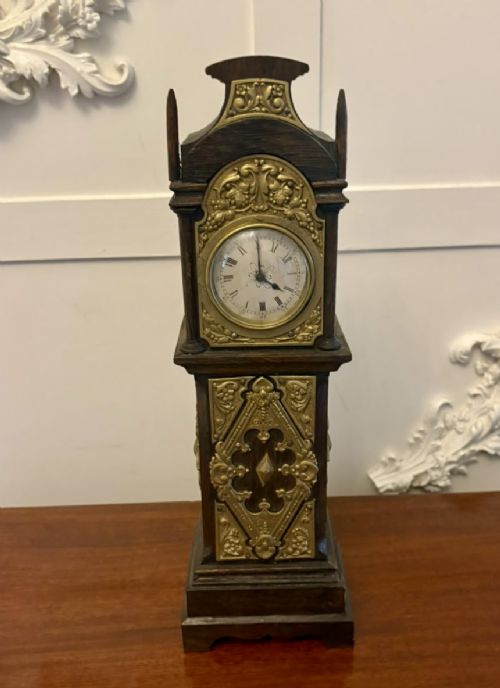
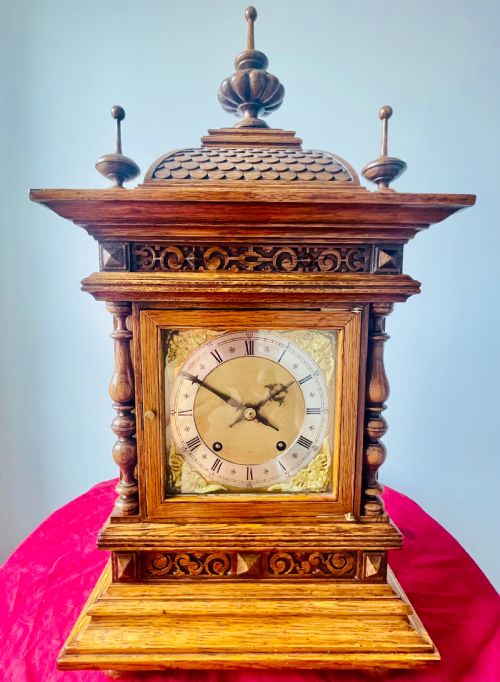
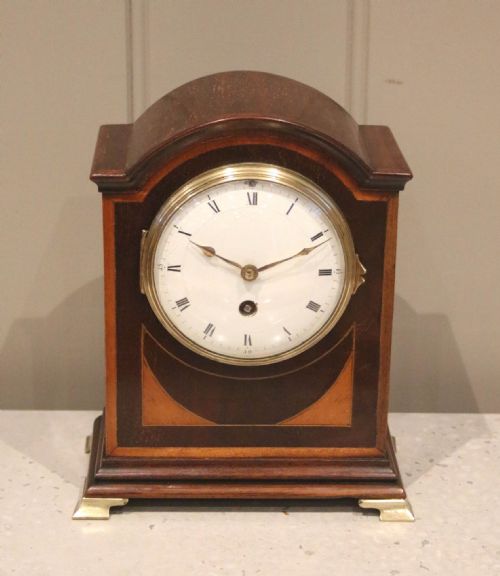
These traditional cased desk clock examples offer reliable timekeeping housed in handsome timber and metal housings that suit any mantel or library.
Traditional Cased Desk Clock
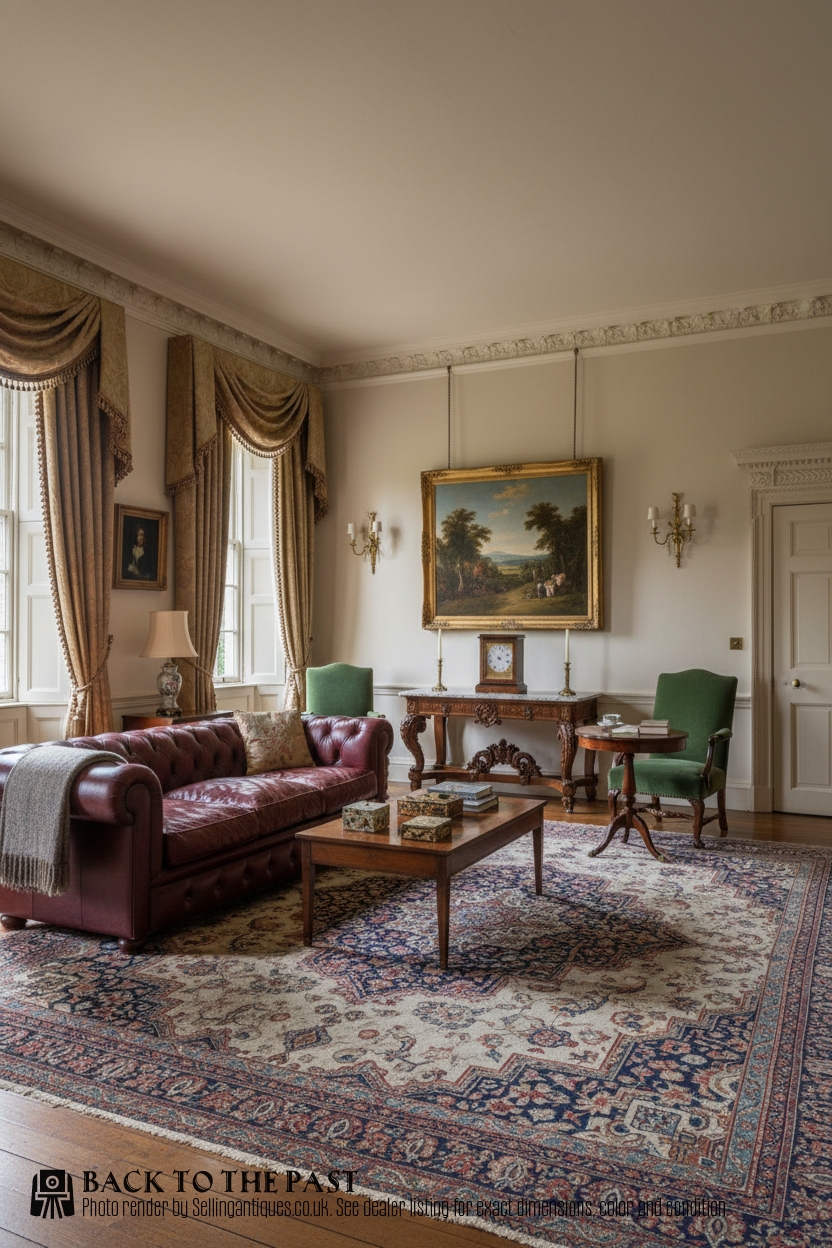
When you search for a traditional cased desk clock, you encounter timepieces designed for domestic desks, libraries and mantelpieces. These objects range from heavy bracket clocks to compact carriage models.
Victorian, Edwardian and nineteenth-century examples dominate the selections here, frequently constructed from walnut, oak or brass. They combine functional utility with distinct period aesthetics.
How they were made
Makers utilised dense hardwoods such as oak, walnut, mahogany and rosewood for the outer housings, often applying intricate inlay or ebonised details. These timbers were selected for durability and finished to highlight natural grain patterns.
Metal components, predominantly brass and bronze, formed both the structural framework and decorative mounts of carriage clocks and bracket clocks. Glass panels allowed views of the mechanical movements inside.
Some carriage clocks were built heavy enough to double as doorstops if the stagecoach journey grew particularly rough.
What varies in quality
The refinement of the mechanical movement separates standard timepieces from finer productions, particularly those featuring quarterly striking or moon phase complications. Superior examples often bear the signatures of known makers.
Cabinetwork quality dictates value, with figured walnut, burr timber and fine satinwood inlay showing superior craftsmanship compared to plain oak or mahogany. The weight and thickness of the brass cases also indicate grade.
Intricacy in cast bronze mounts and the clarity of bevelled glass panels demonstrate the level of attention given during initial construction.
Winterhalder·James Grohe·Walker and Hall·L Epee·Baldwin of Loughborough
The Traditional Cased Desk Clock Glossary
- Carriage clock
- A portable spring-driven timepiece originally designed for travelling, enclosed in a brass and glass case with a handle on top. These clocks often feature a platform escapement.
- Bracket clock
- A larger spring-driven clock designed to sit on a bracket or furniture piece, often featuring a striking mechanism. Victorian examples frequently employ twin fusee movements.
- Fusee
- A conical pulley used in spring-driven clocks to maintain equal power as the mainspring unwinds. This mechanism improves timekeeping accuracy across the power reserve.
- Platform escapement
- A self-contained escapement unit fitted to portable clocks such as carriage clocks, replacing the traditional pendulum. It allows the clock to keep accurate time while being moved.
Traditional Cased Desk Clock: Frequently Asked Questions
Where should I place a desk clock?
Position your clock on a stable, level surface away from direct sunlight, draughts and extreme temperature fluctuations. Wooden mantelpieces and sturdy desk surfaces are traditional locations.
Ensure the clock sits flat so the pendulum or platform escapement maintains an even beat. Uneven placement can cause the movement to stop or lose time.
How do I identify the period of a desk clock?
Examine the materials, case style and dial construction to determine the era of manufacture. Victorian and Edwardian pieces often display distinct revival styles or specific timber treatments.
Signatures on the dial or backplate can also point towards specific makers active during the nineteenth and twentieth centuries. Comparing hinge designs and glass bevels offers further chronological clues.
What maintenance do these clocks need?
Mechanical desk clocks benefit from professional servicing every few years to clean old oil from the pivots and gears. Regular care helps preserve the brass and timber housing.
Keep glass panels clean with a soft cloth and avoid using harsh chemical polishes on antique metal surfaces. Gentle dusting protects both the case and the exposed dial.