


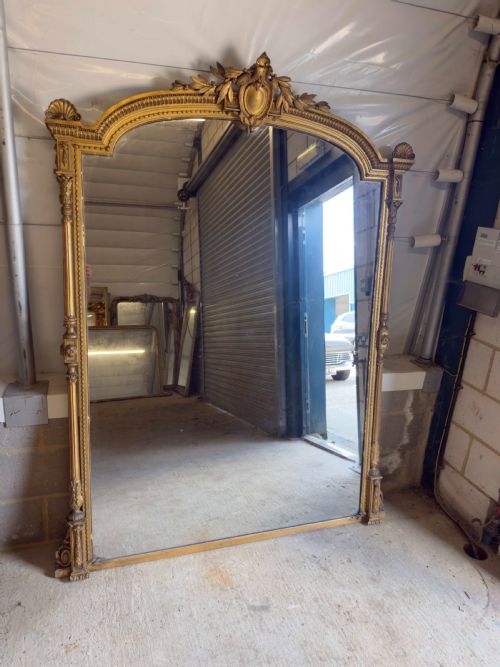

Traditional Carved Wood Mirror
A traditional carved wood mirror brings warmth and architecture to a room, turning a simple wall into a focal point.
Traditional Carved Wood Mirror
A traditional carved wood mirror selection typically spans pieces from the Victorian era back to Georgian and 18th-century forms. You will encounter large overmantle mirrors designed to sit above a fireplace, alongside smaller wall-hung pieces and cheval mirrors.
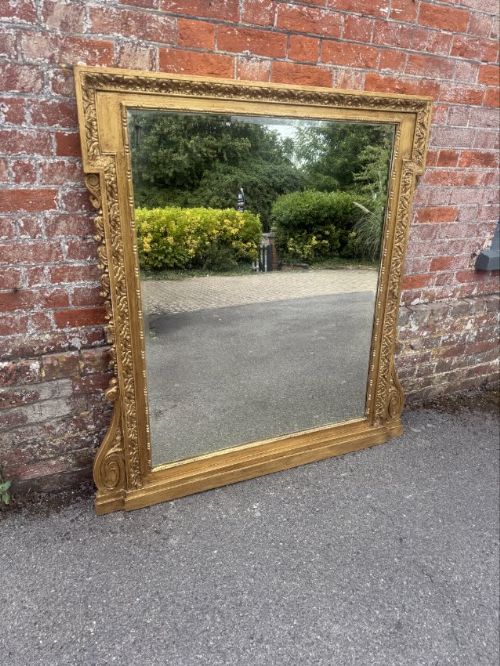
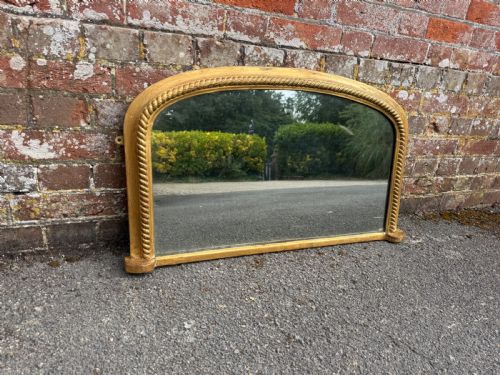
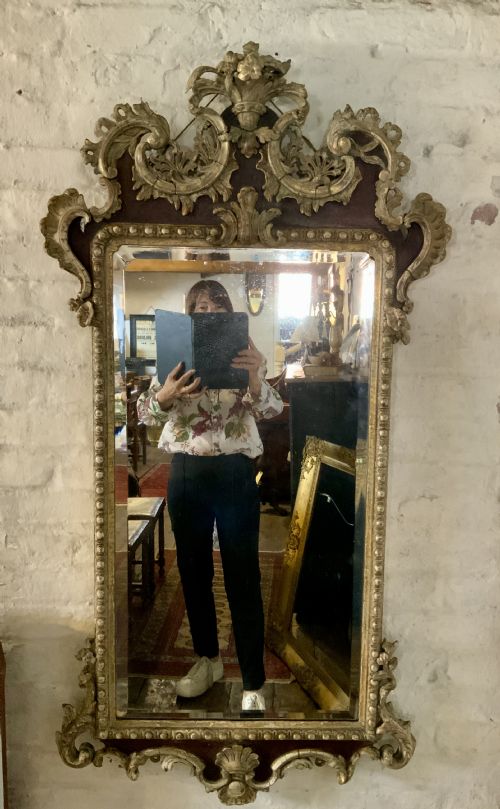
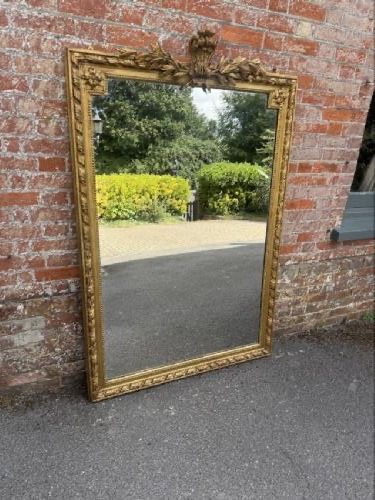
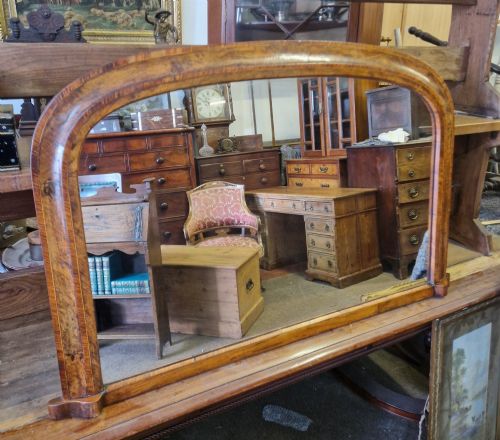
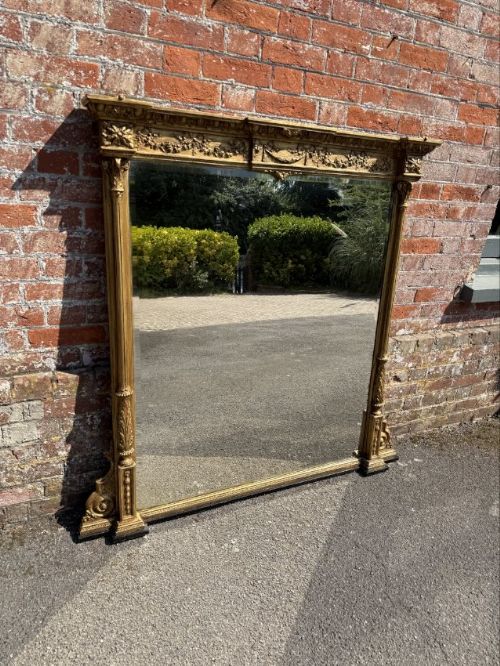
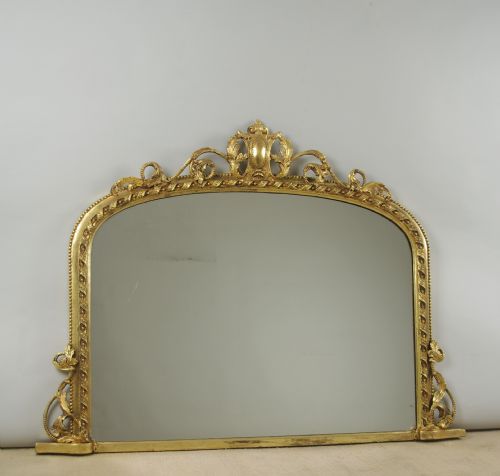
The dominant examples on this page are nineteenth-century overmantle mirrors, often finished with gilt gesso and shaped arches. These heavy pieces were built to command large wall spaces in period drawing rooms.
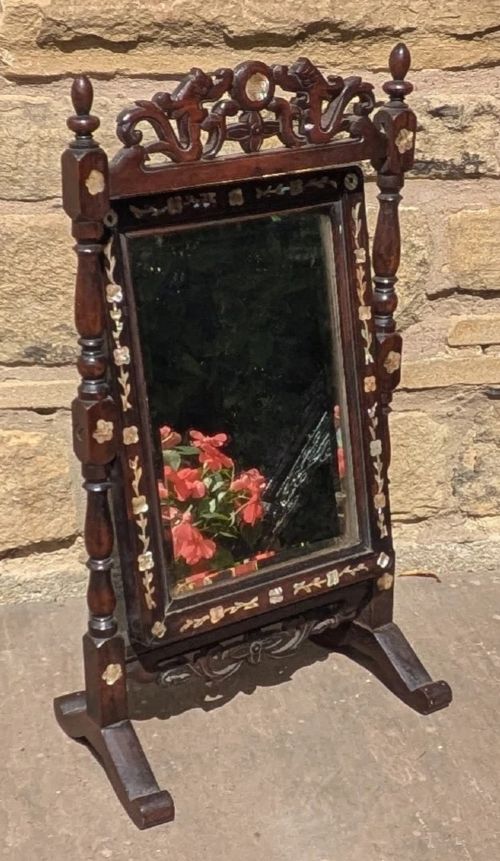
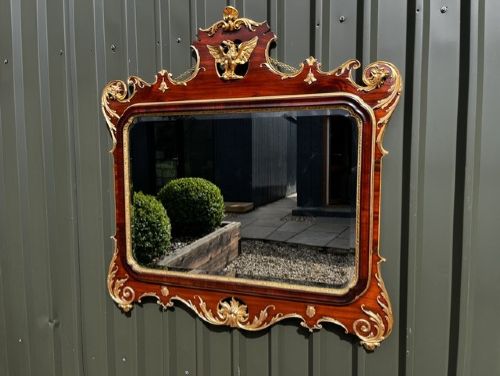
Alongside English Victorian and Georgian styles, you will find French nineteenth-century mirrors, Edwardian inlaid mahogany frames, and occasional pieces featuring chinoiserie or specific regional motifs.
Materials and construction methods
Carved timber frames form the structural backbone of these pieces, utilising woods such as mahogany, walnut, oak, and general hardwood. Artisans shaped these timbers by hand before applying decorative surface treatments.
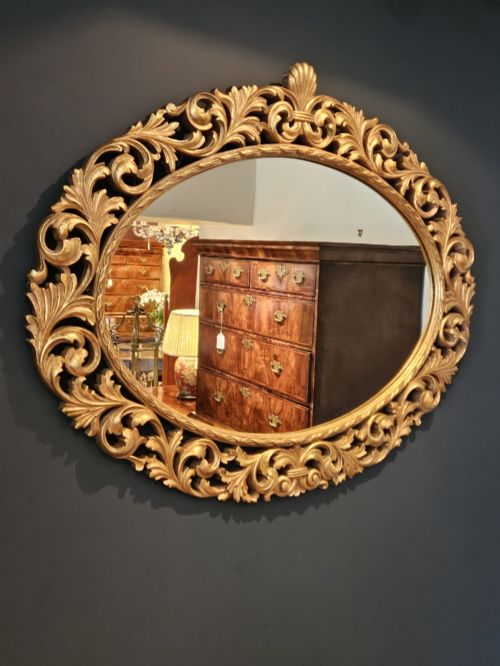
Many frames employ gesso moulded over a wooden base to build up intricate relief details, such as rope twists, columns, and rococo scrolls. This composite layer was then primed for gilding with gold leaf or metallic paint.
Giltwood finishes require careful application of gold leaf to the prepared gesso surface, creating the reflective warmth characteristic of nineteenth-century and earlier salon mirrors.
Hanging among the grand overmantles, occasional convex witch's mirrors lurk to distort your reflection in style.
Judging the execution of carved mirrors
The crispness and depth of the hand-carved relief separate standard joinery from superior artisan work. Fine examples display sharp undercut foliage, crisp fretwork, and well-proportioned architectural mouldings rather than soft, mass-produced cast ornament.
The integrity of the original gesso and gilding determines the visual success of a gilded frame. Higher-grade pieces retain their layered depth and burnished highlights, showing natural ageing without heavy modern overpainting.
The quality of the mirror plate itself matters greatly, whether original silvered glass with soft foxing or a later replacement that alters the overall clarity and reflection of the piece.
The Traditional Carved Wood Mirror Glossary
- Gesso
- A plaster-like mixture applied to wood frames to create a smooth surface for carving or gilding. It allows artisans to shape intricate relief ornamentation before applying gold leaf.
- Giltwood
- Timber that has been coated in gold leaf or gold paint. This finish was widely used on formal mirrors to catch and reflect candlelight in period interiors.
- Overmantle Mirror
- A wide mirror specifically proportioned to hang on the wall directly above a fireplace mantelpiece. They often feature arched or shaped tops designed to complement Victorian and Georgian chimney breasts.
- Cheval Mirror
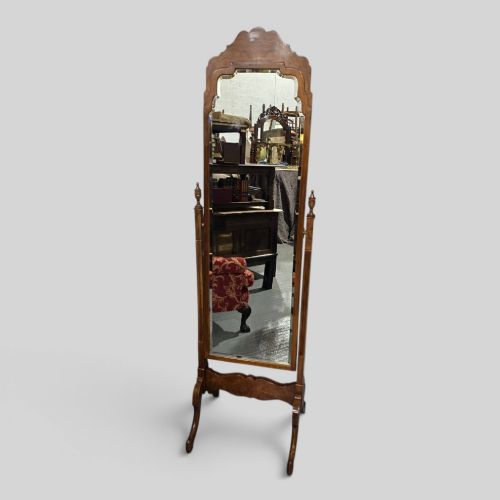
- A freestanding, full-length mirror hung in a frame on pivots so it can be tilted. These tall dressing pieces frequently appear in walnut and mahogany from the Edwardian and later periods.
- Fretwork
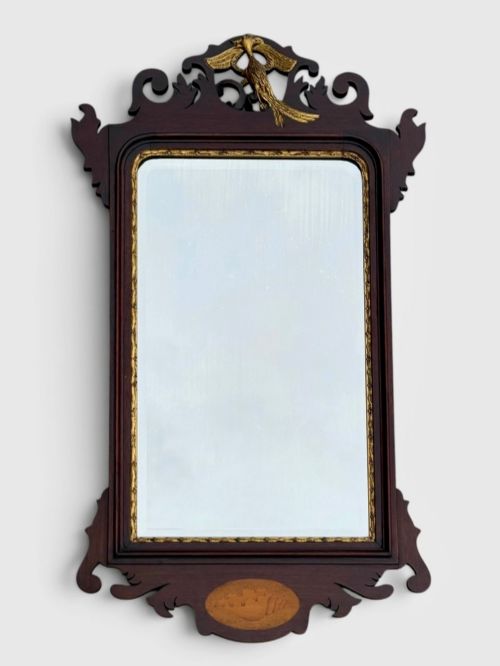
- Ornamental design work produced by cutting patterns through thin wood using a scroll saw or piercing tools. It appears frequently on Georgian revival and Edwardian wall mirrors.
Traditional Carved Wood Mirror: Frequently Asked Questions
How do I hang a heavy overmantle mirror safely?
Large overmantle mirrors require heavy-duty fixings secured directly into wall studs or masonry rather than just plasterboard. Professional mirror hangers use robust split battens or heavy strap hangers rated for the substantial weight of timber and gesso frames.
Ensure the wall brackets align with the hanging points on the back of the wooden frame to keep the piece flush and secure against the wall.
How do I tell a Georgian style mirror from a genuine 18th century piece?
Genuine eighteenth-century mirrors show period-specific timber construction, hand-cut joinery, and often retain early or original mirrored glass plates with characteristic distortion and oxidation. Secondary woods behind the frame match the expected species for the period.
Revival pieces from the Victorian or Edwardian eras imitate the earlier styles, such as Chippendale fretwork, but use machine-sawn elements, later backboards, and more uniform glass.
Where should I place a large wall mirror in a modern room?
A large antique mirror works best opposite a window to maximise natural light and create the illusion of extended space in a room. Positioning it at eye level ensures it reflects the room's interior architecture rather than just the floor or ceiling.
Consider the weight and scale of the piece relative to surrounding furniture to maintain balanced proportions on the wall.