




Traditional Carved Oak Stool
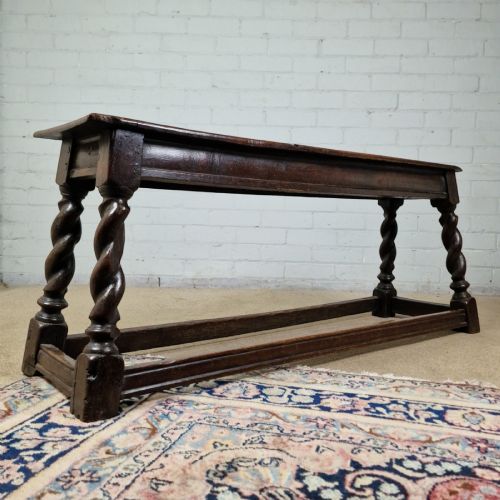
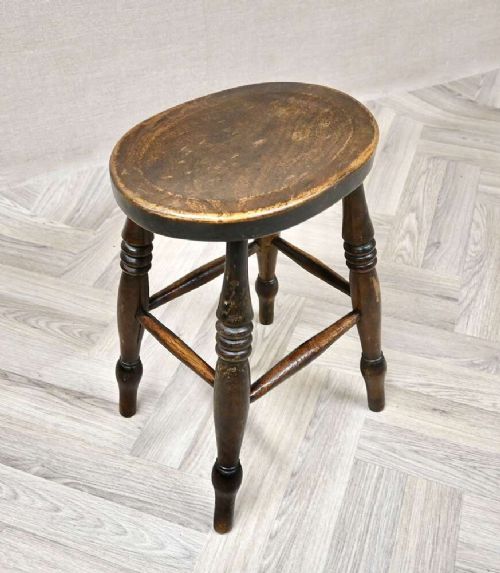
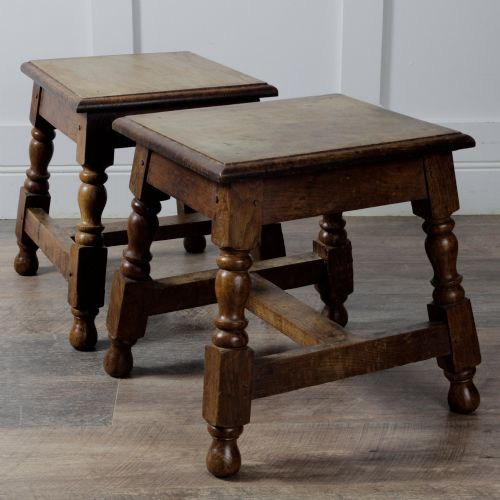
A traditional carved oak stool brings centuries of solid craftsmanship and honest utility directly to your interior.
Traditional Carved Oak Stool
When you search for a traditional carved oak stool, you encounter pieces designed for robust everyday utility across multiple centuries, ranging from early jointed constructions to later revival pieces. The selections span from the seventeenth century through to the mid-twentieth century, capturing enduring rural and domestic forms.
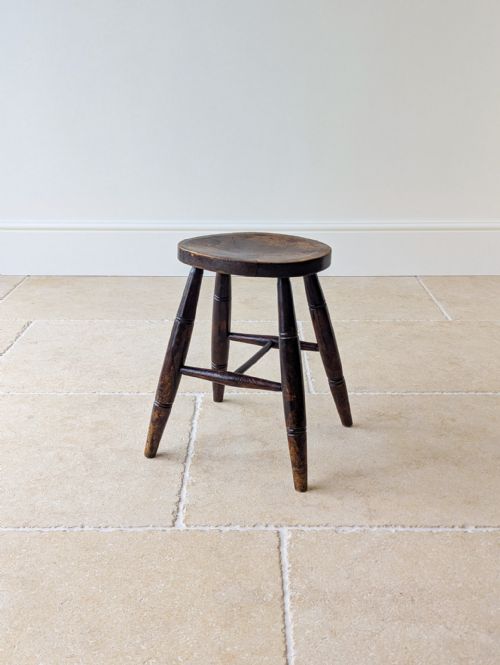
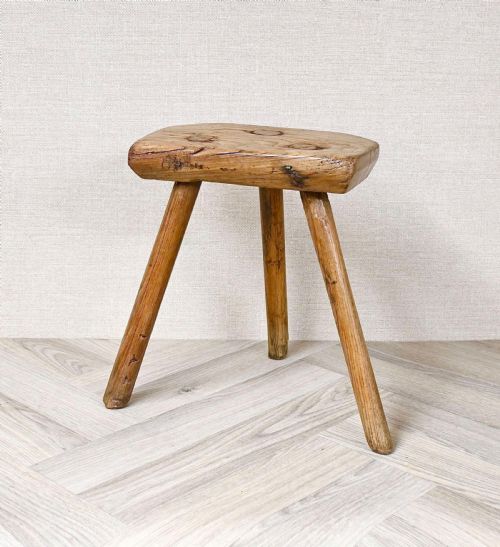
The objects appearing most frequently take the form of joint stools, low country stools, and rustic milking stools, alongside later Arts and Crafts interpretations. These items reflect traditional seating needs in domestic and agricultural settings, constructed predominantly from native timbers.
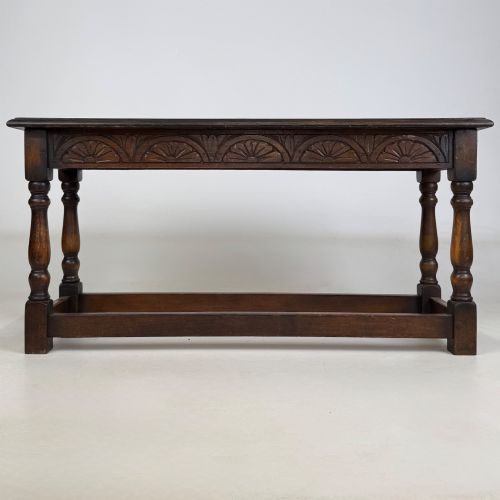
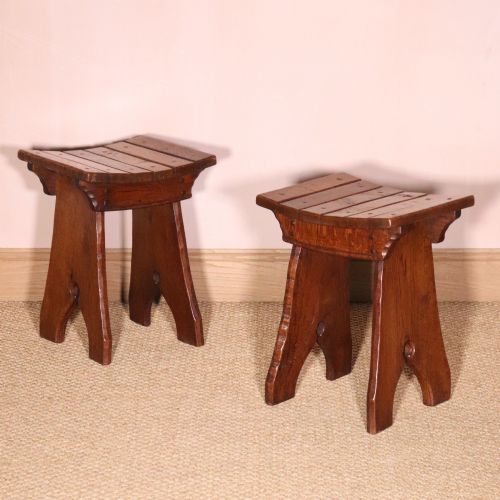
Makers and workshops across different eras reinterpret earlier vernacular designs, producing low seating, long benches, and box stools with carved detail. The chronological spread includes Georgian, Victorian, and Edwardian interpretations alongside explicit seventeenth-century style revivals.
How they were made
Construction relies heavily on solid oak, frequently paired with elm for seats, utilising pegged joinery and mortise and tenon frames to ensure structural rigidity. Secondary materials such as brass, iron, hemp rope, and fabric appear where hinges, stretchers, or upholstery are integrated.
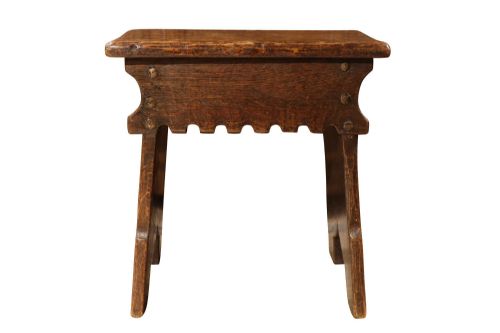
Carpenters shaped these pieces using hand tools, executing pegged construction methods that eliminated the need for modern adhesives. Carving is typically applied directly to the friezes, rails, or solid timber seats using gouges and chisels.
Listings feature periods spanning from the seventeenth century through to the 1950s, utilising solid oak, elm, hardwood, and brass.
What varies in quality
The degree of hand-carving intricacy and the crispness of surviving detail separate standard utility items from more ambitious workshop pieces. Early jointed examples demonstrate tighter joinery tolerances and heavier timber sections compared to later mass-produced variants.
Originality of surface finish and the retention of pegged timber components heavily influence the integrity of each item. Pieces retaining their original structural timber without excessive replacement parts represent the higher tier of surviving examples.
Jack Grimble·David Oakleafman Langstaff
The Traditional Carved Oak Stool Glossary
- Joint stool
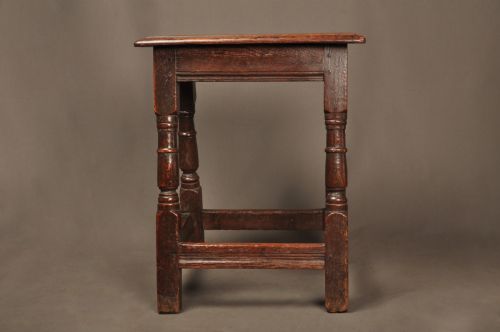
- A sturdy wooden stool constructed with mortise and tenon joints rather than turned legs fitted into a seat. These sturdy pieces often served functional roles at dining tables or as supports during domestic ceremonies.
- Pegged construction
- A method of securing joints using wooden dowels or pegs driven through pre-bored holes in the tenon and mortise. This traditional technique provides durable connection without relying on metal fastenings.
- Box stool
- A low seating form featuring a hinged or removable lid that conceals an internal storage compartment. They combine the dual utility of a seat and a small chest.
- Milking stool
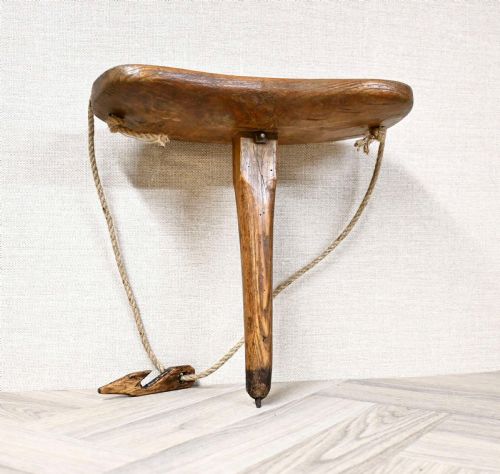
- A simple, low three-legged or one-legged seat designed to remain stable on uneven rural floors while in use. These primitive items emphasise straightforward utilitarian function over decorative carving.
- Jacobean revival
- A nineteenth and early twentieth-century design movement recreating the heavy, carved styles of the early seventeenth century. Makers utilised dark patination and geometric carving motifs to emulate older periods.
Traditional Carved Oak Stool: Frequently Asked Questions
What is a joint stool?
A joint stool is an early form of wooden seating joined by specialised woodworking joints rather than turned legs alone. They were built to withstand heavy daily use in historic households.
Carpenters constructed them with sturdy rails and pegged frames, allowing them to double as stable platforms or small tables when necessary.
How old are these oak stools?
The pieces span several centuries, with examples originating from the seventeenth, eighteenth, and nineteenth centuries, alongside revival pieces from the twentieth century.
Datings reflect the stylistic periods of construction, ranging from authentic early vernacular items to later Arts and Crafts interpretations.
Were milking stools used inside homes?
Milking stools were primarily designed for agricultural work, specifically for milking dairy animals in barns or fields where uneven ground required a stable three-legged base.
Over time, their compact scale and rustic charm led to their adoption as casual fireside or low decorative seating within domestic interiors.