


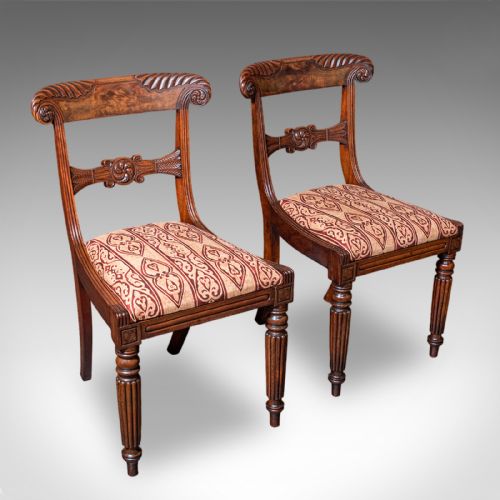
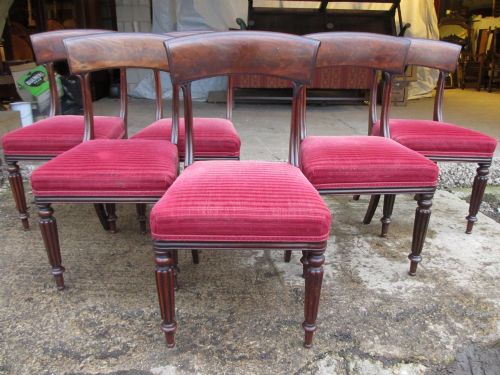
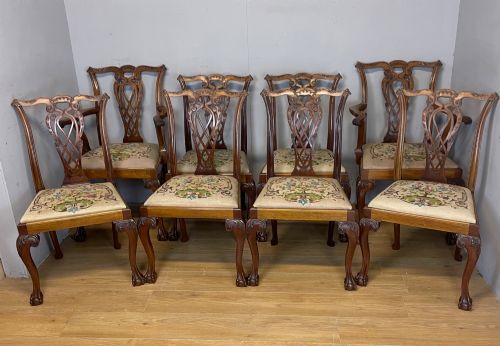
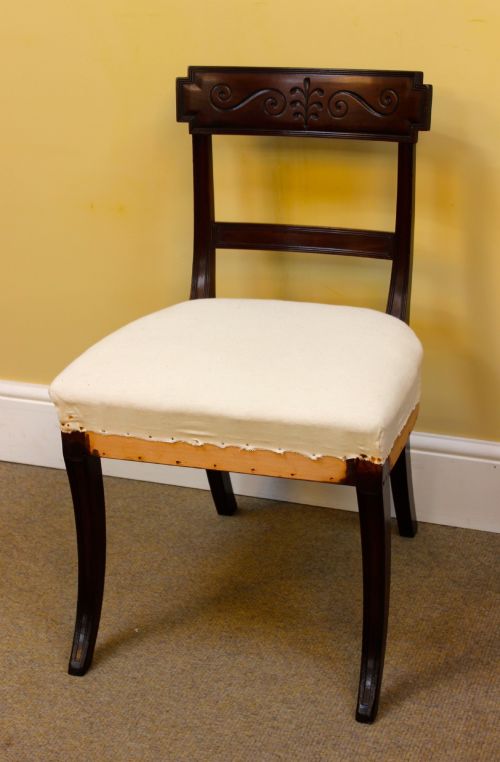
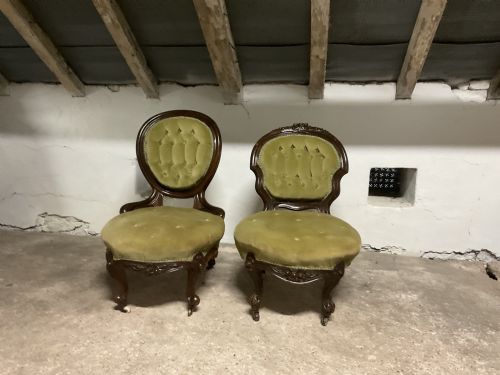
Traditional Carved Mahogany Seat
A traditional carved mahogany seat carries the weight of centuries past, offering solid timber construction and enduring style for daily domestic use.
Traditional Carved Mahogany Seat
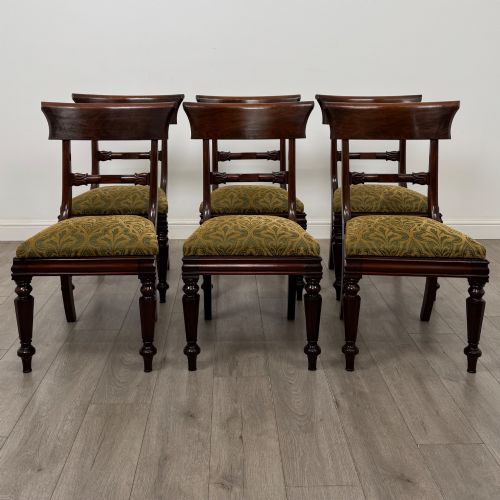
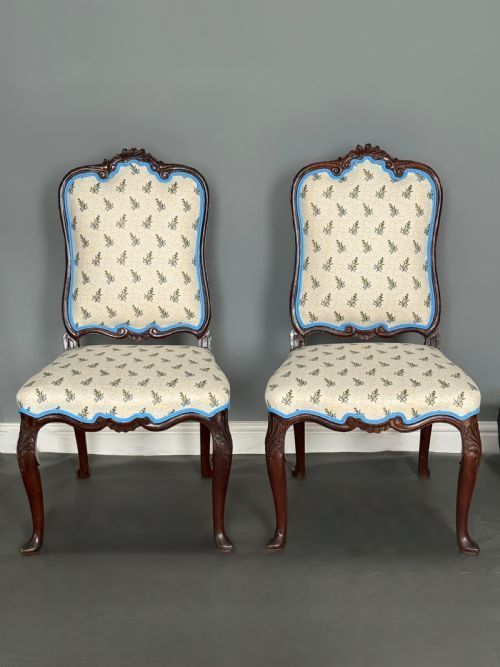
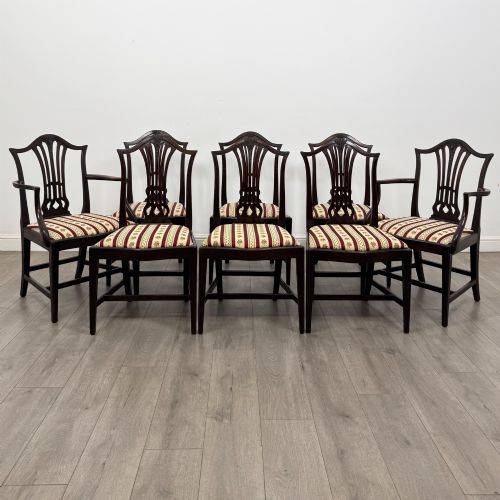
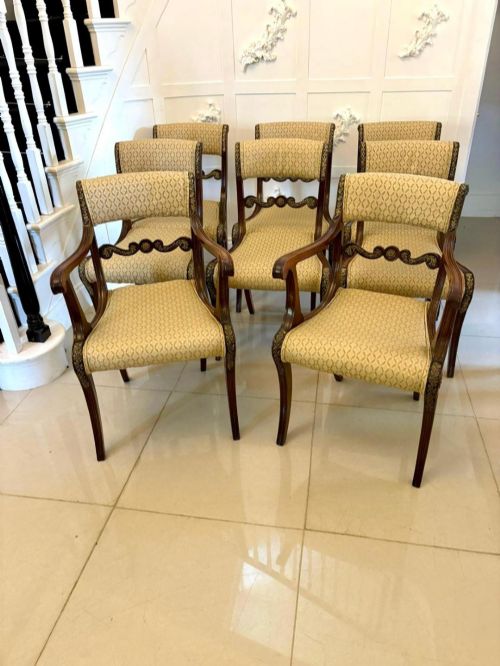
A traditional carved mahogany seat spans multiple historical periods, ranging from 18th-century Georgian designs to Victorian and Edwardian interpretations. Buyers encountering this search phrase often find dining chairs, armchairs, and hall chairs shaped by classical cabinet-making traditions.
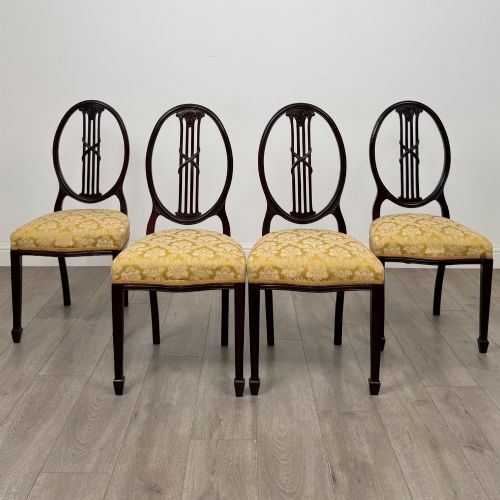
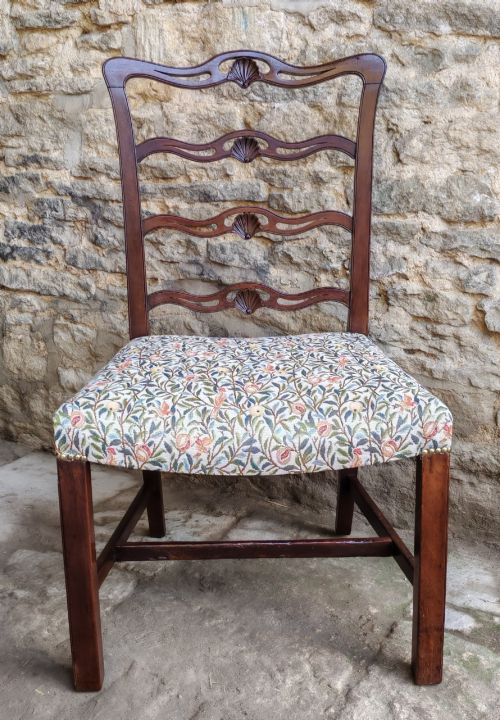
The selection on this page relies heavily on nineteenth-century pieces alongside Georgian origins and later revivals. Forms include shield backs, ladder backs, and balloon backs constructed in sets or pairs for domestic reception rooms.
Makers and workshops utilised dense tropical timber to create functional seating that doubled as decorative focal points. Whether configured as a window bench or a desk chair, each object maintains a distinct structural silhouette rooted in British and European design history.
What varies in quality
Quality depends on the crispness of the hand-carved details and the density of the mahogany selected by the cabinet-maker. Superior examples exhibit deep, clean relief work on the splats and legs, whereas lesser items show softer or shallower ornamentation.
Originality of components defines the upper tier of the market, including untouched leather hides, matching sets of timber, and intact internal frame construction. Replacements or extensive timber repairs alter the structural integrity and historical standing of the seat.
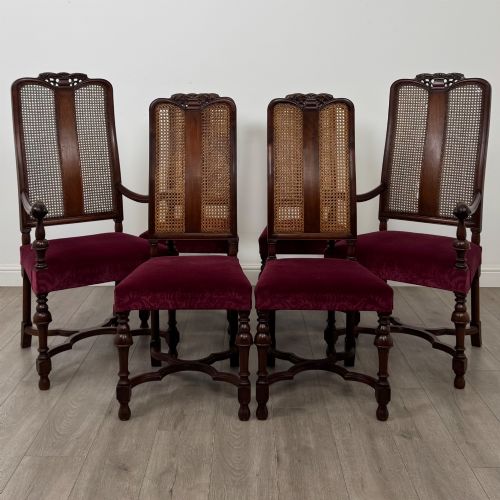
Listings feature mahogany, leather, brass, velvet, and cane across periods spanning the Georgian era to the Edwardian period.
Warings·Maple and Co·Whytock and Reid
The Traditional Carved Mahogany Seat Glossary
- Shield Back
- A chair back shaped like a heraldic shield, popularized during the Georgian period by designers like Hepplewhite. This silhouette frequently incorporates carved wheat ears or central splats.
- Bar Back
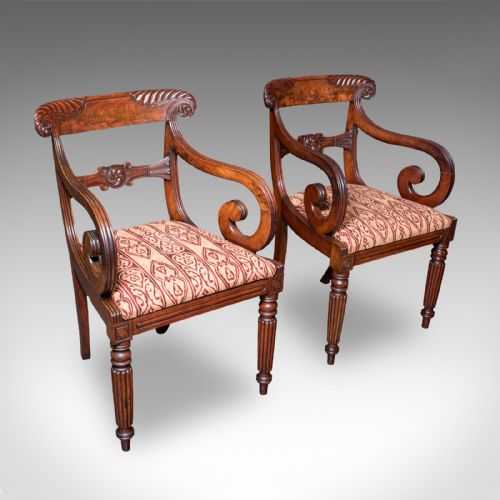
- A horizontal wooden rail carved across the upper portion of a chair back. It often appears in William IV dining chairs.
- Ball and Claw
- A foot motif depicting a bird's talon gripping a spherical ball. This carving style originates in Chinese art and heavily influenced 18th-century European furniture.
- Ladder Back
- A chair back featuring multiple horizontal wooden slats resembling the rungs of a ladder. These slats are typically curved for ergonomic support.
- Cane
- Woven rattan material used to form supportive panels for seats or backs. It provides a lightweight and flexible surface.
Traditional Carved Mahogany Seat: Frequently Asked Questions
How do I date a mahogany chair?
Dating relies on identifying characteristic design motifs, joinery methods, and wood patination specific to eras like the Georgian or Victorian periods.
Examination of the underside and structural joints reveals tool marks and construction practices that separate original period pieces from later revivals.
Are these chairs suitable for daily dining?
Most solid mahogany chairs were built for daily domestic use and retain strong mortise and tenon frames capable of supporting regular weight.
Buyers should verify the stability of the joints and the condition of the upholstery webbing before putting them into service around a dining table.
What is a Chippendale revival chair?
A revival chair is a later piece, often produced in the 19th century, that copies the distinctive carved styles popularized by Thomas Chippendale a century earlier.
These pieces use the same dense mahogany and carved techniques but can be identified through timber analysis and manufacturing standardisation.
How should I care for antique mahogany?
Mahogany benefits from consistent indoor humidity levels and protection from direct sunlight to prevent the timber from drying out or fading.
Applying a traditional beeswax polish occasionally helps nourish the wood grain and maintains the natural lustre of the surface.