

18th Century Reading Chair
An 18th century reading chair provides specific seated comfort for library and study use, spanning library armchairs, wing chairs, and corner desk chairs.
18th Century Reading Chair
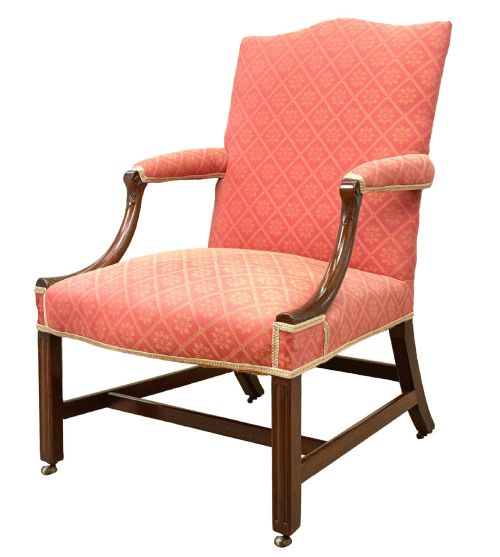
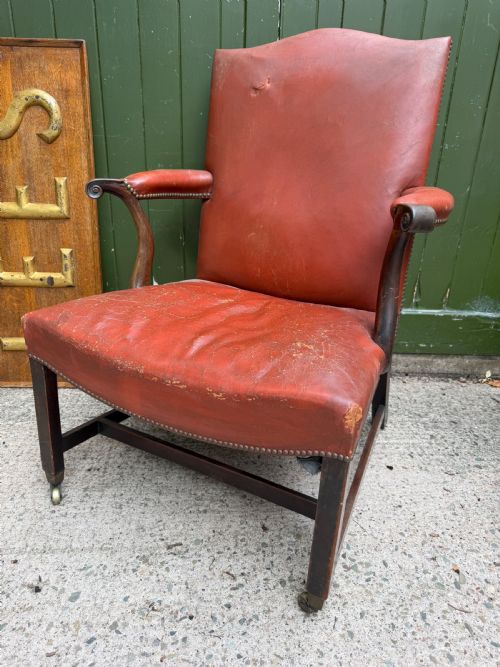
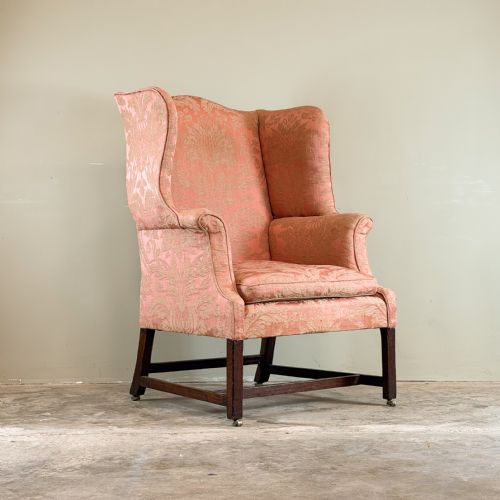
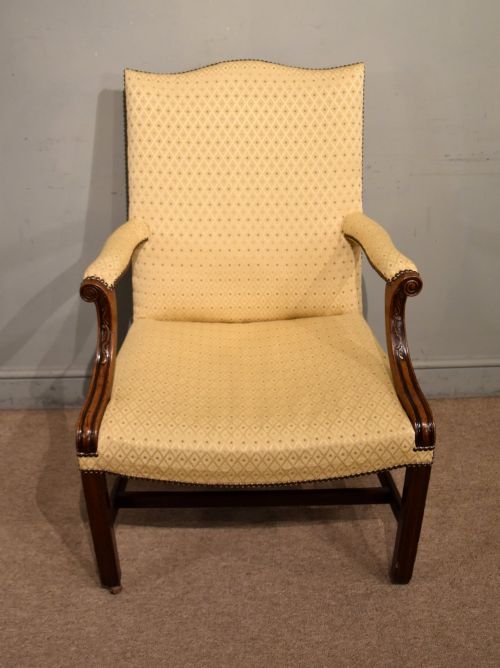
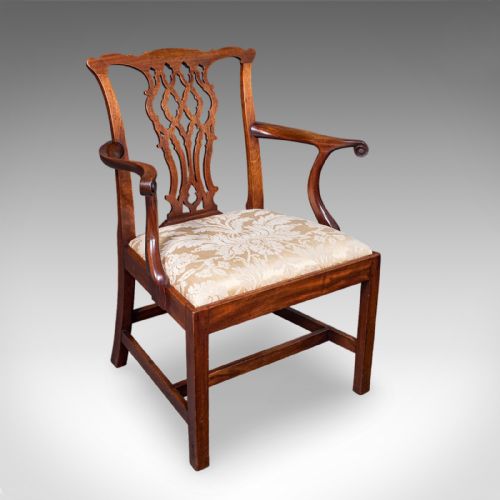
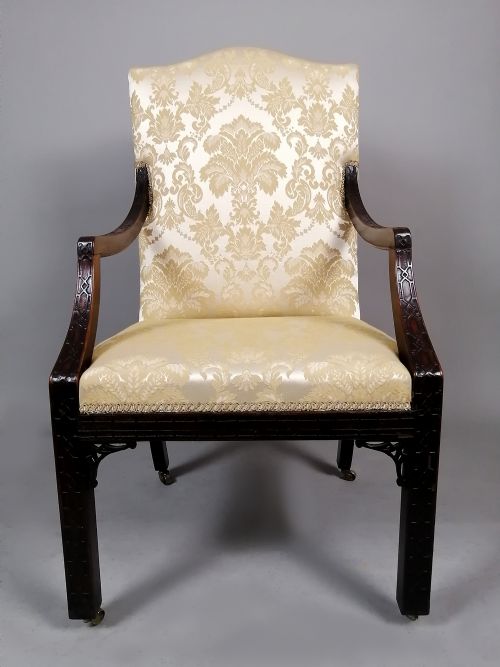
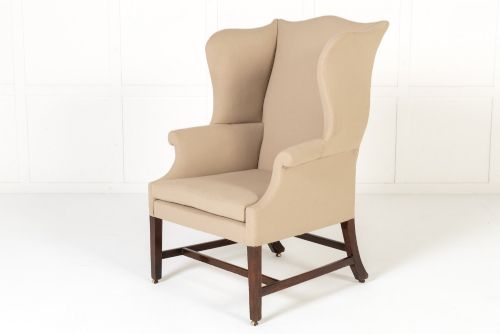
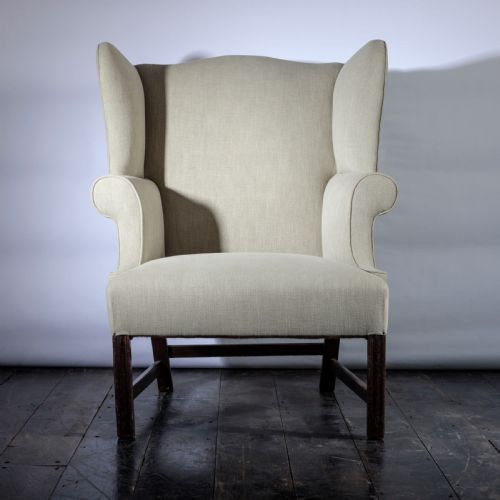
An 18th century reading chair serves as a specialised seat designed for the library, study, or morning room, encompassing forms such as wing armchairs, Gainsborough library chairs, and corner desk chairs. These seating pieces emerge predominantly from the Georgian period, including reigns from George I through George III, alongside occasional later interpretations.
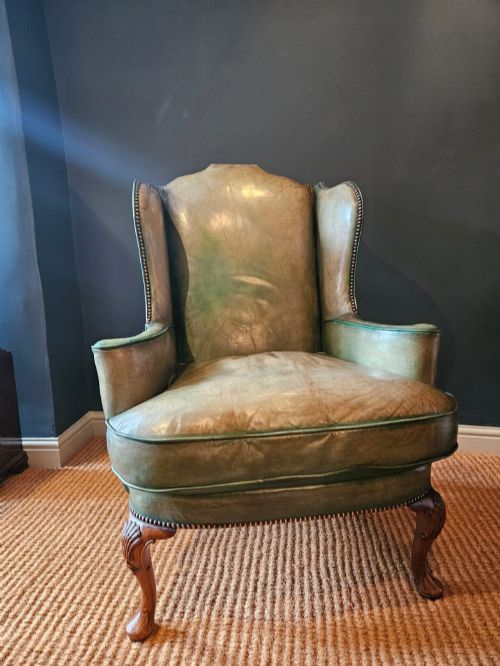
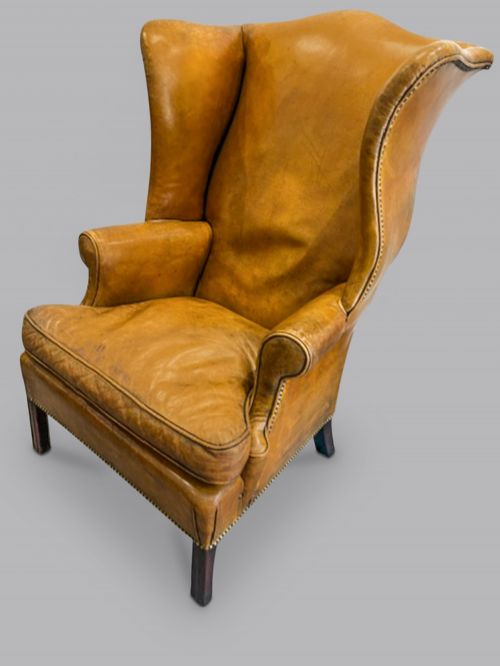
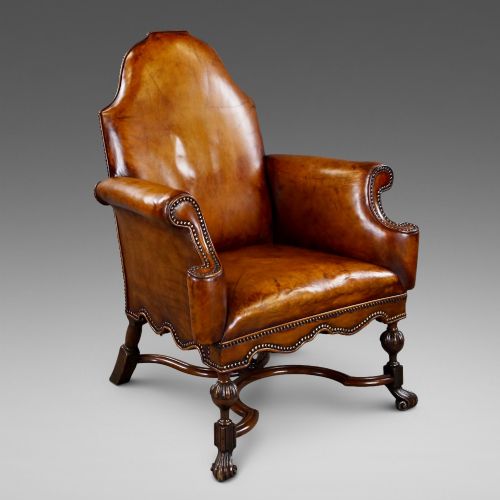
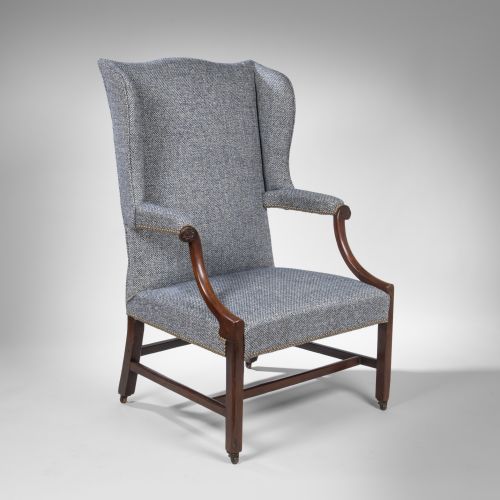
The most common variants encountered on this page include mahogany wing chairs upholstered in leather or fabric, and open-armed library chairs designed for comfort during extended periods of study. Forms range from generous scale wingbacks to compact corner chairs intended for specific desk use.
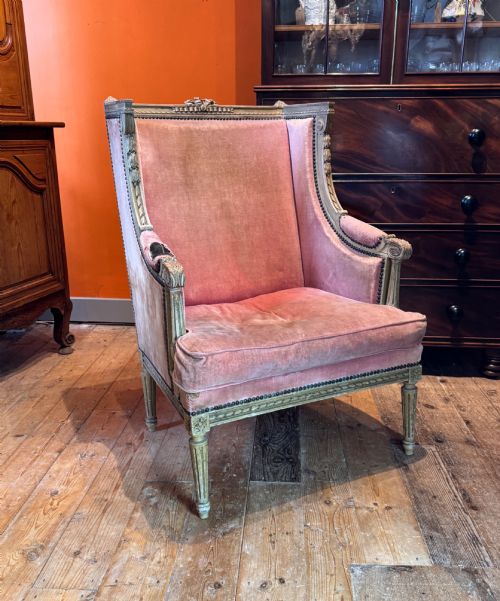
Origin and period definitions span authentic 18th century craftsmanship alongside later 19th century reproductions built in the 18th century style. Materials and structural forms align closely with English cabinet-making traditions of the Georgian era, supplemented by occasional French Louis XVI examples.
Materials and Construction
Makers constructed these chairs primarily using solid hardwoods, with mahogany and walnut forming the structural framework for the vast majority of pieces, complemented by occasional oak and elm in specific regional forms. Carved cabriole legs, stretchers, and exposed wooden frames demonstrate the joinery standards of the period.
Upholstery techniques involved traditional stuffing materials enclosed by leather, fabric, linen, velvet, or damask, often secured with brass tacking. Original or early textile coverings sit alongside later restorations while retaining the traditional profile of the library armchair.
The documented periods range from early George I designs through George III and later nineteenth-century revival interpretations.
Evaluating Quality and Proportion
Quality in an 18th century reading chair rests upon the harmony of its proportions, the crispness of any carved woodwork on the legs or arms, and the integrity of the underlying frame. Chairs featuring well-defined cabriole legs, substantial timber framing, and balanced wing or barrel backs represent the upper tier of cabinet-making.
The relationship between the woodwork and the upholstery defines the visual success of the piece, where exposed mahogany or walnut frames display careful finishing. Retention of original surface patination on the timber and appropriate scale separate standard production from superior examples.
The 18th Century Reading Chair Glossary
- Gainsborough armchair
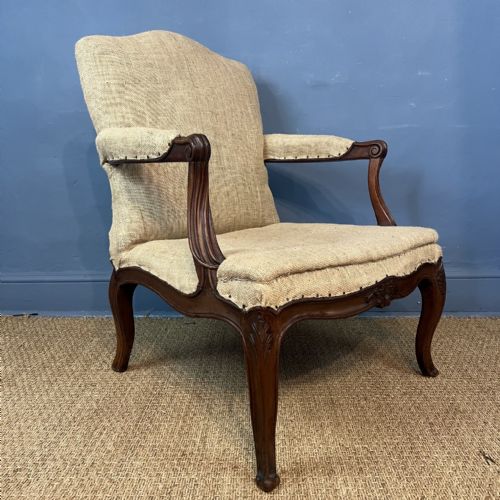
- A type of upholstered library armchair with open padded arms, short cabriole or straight legs, and a low back designed for ease of movement. This form became popular during the mid-Georgian period.
- Wing chair
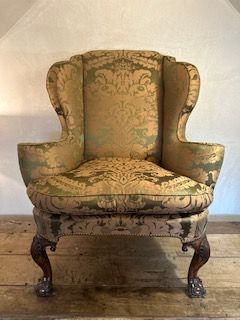
- An armchair featuring side panels or wings attached to the armrests, designed to shield the sitter from drafts and retain heat from a fireplace. Examples in the evidence frequently utilise leather or linen upholstery.
- Corner chair
- A seating form designed to fit into the corner of a room, often utilised as a desk or reading chair. These typically feature a curved backrest supported by turned pillars and a square seat.
- Cabriole leg
- A furniture leg that curves outward at the knee and tapers inward toward the foot, mimicking animal limbs. It is a defining characteristic of George II and George III seating.
- Barrel back armchair
- A seating form characterised by a semicircular upholstered back that wraps continuously around the sides to form the armrests. This design offers enclosed support for reading.
18th Century Reading Chair: Frequently Asked Questions
What is a Gainsborough chair?
A Gainsborough chair is a wide, open-armed library armchair featuring a padded back and seat with exposed wooden legs. It was designed for comfort during reading and writing in eighteenth-century libraries.
Cabinet makers of the Georgian era produced these chairs with mahogany frames, often incorporating carved cabriole or straight supports.
How do I identify a Georgian reading chair?
Georgian reading chairs are identified through their period timber frames, typical furniture forms such as wingbacks or corner seats, and traditional joinery. Evidence shows they date from the reigns of George I through George III.
These pieces usually feature mahogany or walnut construction, accompanied by upholstery in leather, damask, or linen reflecting eighteenth-century design standards.
Where were reading chairs used?
Reading chairs were placed in libraries, studies, morning rooms, and parlours where gentlemen and ladies engaged in study or correspondence. Their specific forms catered to prolonged sitting.
Wing variants protected sitters from draughts near fireplaces, while corner desk chairs provided stable seating for writing and reading at tables.
What materials are common on these chairs?
Solid mahogany and walnut form the primary wooden structures for the majority of these seating pieces, with occasional elm and oak. Carved details and exposed frames showcase these hardwoods.
Upholstery materials recorded in the evidence include leather, velvet, linen, fabric, and damask, secured with brass detailing on traditional frames.