



Traditional Canine Oil Artwork
Traditional canine oil artwork captures the distinct character and spirit of dogs through enduring painted portraiture.
Traditional Canine Oil Artwork
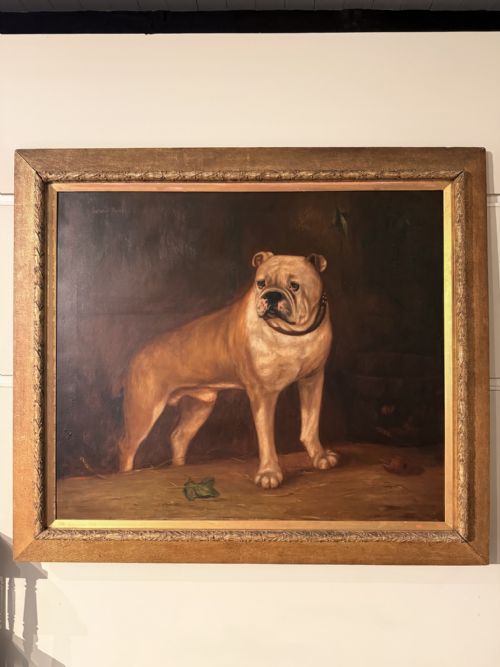
Traditional canine oil artwork represents painted depictions of dogs, ranging from spaniels and terriers to greyhounds and bulldogs. These pieces emerge predominantly from the nineteenth century alongside mid twentieth century examples.
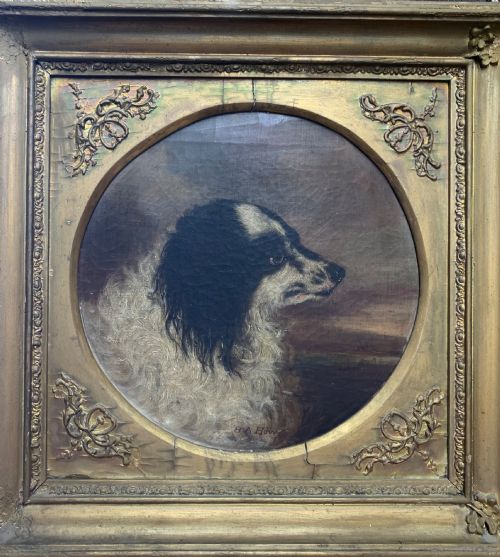
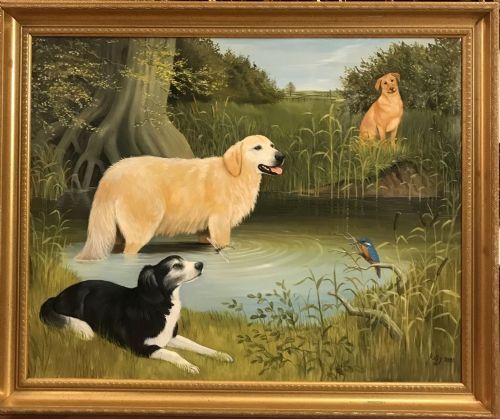
The selection here encompasses varied formats including single subject portraits, sporting dogs in landscapes, and multi dog compositions. Works span Victorian fine art and mid century realism, reflecting historical bonds between owners and their animals.
Buyers encounter oil paintings executed on canvas, board, and panel, often housed within gilt or giltwood frames. Both signed works by listed artists and unsigned historical pieces populate the collection.
How these artworks were made
Painters applied oil paint using canvas, wood boards, and wooden panels as their primary supports. Artists built up layers of pigment to render the texture of fur, expression in the eyes, and natural background details.
Finished works found their homes inside decorative wooden frames, frequently finished in gilt or giltwood to complement the domestic interiors of the period.
Listings span the nineteenth century through to the mid twentieth century, utilising oil on canvas, board, and panel.
What varies in quality
The distinction between standard works and exceptional pieces lies in the anatomical precision and the psychological depth given to the animal. Skilled hands capture light on a coat and the alert stance of a working dog with notable conviction.
Context adds depth to a painting, such as detailed interior settings, country houses in the distance, or landscape backgrounds that place the animal within a specific rural or domestic scene.
John Sargent Noble·William Barraud·Colin Graeme Roe·M.E. Hankinson·John Emms·Valentine Thomas Garland·James Ward·Charles Bilger Spalding·Samuel John Carter·William Albert Clark
The Traditional Canine Oil Artwork Glossary
- Oil on canvas
- Pigment suspended in drying oil applied to a stretched woven fabric support. This remains the most common medium for traditional animal painting.
- Giltwood
- Wood that has been carved and covered with a thin layer of gold leaf. Frames of this material frequently accompany nineteenth century canine portraits.
- Sporting art
- Depictions of animals engaged in field sports, hunting, or racing. Many works in this field record prized greyhounds or gun dogs with the day's bag.
- Oil on board
- Pigment applied directly to a rigid wooden or composition board rather than stretched fabric. This format appears frequently in twentieth century dog portraits.
Traditional Canine Oil Artwork: Frequently Asked Questions
How should I frame an oil painting?
Traditional oil paintings are typically housed in wooden frames, often featuring gilt or giltwood finishes that complement the era of the canvas. The frame should suit the depth and tone of the artwork.
Ensure the painting remains secure within its housing and avoid placing it in direct sunlight to protect the oil pigments over time.
Are these paintings signed by artists?
Many works bear the signature or attribution of established nineteenth and twentieth century animal painters, while others remain unsigned examples from the period.
Signed pieces often connect to known practitioners of British sporting and domestic art, adding historical context to the canvas.
What surfaces were used for these artworks?
Artists utilised stretched canvas, wooden panels, and rigid boards as supports for their oil paint. The choice of surface often relates to the date and intended scale of the portrait.
Canvas allows for larger compositions, whereas panels and boards frequently support more intimate head studies or board paintings.