
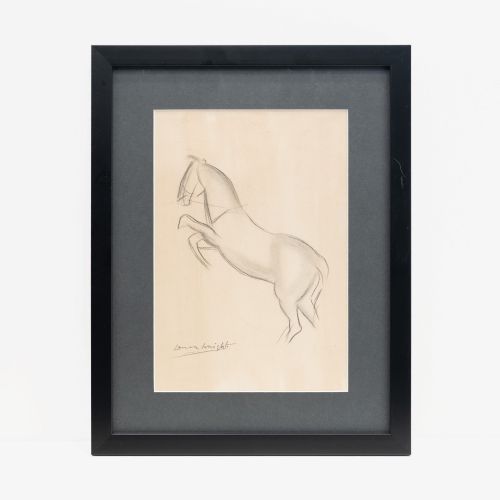


British Animal Art
British animal art captures the distinct character of farm stock, hounds, and country wildlife through the brush of Victorian and twentieth-century painters.
British Animal Art
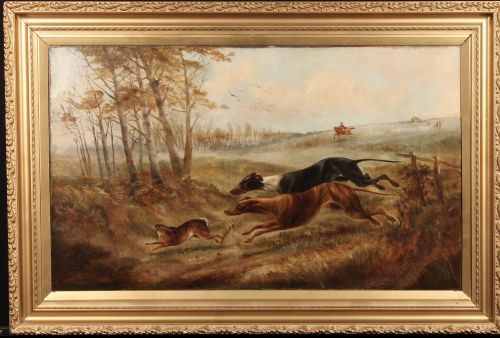
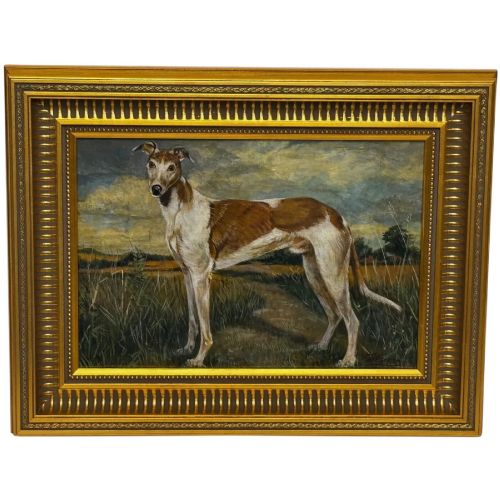
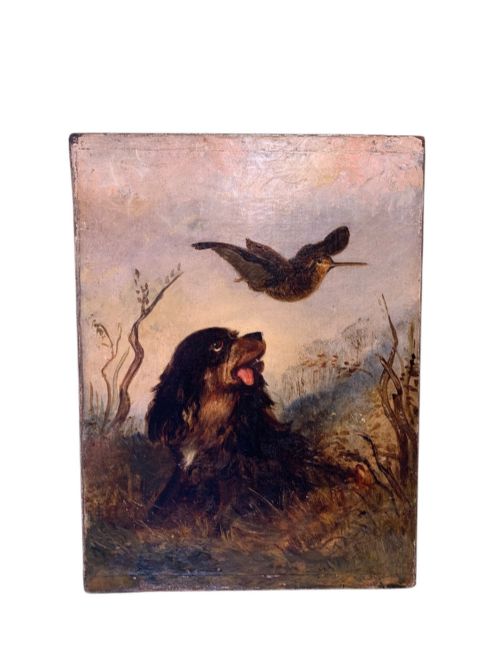
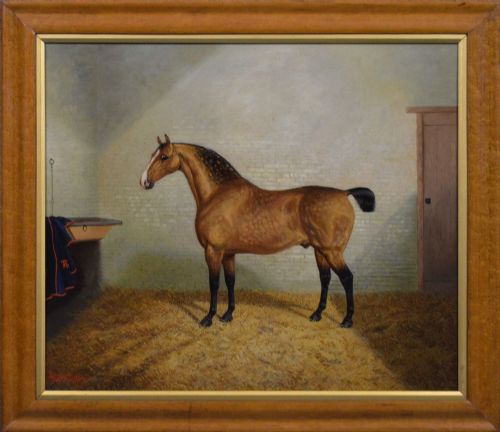
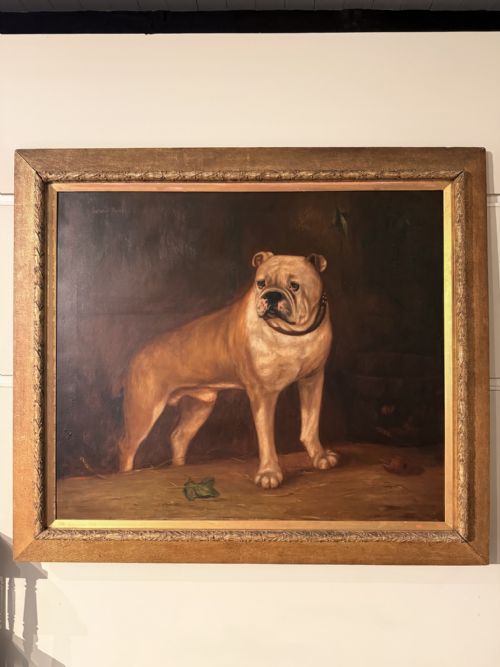
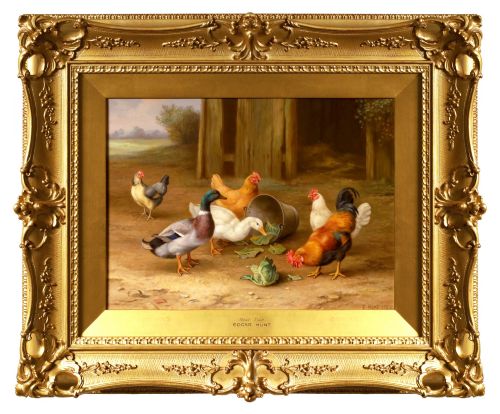
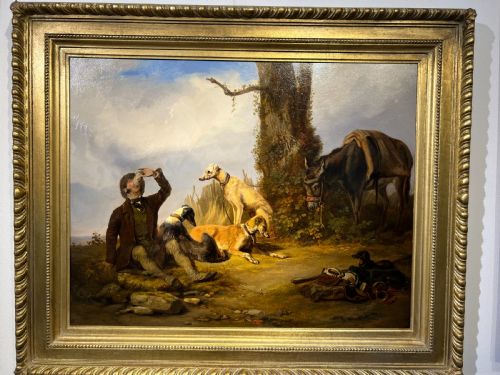
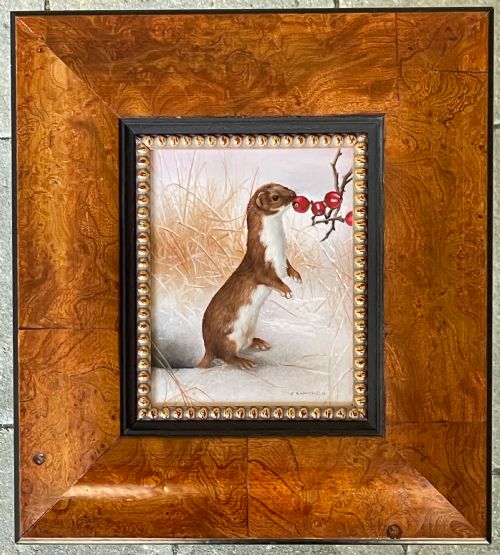
British animal art encompasses oil paintings and watercolours that record horses, cattle, dogs, and birds within rural landscapes.
The selection on this page leans heavily toward nineteenth-century Victorian pastoral scenes and animalier studies alongside early twentieth-century works.
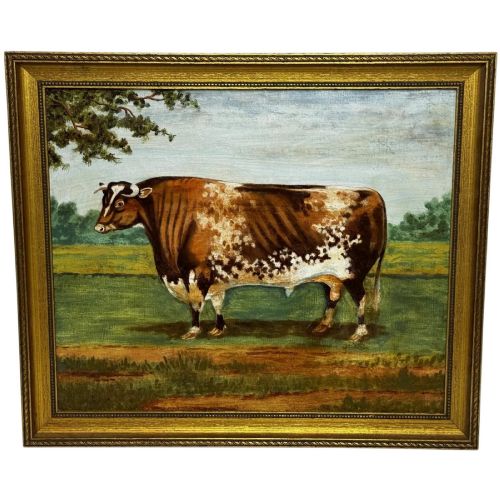
Buyers encounter portraits of prize bulls, working collies, and game birds rendered by regional artists and academic painters alike.
How they were made
Painters utilised oil paint on canvas or wood panels, building rich textures for animal coats and pastoral backgrounds.
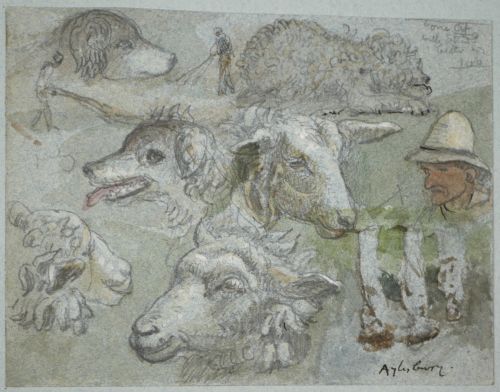
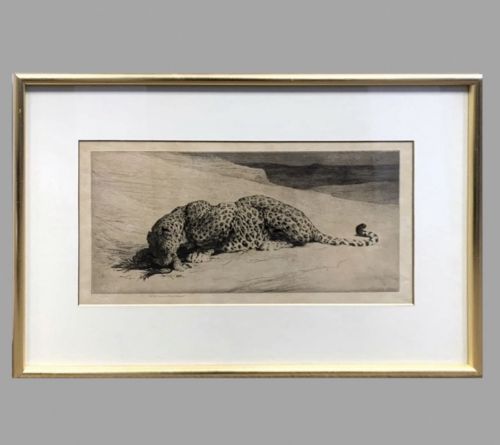
Watercolour paintings and ink etchings on paper offer finer, linear details suited to intimate animal portraits.
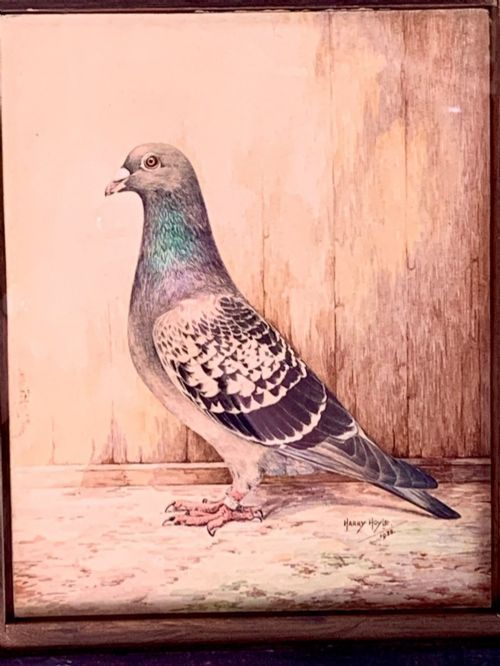
Pigeons earned royal status too, as shown by a watercolour dedicated to a King George V jubilee winner.
What varies in quality
Anatomy and posture drive the division between standard farmyard records and masterful portraits that capture true animal temperament.
Brushwork precision and background landscape integration separate routine studio output from the work of accomplished painters.
George Armfield·James Smetham·Albert Clark·Edgar Hunt·Sir Edwin Henry Landseer·Herbert Dicksee·Carl Whitfield·Dame Laura Knight·John Emms·Arthur Wardle·William Henry Mander·William Barraud·Thomas Sidney Cooper·Fred Yates
The British Animal Art Glossary
- Animalier
- A nineteenth-century artistic focus on the realistic depiction of animals, particularly in sculpture and painting.
- Etching
- A printmaking process where acid cuts into unprotected parts of a metal plate to hold the ink.
- Pastoral
- A style of art depicting rural life, farm animals, and countryside scenery in a calm setting.
- Sporting art
- Depictions of hunting, shooting, racing, and the dogs or horses associated with field sports.
British Animal Art: Frequently Asked Questions
What is British animal art?
British animal art comprises paintings and prints produced in Britain that focus primarily on livestock, pets, and wildlife.
These works range from detailed portraits of prized farm animals to lively scenes of hounds and horses in rural landscapes.
How were these paintings displayed?
Victorian and Edwardian households typically hung these artworks in country houses, studies, and dining rooms to reflect rural property interests.
Heavy gilt wood frames were common, designed to complement traditional interior decor and give prominence to the subject.
Who painted these animals?
Many works were created by dedicated animal painters, some exhibiting at the Royal Academy, while others worked for local landowners recording specific livestock.
Artists often specialised in particular creatures, such as dogs, horses, or cattle, developing deep familiarity with their anatomy.
How do I date an animal painting?
Dating relies on costume clues in any human figures, the style of the frame, and the painting technique used on the canvas or paper.
Signatures, artist registry dates, and specific animal breeding types shown in the portrait also help narrow the period.