


Traditional Buttoned Settee
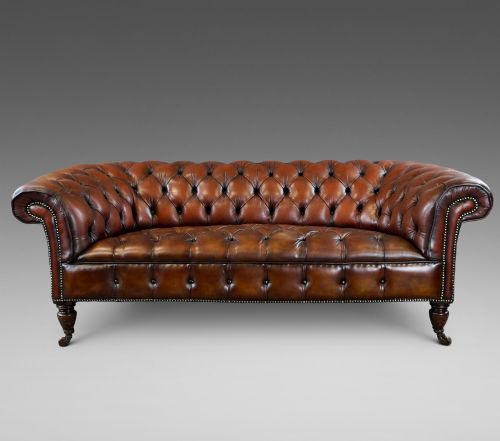
A traditional buttoned settee brings deep-buttoned comfort and period presence to a room, most often appearing as a classic Victorian leather Chesterfield.
Traditional Buttoned Settee
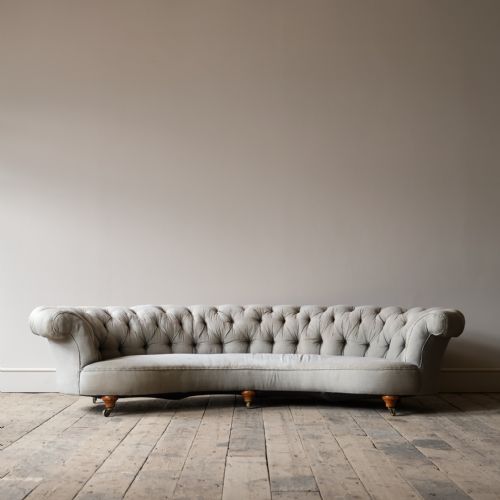
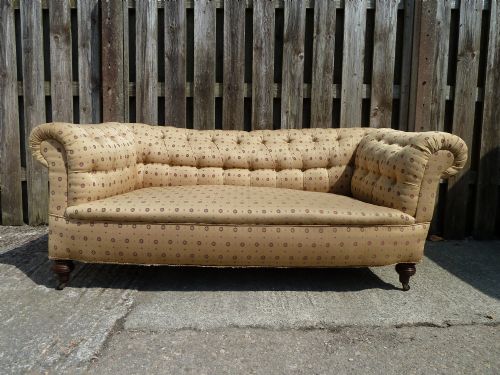
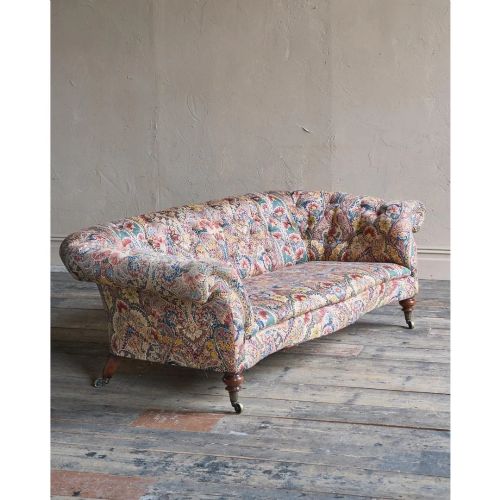
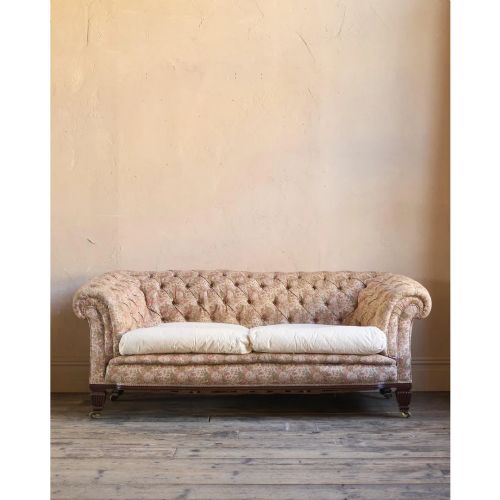
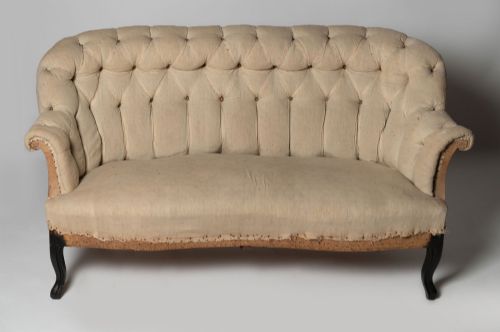
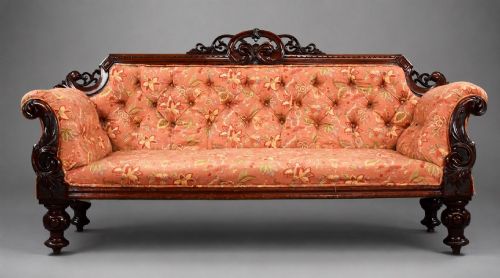
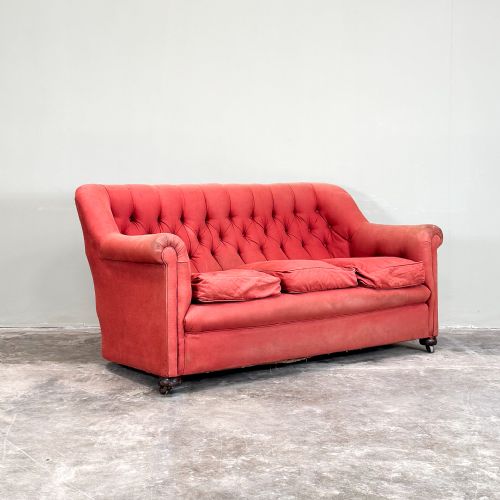
A traditional buttoned settee is a deep-seated seating piece designed for long periods of rest, combining substantial proportions with tailored upholstery. When searching for a traditional buttoned settee, buyers encounter substantial seating forms spanning the nineteenth century up through the nineteen-thirties.
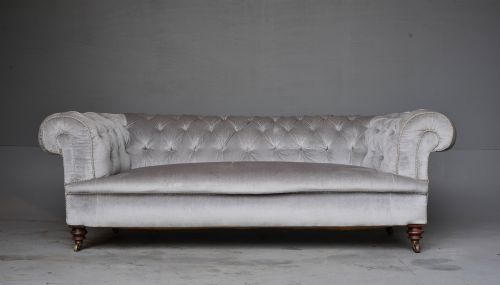
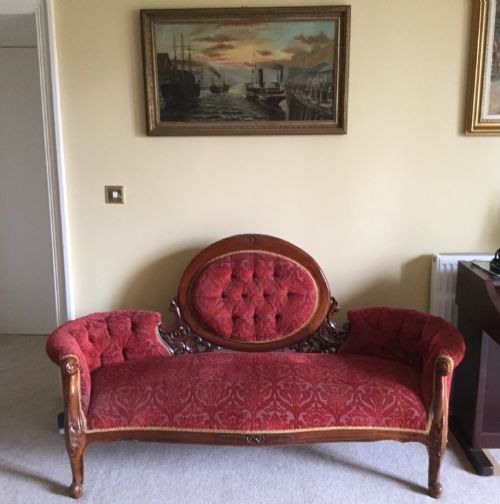
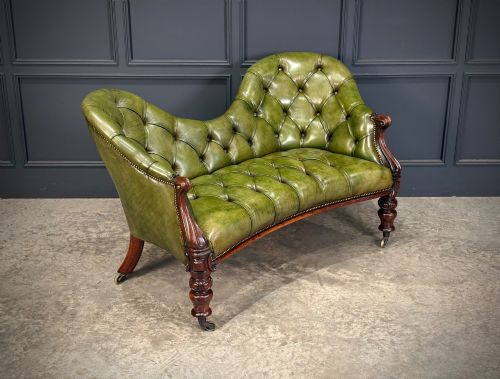
The most common version on this page is the Chesterfield sofa, frequently upholstered in leather or velvet with characteristic tufted buttons. Alongside Chesterfields, the selection includes double-ended sofas, spoon-back settees, and chaise longues from Victorian and Edwardian periods.
How they were made
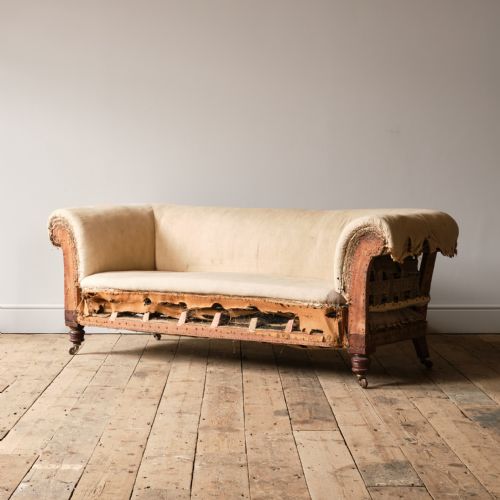
Traditional frames utilise sturdy hardwoods such as mahogany or general hardwood frameworks to support heavy internal padding. Interior construction relies on traditional methods like coil springing and horsehair stuffing to build resilient, supportive seats.
Surface treatments range from deep pile brocade and velvet to raw leather prepared for hand-dyeing. Brass details and tassel trims often accent the wooden or upholstered elements on nineteenth-century frames.
One nineteen-thirties Chesterfield arrives ready for the road, having been re-upholstered in genuine Alfa Romeo leather.
What varies in quality
The integrity of the internal stuffing and springing dictates how well a settee holds its shape under daily use. Pieces retaining original horsehair stuffing and properly tied coil springs demonstrate superior craftsmanship.
The grade of the leather or fabric covering, alongside the precision of the deep buttoning tufting, marks the distinction between standard workshop output and premier maker production.
Howard and Sons·Jas Shoolbred·Gillows·Hampton and Sons
The Traditional Buttoned Settee Glossary
- Chesterfield
- A large upholstered sofa with arms and back of the same height, traditionally featuring deep button tufting. This form remains the definitive style for traditional buttoned seating.
- Tufting
- The technique of pulling twine or cord through upholstery layers and securing it with buttons to create a diamond pattern. This secures the internal horsehair and padding.
- Double-ended sofa
- A seating piece with scroll arms or raised ends of equal height at both sides. These permit reclining from either direction.
- Chaise longue
- An upholstered couch shaped like a chair with a long seat for reclining. Nineteenth-century examples often incorporate buttoned backs and carved wooden frames.
Traditional Buttoned Settee: Frequently Asked Questions
How do I spot a true Victorian Chesterfield?
A true Victorian Chesterfield displays heavy hardwood framing beneath traditional coil springing and hand-tied horsehair stuffing. The leather or fabric upholstery is deeply tufted by hand rather than machine stitched.
Look closely at the proportions and the weight of the timber frame. Nineteenth-century examples carry distinct construction hallmarks that lighter twentieth-century reproductions lack.
Are these settees comfortable for daily use?
These pieces were built for deep, sustained seating using dense horsehair and supportive coil springs. Their robust interior construction makes them well suited for regular living room use.
Different models offer varying seat depths and back angles. Checking the internal stuffing firmness helps determine the best match for your seating preferences.
What is hand dyed leather?
Hand dyed leather involves applying colour by hand to raw or crust leather hides. This technique builds rich tonal depth across the surface of the settee.
Restorers and makers utilise this method to replicate antique patination on older hides or newly upholstered replacement leather.
How do I care for antique leather upholstery?
Antique leather requires gentle cleaning and periodic conditioning to prevent the hide from drying out. Avoid placing the settee in direct sunlight or close to heat sources.
Proper maintenance preserves the natural patina and flexibility of nineteenth and early twentieth-century leather without altering its historical finish.