



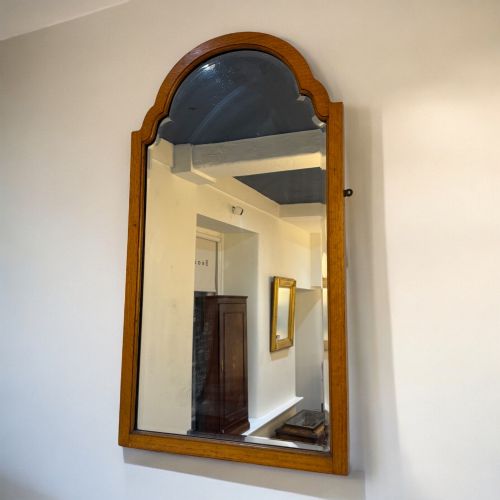
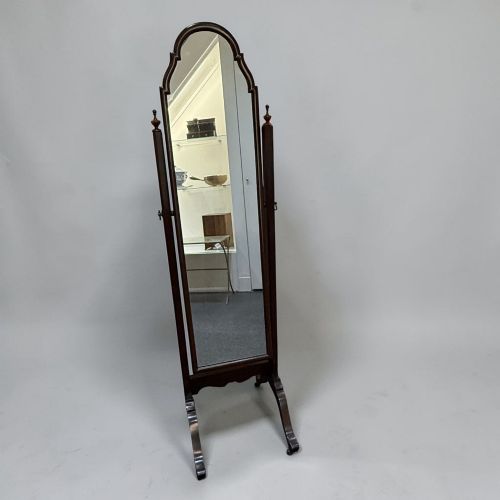
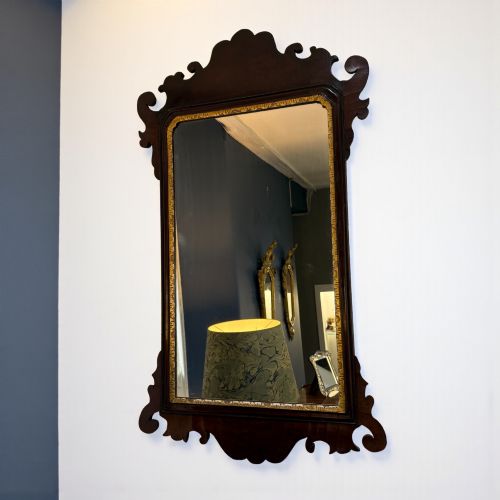
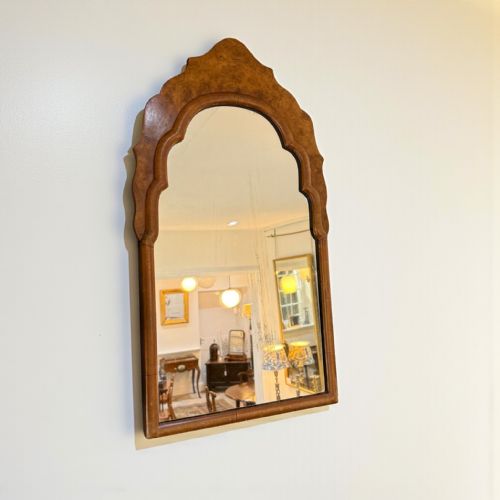
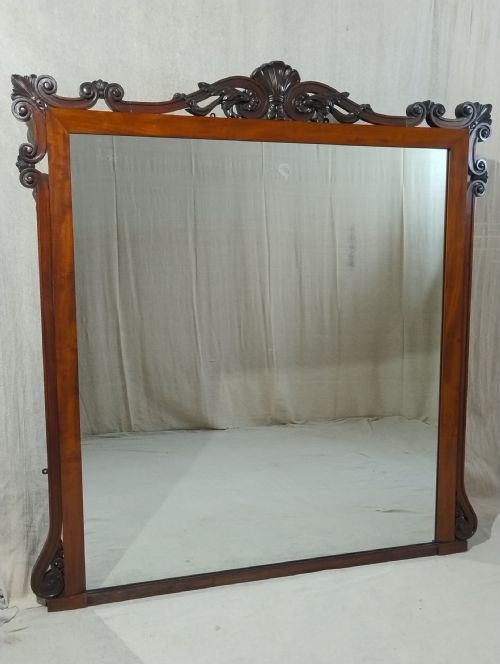

Traditional Brown Mirror
A traditional brown mirror brings warmth and depth to a room through rich timber frames and classic proportions.
Traditional Brown Mirror
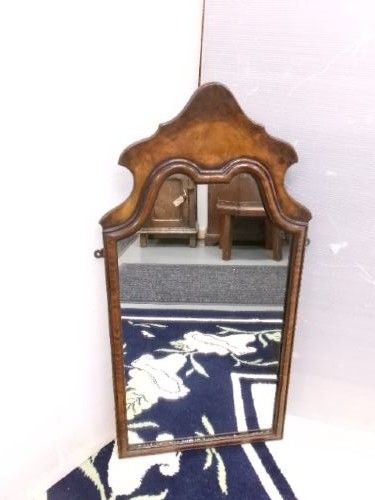
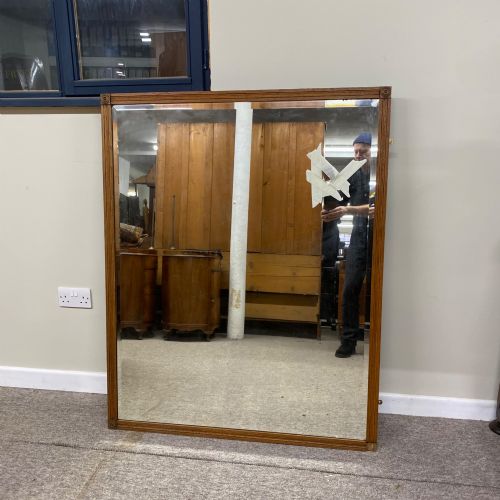
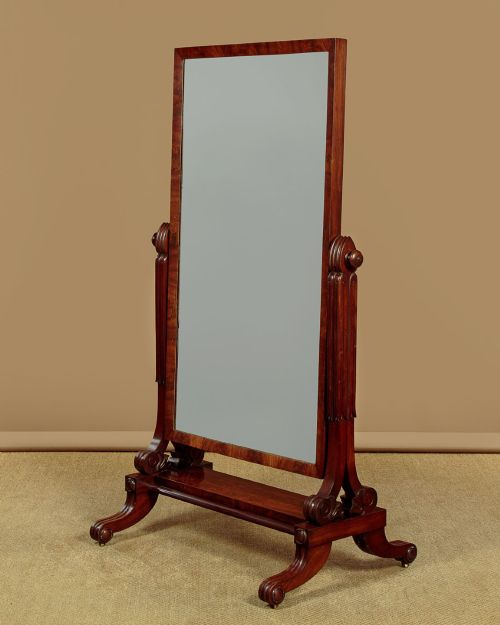
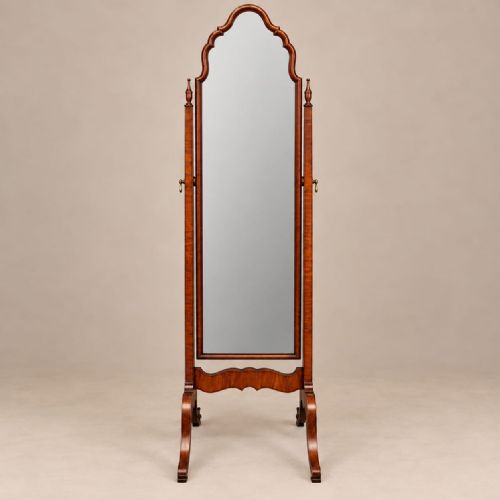
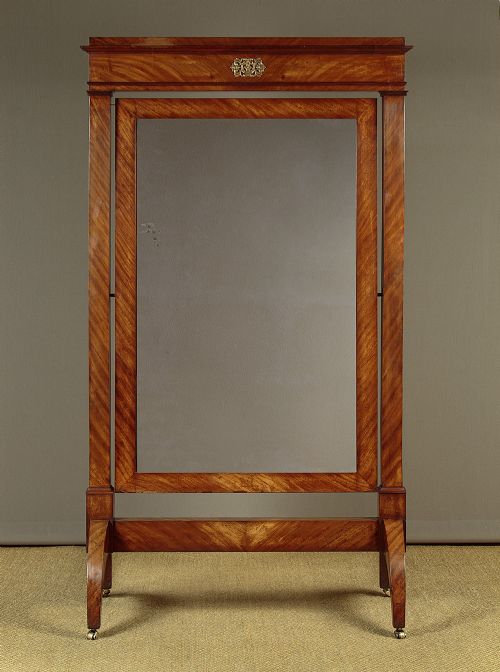
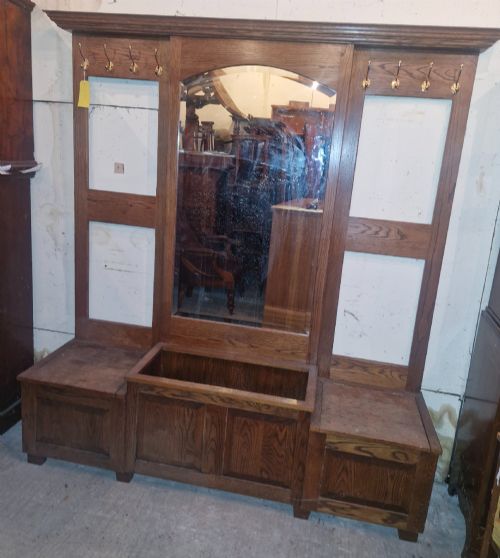
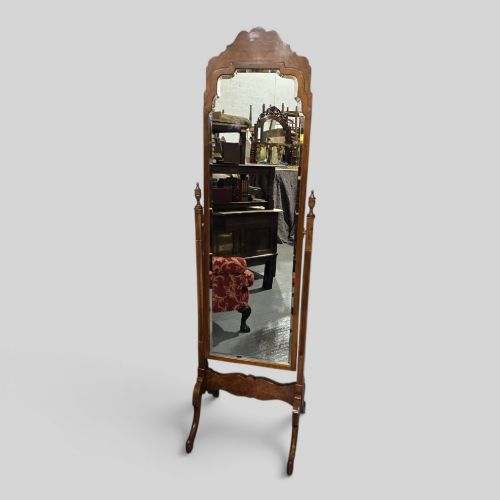
A traditional brown mirror spans several centuries of woodwork, taking the form of wall mirrors, cheval dressing glasses, and overmantels. Buyers searching for a traditional brown mirror encounter pieces framed in solid timbers rather than painted or modern synthetic finishes.
The most common examples on this page date from the Victorian, Edwardian, and Georgian periods, alongside early twentieth-century revivals. These pieces rely on the natural grain of the wood to provide visual interest without needing heavy ornamentation.
Forms range from simple rectangular wall hangings to large floor-standing cheval mirrors and ornate overmantels designed to sit above a fireplace. Each type serves a distinct functional purpose while maintaining a coherent dark wood aesthetic.
Materials and construction methods
Frames are constructed from dense hardwoods such as mahogany, walnut, and oak, often selected for their deep colour and prominent grain patterns. Cabinetmakers utilised techniques like veneer work, notably burr walnut, to create decorative surface patterns across the wooden surrounds.
Mirror glass of the nineteenth and early twentieth centuries was frequently bevelled at the edges to catch the light, held securely within rebated wooden frames. Joinery relied on traditional methods such as tenon and mortise joints, ensuring the heavy timber structures remained stable over decades of use.
Traditional Brown Mirror Retail Price Guide 2026
Typical asking prices for traditional brown mirror among the pieces listed under this phrase on Sellingantiques today, from the lower quarter to the upper quarter. They describe what is for sale here now, not the wider market.
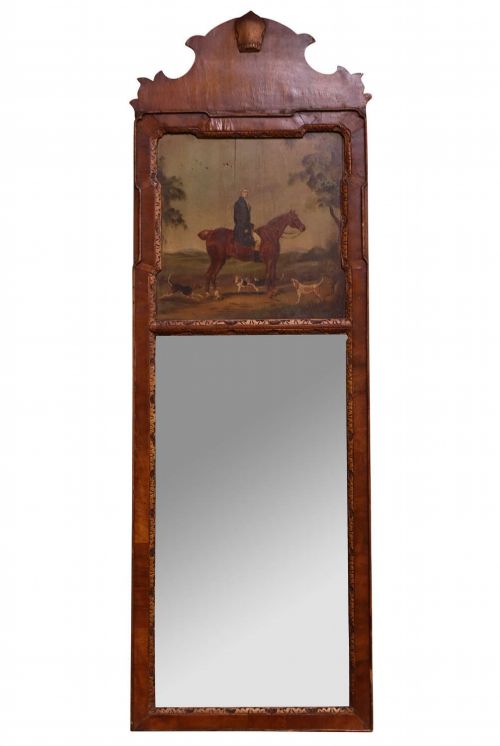
Keep an eye out for unexpected additions, such as an equestrian oil painting tucked into the frame of a pier glass.
Distinguishing quality in dark wood mirrors
Superior examples demonstrate careful timber selection, where the grain runs harmoniously around the frame corners rather than appearing patched together. The depth of the polish and the clarity of the underlying wood figure separate standard production from finer cabinet work.
The weight and stability of the supporting structure, particularly on free-standing cheval mirrors and large overmantels, indicate the original builder's skill. Finer pieces show subtle hand-carved details or precise parcel-gilt fretwork that remains crisp and well-defined.
The Traditional Brown Mirror Glossary
- Cheval mirror
- A full-length dressing mirror suspended on a vertical frame with pivoting side pins so it can tilt. This freestanding form became popular for bedrooms during the eighteenth and nineteenth centuries.
- Overmantel mirror
- A large mirror specifically designed to be hung on the wall directly above a fireplace mantelpiece. They often feature horizontal proportions that match the width of the hearth below.
- Pier glass
- A tall, narrow mirror designed to hang on the wall space between two windows. These pieces frequently incorporate detailed walnut or mahogany frames.
- Parcel-gilt
- Woodwork partially decorated with thin sheets of gold leaf over specific carved details. This technique highlights particular motifs against a dark brown timber background.
- Fretwork
- Thin wood panels cut into intricate decorative patterns using a fretsaw. It appears frequently on the crests and borders of Georgian style wall mirrors.
Traditional Brown Mirror: Frequently Asked Questions
How do I hang a heavy overmantel mirror?
Large overmantel mirrors require robust fixings secured directly into wall studs or masonry to support their considerable weight safely. Using heavy-duty picture hooks rated for the specific load ensures the frame remains secure against the wall.
Professional installation is often recommended for Victorian and Edwardian examples due to the combination of thick timber frames and heavy glass. Positioning the mirror at the correct height also balances the visual weight above a fireplace.
What is the difference between a cheval mirror and a dressing mirror?
A cheval mirror is a freestanding floor-length glass mounted on a pivoting frame, allowing the user to view their entire outfit. They generally stand independently in a bedroom or dressing room.
By contrast, a dressing mirror is smaller and sits upon a dressing table or chest of drawers. These tabletop versions typically include small drawers within their base stands for storage.
How do I date an antique wooden mirror?
Dating relies on observing the timber species, construction techniques, and the style of the frame moulding. Georgian pieces often feature simpler mahogany or walnut profiles with hand-cut joinery, while Edwardian versions frequently show revival influences like Queen Anne curves.
The backing boards, screw types, and the condition of the mirror glass itself provide further clues to age. Original mirror plates often display minor foxing or subtle imperfections distinct from modern glass production.
Where should I place a brown wood mirror in my home?
Dark wood mirrors suit living rooms, hallways, and bedrooms where they can reflect natural light and create a sense of expanded space. Placing a wall mirror opposite a window maximises the incoming daylight.
Hall stands and overmantel mirrors work well as focal points in entranceways and principal reception rooms. The rich brown tones of the timber complement neutral walls and traditional interior palettes.