

Traditional Bronze Pendant
Traditional bronze pendant fixtures gather light through cast frames and glass crystals across French and English rooms from the nineteenth and early twentieth centuries.
Traditional Bronze Pendant
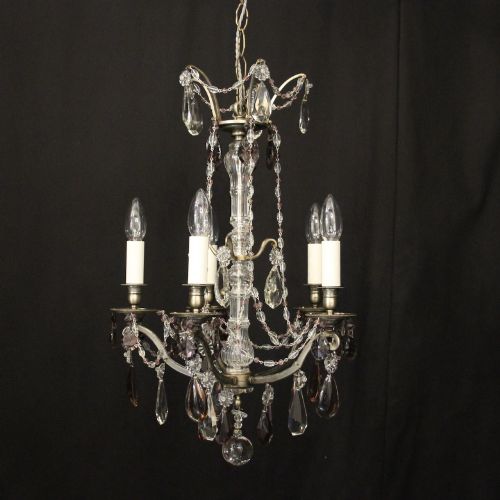
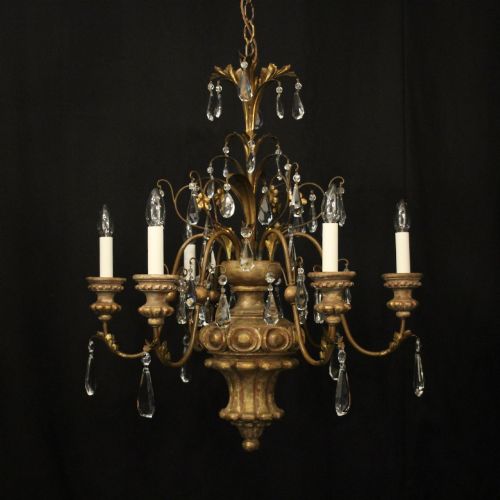
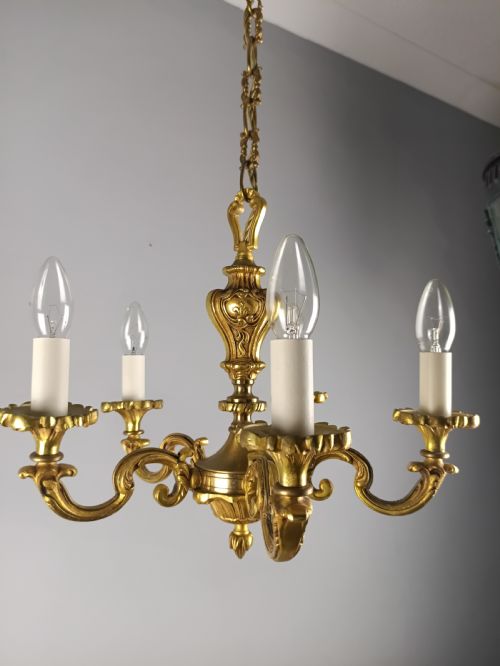
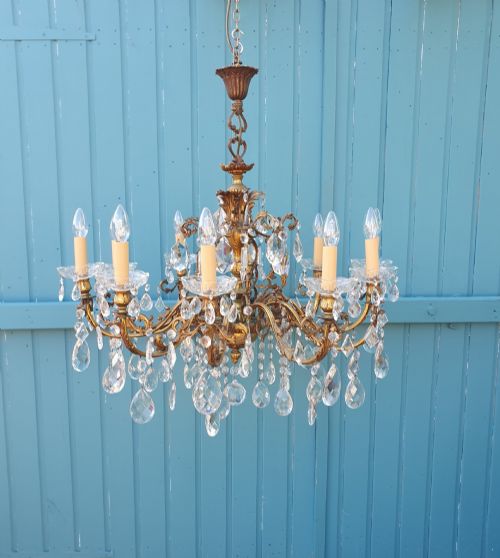
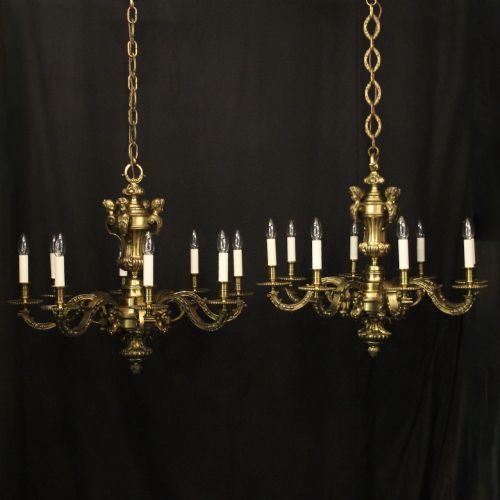
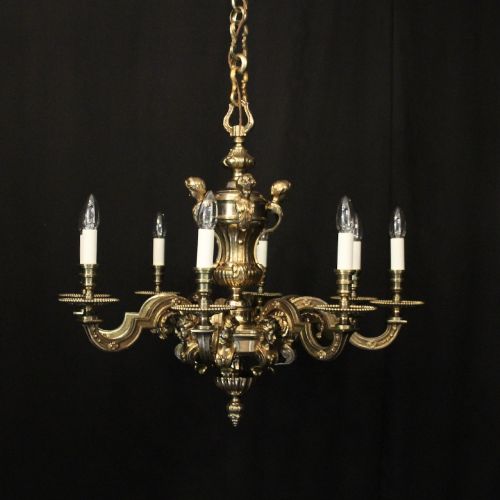
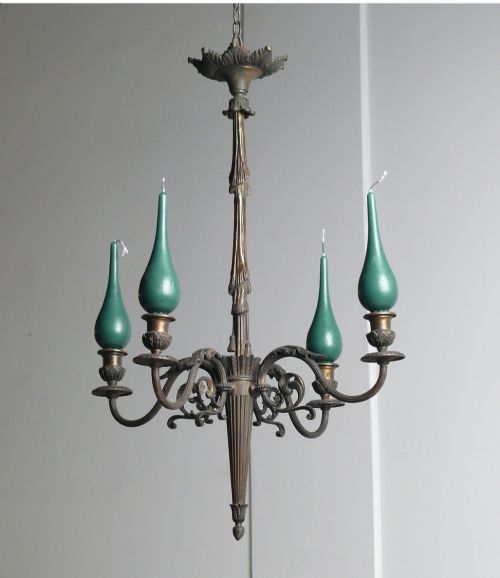
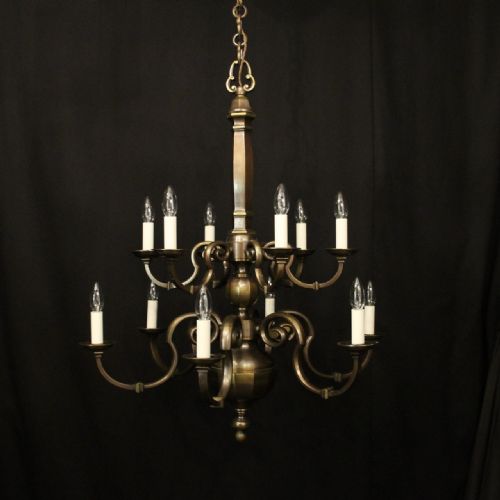
Traditional bronze pendant lights encompass multi-arm chandeliers, hall lanterns, and ceiling fittings spanning the Victorian, Edwardian, and early twentieth-century periods. These fixtures appear frequently in French and English designs, utilising bronze, gilt brass, and dark bronze frames to suspend multiple lights from ceilings.
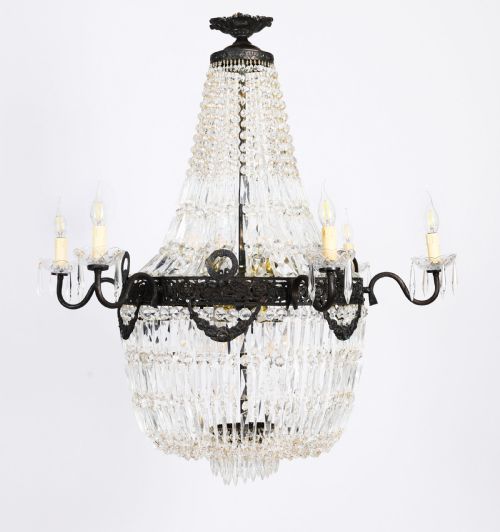
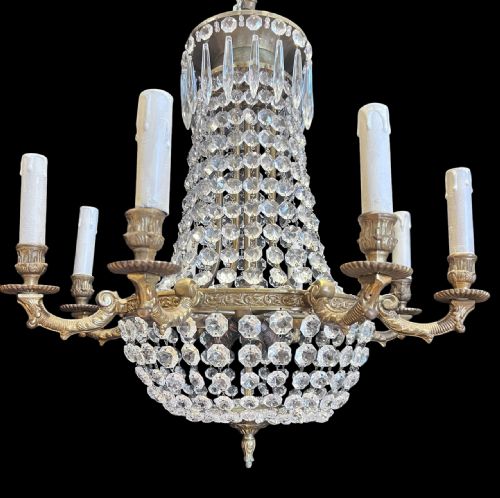
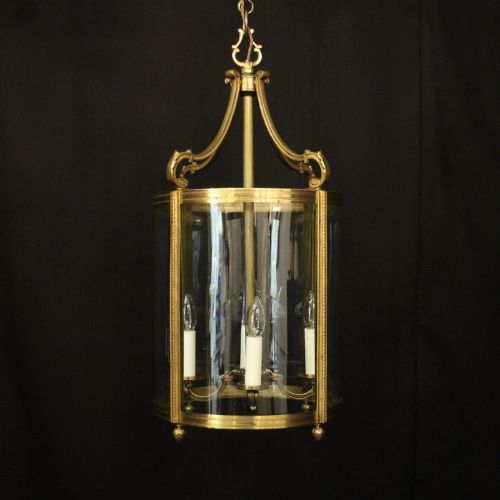
Buyers encounter heavy multi-tiered chandeliers alongside smaller convex hall lanterns and billiard lights. The forms incorporate decorative elements from French Rococo, Neoclassical, and Louis Revival styles, often paired with glass or crystal drops.
How they were made
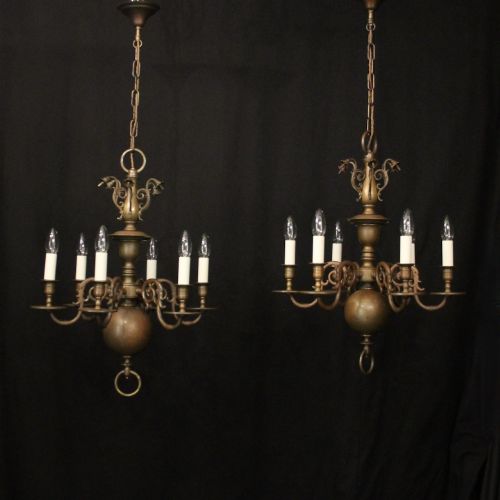
Maker workshops cast bronze, brass, and gilt metals to form the structural frames and arms of each pendant. Gilded finishes and silver gilding were applied to highlight the cast surface detailing.
Glass and crystal components, including bevelled panels and tent-and-waterfall drops, were integrated into the metal frames to refract illumination from the internal lights.
Snooker players relied on specialised long lighting forms to keep the green cloth evenly bright.
What varies in quality
The refinement of the casting and the depth of the gilding separate standard pieces from finer examples. Heavier bronze frames with crisp chisel work and integrated crystal elements indicate superior manufacture.
The complexity of the design, such as double-tiered arms or bevelled glass panels in lanterns, dictates the distinction within the available range.
G.E.C
The Traditional Bronze Pendant Glossary
- Bronze
- An alloy of copper and tin utilised for casting structural light frames. It provides a durable base that accepts dark patination or gilding.
- Gilt Bronze
- Bronze that has been coated with a thin layer of gold leaf or gilt. This technique adds a reflective finish to the metalwork.
- Hall Lantern
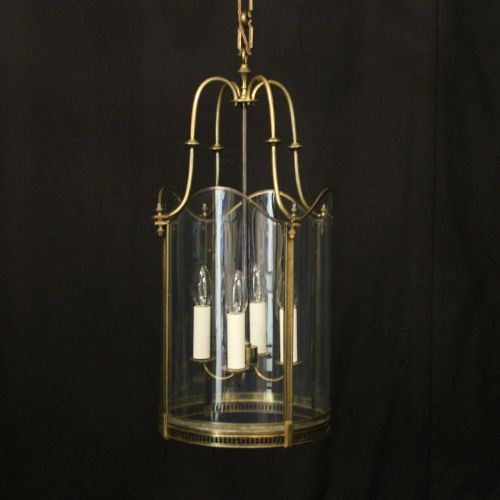
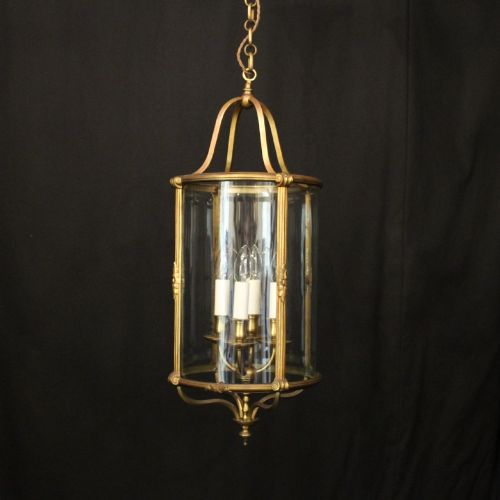
- An enclosed ceiling fixture designed for hallways and vestibules. These typically feature glass panels held within a bronze or brass frame.
- Tent Chandelier
- A lighting form featuring a canopy of crystals gathered in a tent shape above the lower tiers. The arrangement directs light through suspended drops.
- Rococo Revival
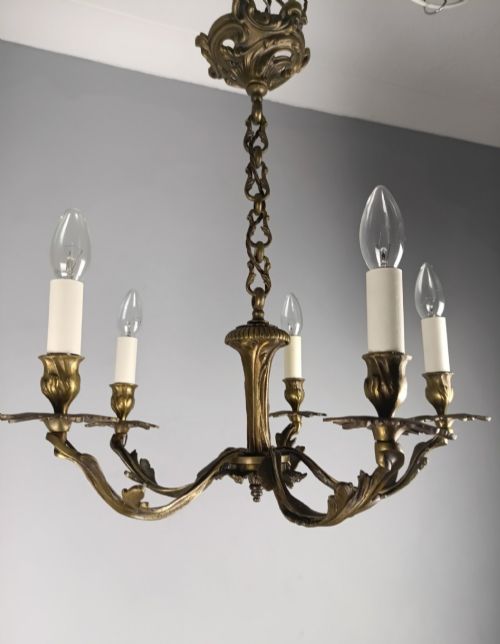
- A nineteenth-century decorative style drawing on eighteenth-century asymmetrical motifs. It appears in the curved lines and ornate casting of many chandelier arms.
Traditional Bronze Pendant: Frequently Asked Questions
What periods do these pendants cover?
The selections span from the late nineteenth century through the Edwardian era and into the 1920s and 1930s. Victorian and early twentieth-century pieces represent the primary eras.
French workshops produced a significant portion of these designs, alongside English examples from the same decades.
How do hall lanterns differ from chandeliers?
Hall lanterns feature enclosed glass or crystal panels surrounding the light source, designed specifically for corridors and entryways. Chandeliers utilise open arms extending outward to hold multiple exposed or shaded lights.
Both forms employ bronze and gilt metal frames but serve distinct architectural placements within a home.
What materials make up these fixtures?
Construction relies primarily on bronze, gilt bronze, gilt brass, and standard brass. Many examples integrate glass and crystal components to enhance light dispersion.
Surfaces often feature dark patination or applied gold leaf finishes over the cast metal.
Where should a pendant light hang?
Chandeliers suit principal reception rooms and dining spaces where multi-arm lighting provides broad illumination. Hall lanterns fit narrower entrance spaces and stairwells.
Ceiling height dictates the drop required for each specific fixture.