



Classical Ormolu Chandelier
A classical ormolu chandelier brings unmistakable presence and formal French grandeur to a high-ceilinged room.
Classical Ormolu Chandelier
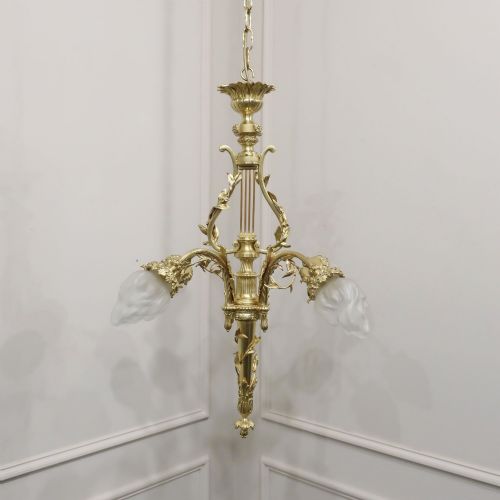
A classical ormolu chandelier is a grand ceiling fixture defined by gilt bronze and brass mounts, predominantly cast in French Neoclassical, Empire, and Rococo Revival styles. These pieces range from multi-branch lights set with crystal drops to substantial twelve-branch ormolu chandeliers dating from the nineteenth century.
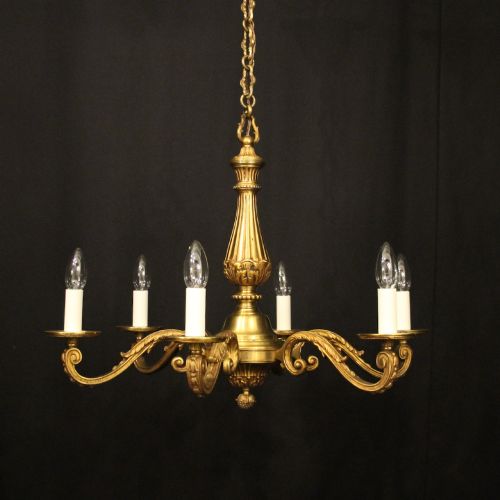
Buyers seeking a classical ormolu chandelier will frequently encounter nineteenth-century French examples featuring six, eight, or ten light branches. These fixtures typically combine gilded bronze with patinated bronze or glass components, reflecting the enduring influence of Louis XIV and neoclassical design.
The forms span from symmetrical lyre-shaped frames to ornate scrolling branches designed to cast abundant light in principal reception rooms. Each piece demonstrates the heavy metalwork and decorative precision characteristic of French chateau lighting from the period.
How they were made
Makers fashioned these fixtures using cast bronze and brass, applying mercurial gilding or gold leaf to achieve the characteristic ormolu surface. This technique required precise metal casting followed by meticulous hand-chiselling to sharpen the decorative details.
Casting often involved multiple interlocking sections secured together to support numerous light branches and heavy glass or crystal elements. Artisans integrated patinated bronze alongside gilded elements to create tonal contrast within the metalwork.
Classical Ormolu Chandelier Retail Price Guide 2026
Typical asking prices for classical ormolu chandelier among the pieces listed under this phrase on Sellingantiques today, from the lower quarter to the upper quarter. They describe what is for sale here now, not the wider market.
Some nineteenth-century makers cleverly concealed the wiring channels inside hollow cast bronze acanthus leaves to keep power cords out of sight.
What varies in quality
The standard of a classical ormolu chandelier rests upon the crispness of the bronze chasing and the depth of the original gilding. Finer examples exhibit sharply defined acanthus leaves and scrolls that retain their tactile edge after finishing.
Weight and structural substance also distinguish the range, as superior castings utilise thicker gauge bronze for the main body and arms. The integration of high-clarity crystal drops and well-balanced proportions further separates ordinary production from exceptional work.
The Classical Ormolu Chandelier Glossary
- Ormolu
- Gilded bronze, produced by applying a gold amalgam to a bronze base and heating it to drive off the mercury. This historic technique creates a rich, matte gold surface that resists tarnishing over centuries.
- Chasing
- The hand-tooling of cast metal with small punches and chisels to refine details and textures. Skilled chasing brings depth and sharpness to decorative motifs like foliage and beadwork.
- Patinated bronze
- Bronze treated with chemicals or heat to produce a dark, stable surface finish. This contrasting dark tone was often paired with bright ormolu to highlight architectural details.
- Lyre chandelier
- A lighting fixture featuring a central frame shaped like an ancient musical lyre. This symmetrical neoclassical form became especially popular during the nineteenth century.
- Louis XIV style
- A decorative design movement rooted in the seventeenth-century court of Versailles, characterised by heavy symmetry and formal grandeur. Later nineteenth-century revivals drew heavily upon these grand proportions.
Classical Ormolu Chandelier: Frequently Asked Questions
How do I clean an antique ormolu chandelier?
Dust the metal and crystal regularly using a soft, dry ostrich feather duster or microfiber cloth. Avoid commercial metal polishes, as abrasive compounds will strip the delicate gold layer from ormolu surfaces.
Stubborn grime requires professional conservation cleaning rather than DIY chemical intervention to preserve the historic finish.
Are these chandeliers wired for modern electricity?
Most surviving nineteenth-century examples have been rewired at some point in their history to meet contemporary safety standards. Buyers should inspect the internal wiring paths to ensure they comply with local electrical regulations.
Rewiring can be performed by a specialist restorer without altering the visible exterior bronze components.
How do I date a French ormolu chandelier?
Dating relies on examining the casting techniques, fastener types, and stylistic vocabulary used in the bronze mounts. Nineteenth-century interpretations often fuse Louis XIV symmetry with heavier cast components characteristic of the period.
Comparing the chased details and mounting screws to documented French examples helps narrow the decade of production.