


Traditional British Watercolour Art
Traditional british watercolour art captures the gentle light of past centuries through delicate washes on paper.
Traditional British Watercolour Art
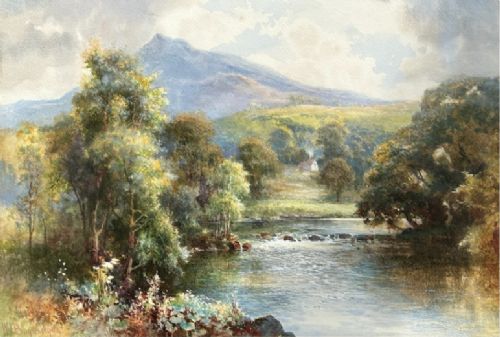
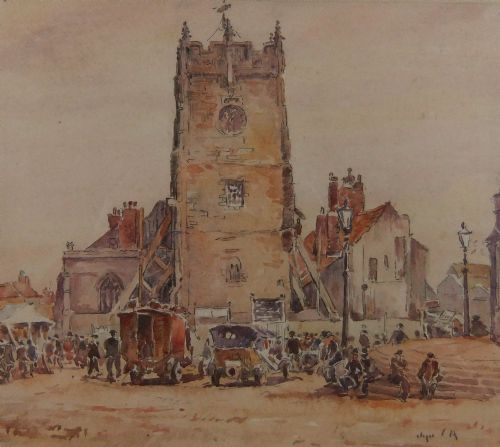
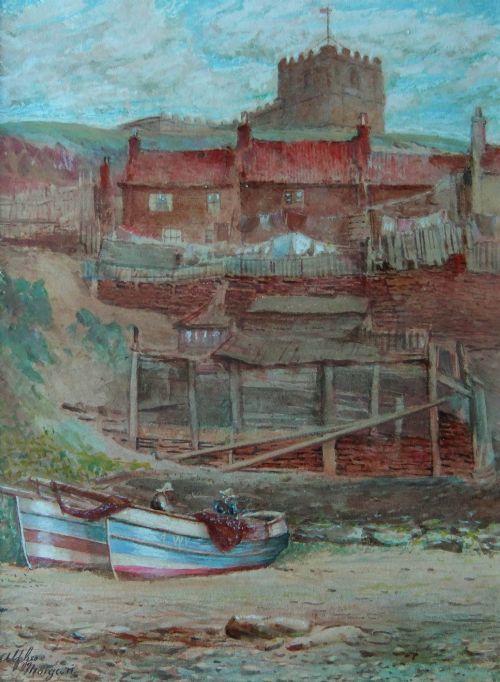
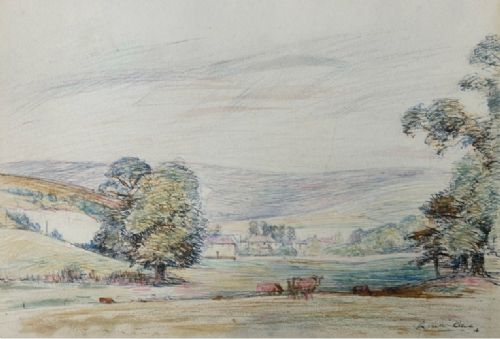
Traditional british watercolour art comprises works on paper spanning from the nineteenth century into the mid-twentieth century. These paintings frequently record rural landscapes, coastal scenes, and pastoral views across England, Wales, and Scotland.
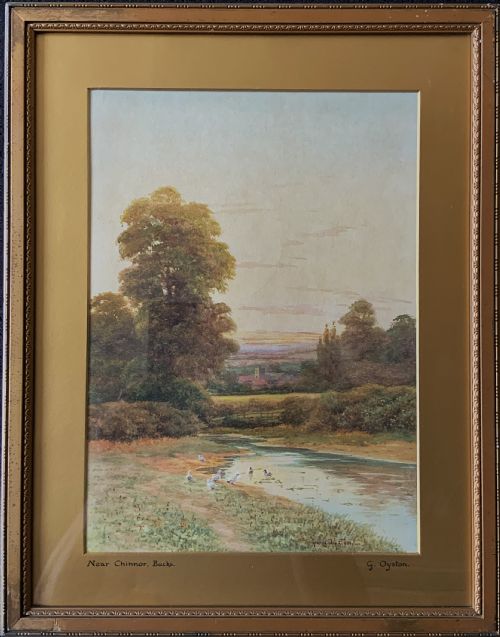
Buyers meet works originating from the Victorian and Edwardian eras, alongside later pieces created through the interwar period. The subjects range from bustling harbour towns to quiet river valleys and rural lanes.
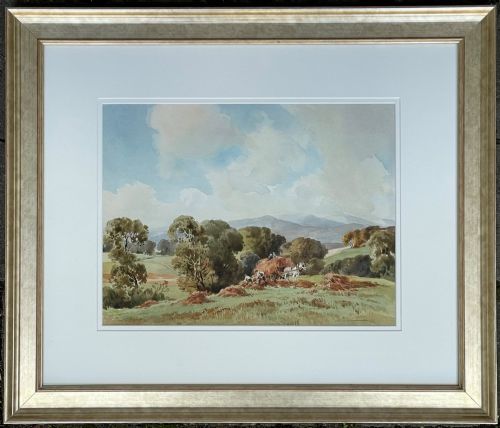
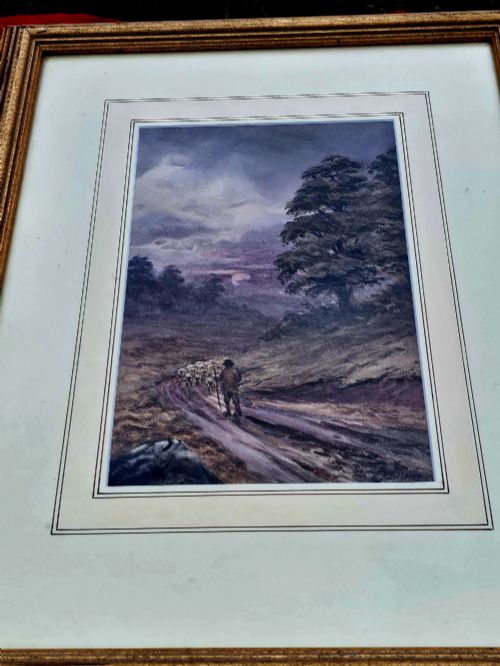
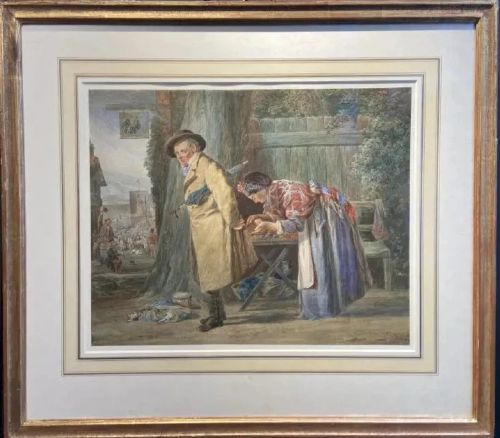
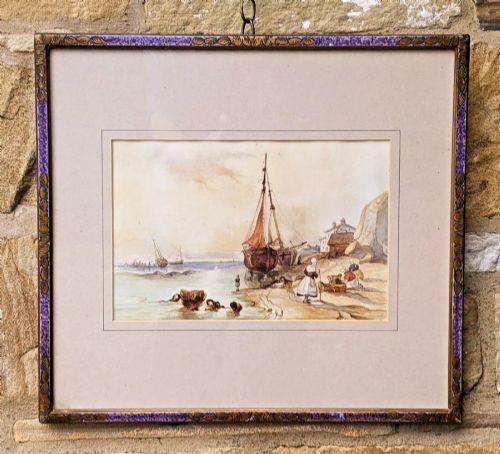
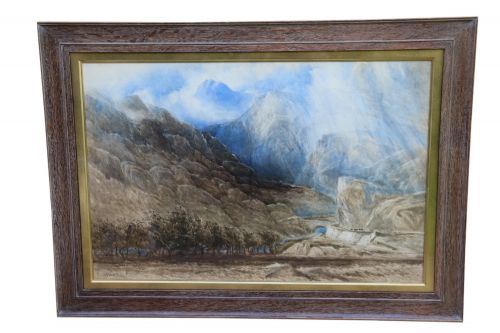
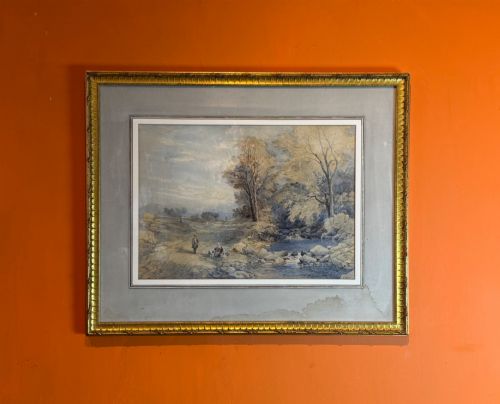
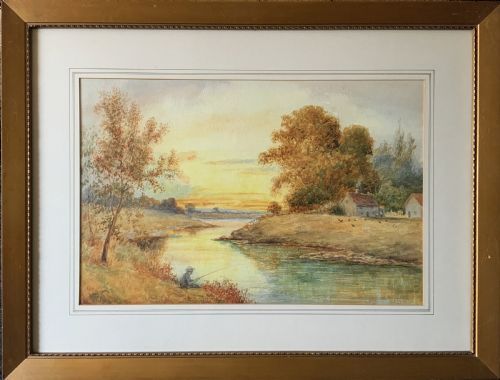
Most examples arrive framed behind glass in wooden mouldings that protect the delicate water-soluble pigments. The forms span from intimate rural sketches to finished topographical views.
How They Were Made
Artists applied watercolour pigment suspended in water directly onto heavy rag paper, allowing the white of the sheet to shine through translucent washes. Guilds and makers supplied varied paper textures that absorbed the pigment at different rates.
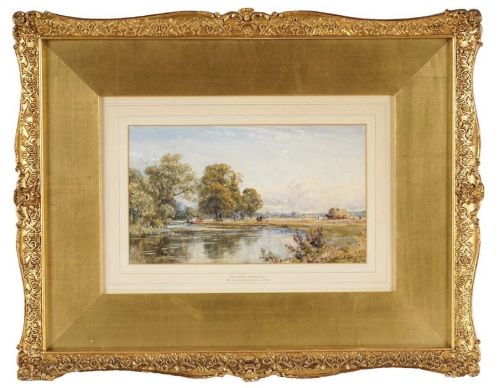
Makers framed the finished works behind glass within wood surrounds, occasionally utilising gilt detailing to edge the inner mount. This glazing protected the water-soluble paints from moisture and atmospheric dust.
Several artists preferred painting cows, sheep, and golf courses over grand historical events.
What Varies in Quality
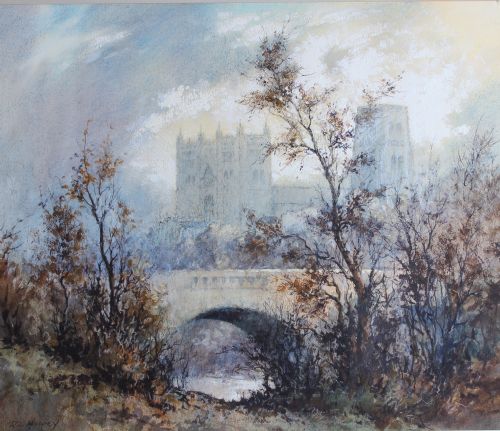
The strength of composition and the handling of atmospheric light separate accomplished works from routine topographical records. A skilled hand uses minimal pigment to suggest movement in water or the heavy dampness of an English morning.
The preservation of the paper and the purity of the original pigments dictate the visual impact of the painting. Works stored away from direct sunlight retain the subtle blues and greens that inferior storage fades.
Alfred Young Nutt·Percy Lancaster·William Banks Fortescue·George Oyston·Henry Barlow Carter·Theresa Stannard
The Traditional British Watercolour Art Glossary
- Watercolour pigment
- Finely ground colour particles mixed with a water-soluble binder. This medium allows artists to build translucent layers.
- Wash
- A fluid layer of diluted watercolour spread across the paper. Painters use washes to create skies and broad expanses of water.
- Pastoral
- A style of art depicting rural life and calm countryside scenes. These views often feature sheep, cottages, and rolling hills.
- Topography
- The detailed mapping and illustration of specific locations. Many nineteenth-century works served as accurate records of towns and rivers.
- Gilt
- A thin layer of gold leaf applied to wood framing. It provides a warm border around the painting.
Traditional British Watercolour Art: Frequently Asked Questions
How should I hang old watercolours?
Keep these paintings away from direct sunlight to prevent the pigments from fading over time. Indirect natural light in a dry room suits them best.
Ensure the wall does not suffer from dampness, as moisture damages both the paper support and the wooden frame.
Are these paintings signed?
Many examples bear the artist signature or initials, often placed in the lower corner of the sheet. Some works also include inscriptions naming the location on the reverse.
Unsigned pieces still appear frequently, identified instead through stylistic traits and period framing materials.
What framing is appropriate?
Period wood frames with simple profiles complement the traditional character of these works. Many retain their original Victorian or Edwardian mouldings.
Glazing remains essential to protect the paper surface from dust and accidental marking during everyday life.