


Traditional Brass Light Fitting
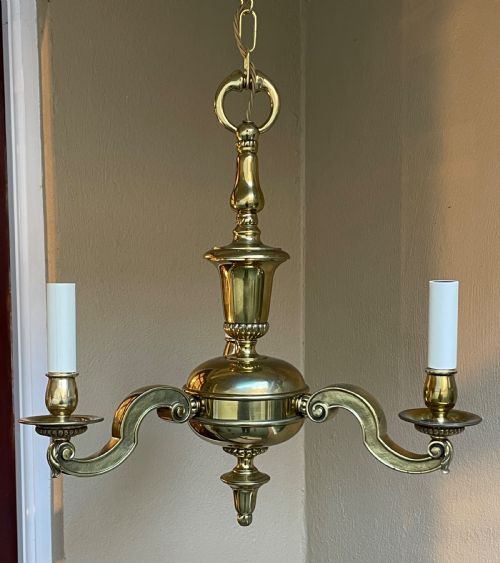
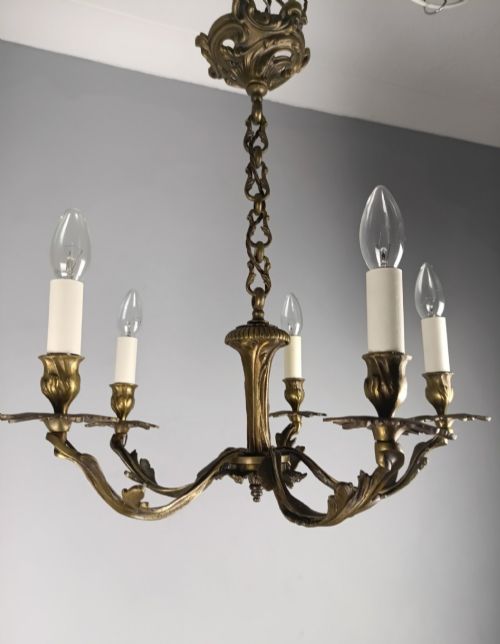
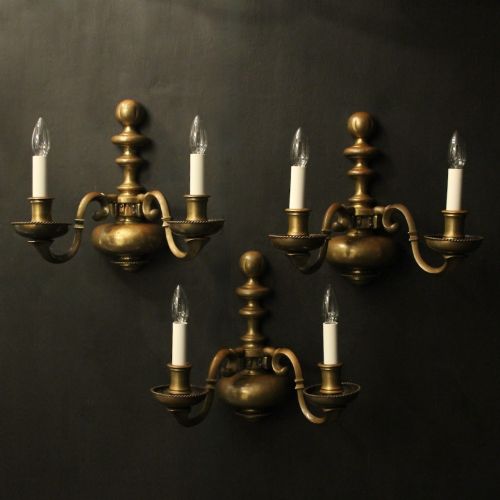
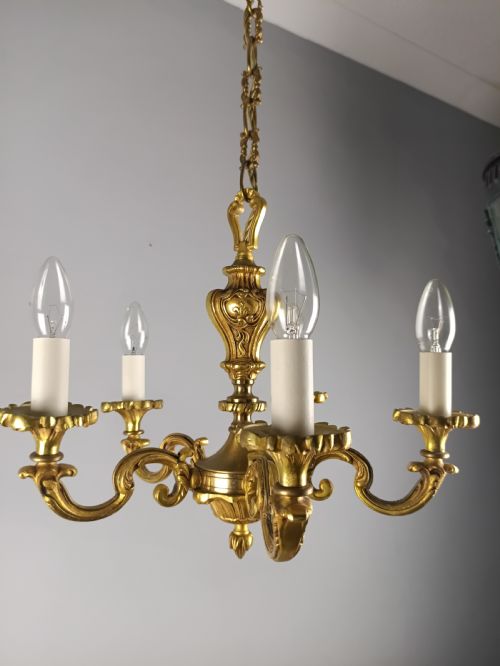
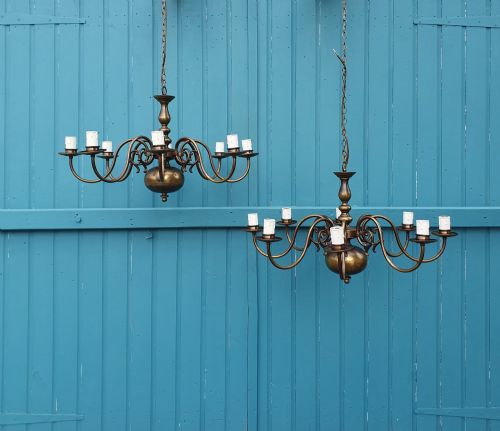
These traditional brass light fitting examples bring authentic period illumination and substantial metalwork character into a room.
What these pieces are
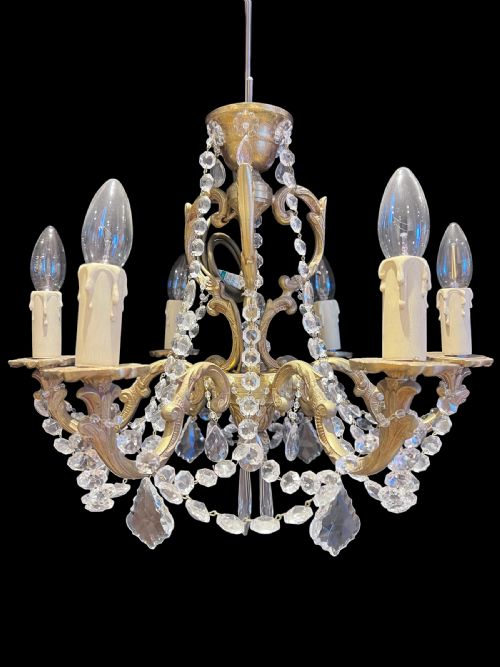
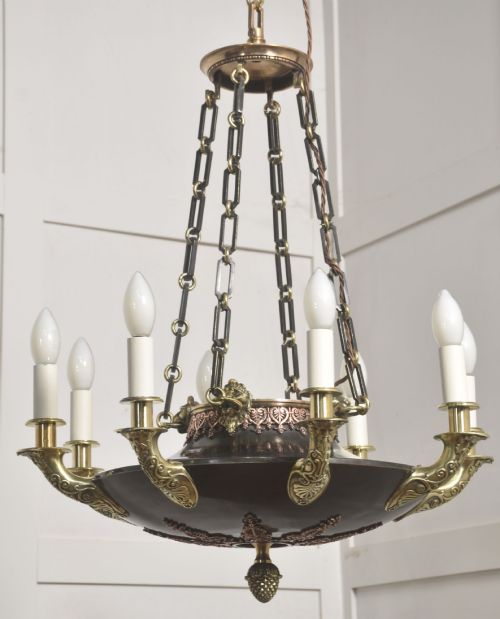
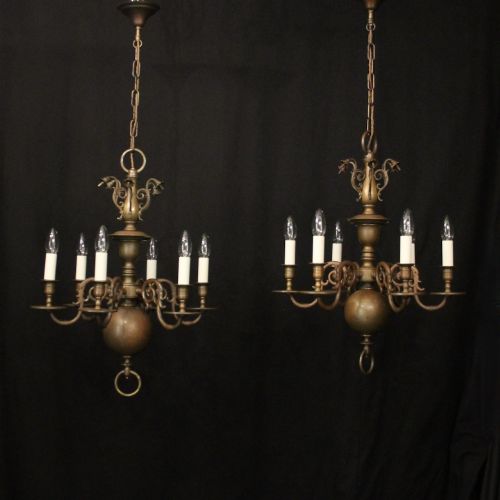
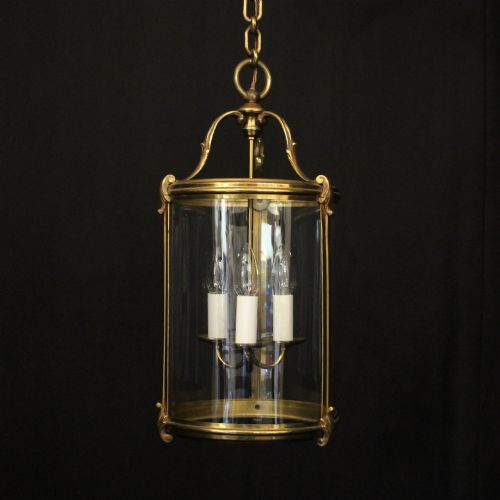
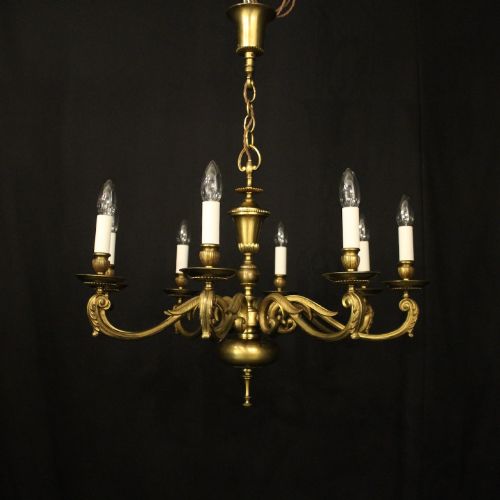
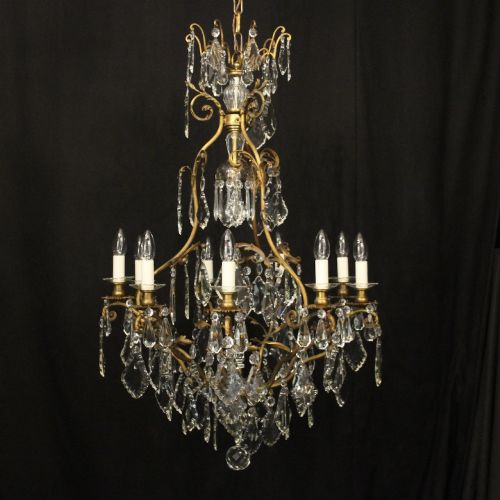
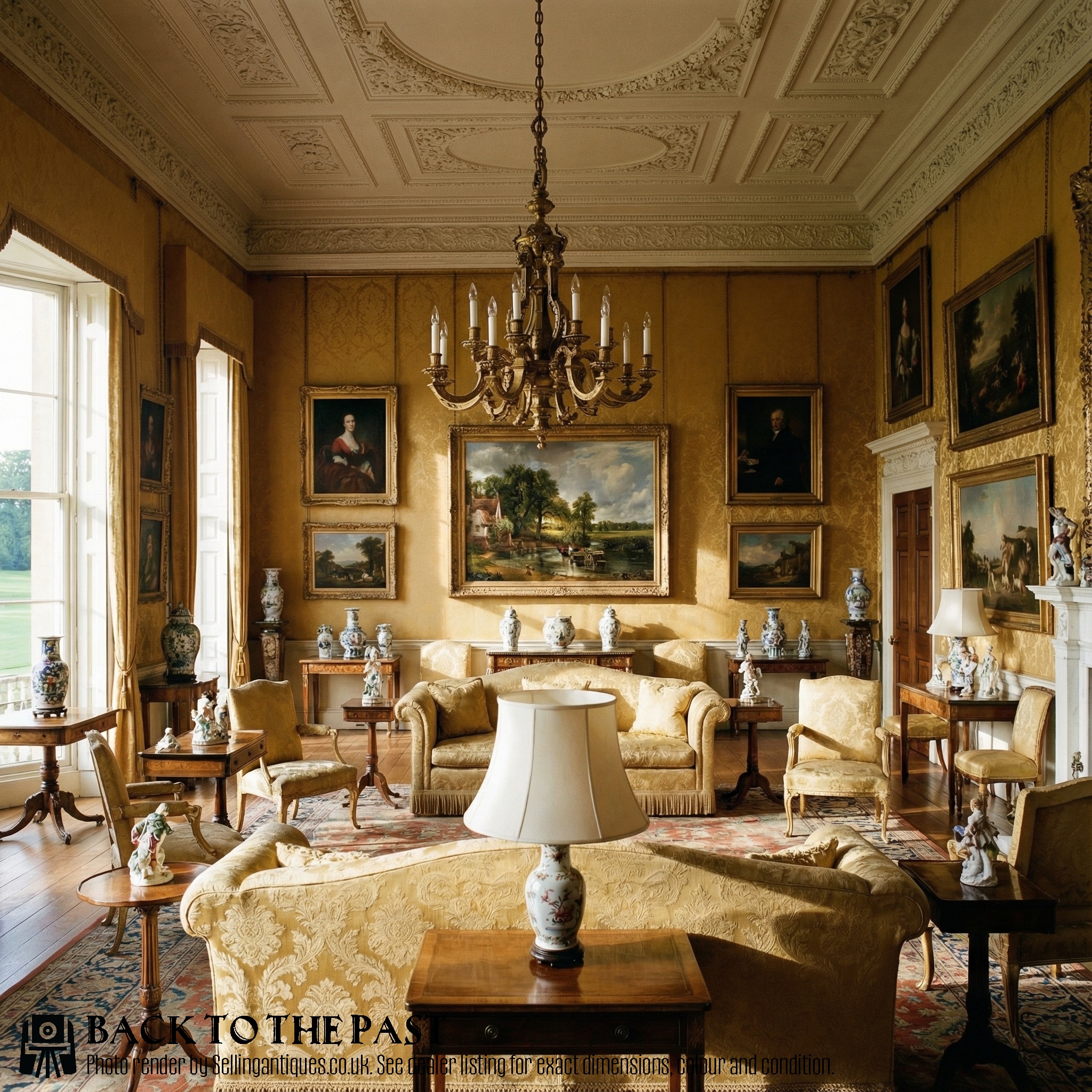
A traditional brass light fitting encompasses ceiling lights and multi-branched chandeliers spanning periods from the mid-nineteenth century through to the 1930s. Buyers searching for a traditional brass light fitting encounter formal styles such as French Rococo, Dutch Baroque, Louis XV style, and French Chateau designs.
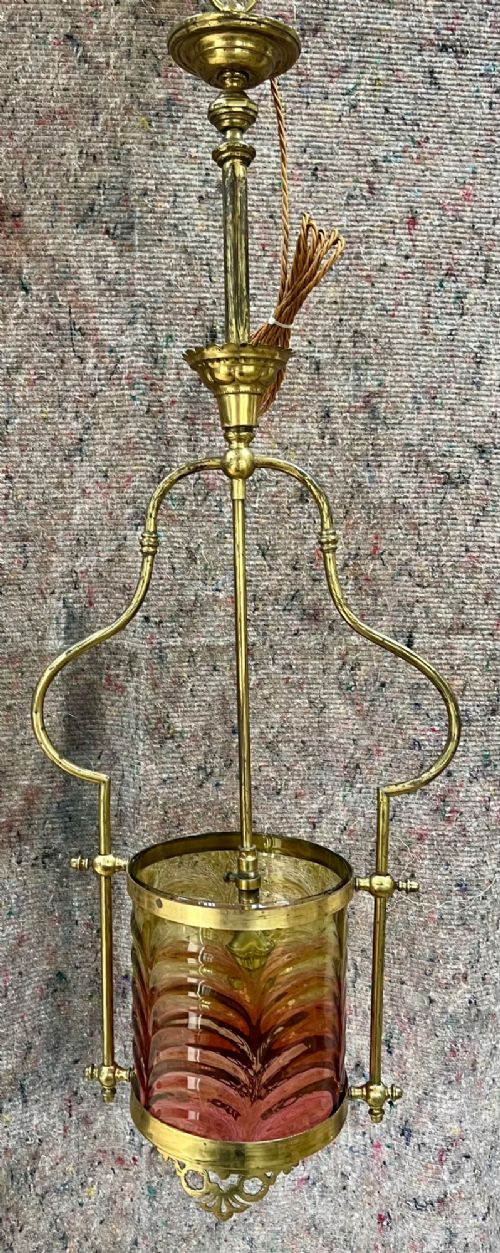
The selection ranges from intimate three-branch Edwardian fixtures to large sixteen-light double-tiered French gilded bronze chandeliers. Forms include gasolieres and multi-light ceiling suspensions incorporating brass, cast brass, copper, and gilt bronze elements.
How they were made
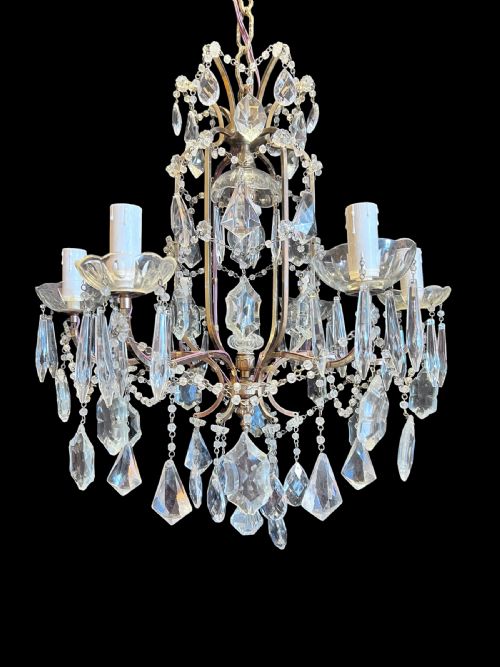
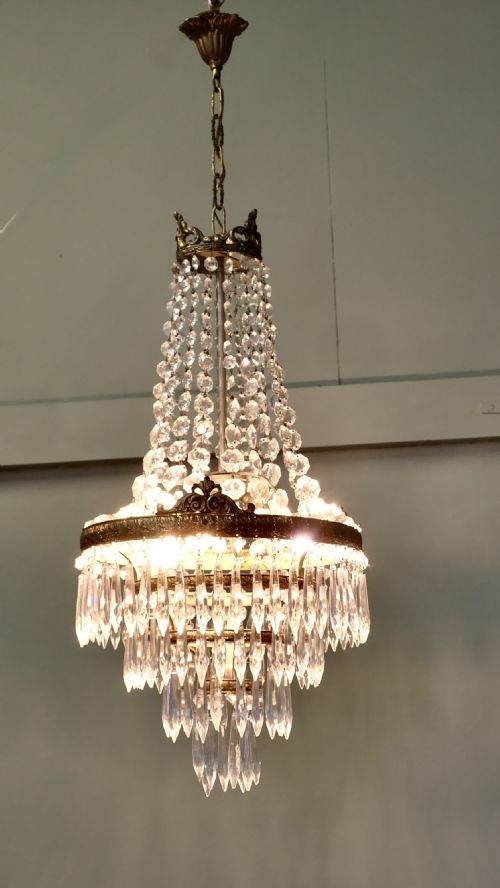
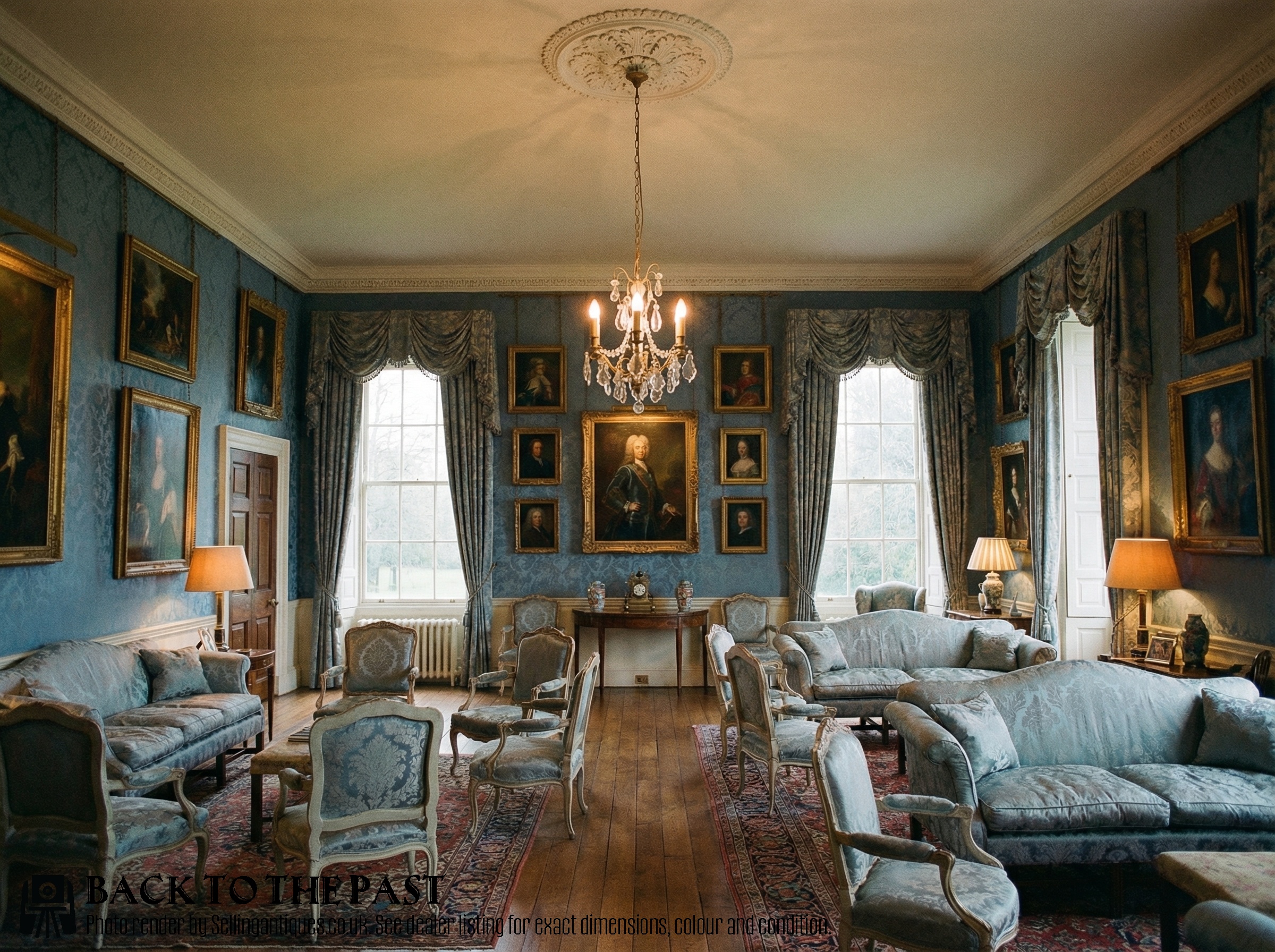
Construction relies on cast brass, gilt brass, gilt bronze, and copper formed into structural frames and decorative arms. Many pieces integrate cut glass and crystal drops to enhance the reflective properties of the metalwork.
Makers utilised traditional casting and metal-working techniques appropriate to each era, from mid-Victorian gasolieres to early twentieth-century French and Dutch revival styles.
Retail Price Guide 2026
Typical UK retail prices for traditional brass light fitting, calculated from the Sellingantiques database of over a million retail prices indexed since 2003. This retail price guide relies exclusively on Sellingantiques data; no external sources or auction records are used, so the figures do not describe the wider market.
The listings span Edwardian, Victorian, and 1930s periods, featuring brass, copper, crystal, and gilt bronze materials.
What varies in quality
Quality separates simple stamped or lightweight forms from heavy cast brass and gilt bronze assemblies that show deep chasing and refined proportions. The sophistication of the period revival style, whether Dutch Baroque or French Rococo, dictates the artistic merit of the metalwork.
The integration of high-grade cut glass or crystal elements and the retention of original gilding provide a clear distinction at the upper end of the range.
The Traditional Brass Light Fitting Glossary
- Gasoliere
- A ceiling light originally designed to burn coal gas before being adapted for electricity. These mid-nineteenth-century fixtures often feature elaborate brass arms.
- Chandelier
- A branched ceiling light suspended to illuminate large spaces. Traditional examples hold multiple lights across single or double tiers.
- Gilt Bronze
- Bronze metal that has been coated with a thin layer of gold. It offers a rich, durable surface finish seen on fine French pieces.
- Cast Brass
- Brass poured into a mould to create solid, highly detailed components. This technique allows for intricate surface ornamentation.
Frequently Asked Questions
How do I date a brass chandelier?
Dating relies on stylistic clues, construction methods, and materials such as the heavy cast brass or gilt bronze typical of 1930s French pieces compared to earlier Victorian gasolieres.
Examining the structural joints and the presence of original glass or crystal components helps narrow down the period from Edwardian to mid-nineteenth century origins.
Are these fittings wired for modern use?
Most antique ceiling lights require professional rewiring to meet contemporary safety standards before installation in a modern home.
Buyers should consult a qualified electrician to ensure the historical metalwork accommodates modern electrical fittings safely.
What is a gasoliere?
A gasoliere is an antique lighting fixture originally built for gas illumination prior to the widespread adoption of domestic electricity.
These mid-nineteenth-century pieces are subsequently converted to electricity while retaining their distinctive brass tubing and keys.
How do I clean antique brass?
Antique brass benefits from gentle dusting with a soft dry cloth to preserve the natural patina accumulated over the decades.
Aggressive polishes should be avoided to protect original surface treatments such as gilding or aged copper finishes.