





Classic Brass Hanging Lamp
These classic brass hanging lamp fixtures illuminate period interiors with cast metal and glass, offering a warm and enduring presence.
Classic Brass Hanging Lamp
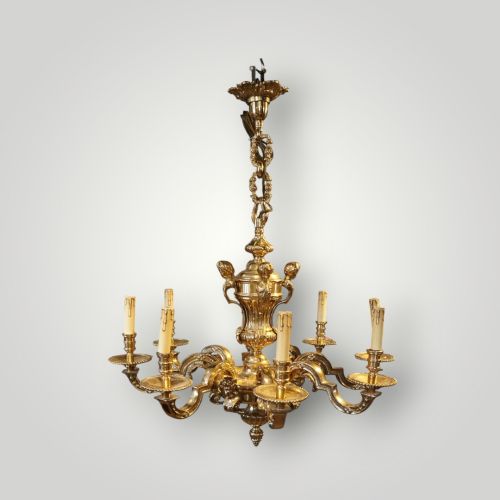
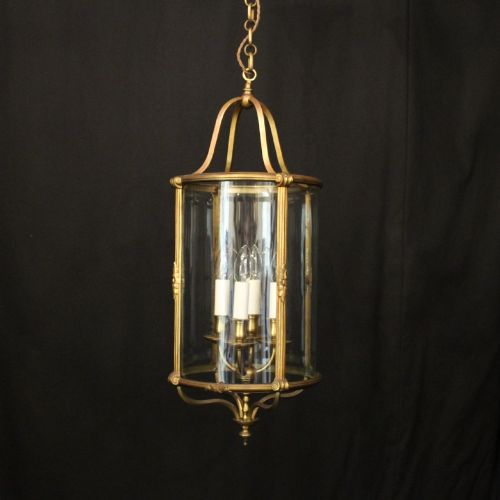
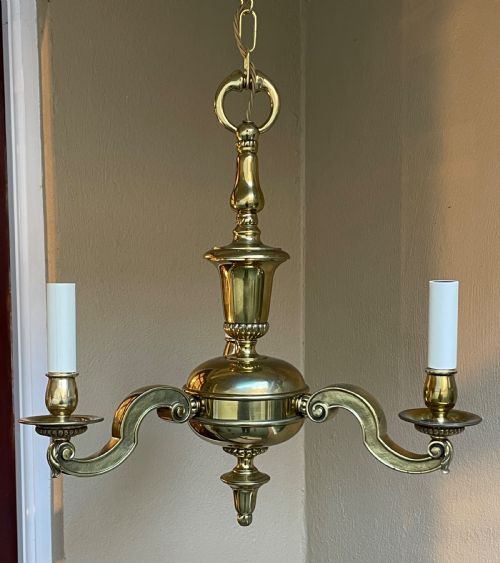
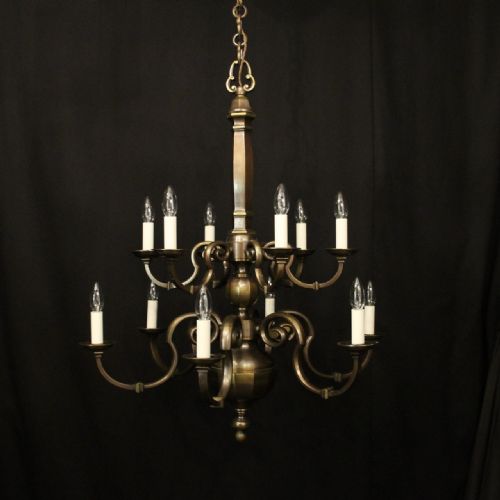
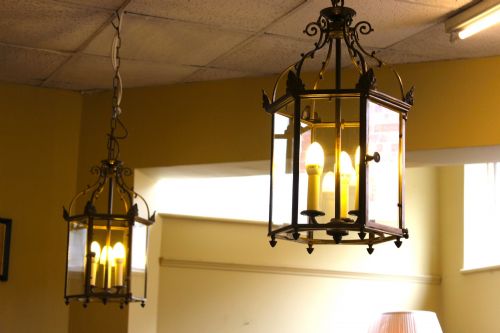
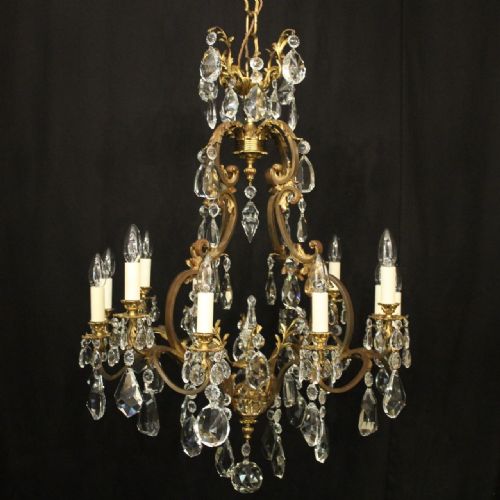
A classic brass hanging lamp takes many architectural forms, ranging from multi-branch chandeliers to hexagonal hall lanterns and pendant lights. When you search for this phrase, you encounter period lighting designed to suspend from the ceiling and light large rooms or hallways.
The pieces listed here date from the nineteenth century through the early decades of the twentieth century, including Edwardian examples and designs from the 1900s to 1930. French Neoclassical, Baroque Revival, and English Country styles dominate the selection.
You are most likely to meet multi-armed chandeliers and glazed bronze or brass lanterns among these listings. They originate from workshops across France, Britain, Italy, and the Netherlands, reflecting diverse regional tastes in domestic illumination.
Materials and construction methods
Foundry workers cast brass, bronze, and copper into structural frames and decorative arms, frequently applying gilt or ormolu finishes to the metal surface. Cast brass and cast bronze provide the heavy weight and rigid skeleton needed for multi-light chandeliers and hanging lanterns.
Glass panels enclose many of the hanging lanterns, while other fixtures integrate crystal drops alongside metal arms. Metalworkers assembled these components by hand, joining cast elements with threaded rods and pins to support multiple light branches.
A heavy bronze baroque palladian chandelier hangs ready to cast dramatic shadows across your ceiling just as it did a century ago.
Distinctions in manufacture and finish
Quality reveals itself in the crispness of the metal casting and the depth of the chased detail on bronze and brass components. Finer pieces display sharply defined ornamentation and substantial metal thickness rather than shallow, uniform pressing.
The handling of the surface finish separates standard production from superior work, particularly in the application of gilding or bronzed patination. Structural integrity in the arm junctions and suspension loops also marks the distinction between basic utility lighting and high-end decorative commissions.
G.E.C
The Classic Brass Hanging Lamp Glossary
- Ormolu
- Gilded bronze produced by applying a mercury and gold amalgam to a bronze base and heating it. This technique creates a durable golden surface frequently found on French decorative metalwork.
- Chandelier
- A branched ceiling-mounted fixture designed to hold multiple light sources. Period examples use heavy metal arms secured to a central column.
- Hall lantern
- An enclosed hanging light, often hexagonal or square, designed to illuminate entrance spaces. Glazed panels protect the interior burners or bulbs from drafts.
- Patina
- The surface sheen and coloration developed by metal over decades of exposure to air and handling. Collectors value an undisturbed patination for its historical honesty.
Classic Brass Hanging Lamp: Frequently Asked Questions
What is a classic brass hanging lamp?
It is a ceiling-suspended lighting fixture made primarily of brass, bronze, or copper, featuring multiple arms or a glazed lantern body. These pieces date from the nineteenth and early twentieth centuries.
They serve as the main overhead illumination source in period rooms, hallways, and dining spaces, combining structural metalwork with decorative styling.
How were these hanging lamps originally used?
Property owners suspended them from high ceilings in reception rooms, grand stairwells, and entrance halls to provide ambient light. They functioned as both practical illumination and architectural ornaments.
Many of these fixtures were later adapted from gas or candle power to electricity during the twentieth century, retaining their original metal frames.
How do I live with antique brass lighting?
Integrate them into modern or traditional interiors by hanging them at a correct height over dining tables or within open hallway spaces. Ensure your ceiling wiring can support the substantial weight of cast bronze and brass.
Maintain the metal surfaces with gentle dusting rather than harsh chemical polishes to preserve the historical surface finish and accumulated patina.
How do I tell Edwardian lamps apart from earlier styles?
Edwardian lighting often incorporates lighter proportions and touches of neoclassical revival, sometimes showing attribution to large commercial makers of the era. Earlier nineteenth-century pieces tend to feature heavier cast bronze structures with French Baroque or Empire decorative vocabularies.
Looking closely at the casting crispness and mounting hardware helps distinguish between nineteenth-century production and early twentieth-century interpretations.