
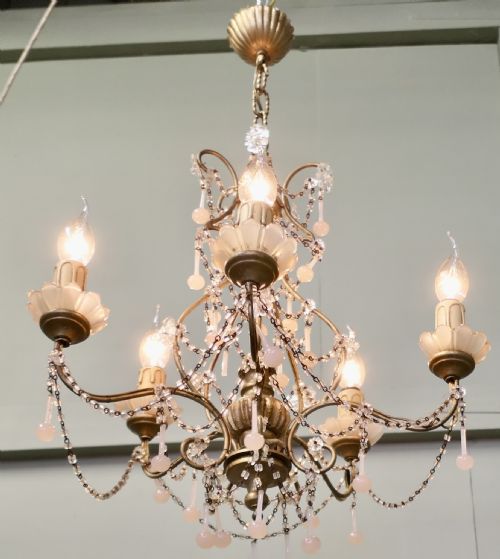

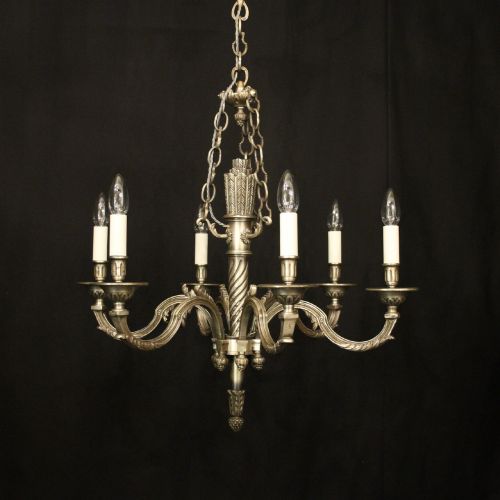
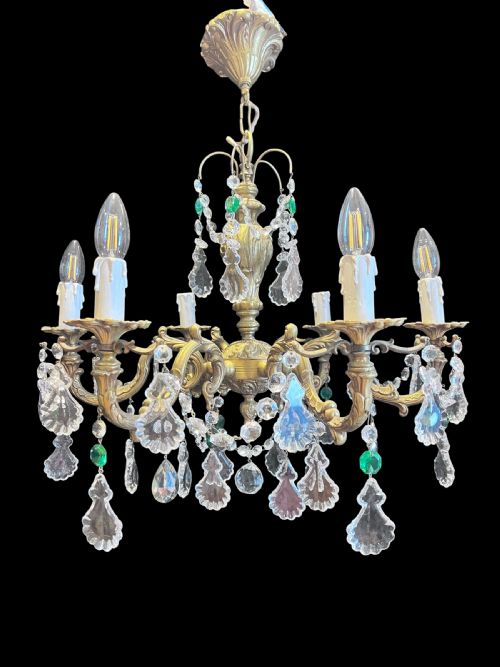


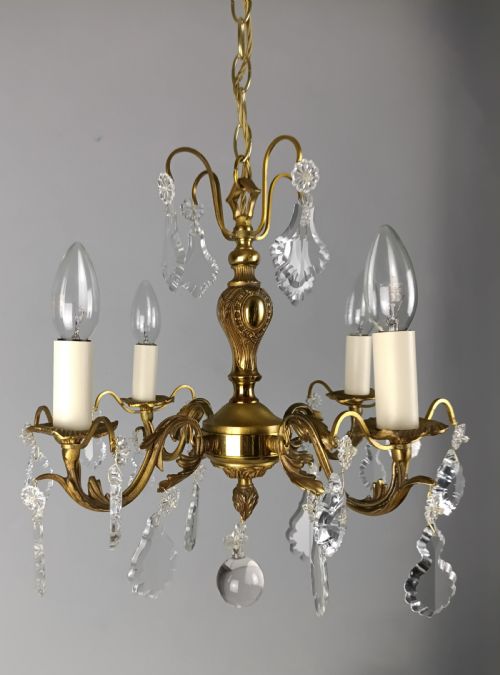


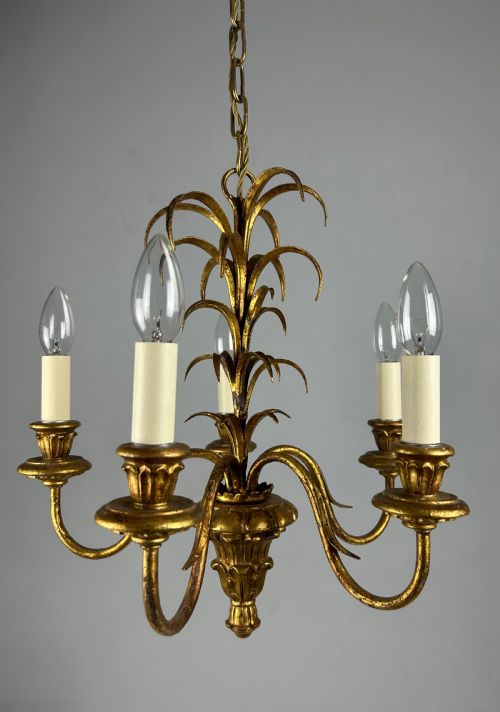

Brass Branch Pendant
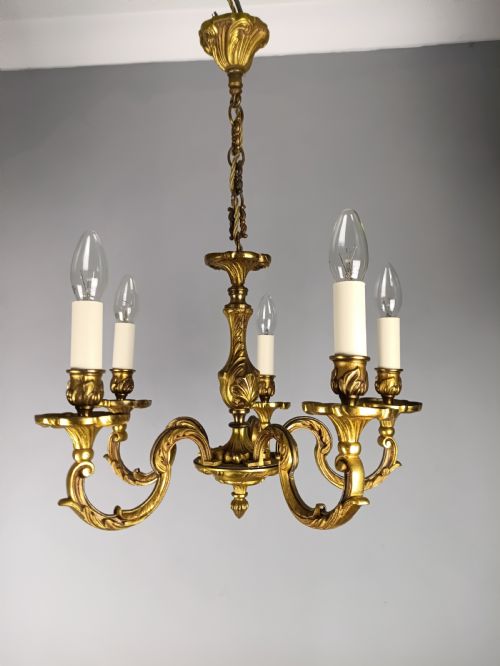
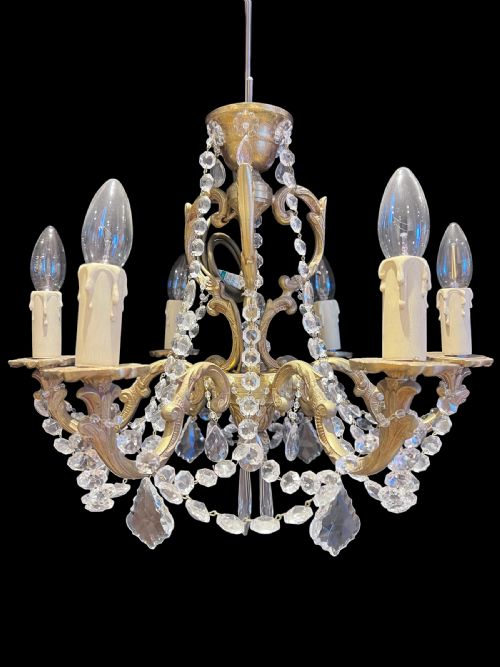
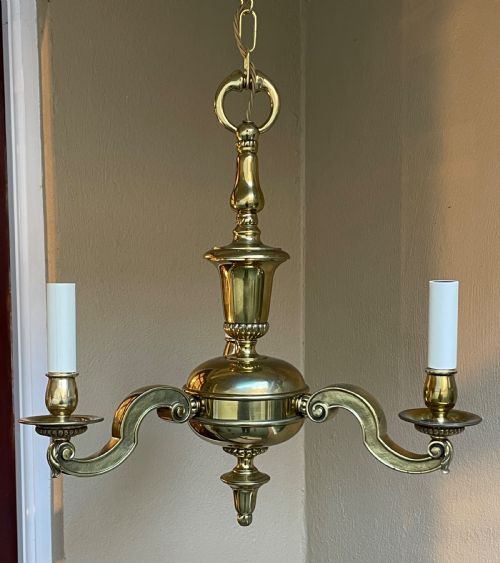
These brass branch pendant fixtures bring elaborate metalwork and suspended illumination into a room, drawing the eye upwards with period character.
Brass Branch Pendant
A brass branch pendant is a multi-armed ceiling light designed to distribute illumination across a space using cast or shaped metal arms branching from a central column. Buyers searching for a brass branch pendant will encounter numerous French and Dutch interpretations spanning the Victorian era through the 1930s.
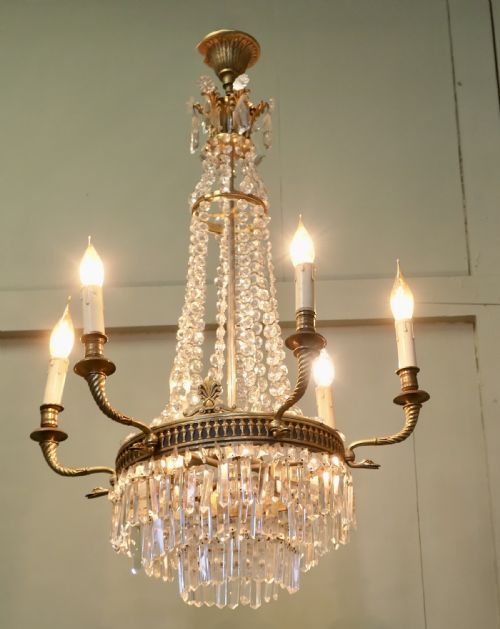
The selections on this page lean heavily towards multi-light chandeliers and ceiling fixtures featuring three to twelve branch configurations. Common stylistic influences include French Empire, Rococo, and Dutch Baroque revivals, utilising branching metalwork ornamented with leaves, crystals, and tiered drops.
Most examples originate from the late nineteenth century up to the 1930s, offering solid brass, gilt bronze, and ormolu finishes. These hanging fixtures function as primary overhead lighting sources in period interiors, dining rooms, and hallways.
Materials and construction methods
Foundries produced these ceiling fixtures primarily through casting brass, bronze, and gilt metal into structural arms and decorative mounts. Artisans frequently chased and filed these metal components by hand to sharpen details such as acanthus leaf motifs.
Glass and crystal elements complement the metallic structure, ranging from cut crystal pendants and draped waterfalls to coloured glass beads and Venetian art glass bowls. Gilt finishes were applied through mercury gilding or modern electroplating depending on the production period.
Materials documented across these listings include solid brass, gilt bronze, ormolu, cut crystal, and coloured glass.
Factors influencing quality
The crispness of the metal casting dictates the initial visual appeal, where deeply chased acanthus leaves and sharply defined ornament separate superior branch forms from softer, repetitive factory output. Heavier gauge brass and solid bronze components provide structural rigidity that lighter pressed metal alternatives lack.
The integration of hand-cut crystal drops and complete sets of matching glass components elevate a fixture's standing. Superior examples maintain original surface gilding and patination rather than poorly executed modern repainting.
The Brass Branch Pendant Glossary
- Ormolu
- A gilded bronze technique utilising finely ground gold mercury amalgam applied to a bronze base. This process creates a rich, durable golden surface seen on high-end French chandeliers.
- Acanthus
- A classical foliage ornament modelled after the leaves of the Mediterranean acanthus plant. Found cast into the metal mounts and arms of period lighting.
- Tent and waterfall
- A configuration where strings of crystals form an upper tent shape above a cascading cluster of lower drops. This arrangement maximises light refraction across the room.
- Gasolier
- A dual-purpose or converted hanging light originally designed to burn coal gas before widespread electrification. These fixtures often feature heavier brass tubing to accommodate historical gas lines.
- Billiards light
- An elongated multi-arm ceiling fixture engineered to illuminate a specific gaming table. These typically feature a linear arrangement of branches rather than a circular spread.
Brass Branch Pendant: Frequently Asked Questions
How do I clean my chandelier?
Dust the metal and crystal elements regularly using a soft feather duster or microfiber cloth to prevent grime accumulation.
For deeper cleaning, remove delicate glass components and wash them in warm soapy water before drying thoroughly and reattaching.
Are these lights compatible with modern wiring?
Many vintage fixtures have been rewired to meet contemporary electrical standards while preserving their original exterior appearance.
Buyers should consult a qualified electrician to inspect internal wiring and ensure safe installation on standard ceiling boxes.
How do I date a brass branch pendant?
Dating relies on stylistic clues, casting techniques, and mounting hardware rather than a single maker's mark. Victorian and Edwardian examples often display heavier cast components, whereas 1930s pieces may incorporate simpler geometric or Hollywood Regency touches.
Examining the screw threads, chain links, and canopy styles provides further context for the exact period of manufacture.
What ceiling height is required?
Hanging heights vary according to the drop of the specific pendant and the proportions of the room it occupies. Most multi-arm chandeliers require standard room heights to allow adequate clearance underneath for foot traffic and furniture placement.