




Dutch Style Ceiling Fixture
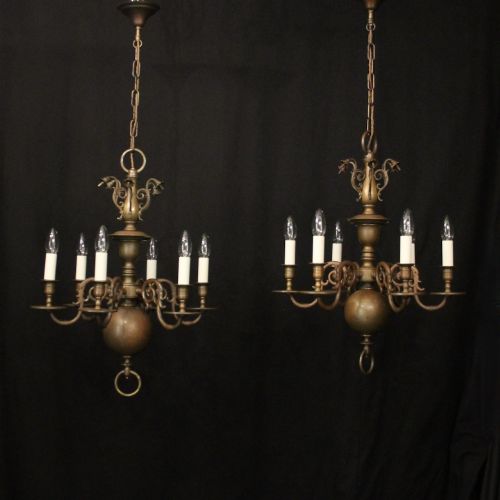
These heavy metal branch chandeliers deliver grand historical presence, making a dutch style ceiling fixture an essential centrepiece for high-ceilinged rooms.
Dutch Style Ceiling Fixture
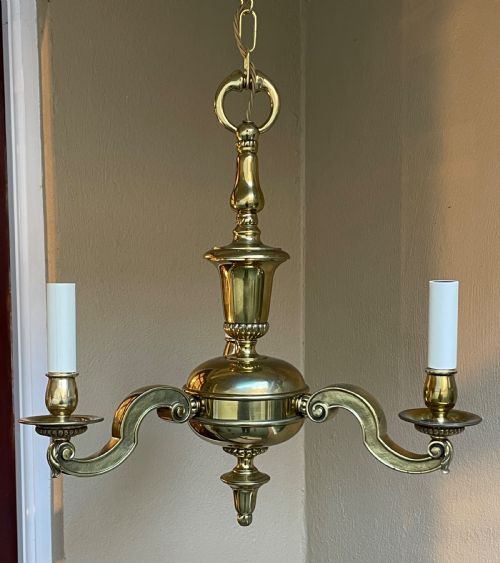
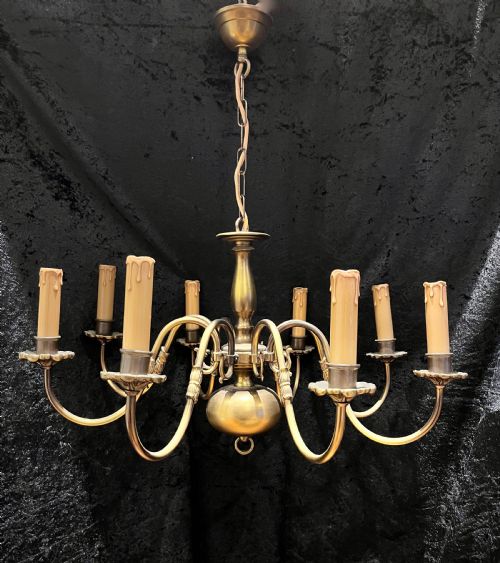
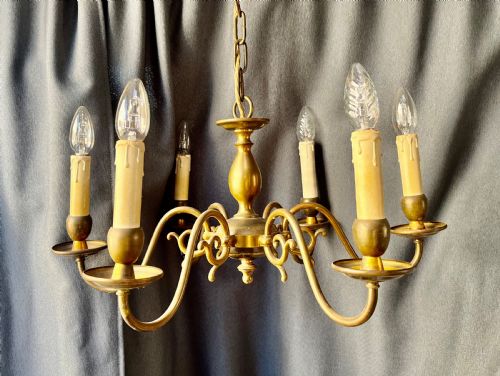
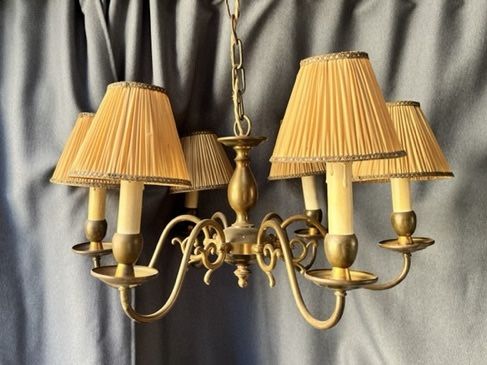
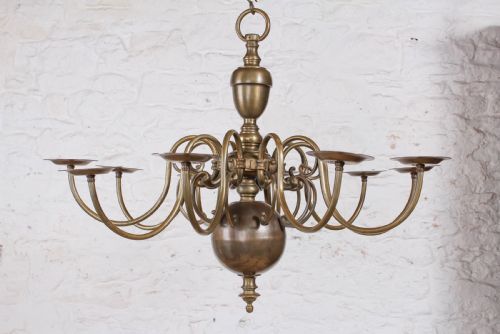
A dutch style ceiling fixture takes the form of a brass or bronze chandelier, spanning multi-branch lighting formats from three-arm variants up to twelve-branch two-tier compositions. These hanging lights derive their character from historical European forms, specifically drawing upon Dutch Baroque, Flemish Renaissance, and Victorian revival aesthetics.
The pieces appearing on this page range chronologically from late nineteenth-century productions and Edwardian interpretations through to early twentieth-century examples, alongside interpretations referencing the eighteenth century. Buyers most frequently encounter cast brass and solid brass multi-armed pendants dating around nineteen-twenty.
Formations typically include curving arms radiating from a central baluster stem, holding multiple candle-style lights or fittings. Copper elements and silver-plated surfaces also occur alongside the predominant brass and bronze material palette.
Materials and Construction
Makers utilised cast brass, solid brass, and bronze as primary structural metals, shaping arms and central stems through traditional casting and metalworking techniques. Copper and silver plate appear as surface variations, lending distinct metallic tones to individual chandeliers.
Construction methods rely heavily on multi-component assembly, joining individually cast branches and tiered sections around a central turned or cast core. The resulting metal framework supports several electrical or candle-adapted light points without compromising structural balance.
Listings feature brass, bronze, copper, and silver plate across periods spanning the eighteenth through to the early twentieth century.
Assessing Quality and Execution
Quality rests in the crispness of the metal casting and the complexity of the chandelier's tiering and arm configuration. Finer examples display deeply detailed turning on the central baluster and clean joinery where the radiating arms meet the core.
Heavier gauge brass and bronze provide a more substantial presence than lighter alternatives, while balanced proportions across multi-tier formats distinguish superior pieces from simpler utilitarian pendants.
The Dutch Style Ceiling Fixture Glossary
- Baluster stem
- The central vertical column of a chandelier, often shaped with ornamental turning or vase-like profiles. This structural backbone supports the radiating arms.
- Cast brass
- Molten brass poured into a mould to create solid, shaped components. This method allows for intricate detailing on chandelier arms and central hubs.
- Two tier
- A chandelier layout featuring two distinct horizontal rows of light-bearing arms arranged vertically. This configuration creates greater visual volume and increases the total light count.
- Flemish Baroque
- A decorative style originating in Flanders during the seventeenth century, characterised by robust curves and ornate metalwork. It heavily influences many revival chandeliers.
Dutch Style Ceiling Fixture: Frequently Asked Questions
How do I clean a brass chandelier?
Dust the metal surfaces regularly with a soft, dry cloth to prevent grime accumulation. Avoid harsh chemical polishes that strip historical patination from the brass.
For deeper cleaning, use a mild soapy solution on a damp cloth, drying immediately to prevent water spots on the metal.
What rooms suit a multi-arm pendant?
These large hanging fixtures require rooms with generous ceiling height to allow proper clearance beneath the lowest tier. Dining rooms and entrance halls provide ideal spatial proportions for multi-branch chandeliers.
Ensure the diameter of the chandelier matches the scale of the furniture positioned below it.
How do I date a revival chandelier?
Examine the casting quality, fastening methods, and wiring channels to determine the era of manufacture. Revival pieces from the early twentieth century often mimic eighteenth-century forms closely.
Consult the recorded period markers in the listing details to verify the age of construction.