


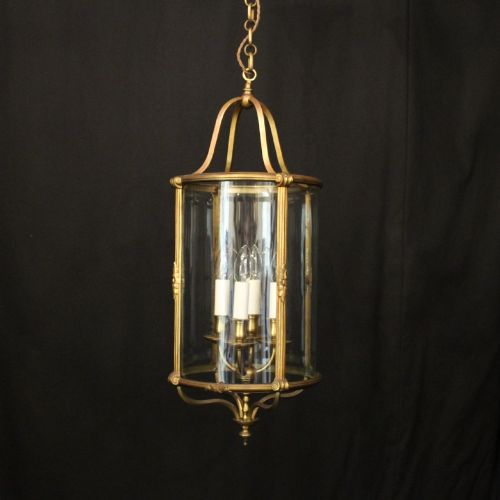
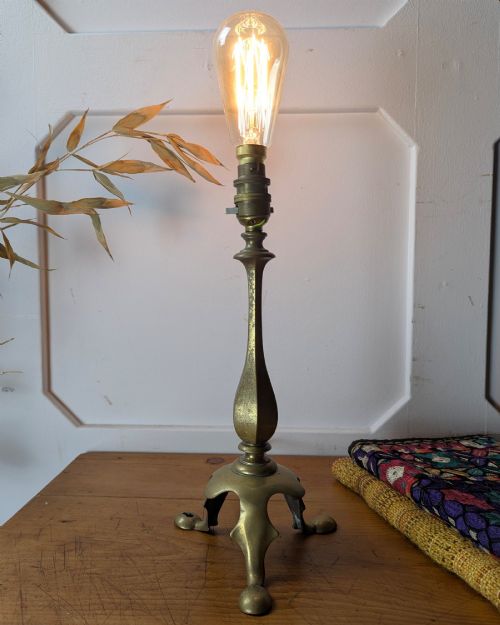
Traditional Brass Lamp
These traditional brass lamp examples combine period metalwork and period illumination, offering lasting utility for desks, tables and floors.
Traditional Brass Lamp
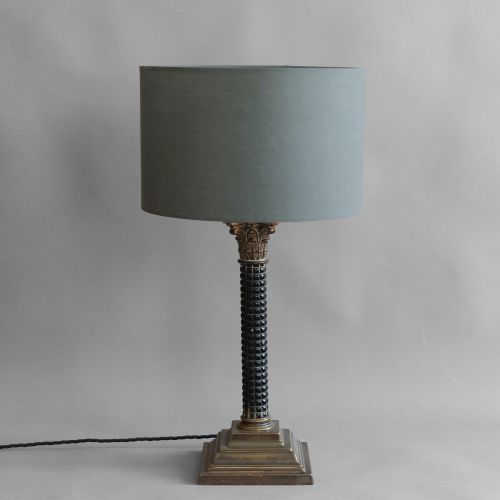
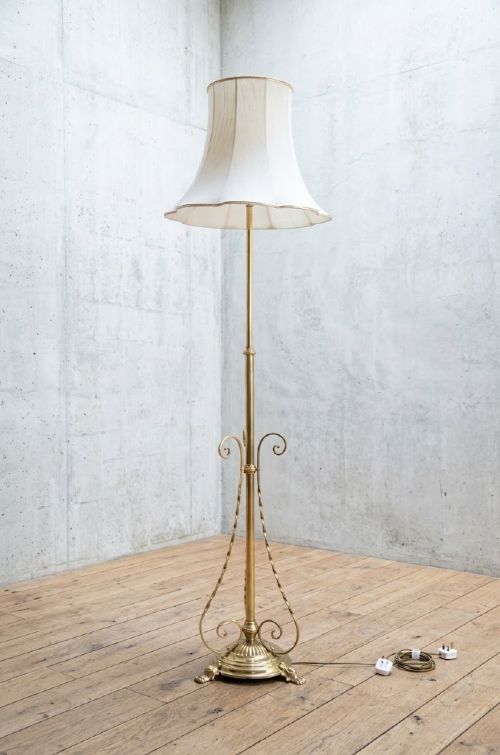
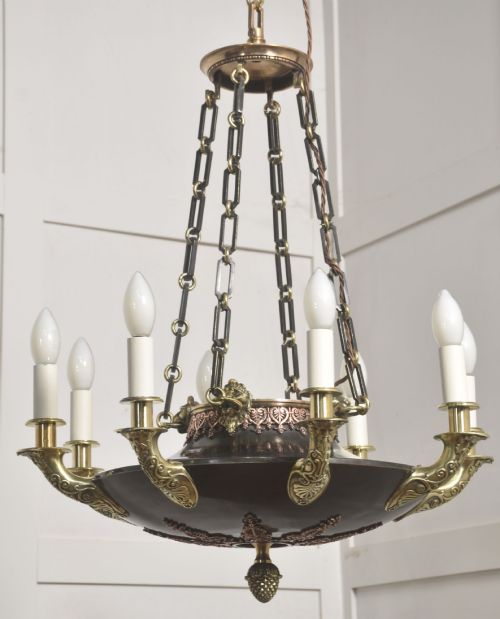
When you search for a traditional brass lamp, you encounter lighting fixtures spanning the Victorian, Edwardian and early twentieth century periods, alongside eighteenth century revival pieces. The selection includes tall standard lamps, adjustable desk lights, columnar table lamps and converted oil lamps.
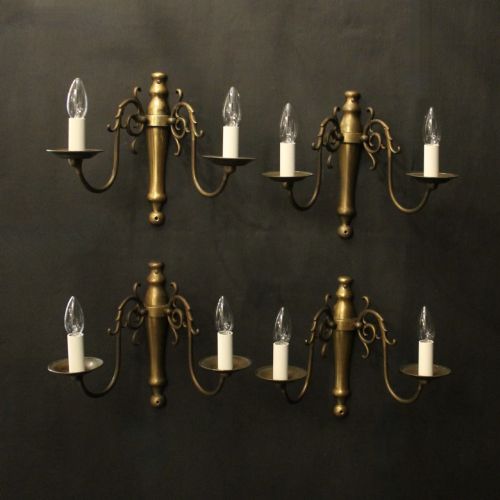
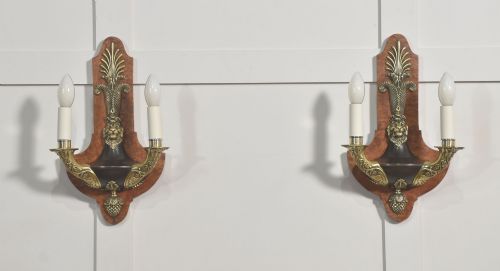
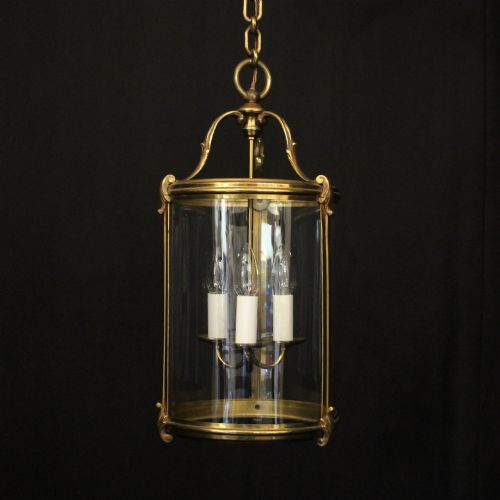
Table lamps and standard lamps dominate the offerings, often featuring classical columns like the Corinthian order or industrial reading angles. Alongside these stand wall lights, chandeliers and desk lamps incorporating glass, crystal and fabric elements.
How they were made
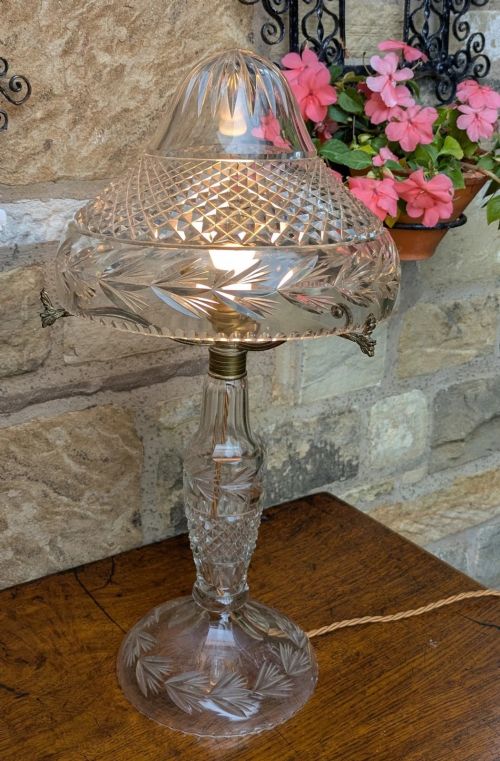
Makers utilised cast brass, sheet brass and gilt bronze, often combining metal bodies with cut crystal, glass shades or toleware components. Standard lamps and desk lamps frequently incorporated adjustable brass stems, telescopic mechanisms and weighted bases for stability.
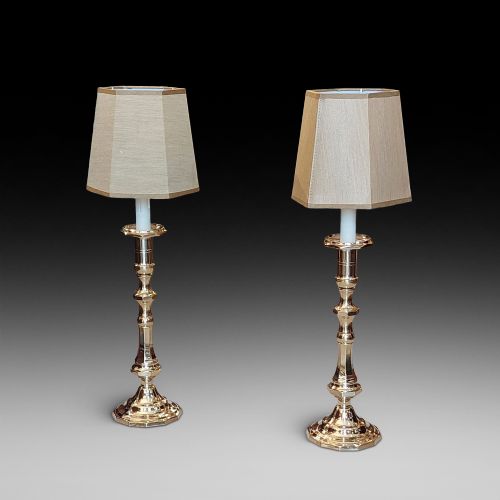
Surface finishes varied from polished and cast brass to gilded bronze and copper accents, paired with fabric shades or opaline glass fittings. Many pieces show the heavy gauge metal characteristic of Victorian and Edwardian manufacturing techniques.
Listings feature brass alongside glass, fabric, crystal, copper and gilt bronze.
What varies in quality
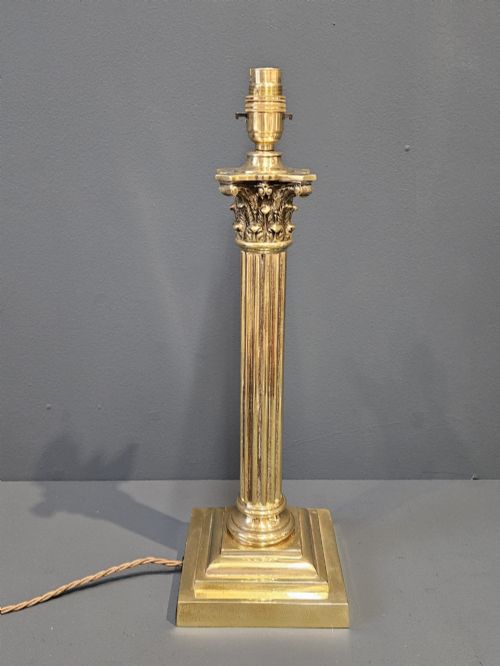
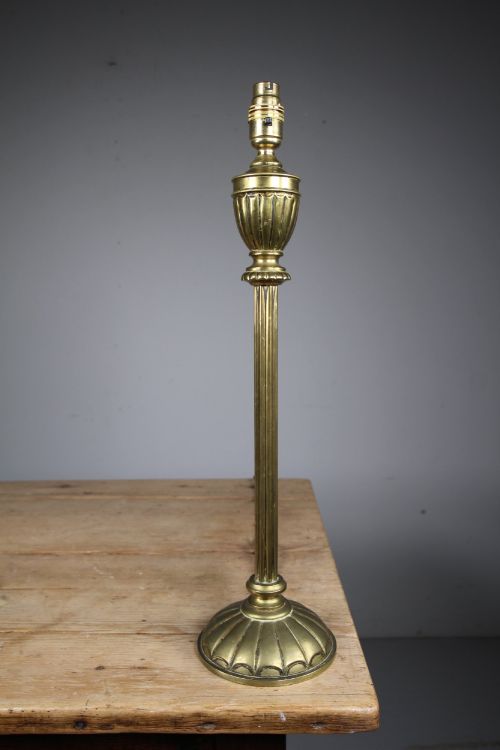
Quality rests in the crispness of the brass casting, particularly on Corinthian capitals, reeded columns and cast bases. Heavier gauge metal and substantial weighting distinguish superior standard and table lamps from lighter alternatives.
The sophistication of the mechanical adjustments, such as telescopic rises or twin-angled reading arms, separates standard production pieces from finer workshop examples. Preservation of the original surface patination and gilding further defines the better items in this range.
The Traditional Brass Lamp Glossary
- Standard Lamp
- A tall floor-standing lamp designed to illuminate a room from a corner or beside seating. These often feature adjustable height mechanisms or heavy cast bases.
- Corinthian Column
- A classical architectural column form featuring ornate acanthus leaf decoration at the capital. This style appears frequently on nineteenth century table lamps.
- Student Lamp
- An adjustable desk or table lamp originating in the nineteenth century for focused reading. They typically include a single burner or bulb arm extending from a central reservoir or stem.
Traditional Brass Lamp: Frequently Asked Questions
How do I date a brass lamp?
Dating relies on stylistic clues, manufacturing techniques and wiring methods associated with periods like the Victorian era or the Edwardian years. Heavy cast brass components and conversion evidence from oil to electricity often point to nineteenth century origins.
Simpler geometric lines and adjustable reading arms commonly indicate early twentieth century production. Examining the construction of the base and any makers' stamps helps narrow the decade of manufacture.
Were these lamps originally electric?
Many older examples began life as oil lamps, gas lighting or candle holders before conversion to electricity during the twentieth century. Standard lamps and desk lamps frequently show evidence of burner assemblies adapted for modern wiring.
Converted pieces retain their original mechanical height adjustments and heavy reservoirs, which now serve as stable bases for electrical cords.
How do I clean antique brass?
Maintenance requires gentle dusting with a soft cloth to protect the underlying metal surface and any historic patination. Avoid harsh chemical polishes that strip away the aged character accumulated over decades.
If cleaning is necessary, use mild soapy water on a damp cloth, drying the metal immediately afterwards to prevent spotting.
Where should I place a standard lamp?
Standard lamps suit corners of living rooms, beside reading chairs or next to side tables where they provide ambient or task lighting. Tall floor models balance high ceilings and fill dark zones in traditional interiors.
Adjustable variants allow you to direct illumination downward for reading or upward for general room brightness.