


Traditional Brass Hearth Decor
Traditional brass hearth decor brings warmth and utility together through centuries of metalwork designed to manage an open fire.
Traditional Brass Hearth Decor
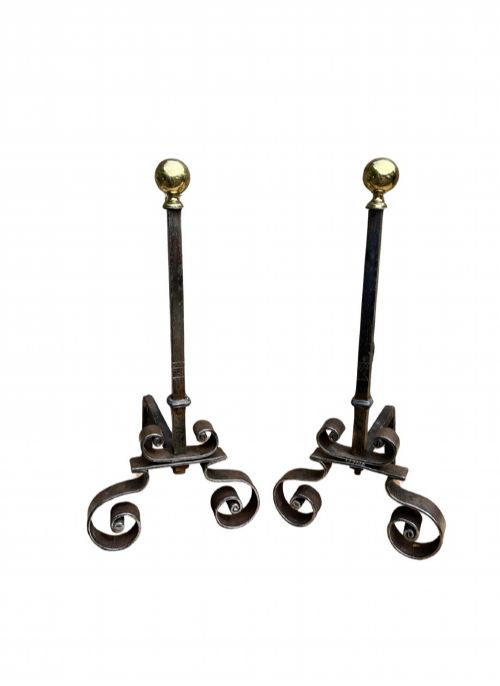
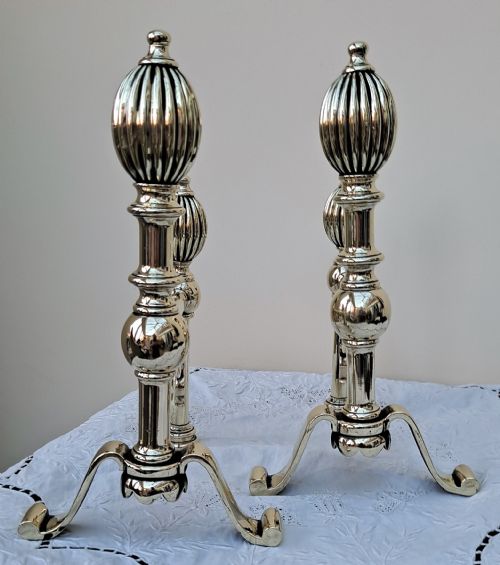
Traditional brass hearth decor encompasses functional items designed for coal, wood and ash management around the fireplace. These pieces include firedogs, coal scuttles, bellows and warming pans spanning from the eighteenth century into the Victorian era.
English and French origins dominate the selections, showing domestic utility combined with decorative casting and repousse work. Each object served a daily purpose in heating the home before central heating systems took over.
Materials and construction methods
Makers utilised cast brass, sheet brass and copper to form bodies, lids and mounts, often combining these metals with wrought iron frames for strength. Handles frequently incorporate turned wood or leather to insulate against heat.
Casting, hammering and riveting define the construction of coal scuttles and warming pans, whilst firedogs display detailed cast and gilt brass ornamentation. Decoration includes embossed scenes, such as shepherd boy motifs on bellows, and rococo scrolling.
Antique bellows often feature a humble shepherd boy watching over the fire from his brass-embossed perch.
Assessing quality in hearth equipment
Quality rests upon the weight of the metal and the crispness of the cast or hand-hammered details. Thicker gauge brass and well-defined decorative motifs indicate superior workshop production rather than mass manufacture.
The integrity of joints, hinges and riveted connections determines how well a piece survived active use by the fireside. Original components, such as turned wooden handles and matching shovels, elevate the integrity of the surviving object.
The Traditional Brass Hearth Decor Glossary
- Andirons
- Supports used in a fireplace to elevate logs so that air can circulate underneath for a better burn. They often feature decorative brass fronts.
- Coal scuttle
- A bucket or box designed to hold coal for the fireplace, frequently shaped like a helmet with a hinged handle and a matching shovel.
- Warming pan
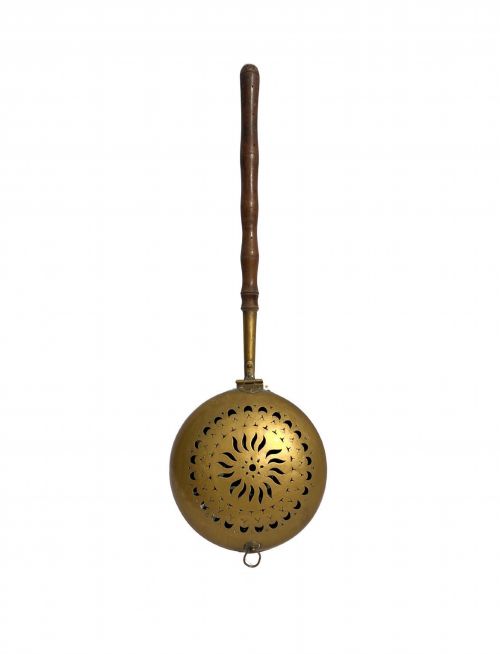
- A long-handled metal pan filled with hot embers and passed between bedsheets to warm the mattress before sleeping.
- Chenet
- The French term for firedogs or andirons, frequently seen in rococo styles with gilt brass mounts.
- Repousse
- A metalworking technique where the metal is hammered from the reverse side to form a raised design on the front.
Traditional Brass Hearth Decor: Frequently Asked Questions
What is the difference between andirons and fire dogs?
Andirons and fire dogs are essentially the same objects, used interchangeably to support logs within an open hearth. The term fire dog tends to appear more often in descriptions of French or earlier decorative pairs.
Both items feature a horizontal billet bar supported by upright ornamental fronts, which traditionally display brass casting or iron forging.
How were copper and brass warming pans used?
A warming pan was filled with hot coals taken directly from the fireplace and secured with a lid. The user then slid the pan back and forth between cold bedsheets.
The long wooden handle provided leverage and safety while warming the bed before nightfall in unheated rooms.
How do I clean antique brass hearth items?
Cleaning antique brass requires caution to preserve the historic patina built up over generations of use. Gentle washing with warm soapy water removes soot and dust without stripping the character.
Avoid harsh chemical metal polishes that remove the aged surface and reduce the visual depth of the metal.
Are coal scuttles still useful today?
Coal scuttles serve as practical storage containers for modern fireplace kindling, logs or peat briquettes. Their hinged lids and handles make them functional accessories beside a working hearth.
Many collectors also display helmet scuttles purely as decorative objects in living spaces without active fires.