
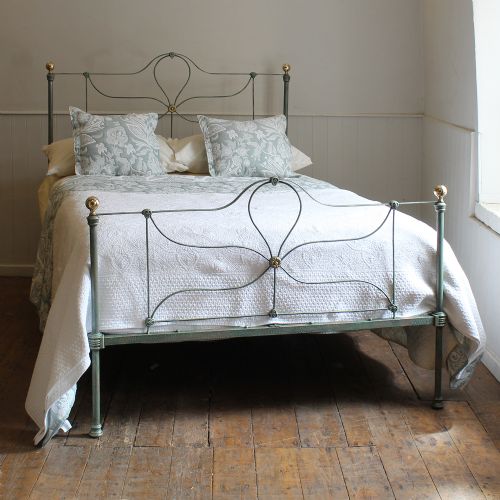
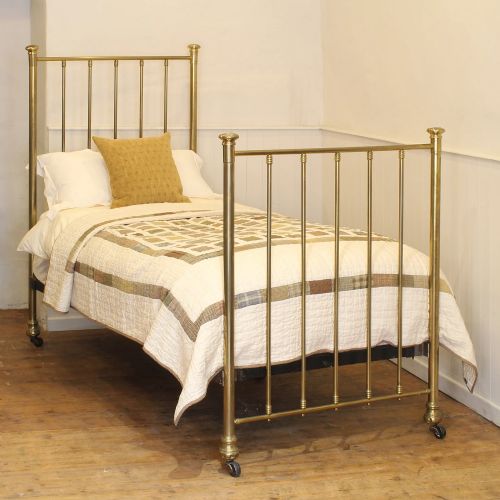
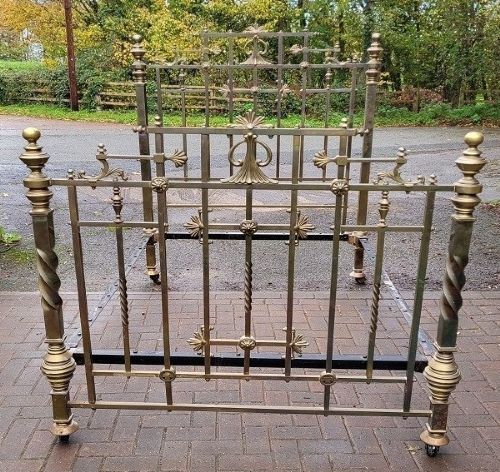
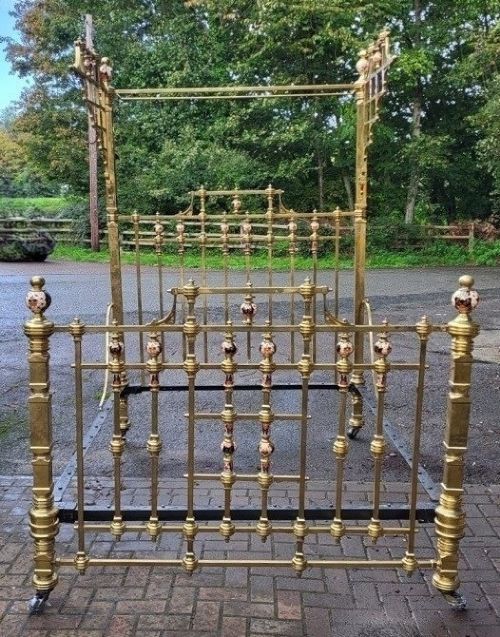


Traditional Brass Headboard
A traditional brass headboard brings warmth and period character to a bedroom, drawing on nineteenth and early twentieth century designs.
Traditional Brass Headboard
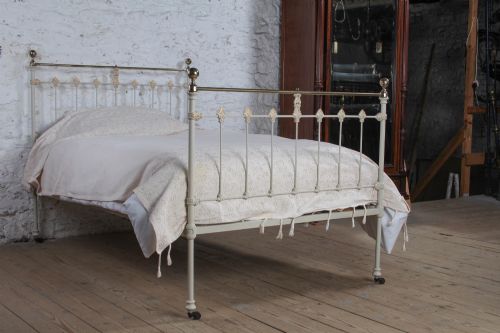
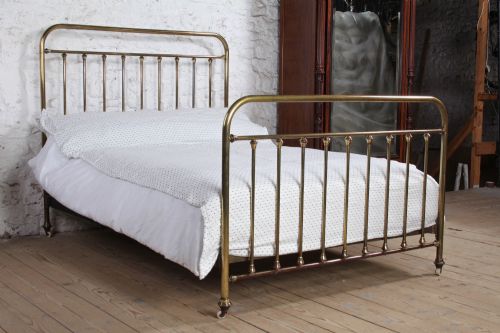
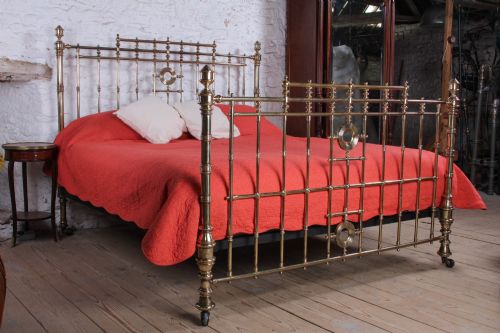
When you search for a traditional brass headboard, you are looking at framing elements and bedstead components originating primarily from the Victorian and Edwardian eras. These pieces bridge the gap between historic bedframes and modern sleeping arrangements, utilising surviving antique components or classic proportions.
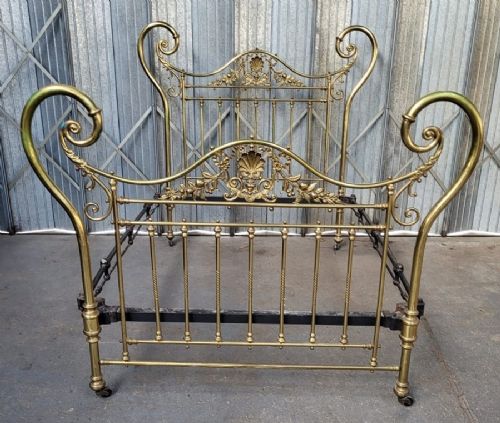
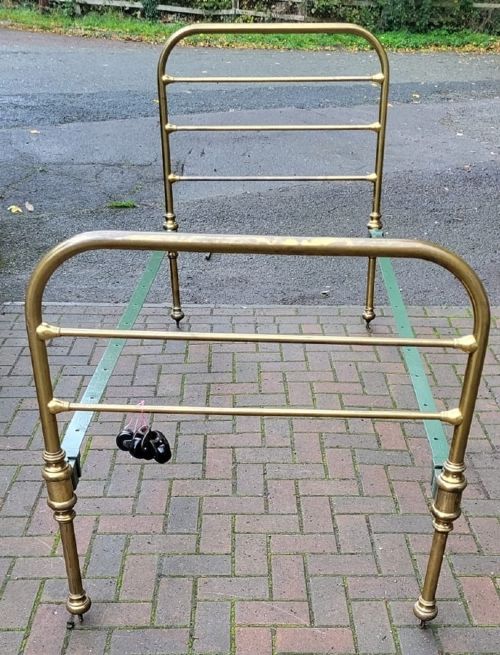
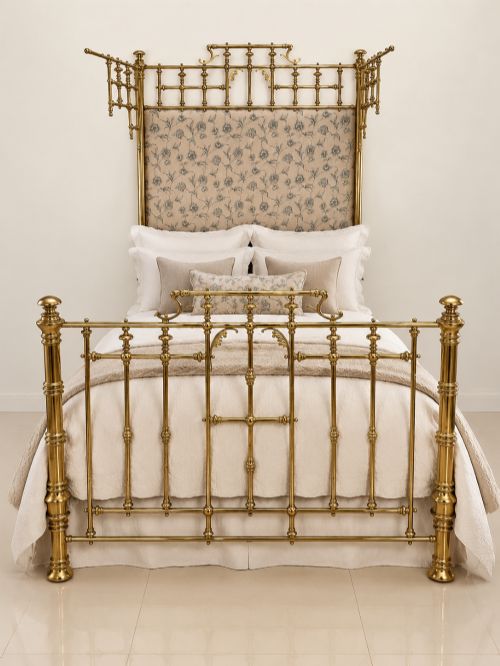
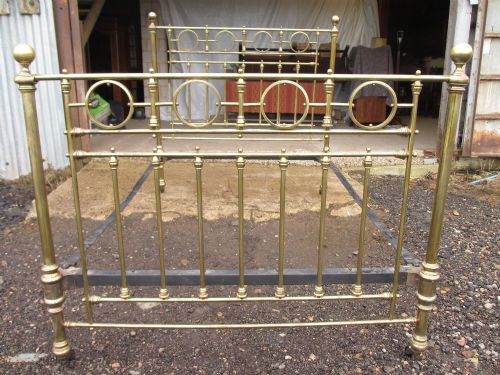
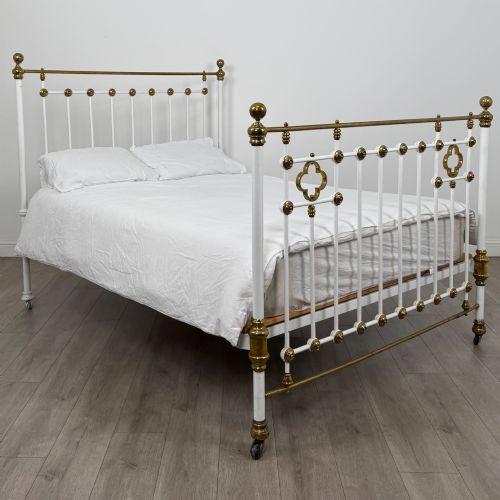
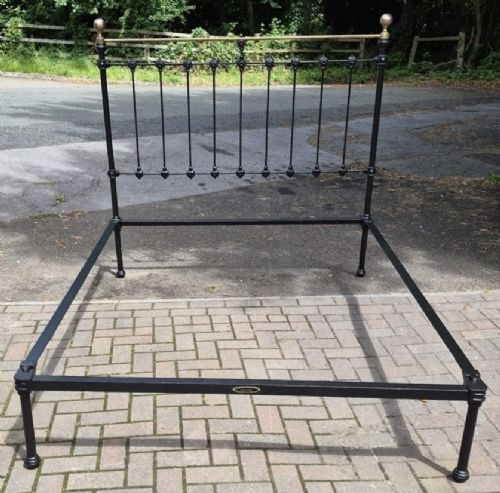
The versions you meet most often on this page take the form of full bedsteads and bed frames spanning single, double, king, and super king sizes. They originate from periods ranging from eighteen sixty through to nineteen ten, capturing styles from simple straight rails to ornate Gothic Revival and Art Nouveau forms.
Makers and manufacturers of the period utilised combinations of brass and iron, incorporating ceramic elements and painted finishes into robust frames. A traditional brass headboard embodies this heritage, offering a distinct focal point rooted in nineteenth century metalwork.
Materials and construction methods
Makers constructed these frames using solid brass tubing and cast iron, often combining the two metals to ensure structural integrity while maintaining a decorative appearance. Iron provided the heavy internal support and slot-in side rails, while brass formed the prominent visible headboards and footboards.
Surface treatments included polished brass, paint in cream and ivory tones, and ceramic components set into the metalwork. Joints were secured with robust cast fittings, and many pieces were mounted on castors to ease movement across nineteenth century floors.
Several pieces include original castors, allowing your nineteenth-century bed to glide smoothly across the floor.
Distinctions in quality and execution
Quality in these pieces rests on the weight of the metal, the crispness of the cast ornamentation, and the originality of the components. Exhibition quality items display superior detailing on the posts and rails, alongside maker marks from established firms.
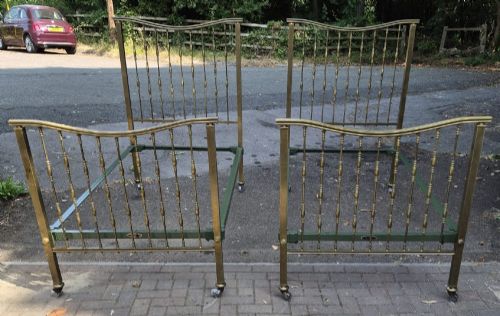
Simpler domestic models rely on plainer iron and brass combinations with standard turned finials. The integrity of the original joints and the preservation of the surface finish distinguish superior examples from heavily restored or later adapted frames.
Maple & Co·Hoskins & Sewell·Winfield·James Shoolbread & Co·RW Winfield
The Traditional Brass Headboard Glossary
- Bedstead
- A framework of a bed upon which the mattress is supported. It includes the headboard, footboard, and side rails.
- Half Tester
- A bedstead featuring a partial canopy extending over the head of the bed. This form creates a distinct architectural presence within a room.
- Dip Rail
- A top rail on a headboard that curves downwards toward the centre. This profile is frequently seen on Edwardian and late Victorian designs.
- Cast Iron
- An iron-carbon alloy poured into moulds to create decorative and structural components. It provides weight and rigidity to the base frames.
- Finial
- A decorative ornament fixed to the top of bed posts. Makers shaped these in brass or cast metal to cap the vertical members.
Traditional Brass Headboard: Frequently Asked Questions
How do I fit a modern mattress?
Many traditional frames accommodate standard modern sizes through adjusted side rails or custom-made supporting slats.
Check the internal width and length measurements provided in the listing to ensure your mattress sits securely within the antique irons.
Are brass and iron beds sturdy?
These frames rely on heavy cast iron internal structures and bolted joints, making them exceptionally robust.
When properly assembled with their original slot-in side rails, they offer stability comparable to modern bedframes.
How do I clean antique brass?
Maintenance involves gentle dusting and occasional wiping with a soft cloth to preserve the aged patina.
Avoid harsh chemical metal polishes unless you wish to remove the historic surface darkening accumulated over the decades.
How do I date a brass bed?
Dating relies on stylistic clues such as the presence of Aesthetic Movement motifs, Art Nouveau curves, or simple Edwardian dip rails.
Maker stamps and patent marks found on the cast iron joints also help pinpoint the period of manufacture.