


Traditional Brass Handles
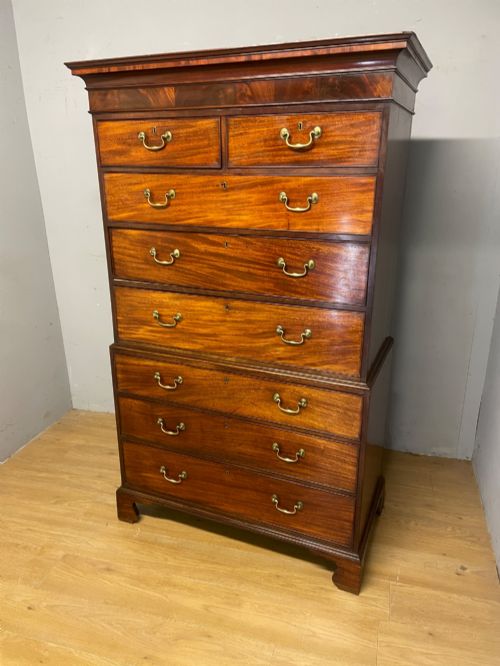
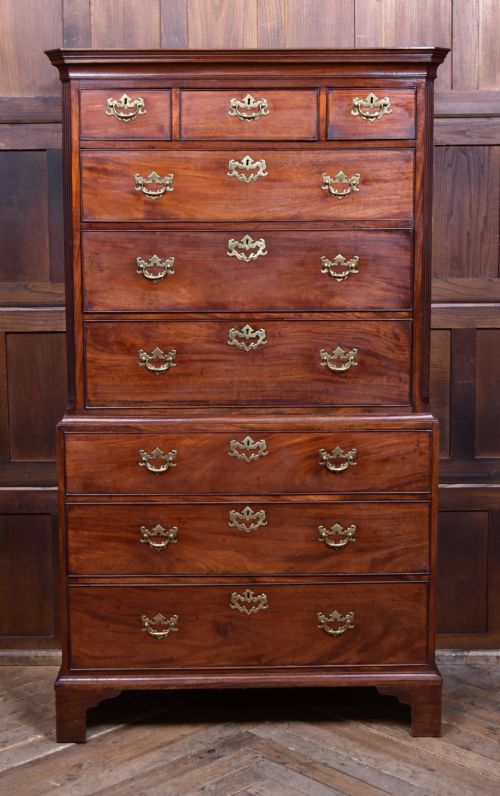
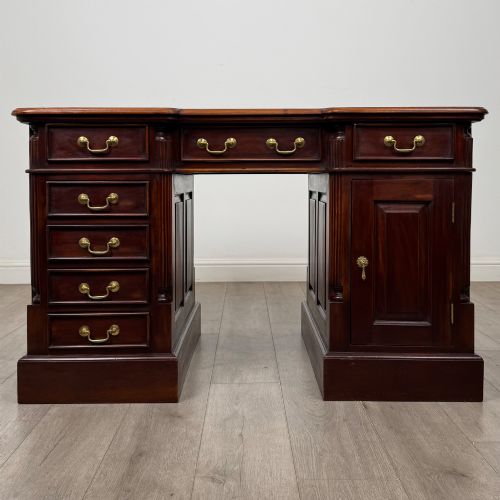
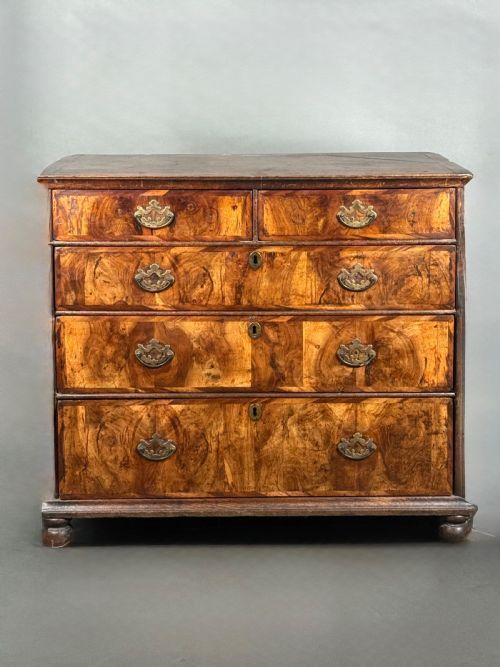
Traditional brass handles anchor the drawer fronts and doors of chests, desks, and sideboards across several centuries.
Traditional Brass Handles
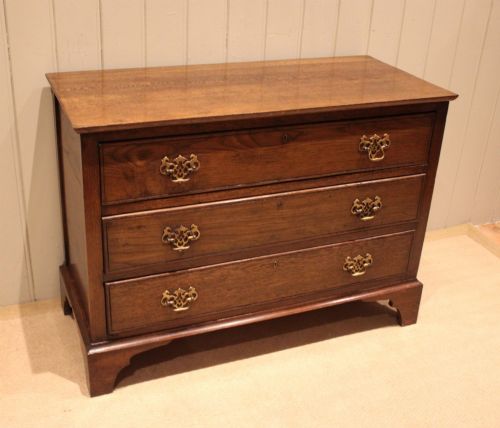
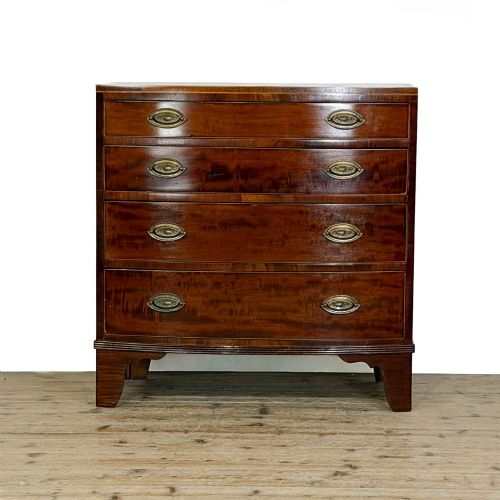
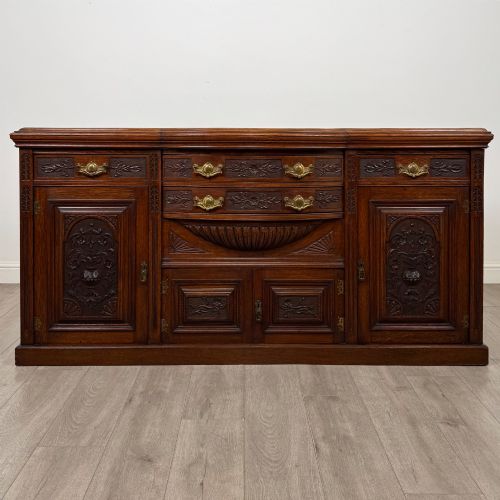
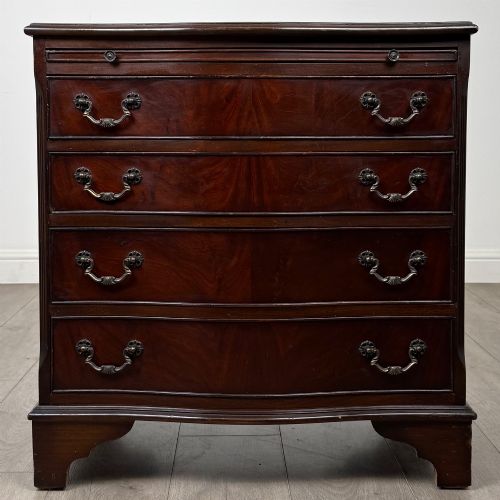
Traditional brass handles appear primarily mounted upon mahogany, oak, and walnut furniture spanning the eighteenth, nineteenth, and twentieth centuries. These metal fixtures secure to chests of drawers, desks, and sideboards originating from Georgian, Victorian, and Edwardian periods.
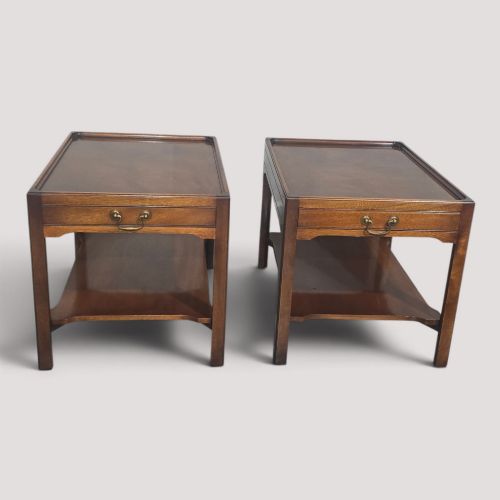
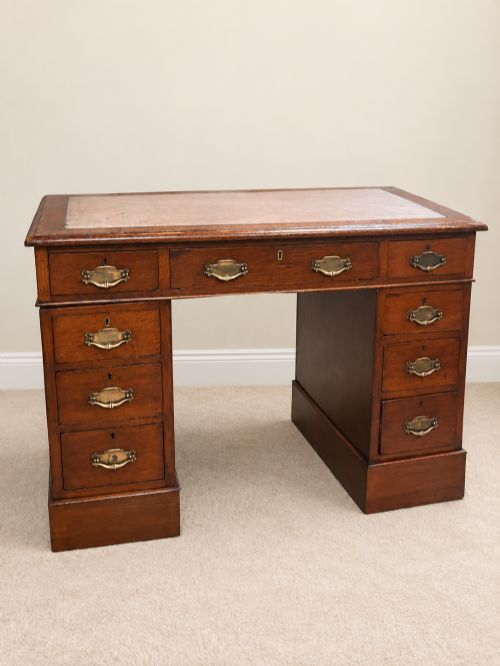
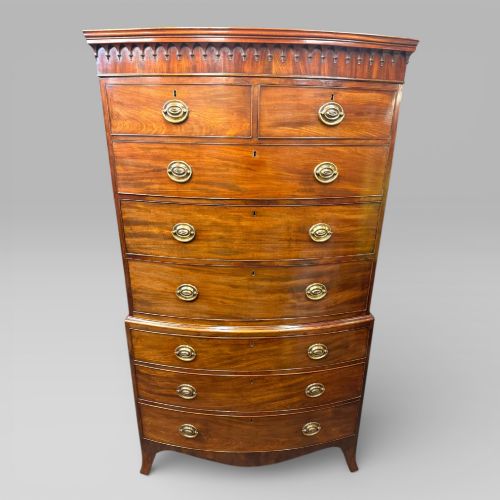
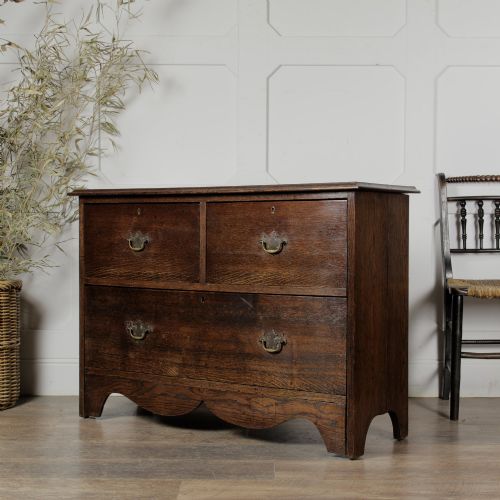
The version most commonly met on this page is the drawer pull attached to mahogany and oak case furniture. These mountings service utilitarian items such as writing desks, tall chests, and side tables.
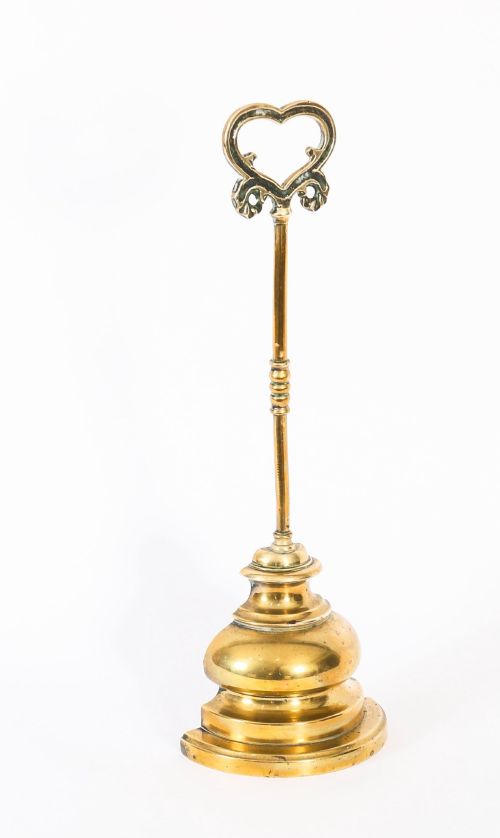
Beyond cabinetry, brass functions in heavy hearth equipment, including door stops, fire irons, and coal scuttles. These domestic pieces date from nineteenth-century workshops where metalworking served practical household roles.
Construction and Materials
Metal components rely upon cast brass, often paired with iron and steel elements in hearth accessories and door stops. Furniture mountings utilise brass backplates, drop handles, and bail pulls secured through timber drawer fronts.
Primary timbers supporting these metal fixtures include dense hardwoods like mahogany, walnut, and oak. Cabinetmakers employed these sturdy woods to bear the mechanical strain of repeated pullings over decades of daily use.
Heavy nineteenth-century brass chestnut roasters converted winter hearths into personal snack stations for Victorian families.
Judging Quality
Quality rests in the crispness of casting detail on the metalwork and the integration between the mount and the timber drawer front. Finer examples display clean edges and substantial weight rather than thin stamping.
The harmony between the hardware and the supporting cabinet indicates superior workshop origin. Well-proportioned backplates and correct period fixings distinguish standard utility furniture from finer documented pieces.
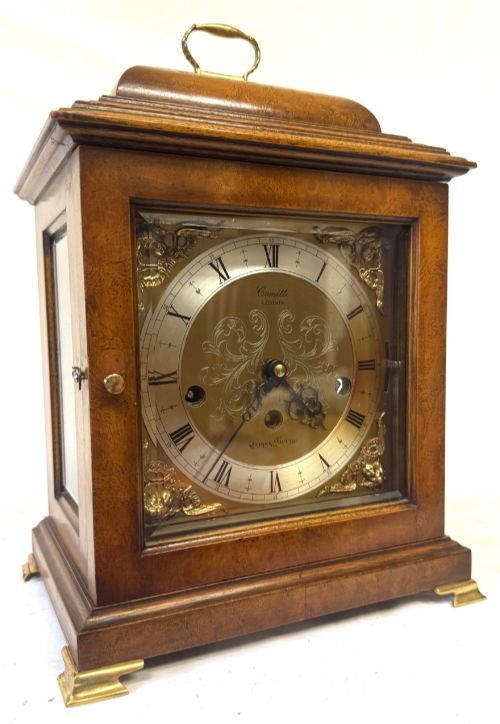
Trollope & sons·Comitti Of London·Jas Shoolbred
The Traditional Brass Handles Glossary
- Bail pull
- A drop handle shaped like a crescent or loop attached to two metal posts fixed into the drawer front. This form predominates on eighteenth and nineteenth-century case furniture.
- Backplate
- A flat sheet of brass placed behind the handle to protect the wood surface from wear. These plates often feature decorative pierced or engraved edges.
- Chest of drawers
- A case furniture form containing multiple horizontal storage drawers stacked vertically. These items frequently display brass drawer pulls across various historical periods.
- Pedestal desk
- A freestanding writing table supported by two columns of drawers. These large pieces commonly utilise brass handles on the numerous small fitted compartments.
- Cast iron
- A heavy, durable metal alloy used alongside brass in utilitarian items such as door stops and fire irons. This material provides stability for heavy hearth accessories.
Traditional Brass Handles: Frequently Asked Questions
What furniture features traditional brass handles?
These metal fixtures are found predominantly on chests of drawers, writing desks, and sideboards made from mahogany, oak, and walnut.
They appear across pieces dating from the Georgian, Victorian, and Edwardian eras.
How do I identify a Georgian handle?
Georgian examples typically employ cast brass bail pulls attached to decorative backplates screwed directly into the timber.
The casting tends to show hand-finished detail rather than uniform modern machine production.
Are these handles used on doors?
Brass serves a functional role in heavy door stops and door porters designed to keep interior doors propped open.
These cast metal items often take figurative or weighted geometric shapes from the nineteenth century.
How do I care for antique brass?
Old brass develops a dark natural oxidation that many collectors prefer to leave undisturbed on period furniture.
Gentle cleaning with a soft cloth avoids removing the historical patina built up over centuries.