




Period Architectural Salvage
Period architectural salvage gathers structural elements and fittings recovered from older buildings, offering authentic materials and historic character for modern restoration projects.
Period Architectural Salvage
Period architectural salvage comprises rescued structural elements and decorative fittings taken from older buildings during demolition or renovation. Buyers searching for period architectural salvage encounter items spanning several centuries, including elements from the seventeenth, eighteenth, and nineteenth centuries.
Origins vary across domestic and international contexts, encompassing British Georgian and Victorian examples alongside continental pieces and occasional items from further afield. These items allow renovators to integrate genuine historic fabric into properties undergoing conservation or sympathetic modernization.
How these pieces were made
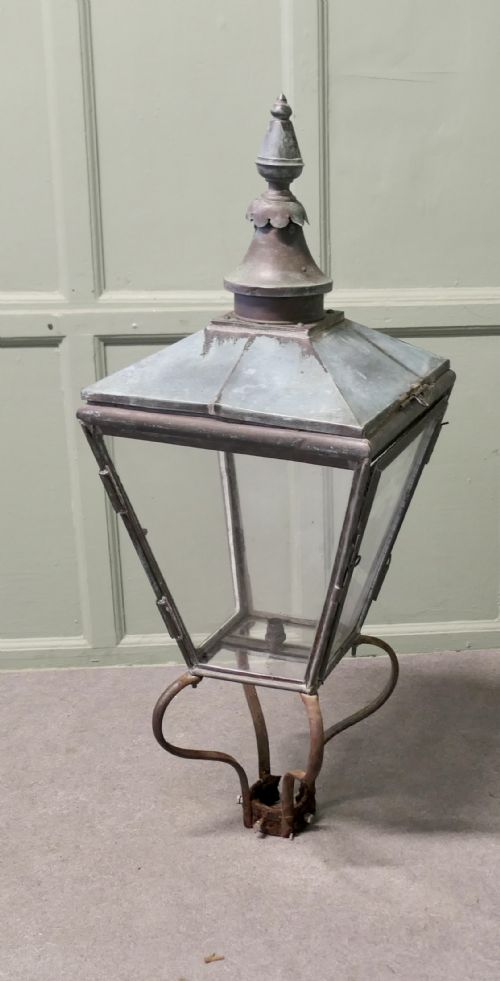
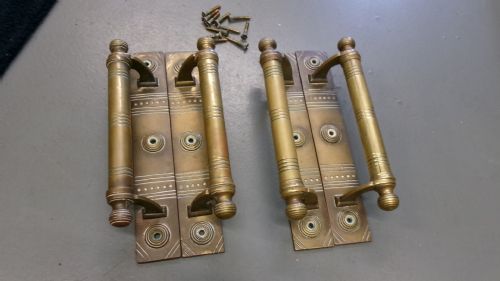
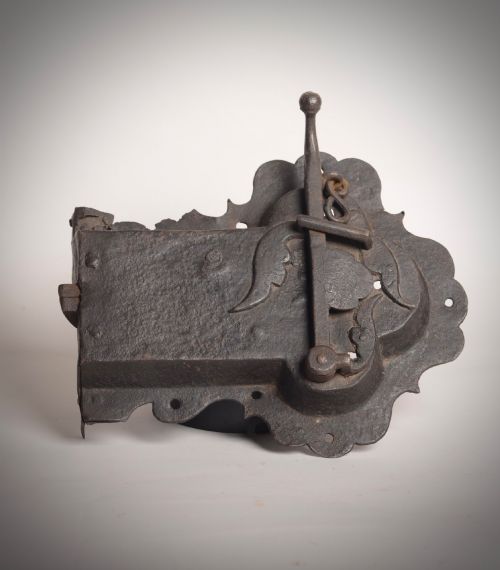
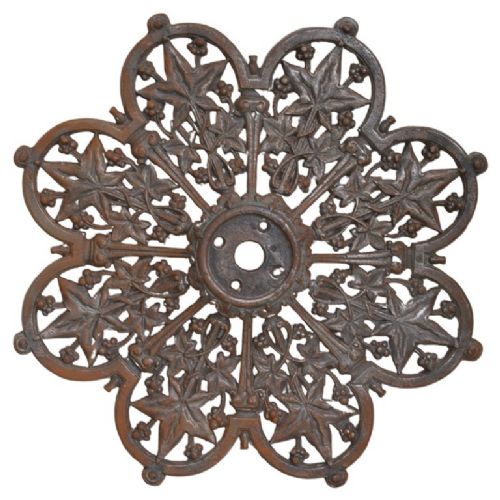
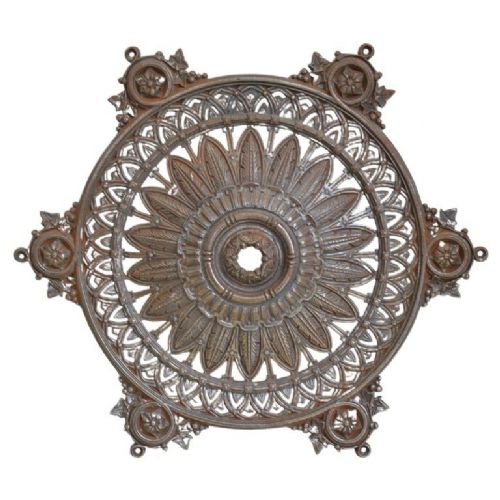
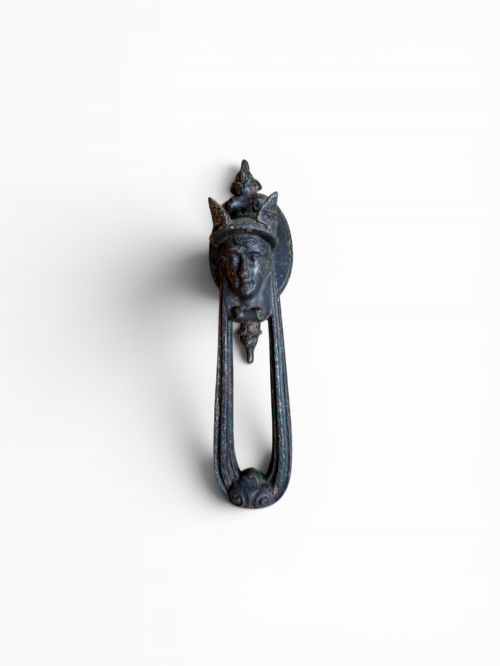
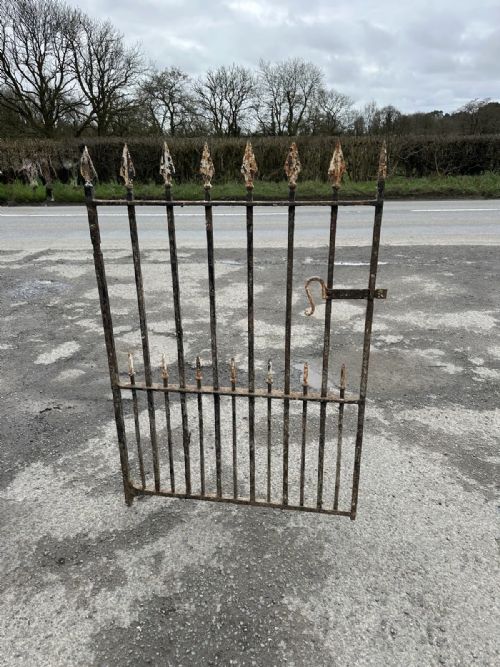
Metal components rely on traditional foundry and smithing techniques, utilising cast iron, wrought iron, brass, and bronze. Founders poured molten iron into sand moulds to create detailed decorative patterns on ceiling roses and door knockers, while blacksmiths hammered and shaped wrought iron for durable garden gates and hinges.
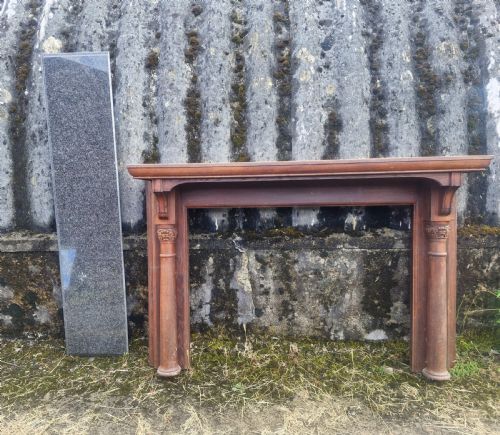
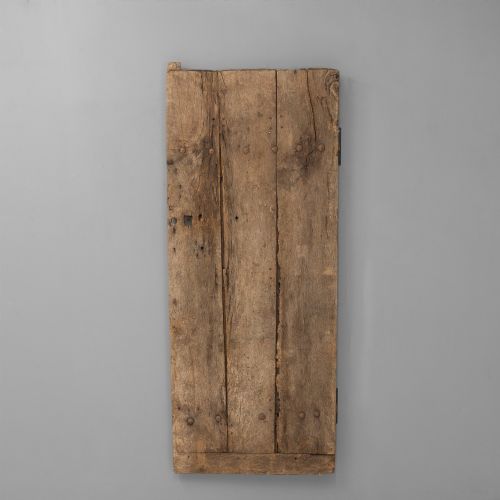
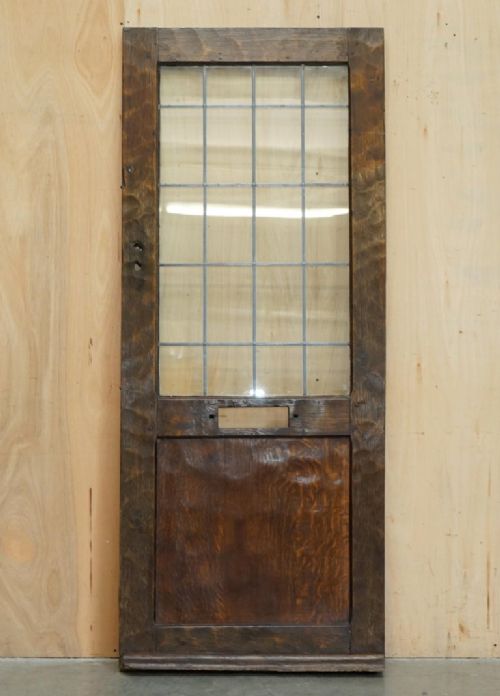
Woodwork relies heavily on solid oak, shaped through manual sawing, joinery, and hand carving. Craftsmen produced architectural panels, fire surrounds, and heavy doors using traditional mortise and tenon joinery, often embellishing the surfaces with carved motifs such as Tudor roses or cherubs.
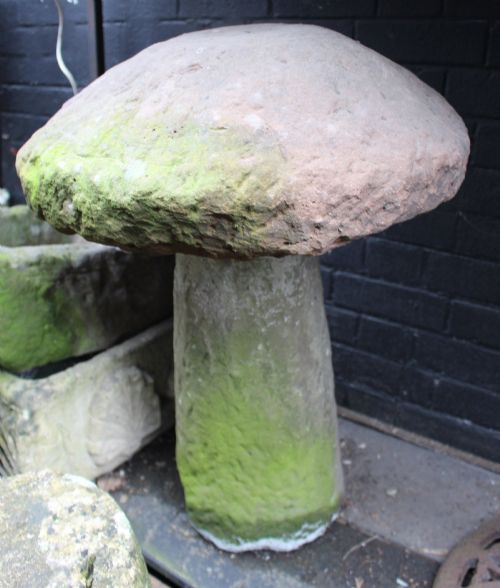
Stone and masonry items, including fire surrounds, corbels, and staddlestones, demonstrate heavy manual stone masonry. Stonemasons shaped sandstone and granite using chisels and mallets to produce robust structural and decorative components designed to withstand exposure.
The listings on this site encompass diverse materials including cast iron, wrought iron, oak, sandstone, brass, and bronze spanning multiple centuries.
What varies in quality
The standard of design execution and sculptural detail distinguishes finer examples from utilitarian production. Items featuring crisp, hand-carved woodwork or finely chased brass hardware display a level of artistry absent in plain, mass-produced architectural fittings.
Material integrity and the survival of original surface finishes dictate the desirability of salvaged items. Pieces retaining their original patination, operational mechanisms, and matching sets of hardware hold greater architectural and historical coherence.
The degree of completeness and the survival of associated working parts, such as original keys for box locks or matching pairs of hinges and handles, affect the functional utility and overall integrity of the piece.
Robert Mouseman Thompson
The Period Architectural Salvage Glossary
- Rim lock
- A mechanical door lock contained within a metal box mounted directly onto the surface of the door face rather than mortised into the edge. These locks are commonly found on older interior doors.
- Staddlestone
- A mushroom-shaped stone support historically used to elevate granaries and barns above the ground to protect stored grain from dampness and vermin. They now serve frequently as garden ornaments.
- Corbel
- A structural stone bracket projecting from a wall to support a weight above it. They often feature carved decorative profiles.
- Ceiling rose
- A decorative circular moulding affixed to the ceiling around the point where a light fixture hangs. Salvaged examples are typically cast in iron or carved from timber.
- Box lock
- A self-contained interior door lock enclosed in a heavy wooden or metal case operated with a matching key. These mechanisms date primarily to the Georgian period and earlier.
Period Architectural Salvage: Frequently Asked Questions
What is period architectural salvage?
Period architectural salvage refers to genuine building components, hardware, and decorative elements rescued from older properties before demolition. These items preserve traditional craftsmanship and materials no longer common in modern construction.
Buyers acquire these pieces to restore historic homes accurately or to inject authentic period character into newer properties using authentic fittings from eras such as the Georgian and Victorian periods.
How do I choose the right door hardware?
Selecting appropriate door hardware involves matching the metal type, finish, and style to the age and character of your door. Brass knobs, iron latches, and bronze knockers each suit different historical periods and architectural vernaculars.
Consider whether you require functional mechanisms like working rim locks and bell pulls or purely decorative elements, ensuring the scale of the hardware complements the dimensions of the door.
Can antique stone elements be used outdoors?
Many stone elements, including sandstone saddle stones, staddlestones, and stone fire surrounds, are naturally weather-resistant and suited for garden placement. Sandstone and granite endure external exposure well when placed on stable ground.
When positioning historic stone outdoors, ensure proper drainage beneath the piece to prevent moisture retention and frost damage during colder winter months.
How do I identify a Victorian cast iron piece?
Victorian cast iron items often feature distinct decorative motifs such as ivy leaves, feather patterns, or classical revival designs. The casting process leaves characteristic textures and weight associated with nineteenth-century metalwork.
Examining the depth of the relief work and comparing the form to documented nineteenth-century catalogues helps verify the period and manufacturing origins of items like ceiling roses and door knockers.