



Traditional Brass Fire Fender
A traditional brass fire fender grounds a hearth with polished metal and structure, framing the fireplace while keeping the room safe from stray embers.
Traditional Brass Fire Fender
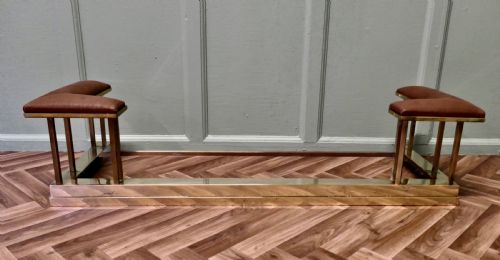
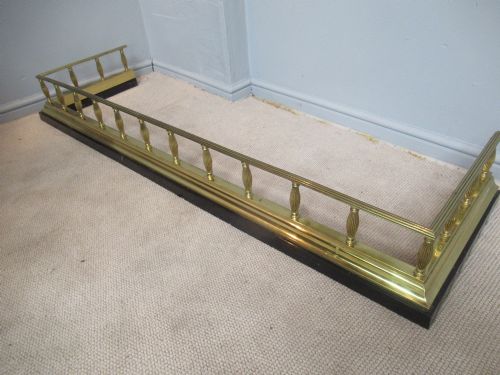
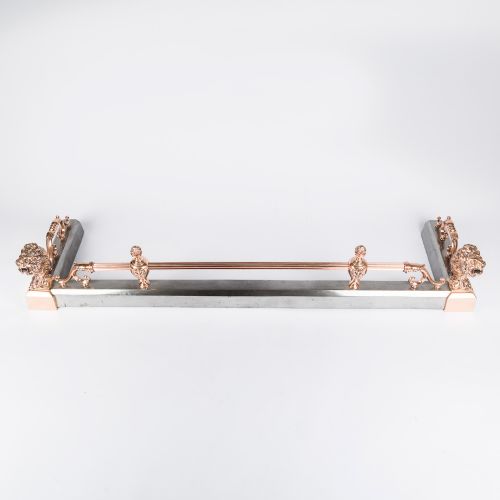
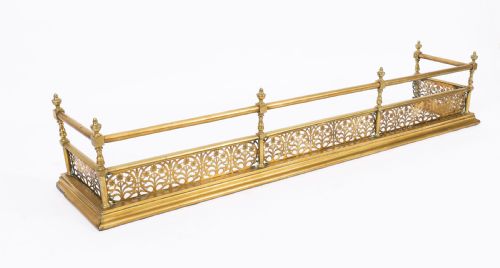
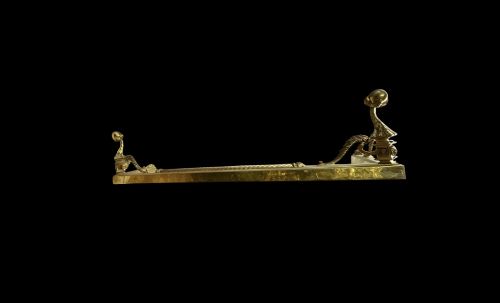
When you search for a traditional brass fire fender, you look at hearth guards designed to contain coal and ash while defining the fireplace setting. The examples on this page span the 19th century, the Victorian era, the Edwardian period, and the Regency style, taking forms from simple curbs to elaborate club fenders with leather seats.
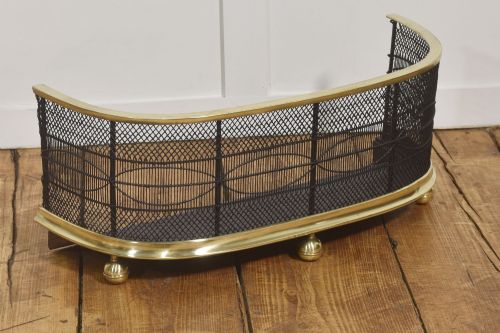
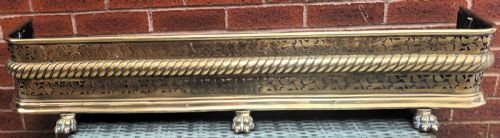
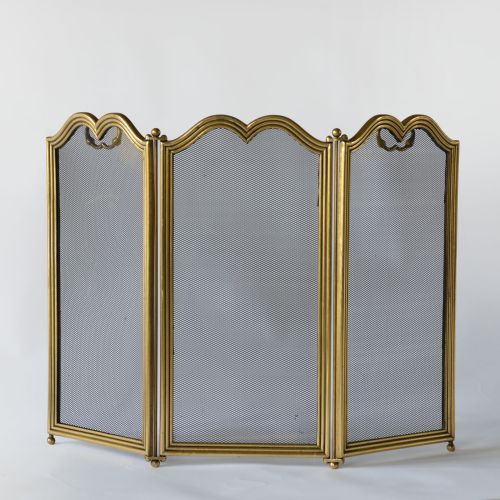
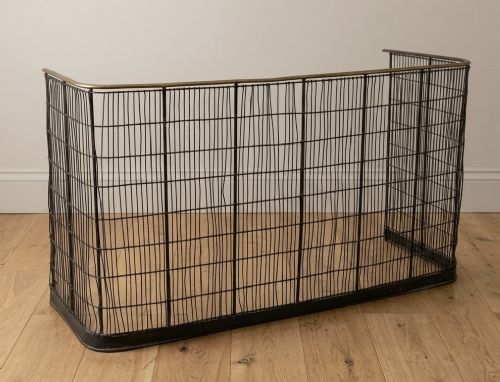
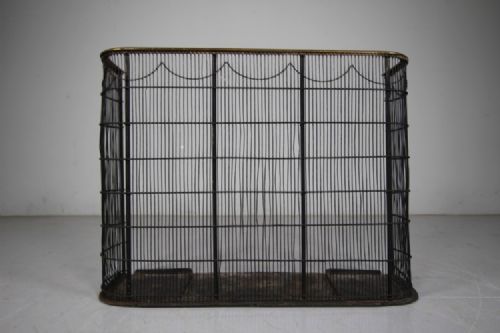
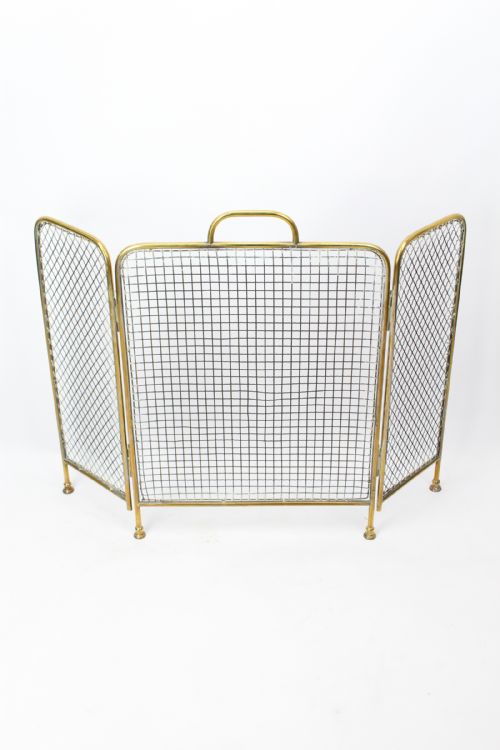
You meet a variety of constructions here, ranging from pierced sheet brass and cast iron combinations to wire mesh spark guards and nursery fenders with clothes rails. Many pieces incorporate steel or copper elements alongside polished brass, reflecting both domestic utility and formal reception room styling.
What varies in quality
Quality rests on the weight of the metal and the crispness of the pierced or scrolled details rather than simple age. Substantial brass gauge and solid cast frames separate robust functional pieces from lighter alternatives.
The integration of secondary materials like leather upholstery, steel reinforcements, and bronze components distinguishes standard hearth curbs from fine club fenders and grand nineteenth-century examples.
Several heavy nineteenth-century club fenders come complete with integrated leather seating, originally designed for warming shins and drying riding boots.
The Traditional Brass Fire Fender Glossary
- Club fender
- A low, upholstered-seat hearth guard that allows people to sit close to the fire. These typically feature leather top rails supported by metal spindles.
- Nursery fender
- An extended barrier designed to keep children and clothing safely away from open flames. They often incorporate wire mesh panels or clothes rails.
- Pierced brass
- Metal sheet perforated with decorative patterns such as flowers or geometric repeats. This technique lightens the visual weight of the fender.
- Spark guard
- A folding wire mesh or wirework screen placed before the hearth to catch embers. They range from small tripartite units to large serpentine panels.
Traditional Brass Fire Fender: Frequently Asked Questions
What is a club fender?
A club fender is a hearth barrier featuring a padded leather seat around the top frame. This design originated to provide comfortable seating directly beside the fireplace.
They combine structural metalwork with upholstery, offering both a physical barrier against embers and practical seating within the room.
How do I choose the right size?
You measure the width and depth of your fireplace opening and hearth stone to ensure the fender sits correctly around the hearth perimeter. Allowance must be made for clearance.
Consider whether you need a fixed curb fender or an extending version that adjusts to fit specific hearth dimensions.
What is a nursery fender?
A nursery fender is a taller protective guard built to keep children and fabrics safely distant from open fires. They frequently include wire mesh panels and top rails.
These pieces prioritise safety while maintaining traditional brass and iron construction standards typical of the Victorian and Edwardian periods.
How do I clean brass fenders?
Regular dusting and gentle cleaning help maintain the polished brass and steel surfaces without stripping the historical patina. Avoid harsh abrasives on antique metalwork.
Where iron or steel components are present, keep them dry to prevent surface corrosion and preserve the finish.