



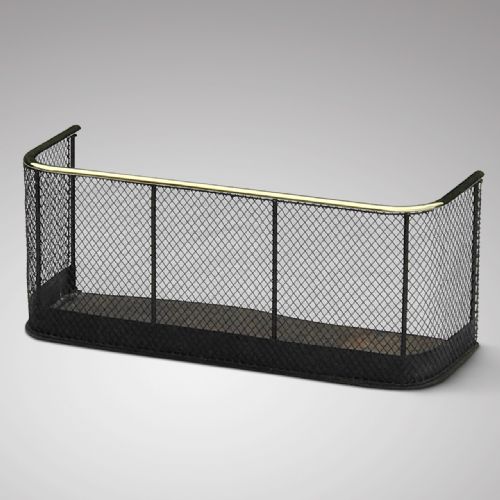
Vintage Brass Hearth Rail
A vintage brass hearth rail frames the fireplace hearth cleanly, protecting the room and adding period presence to the fireside.
Vintage Brass Hearth Rail
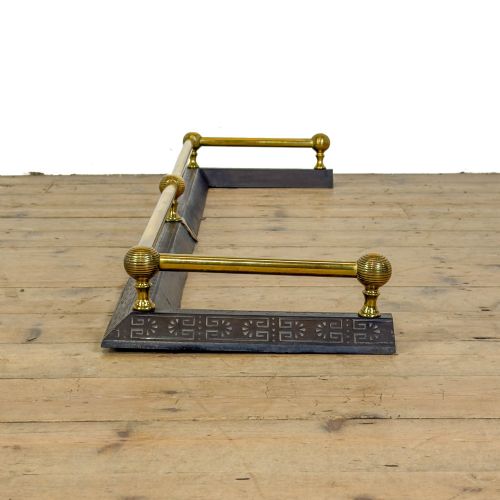
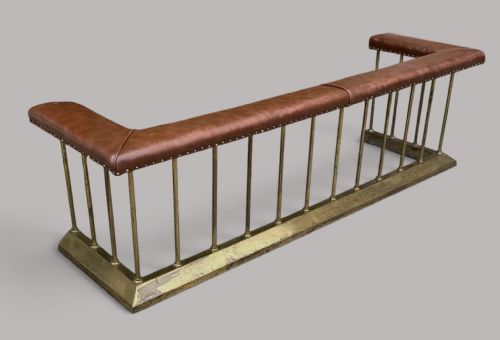
When you search for a vintage brass hearth rail, you encounter a variety of fireside barriers designed to contain embers and define the fireplace surround. These range from simple curb fenders to substantial club fenders upholstered in leather and functional nursery guards equipped with clothes rails.
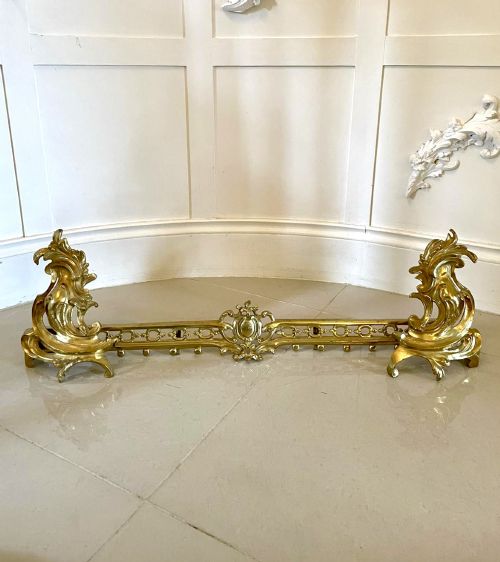
The selections available span multiple periods including the Victorian and Edwardian eras alongside 19th-century designs, Georgian-influenced Regency pieces, and early 20th-century examples. Common stylistic expressions on this page include French Rococo, Louis XV style, Louis XVI Neoclassical, and Art Nouveau.
Most pieces function primarily as fireplace fenders and fireguards, serving both a protective purpose and an aesthetic role in the room. They sit directly on the floor around the hearth, establishing a clear boundary between the fire and the room interior.
How they were made
Makers constructed these hearth rails predominantly using brass, cast brass, and gilded brass, often pairing the metalwork with iron or cast iron for structural stability. Some specialised variations incorporate materials such as wire mesh and mature tan leather.
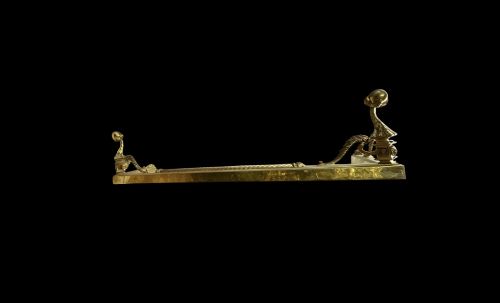
Metalworking techniques included casting, scrolling, and polishing to achieve detailed surface finishes and ornamental flourishes. Adjustable and extending mechanisms allowed certain fenders to fit specific hearth dimensions precisely.
Materials represented across the selection include brass, cast iron, gilded brass, wire mesh, and mature tan leather.
What varies in quality
Quality in a vintage brass hearth rail rests on the weight of the metal and the substance of its construction, distinguishing solid cast elements from lighter alternatives. Substantial framing and robust proportions indicate superior manufacture.
The refinement of decorative details, such as cast brass scrollwork and the quality of upholstery materials like mature tan leather, separates standard items from exceptionally fine examples.
The Vintage Brass Hearth Rail Glossary
- Club fender
- A low fireside barrier featuring upholstered top rails designed for seating. These padded surfaces offer a comfortable place to sit close to the fire.
- Curb fender
- A low metal barrier that defines the perimeter of the hearth. It prevents hot coals and ash from spilling onto the floorboards.
- Fireguard
- A protective mesh or metal screen placed in front of an open fire to catch sparks. These guards often incorporate a top rail for added utility or garment drying.
- Gilded brass
- Brass treated with a gold-coloured finish or gold leaf application. This technique enhances the decorative brilliance of the metalwork.
- Regency
- A stylistic period spanning the early 19th century characterised by classical restraint and neoclassical motifs. Pieces from this era often display clean lines and refined proportions.
Vintage Brass Hearth Rail: Frequently Asked Questions
What is a club fender?
A club fender is a sturdy fireplace accessory featuring a low metal frame topped with upholstered leather seats. This design allowed people to sit directly by the fire while keeping sparks contained.
These pieces combine functional metalwork with comfortable seating, making them a central feature of traditional hearths.
How do I measure for a fender?
Measure the width and depth of your hearth area carefully to ensure the interior dimensions of the rail fit comfortably around the fireplace surround. Leave adequate clearance for safety and aesthetics.
Some surviving pieces offer adjustable mechanisms that allow slight modifications to width for a precise fit.
Were these rails used for drying clothes?
Certain specialised nursery guards and hearth rails included integrated clothes rails specifically designed for drying garments near the warmth of the fire. These practical additions were common in period households.
They allowed families to utilise the ambient heat of the hearth for daily domestic chores.
How do I care for polished brass?
Polished brass requires gentle dusting and occasional cleaning with a soft cloth to maintain its surface sheen without stripping the underlying metal. Avoid harsh abrasives that can scratch the finish.
Allowing the brass to age naturally can also develop a desirable mature patina over time.
What styles are common in these rails?
The available pieces showcase a range of historical aesthetics including Victorian, Edwardian, Art Nouveau, and French neoclassical styles like Louis XV and Louis XVI. Each style reflects the decorative preferences of its period.
Details like cast brass scrolling and ornate metalwork highlight these distinct design traditions.