


Traditional Brass Clockwork
Traditional brass clockwork pieces are mechanical timepieces driven by springs and gears, bringing historical engineering and enduring movement into your home.
Traditional Brass Clockwork
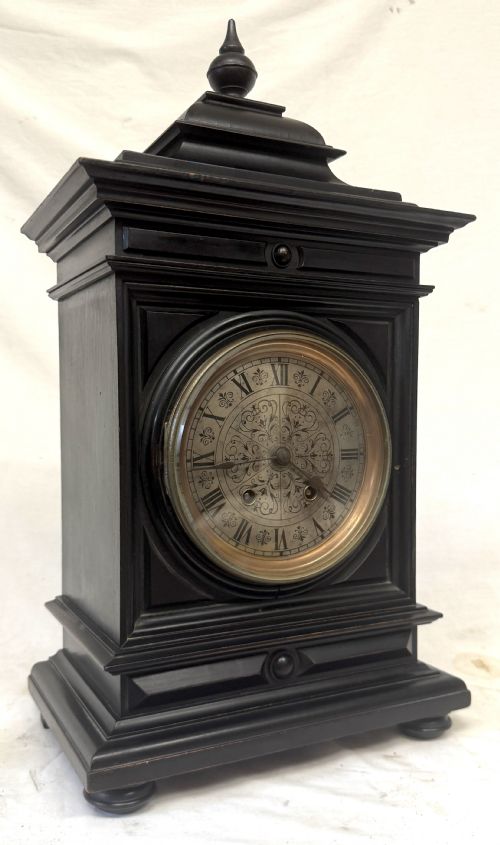
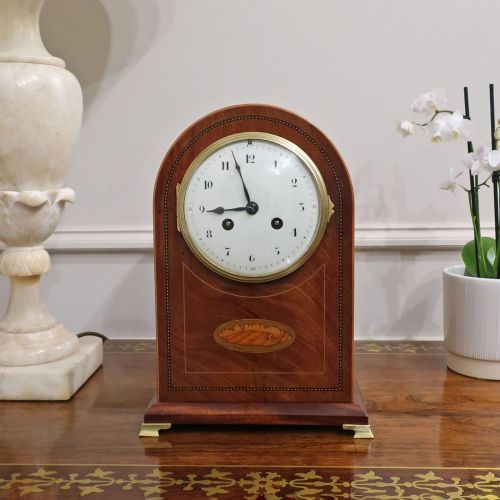
Traditional brass clockwork pieces encompass mechanical timepieces driven by springs and gears, with mantel clocks, bracket clocks, and wall clocks appearing frequently on this page. These objects range from the eighteenth century to the twentieth century, covering periods such as the Victorian era, the Georgian era, and the Belle Epoque.
Mantel clocks and bracket clocks dominate the selections, alongside wall clocks featuring fusee movements. The forms span English and French origins, including specific regional pieces from makers such as Piggin Norwich and James Grohé.
Materials combine brass and gilt brass with wood housings like mahogany, satinwood, and ebonised wood. Enamel and silvered dials provide the face for these mechanical works.
Materials and construction
Construction relies on brass movements housed in wooden cases made from mahogany, satinwood, and ebonised wood. Glass panels protect delicate dial faces, whilst enamel and silvered surfaces display the numbers.
Makers utilised single fusee movements and eight-day mechanisms to regulate the traditional brass clockwork. Lacquered finishes and gilt brass details decorate the exterior structures of these mantel and wall clocks.
Makers from London, Norwich, and France appear in the records, utilising single fusee movements and eight-day mechanisms.
Assessing quality
Quality rests in the precision of the brass movement and the finish of the timber case, whether mahogany, satinwood, or ebonised wood. Finer examples display meticulous engraving on the dial and crisp execution in the gilt brass mounts.
The sophistication of the mechanism, such as single fusee systems or striking trains, elevates a piece. Superior objects maintain originality in their dials, hands, and fitted cases.
Lenzkirch·Piggin Norwich·Baveux Jacot·James Grohé·Chater Son
The Traditional Brass Clockwork Glossary
- Bracket clock
- A portable mechanical clock designed to sit on a bracket or shelf. These pieces often feature fine wooden cases and complex striking movements.
- Fusee
- A conical pulley used in clockwork to maintain a constant force on the movement as the mainspring unwinds. This mechanism improves the timekeeping accuracy of the clock.
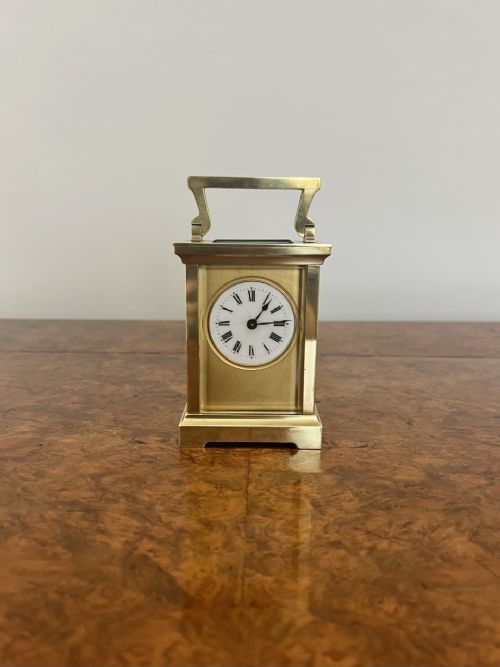
- Carriage clock
- A small, spring-driven clock designed for travel during the nineteenth century. They usually feature brass and glass cases with folding handles.
- Silvered dial
- A clock face treated with a silver compound to produce a bright, legible surface. The numbers and markings are typically engraved and darkened for contrast.
- Single fusee
- A single-train clock movement utilising a fusee cone to equalise the power of the spring. It powers the timekeeping train without a separate striking mechanism.
Traditional Brass Clockwork: Frequently Asked Questions
How do I wind a traditional brass clock?
Use the appropriate key on the winding arbours located on the dial face, turning gently until resistance increases. Avoid over-winding to protect the internal spring mechanism.
Ensure you keep the clock stationary on a level surface to maintain the correct beat of the pendulum or escapement.
Where should I place a bracket clock?
Select a sturdy shelf or mantelpiece away from direct sunlight, moisture, and dramatic temperature fluctuations. A stable surface prevents vibrations that disrupt the pendulum or balance wheel.
Position the clock at a comfortable viewing height where the dial remains easily accessible for regular maintenance and winding.
What is an eight day movement?
An eight day movement requires winding approximately once a week to keep the mechanical clock running continuously. This system relies on a mainspring that stores sufficient energy for roughly one hundred and ninety-two hours.
Such movements appear frequently in better quality mantel and wall clocks from the nineteenth century.
How do I date an antique clock?
Examine the style of the wood case, the materials used for the dial, and any maker signatures inscribed on the movement plate. Characteristics like mahogany veneers or ebonised finishes often point towards specific decades.
Compare the construction techniques of the brass gears and escapement with documented examples from known workshops and makers.