



Traditional Brass Chenets
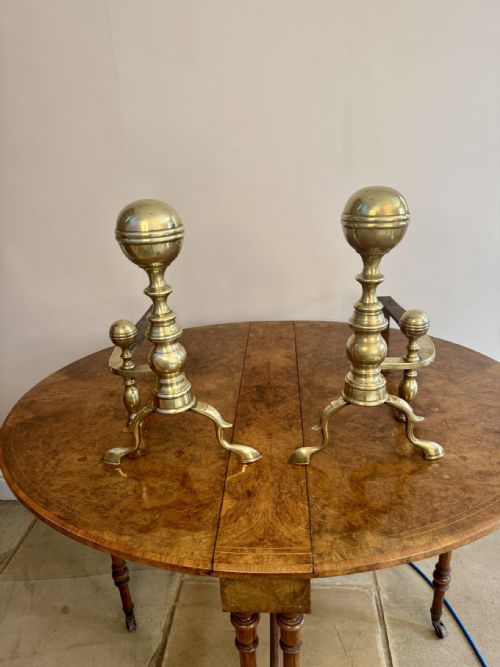
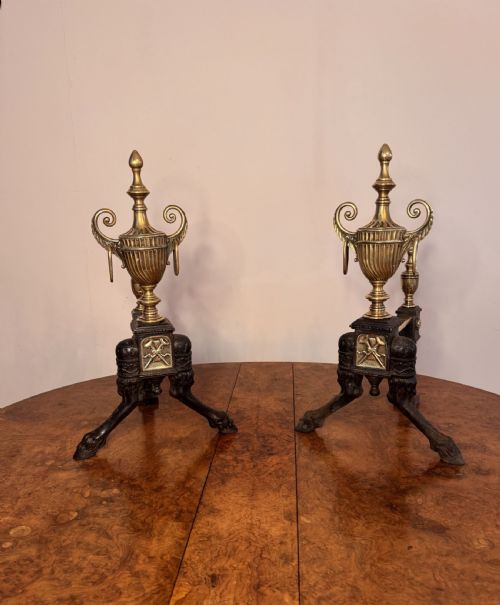
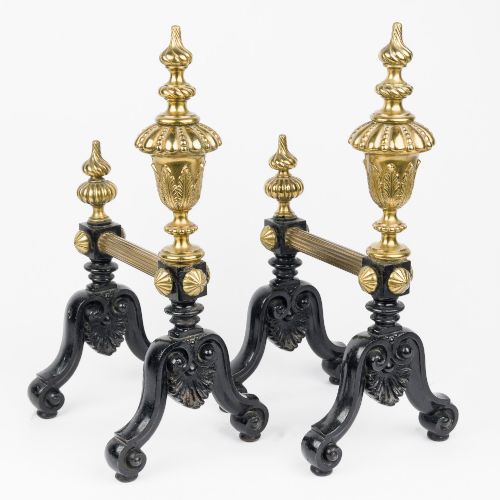
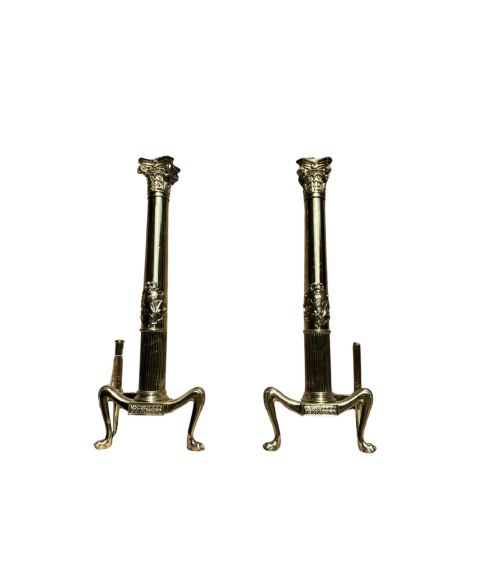
Traditional brass chenets are hearth furnishings that hold logs in place, bringing period weight and bright metalwork to a fireplace.
Traditional Brass Chenets
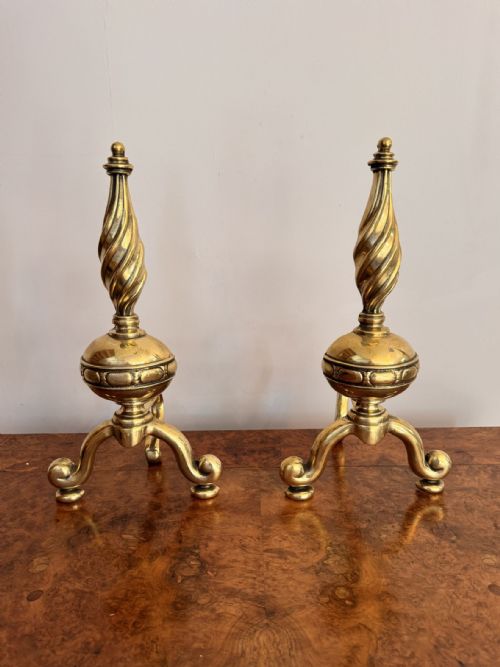
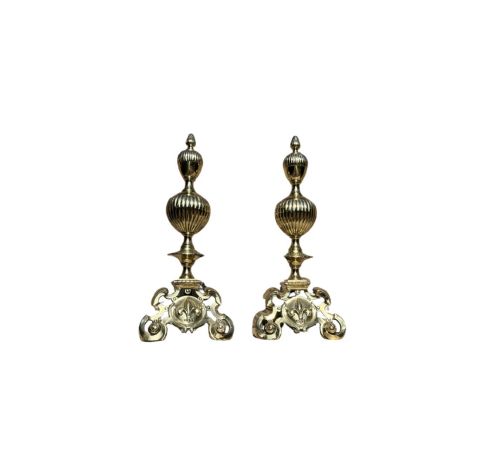
When you search for traditional brass chenets, you are looking at substantial metal supports designed to flank the hearth and elevate firewood. The pieces available here span the Victorian era, reaching back through the nineteenth century from eighteen-fifty to nineteen-hundred.
You will most commonly encounter pairs of fire dogs and andirons fashioned in French Rococo, French Baroque, and Victorian Classical Revival styles. These furnishings range from large French models to ornate domestic examples created to sit before an active coal or wood fire.
The objects also appear under alternative descriptions such as fire dogs and hearth tool rests. Each pair serves both a functional role in supporting fuel and a decorative purpose within the nineteenth-century domestic interior.
How they were made
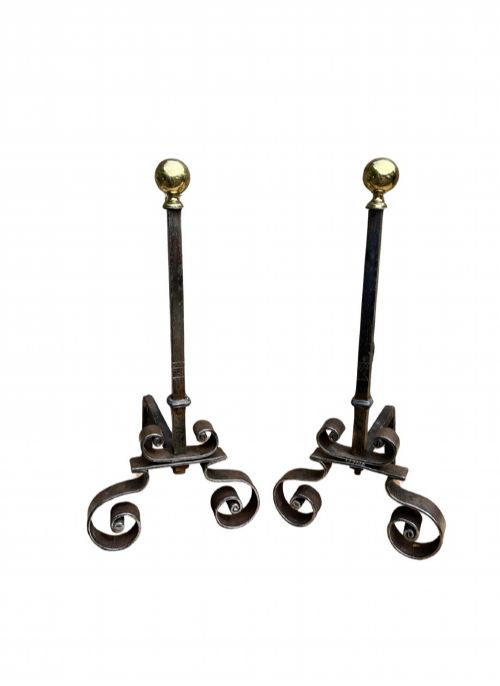
The manufacturing process relies primarily on brass and cast brass, often paired with iron and wrought iron components for structural strength. Metalworkers utilised casting techniques to achieve the sculptural scrolls and ornate motifs characteristic of the Victorian and French revival styles.
Selected examples feature gilt brass finishes that add a reflective surface to the heavy metal body. Iron elements were typically forged to create the solid billets and shafts required to bear the weight of heavy logs inside the fireplace.
Traditional Brass Chenets Retail Price Guide 2026
Typical asking prices for traditional brass chenets among the pieces listed under this phrase on Sellingantiques today, from the lower quarter to the upper quarter. They describe what is for sale here now, not the wider market.
What varies in quality
Quality in traditional brass chenets is determined by the crispness of the casting and the weight of the metal used. Finer examples display deeply chased surface details and substantial proportions that indicate superior workshop production rather than mass manufacture.
The distinction between standard domestic pairs and top-tier pieces lies in the articulation of the decorative motifs, such as scrollwork and classical figures. Heavier gauge brass and secure, integrated iron bars ensure the chenets remain stable under the heat and weight of the hearth.
James Cartland & Son
The Traditional Brass Chenets Glossary
- Chenet
- An alternative French term for an andiron or fire dog used to support logs in an open fireplace. These metal supports keep wood elevated to improve air circulation.
- Andiron
- A horizontal metal support raised on legs, used in pairs to hold firewood in a hearth. They often feature decorative vertical fronts facing into the room.
- Gilt brass
- Brass coated with a thin layer of gold or gold-coloured finish to enhance brilliance. This treatment was common on French-influenced hearth accessories of the nineteenth century.
- Rococo
- An ornate decorative style characterised by asymmetrical scrolls, shell motifs, and natural curves. It heavily influenced Victorian revival metalwork on the hearth.
Traditional Brass Chenets: Frequently Asked Questions
What are traditional brass chenets used for?
Traditional brass chenets are placed inside a fireplace to hold logs above the hearth floor. This elevation allows air to circulate beneath the wood for a better burn.
Beyond their practical function, they serve as decorative focal points for the fireplace when the hearth is not in use.
How do I style them at home?
Position a matched pair on either side of the fireplace opening, ensuring the decorative fronts face outward into the room. They sit directly on the hearth floor, either in front of a grate or flanking the fire basket.
Keep the surrounding brick or stone clear to let the polished brass and iron details stand out properly.
Are these pieces from the Victorian era?
The examples on this page date primarily from the nineteenth century, including Victorian periods and French revival styles. Makers of this era frequently drew inspiration from earlier seventeenth-century designs.
Look at the casting style and metal composition to help gauge the specific period of manufacture.
What is the difference between fire dogs and andirons?
Fire dogs and andirons are essentially the same object, with terms varying by region and period preference. Both consist of a decorative front standard attached to a horizontal iron bar.
Some listings use chenet as another interchangeable term for the same hearth furnishing.