


Traditional Botanical Oil Painting
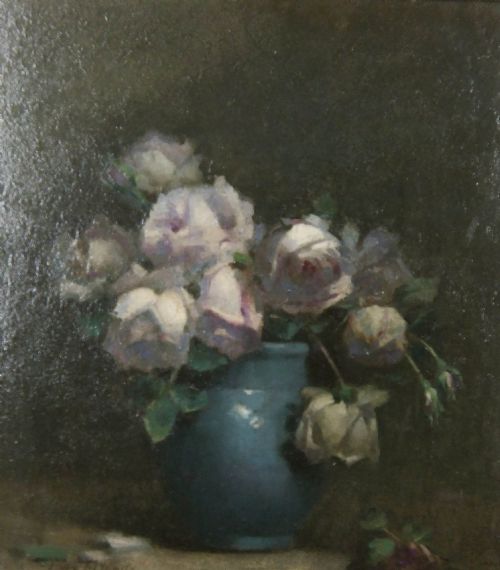
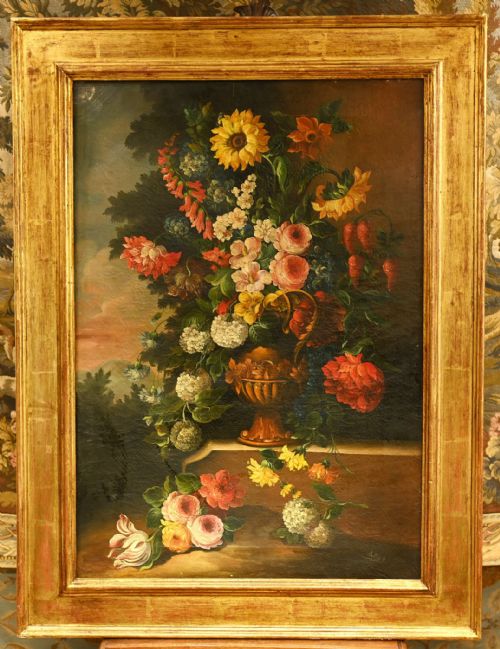
A traditional botanical oil painting captures living flora with rigorous detail, bringing enduring colour and natural form directly into a room.
Traditional Botanical Oil Painting
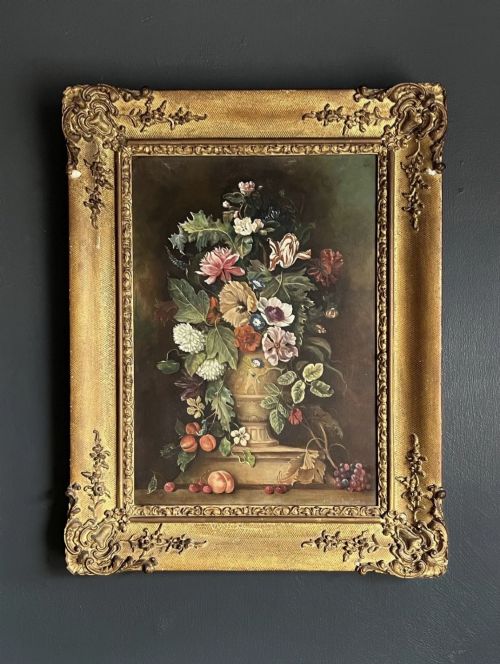
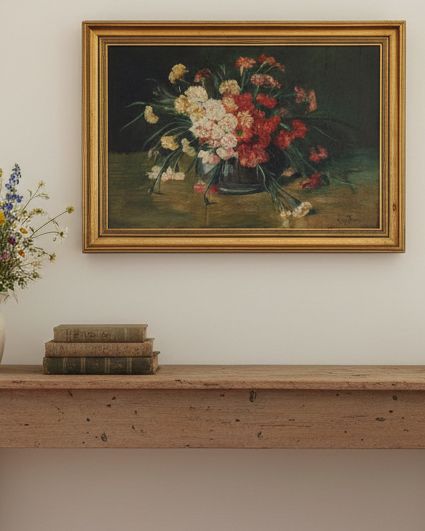
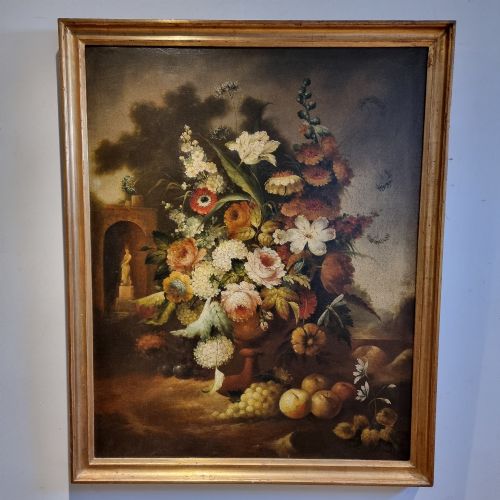
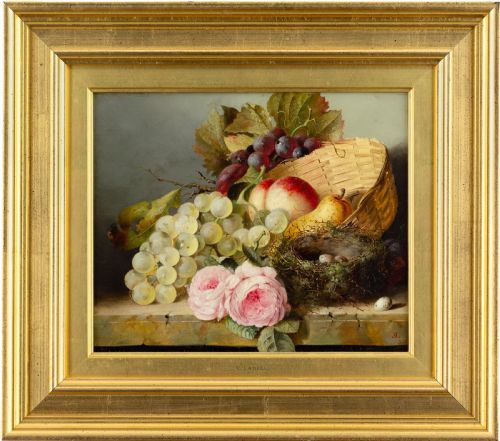
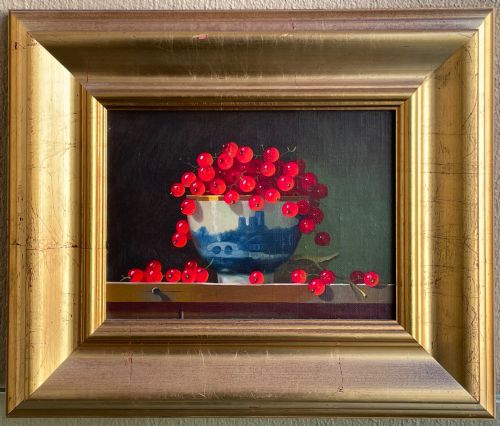
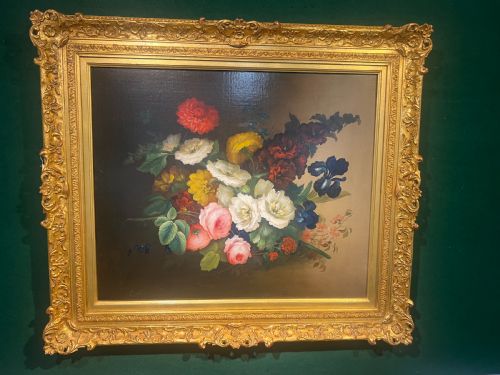
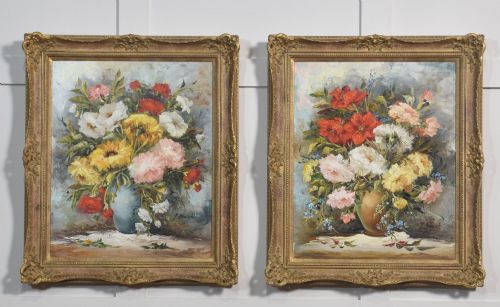
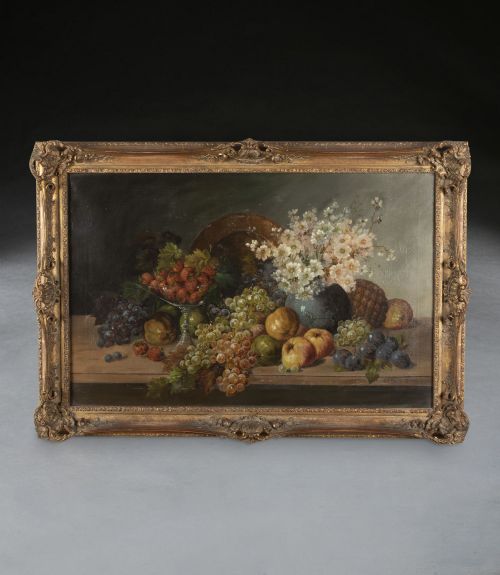
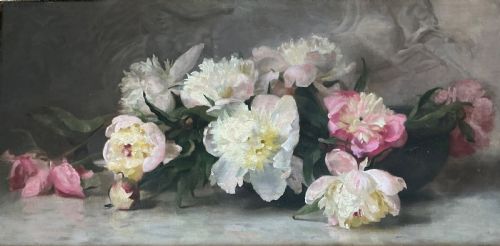
A traditional botanical oil painting focuses on floral and fruit subjects, ranging from tight studies of single blooms to lavish arrangements in vases. These pieces span centuries of artistic output, appearing in periods from the eighteenth century through to the mid-twentieth century.
Buyers frequently encounter works executed in British, Victorian, and Dutch revival styles, often housed in gilt gesso frames. The compositions draw on traditions of still life, depicting roses, peonies, and mixed garden flowers rendered with precision on canvas.
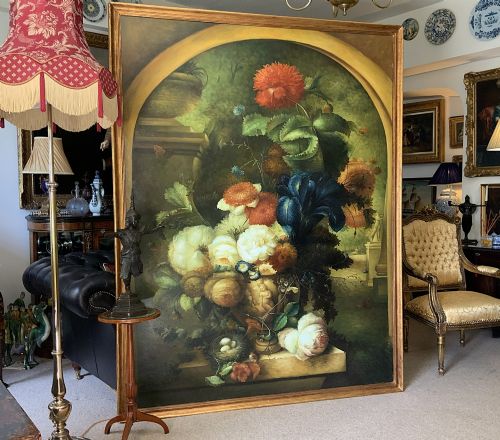
The selection includes cabinet-sized miniatures as well as monumental canvases, reflecting the diverse scale of historical interior decoration. Many pieces bear signatures from established artists or regional painters working within distinct stylistic movements.
Materials and construction methods
Canvas serves as the primary support for these oil paintings, stretched over wooden frames and prepared to receive layers of pigment. Artists applied oil paint to build depth in petals and foliage, utilising the slow-drying medium to blend subtle tonal gradations.
Many works feature ornate frames constructed from wood and finished with gesso and gold leaf to complement the rich palettes of the canvases. These decorative surrounds protect the edges of the fabric and provide the formal presentation expected of fine art.
Several floral compositions thoughtfully include visiting butterflies and birds' nests alongside the blooms.
Distinctions across the range
The sophistication of the brushwork and the anatomical accuracy of the botanical elements determine the standing of an individual piece. Master painters achieve a naturalistic play of light across petals and fruit, whereas lesser examples rely on formulaic repetition without observing actual specimens.
The condition of the original canvas and the preservation of the painted surface dictate visual impact. Intact oil paint without excessive craquelure, combined with a period-appropriate gilded frame, elevates the piece within its genre.
Edward Ladell·William Thomas Wood·Owen Bowen·William Duffield·George Lance
The Traditional Botanical Oil Painting Glossary
- Canvas
- A heavy woven fabric stretched across a wooden stretcher bar to serve as a stable painting surface. It is the most common support found in these traditional oil paintings.
- Gesso
- A traditional paint mixture consisting of a binder mixed with chalk, gypsum, or pigment, applied to wooden frames before gilding. It provides a smooth base for gold leaf application.
- Gilded Wood
- Timber coated with a thin layer of gold leaf or metal powder to create a metallic sheen. This technique frames the artwork to enhance its visual presence.
- Still Life
- An artwork depicting inanimate subject matter, typically featuring natural items such as flowers, fruit, and game. It forms the core category for botanical painting.
- Impressionism
- A style of painting characterised by relatively small, thin, yet visible brush strokes and an emphasis on accurate depiction of light. British practitioners adapted this approach for garden scenes and floral arrangements.
Traditional Botanical Oil Painting: Frequently Asked Questions
What is a traditional botanical oil painting?
A traditional botanical oil painting is a fine art work depicting flowers, plants, or fruit using oil-based pigments on canvas. These pieces record natural specimens with careful attention to botanical structure and colour.
Artists through the centuries have used this medium to capture transient blooms permanently. The resulting works function as both natural history records and decorative interior pieces.
How were these paintings displayed originally?
These paintings were typically mounted in heavy wooden frames finished with gesso and gold leaf, designed to hang in reception rooms, libraries, and parlours. Their formal presentation suited the domestic architecture of the eighteenth, nineteenth, and early twentieth centuries.
Larger canvases served as focal points above mantelpieces or within panelled rooms. Smaller studies and miniature works were grouped together in intimate spaces or corridors.
How do I care for an oil painting on canvas?
Care involves maintaining stable environmental conditions away from direct sunlight, excessive heat, and high humidity. Gentle dusting with a soft, dry brush keeps the surface clean without disturbing the pigment.
Avoiding moisture and harsh cleaning agents preserves the integrity of both the oil paint and the underlying canvas. Professional conservation should be sought if the paint layer shows signs of instability.
How can I tell the period of a painting?
The period can often be deduced from the preparation of the canvas, the composition style, and the framing techniques used. Eighteenth-century works typically display different stretcher construction and canvas textures compared to twentieth-century pieces.
Signatures, artist records, and stylistic conventions such as Dutch Baroque revival or British Impressionism provide further chronological clues. Examining the reverse of the canvas often reveals historical stamps, labels, or inscriptions.