
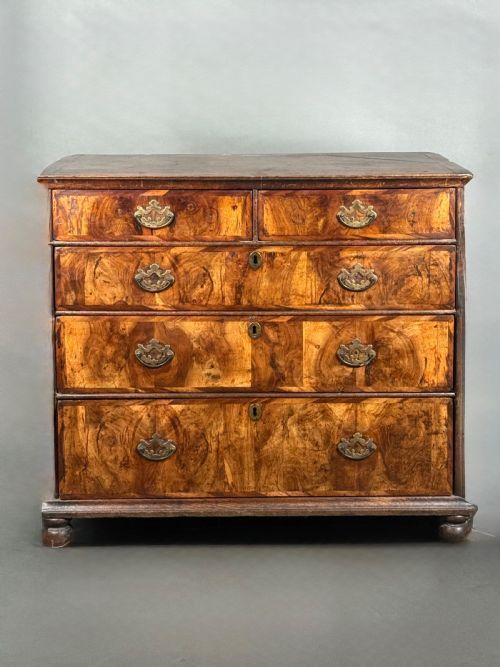
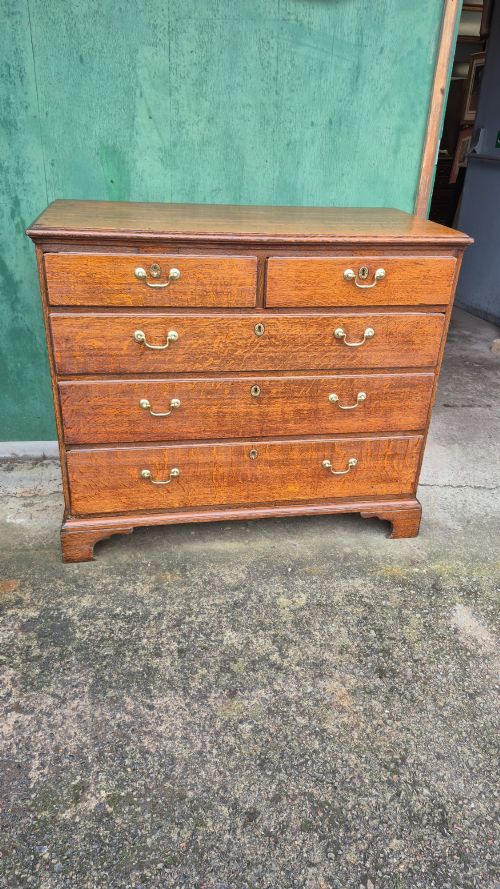
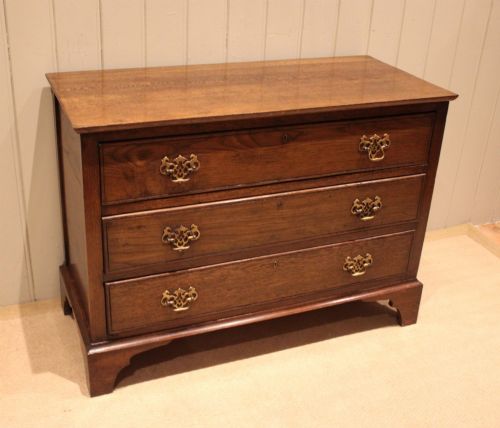
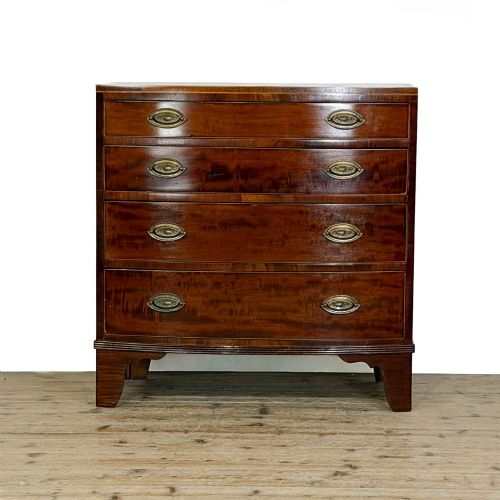


Traditional Bedroom Chest
A traditional bedroom chest offers timeless storage, bringing solid construction and classic timber grain directly to a sleeping space.
Traditional Bedroom Chest
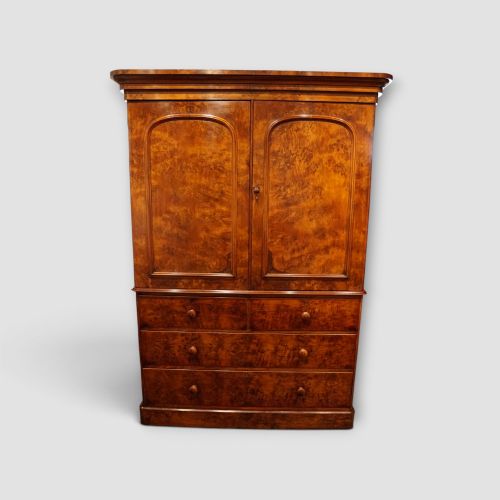
A traditional bedroom chest provides practical storage through arranged drawers, appearing in forms such as chests of drawers, bedside tables, and linen presses. When searching for a traditional bedroom chest, buyers encounter pieces spanning from the 18th century through the Edwardian period and the early 20th century.
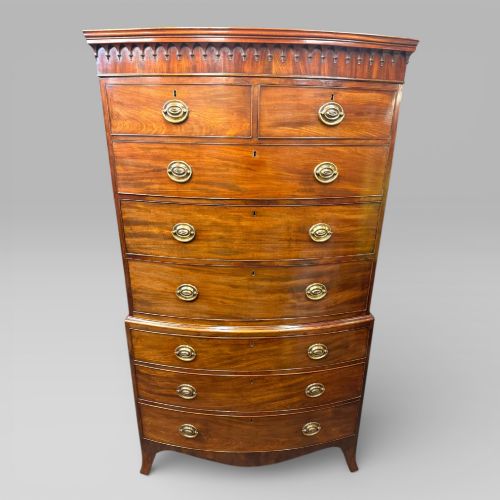
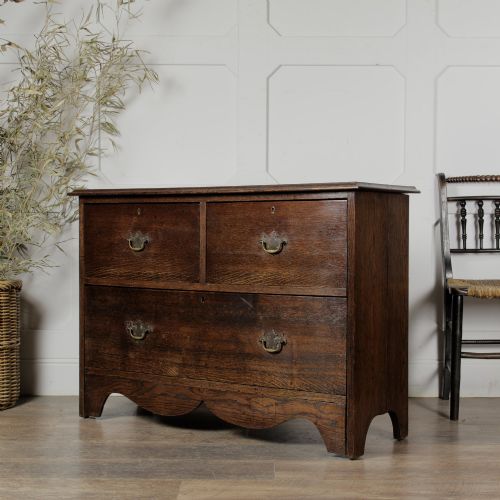
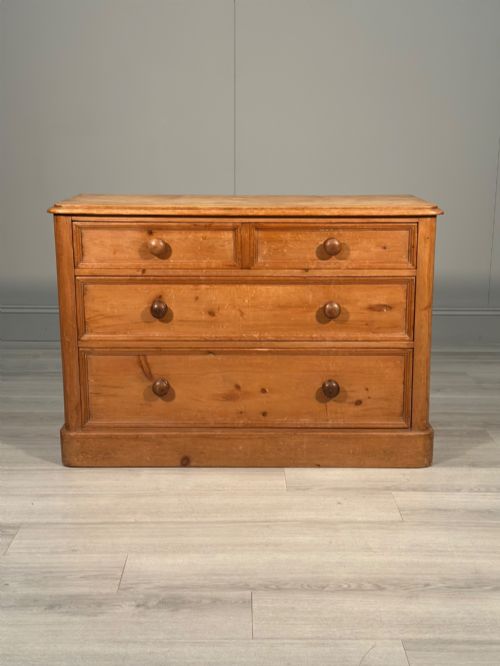
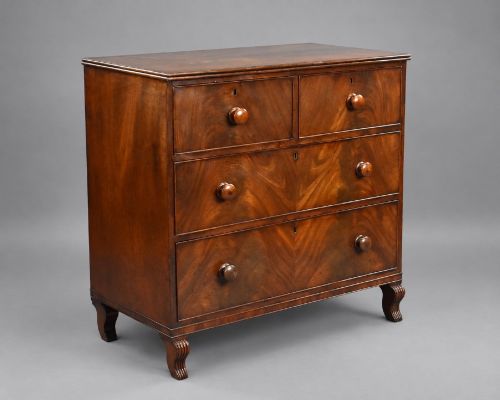
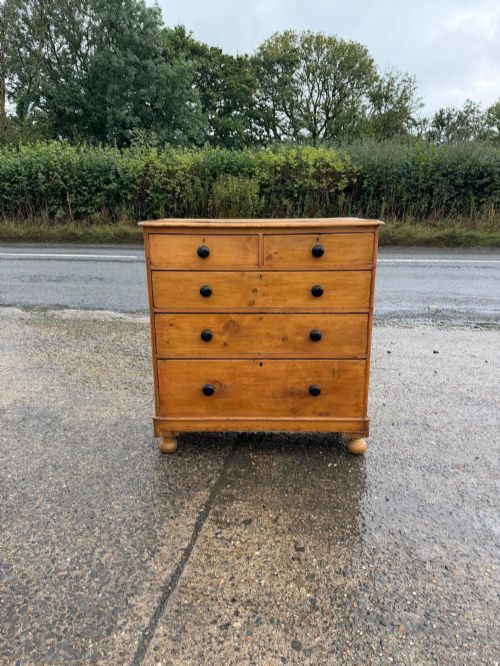
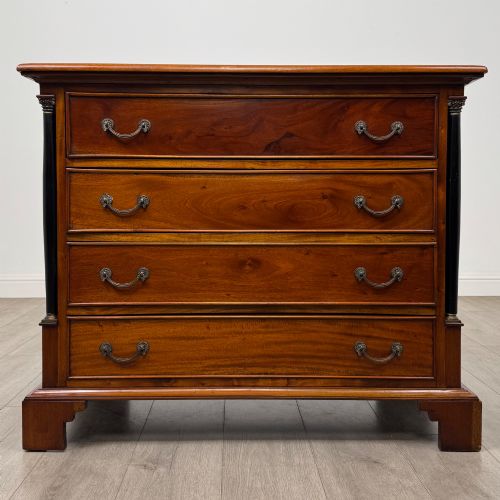
The most common examples on this page are mahogany and pine chests of drawers from the Victorian and Georgian periods. These storage items range from low configurations to tall, narrow formats and bow-front designs.
Originating across different eras, these items reflect specific regional tastes including English Country and Georgian Revival styles. Each piece serves the primary domestic purpose of holding clothing and linens while displaying period craftsmanship.
Materials and Construction Techniques
Cabinet makers built these pieces using solid timbers like mahogany, oak, pine, and walnut, frequently applying flame mahogany veneer for enhanced visual depth. Metal hardware such as brass handles complements the wooden structures.
Joinery methods varied according to the period, supporting multi-drawer arrangements including two-over-three layouts and four or five height tiers. Secondary woods like pine appear in carcases and drawer linings on regional and Victorian examples.
Traditional Bedroom Chest Retail Price Guide 2026
Typical asking prices for traditional bedroom chest among the pieces listed under this phrase on Sellingantiques today, from the lower quarter to the upper quarter. They describe what is for sale here now, not the wider market.
Object forms span standard chests of drawers, linen presses, and tall bedside chests.
Distinctions in Quality
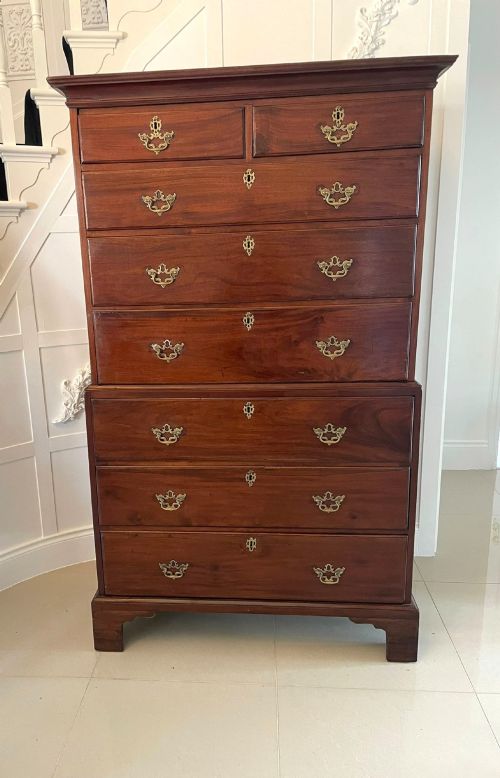
The standard of a piece rests on the selection of timber, such as figured walnut or flame mahogany, versus simpler utility woods like pine. Higher quality items display refined proportions, sophisticated bow fronts, and well-executed secondary forms like chest-on-chest structures.
Original hardware and untouched surface patination elevate a piece above later adaptations or replacements. The precision of the drawer construction and the integrity of the veneer work separate standard utilitarian storage from finer cabinet making.
Jas Shoolbred
The Traditional Bedroom Chest Glossary
- Bow Front
- A convex curved front facade popular on mahogany chests from the Georgian and 19th-century periods. This shape softens the profile of a heavy wooden cabinet.
- Chest on Chest
- A tall storage unit formed by stacking a smaller chest of drawers directly on top of a larger base chest. This two-part construction maximises vertical storage space.
- Linen Press
- A tall storage cabinet featuring upper doors enclosing shelves, paired with lower drawers. These units originally stored household linens and garments.
- Wellington Chest
- A tall, narrow chest of drawers secured by a hinged side locking bar. This specific form typically originates from the Victorian or Edwardian eras.
- Flame Mahogany Veneer
- A thin layer of timber sliced from mahogany showing a distinctive flickering flame pattern. Cabinet makers applied this to drawer fronts for decorative impact.
Traditional Bedroom Chest: Frequently Asked Questions
What is a traditional bedroom chest used for?
These pieces serve primarily as domestic storage for clothing, garments, and bedroom linens within domestic spaces. The internal drawer arrangements organise various personal items.
Larger configurations handle bulky wardrobe items, while smaller bedside chests or low formats hold smaller accessories.
How do I identify a Georgian chest?
Georgian pieces typically feature dense mahogany or oak timbers, often displaying distinct brass handles and refined proportions. Construction details include hand-cut dovetail joints on the drawers.
Styles from this era range from simple golden oak formats to sophisticated bow-front designs and tall chest-on-chest structures.
What is the difference between pine and mahogany chests?
Pine chests generally represent more utilitarian or country furniture, often featuring simple painted or scrubbed finishes from the Victorian period. They offer a lighter aesthetic suitable for rustic interiors.
Mahogany chests lean towards formal cabinet making, displaying rich timber grains, polished finishes, and decorative veneers such as flame mahogany.
Where do bedside chests fit in a bedroom?
Bedside chests fit directly next to a bed frame to hold nighttime essentials, lamps, and small personal items. Their compact footprint suits smaller spaces while maintaining matching period aesthetics.
Pairs of tall mahogany bedside chests provide symmetrical storage flanking larger beds.